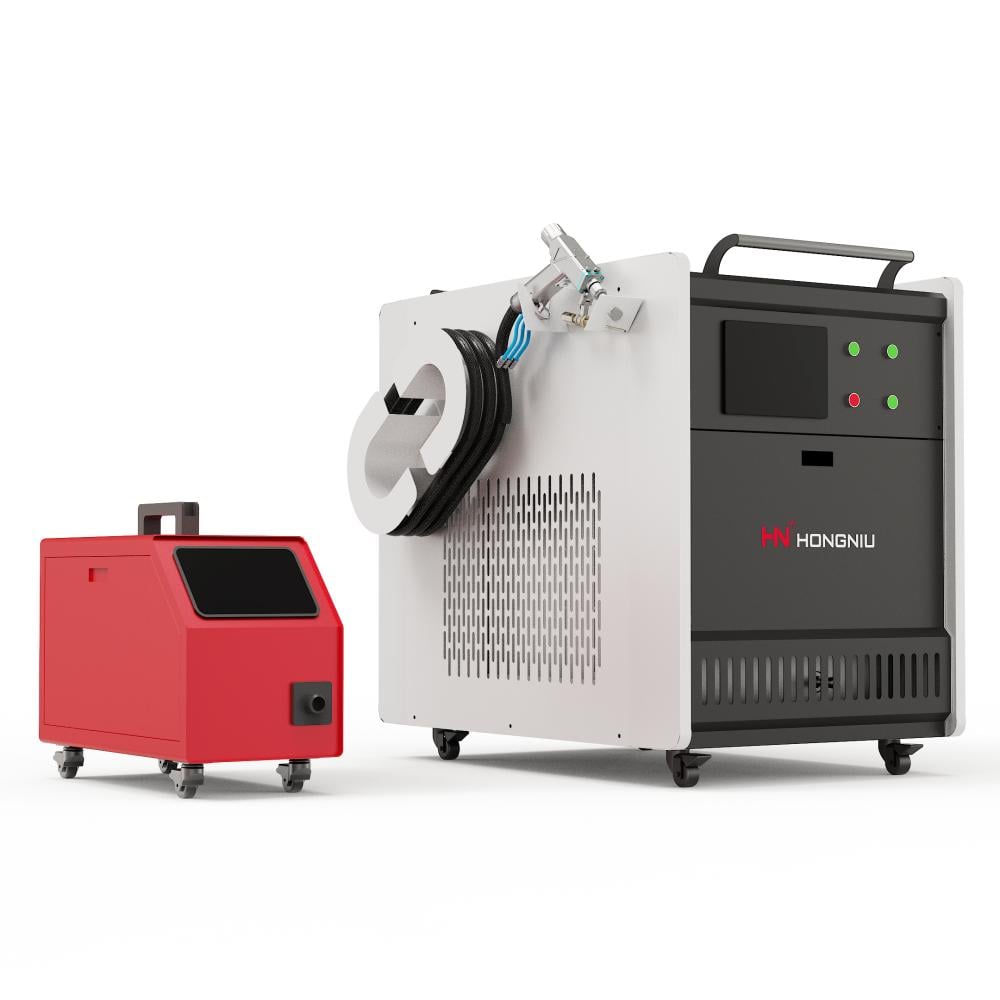
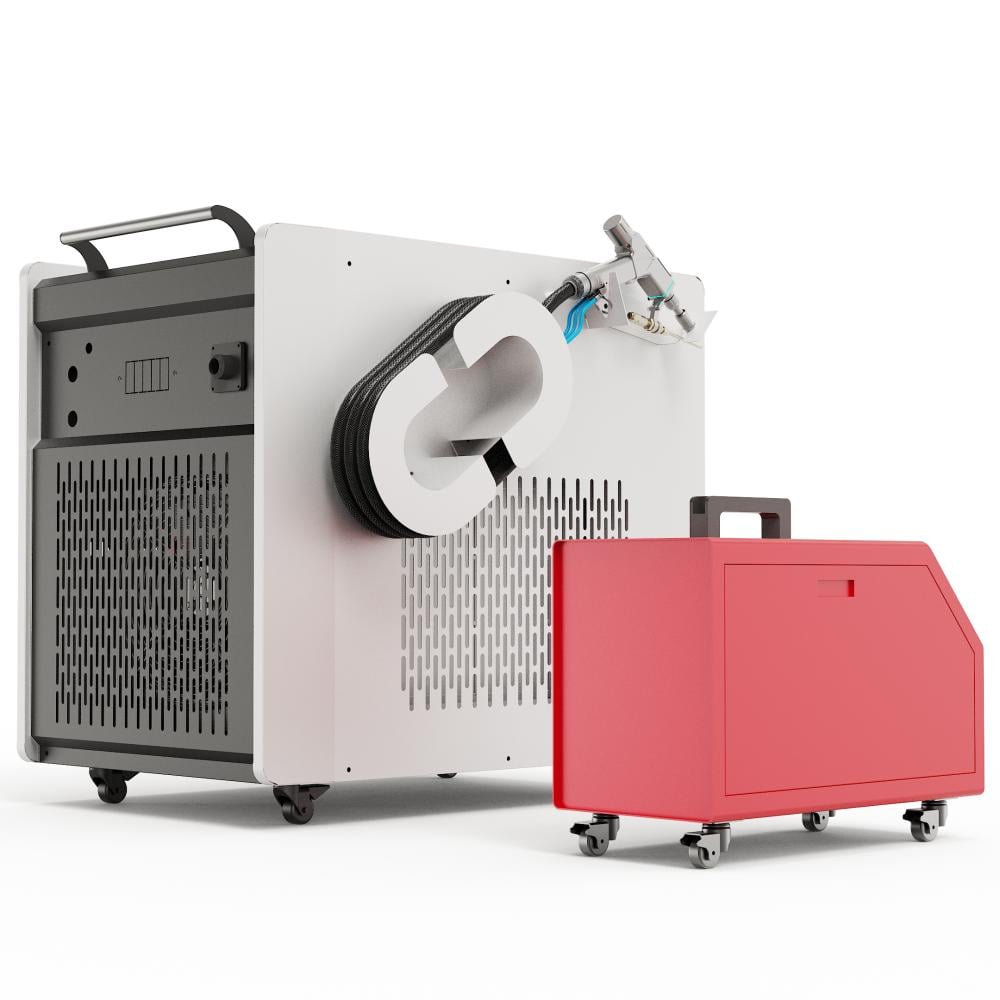
safe metal laser cutting machine
A safe metal laser cutting machine represents the pinnacle of modern manufacturing technology, combining precision engineering with comprehensive safety protocols to deliver exceptional results in metalworking applications. This advanced equipment utilizes focused laser beams to cut through various metal materials with unparalleled accuracy and efficiency. The safe metal laser cutting machine incorporates multiple layers of protection systems, ensuring operator safety while maintaining optimal performance standards. These sophisticated machines feature enclosed cutting chambers with filtered ventilation systems that effectively capture and eliminate hazardous fumes and particles generated during the cutting process. The technological foundation of a safe metal laser cutting machine relies on high-powered laser sources, typically fiber or CO2 lasers, controlled by computer numerical control (CNC) systems that translate digital designs into precise cutting paths. Advanced beam delivery systems ensure consistent laser power distribution across the entire cutting area, while real-time monitoring sensors continuously track operating parameters to maintain safety thresholds. The cutting head assembly includes protective lenses and nozzles designed to optimize gas flow and prevent contamination. Safety interlocks prevent operation when protective barriers are compromised, while emergency stop systems provide immediate shutdown capabilities. Temperature monitoring systems prevent overheating, and automatic fire suppression systems provide additional protection against potential hazards. These machines excel in processing various metal types including stainless steel, aluminum, carbon steel, and exotic alloys with thicknesses ranging from thin sheets to substantial plates. The precision capabilities of a safe metal laser cutting machine enable intricate geometries, tight tolerances, and smooth edge finishes without requiring secondary processing. Industrial applications span automotive manufacturing, aerospace components, architectural metalwork, electronics enclosures, medical device fabrication, and custom prototyping. The versatility of these systems allows manufacturers to switch between different materials and thicknesses quickly, maximizing productivity while maintaining consistent quality standards throughout production runs.