Exceptional Versatility Across Materials and Design Complexity
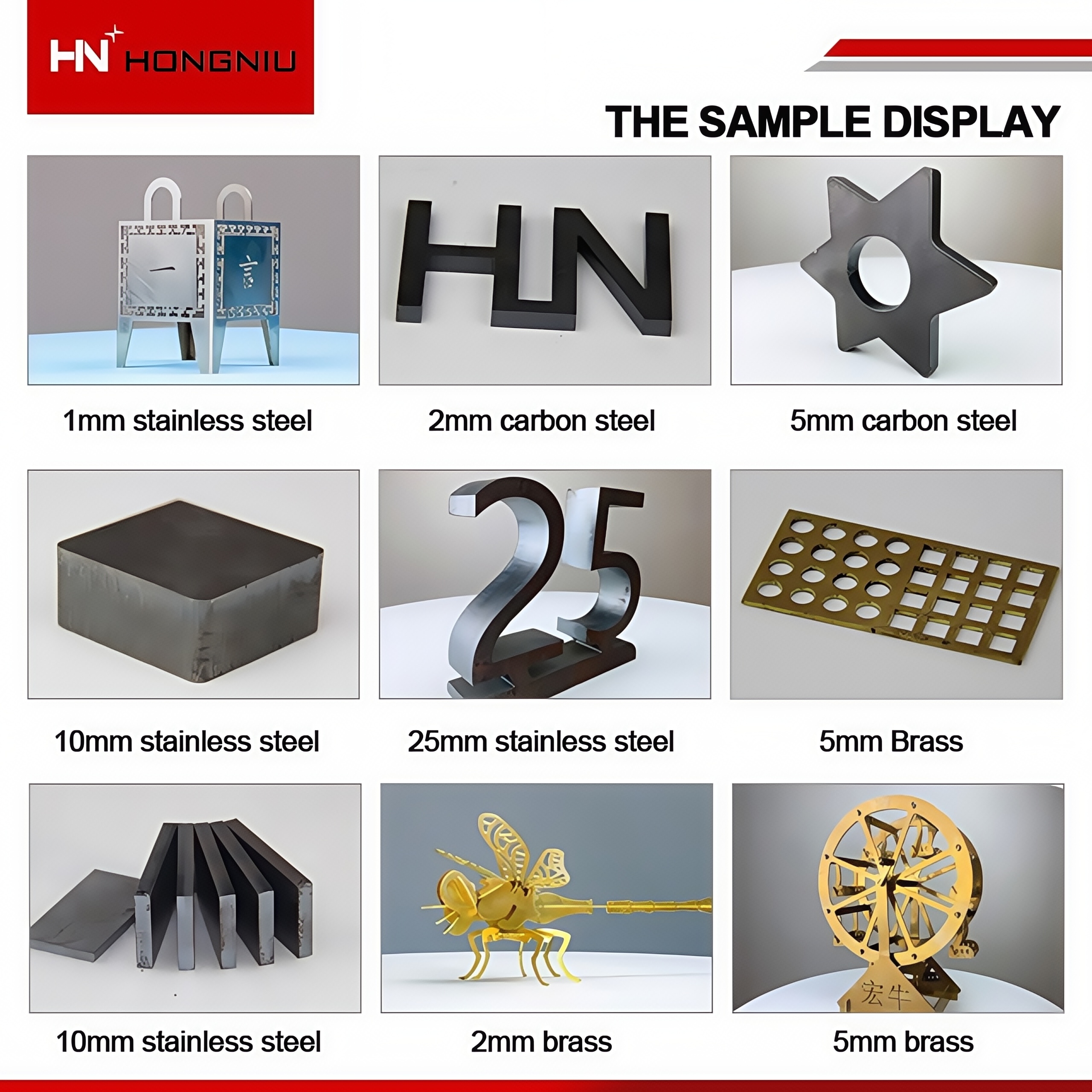
One of the most compelling advantages of the advanced metal laser cutting machine is its remarkable versatility in handling diverse materials and design challenges that would require multiple specialized machines in a conventional fabrication shop. This equipment cuts through stainless steel, mild steel, aluminum, copper, brass, bronze, titanium, and various specialized alloys with equal effectiveness, requiring only adjustments to cutting parameters such as power level, cutting speed, and assist gas selection rather than physical tool changes or extensive machine reconfiguration. For fabrication shops that serve multiple industries or accept custom projects with varying specifications, this versatility eliminates the need to invest in separate cutting systems for different materials, reducing capital equipment expenses and freeing up valuable floor space for additional production capacity or workflow optimization. The advanced metal laser cutting machine handles material thickness ranges that previously required different cutting technologies, processing thin gauge materials as delicate as sheet metal for electronics enclosures while also cutting through thick plates used in structural applications, heavy equipment manufacturing, or industrial machinery fabrication. Design complexity presents no obstacles for this technology, as the computer-controlled cutting head follows programmed paths with perfect accuracy regardless of how intricate the pattern might be. Manufacturers can produce parts with hundreds of small holes, complex curves, sharp angles, and detailed cutouts in a single automated operation, whereas traditional methods would require multiple setup changes, various cutting tools, and extensive manual labor. This capability to cut complex geometries opens up new design possibilities for engineers and product developers who previously had to simplify their designs to accommodate manufacturing limitations. The machine processes parts directly from digital design files, supporting industry-standard formats such as DXF, DWG, and other CAD outputs, streamlining the workflow from design concept to finished component. This digital integration eliminates the errors that occur when manually transferring dimensions from drawings to machines and enables rapid prototyping where design iterations can be tested quickly without creating expensive tooling or fixtures. For businesses engaged in custom fabrication, architectural metalwork, or short-run production, the advanced metal laser cutting machine provides the flexibility to switch between projects rapidly, cutting a dozen parts for one customer, then immediately processing a completely different design for another client without downtime for tool changes or machine modifications, maximizing equipment utilization and enabling fabricators to accept a wider variety of profitable projects.