 EN
EN

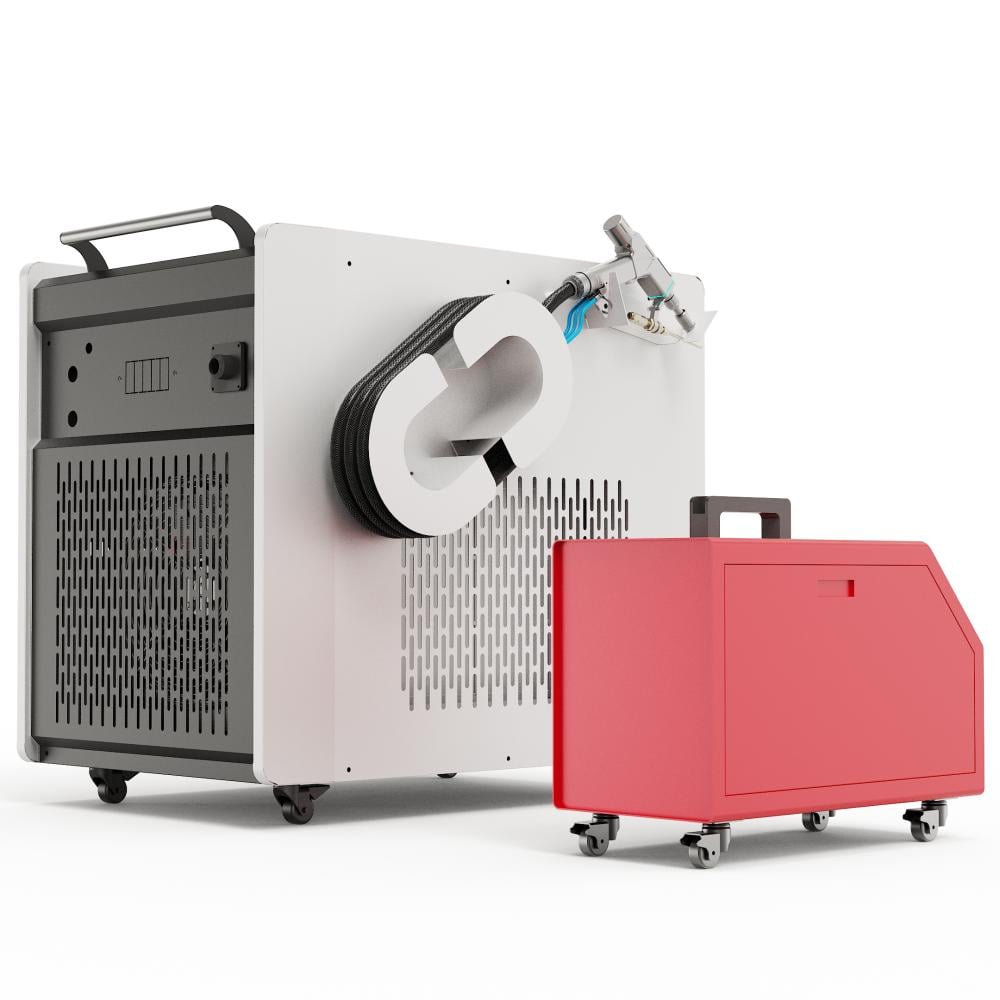
Metal fabrication demands precision, efficiency, and consistency — and the tools you choose directly determine whether your operation meets those demands. A laser welding machine has emerged as one of the most transformative technologies in modern metal fabrication, replacing older methods that struggled to deliver the accuracy and repeatability that today's industries require. Whether you are working with thin sheet metal or complex structural assemblies, the case for adopting a laser welding machine is compelling and backed by measurable performance advantages.
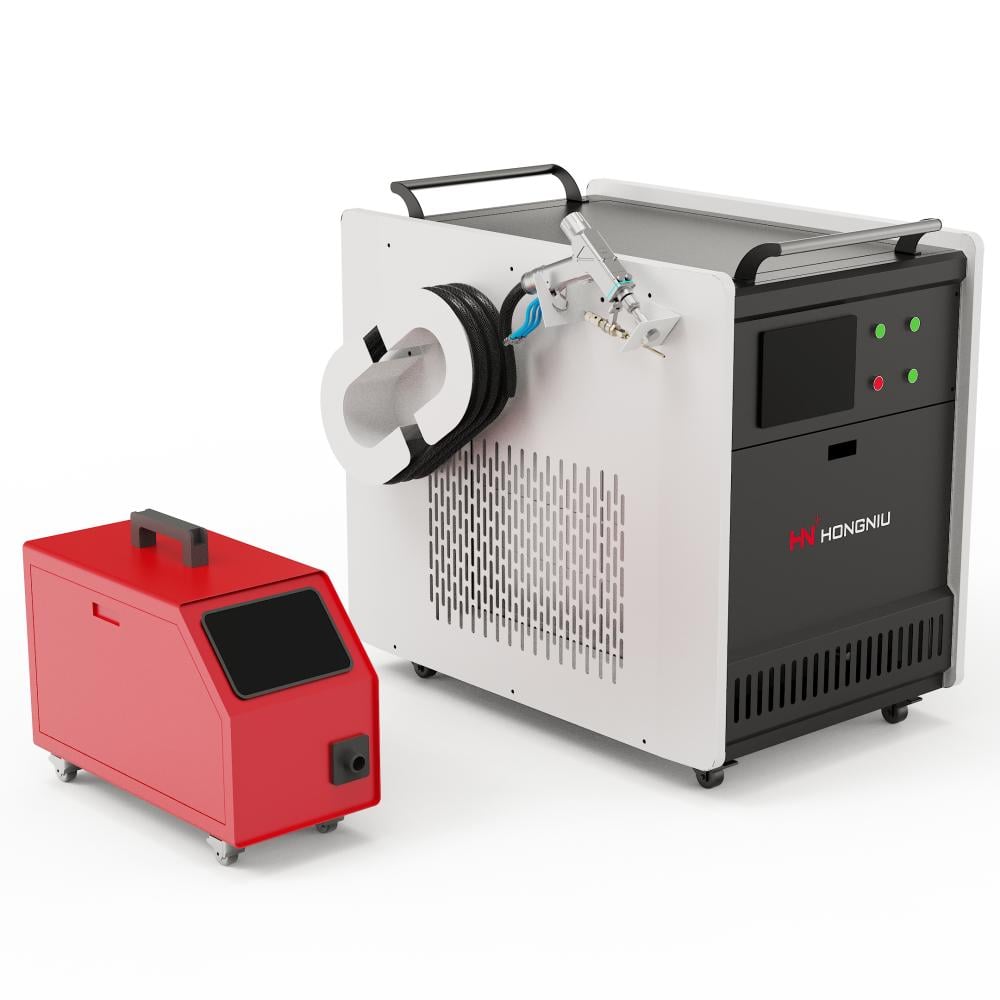
Understanding why fabricators choose a laser welding machine over conventional welding solutions requires a closer look at what the technology actually delivers on the shop floor. From weld quality and heat control to operational flexibility, a laser welding machine consistently outperforms traditional methods in critical areas. This article explores the core reasons why a laser welding machine has become the preferred solution across metal fabrication industries worldwide.
Precision and Weld Quality Advantages
Narrow Heat-Affected Zone
One of the defining advantages of a laser welding machine is its ability to concentrate heat energy into an extremely small, precise area. Unlike MIG or TIG welding, which distribute heat broadly across the workpiece, a laser welding machine focuses a highly controlled laser beam that minimizes the heat-affected zone. This means surrounding material is exposed to far less thermal stress, reducing warping, distortion, and the likelihood of metallurgical changes that compromise part integrity. For fabricators working with heat-sensitive metals or tight-tolerance components, this characteristic alone makes a laser welding machine invaluable.
Superior Weld Bead Consistency
A laser welding machine produces clean, uniform weld beads that require minimal post-processing. The laser beam delivers energy with exceptional consistency across every weld pass, which means each joint produced by a laser welding machine meets the same dimensional and structural standard. In high-volume production environments, this repeatability translates directly into lower rework rates and reduced scrap. Fabricators who switch to a laser welding machine often report a significant drop in quality control rejections because the process is inherently more stable and less dependent on operator skill variation compared to manual welding techniques.
Speed and Productivity in Metal Fabrication
Faster Processing Speeds
A laser welding machine operates at processing speeds that far exceed conventional welding equipment in most metal fabrication scenarios. Because the laser welding machine delivers energy instantaneously and does not require the same torch manipulation time as traditional methods, weld cycle times are dramatically reduced. Fabrication shops that integrate a laser welding machine into their workflow typically see throughput improvements that allow them to take on more orders without adding headcount. When production bottlenecks form around welding stations, upgrading to a laser welding machine is one of the most effective ways to relieve that pressure and meet tighter delivery schedules.
Reduced Setup and Finishing Time
A laser welding machine also reduces the total time spent on non-welding tasks. Because a laser welding machine produces cleaner welds with minimal spatter, grinding, polishing, and surface finishing steps are significantly shortened or eliminated. Setup time is also more predictable because a laser welding machine relies on digital parameter settings that can be saved and recalled instantly for repeat jobs. This operational efficiency means your team spends more time on productive work and less time managing the secondary consequences that conventional welding typically creates. Over a full production cycle, the time savings from using a laser welding machine compound into a meaningful competitive advantage.
Versatility and Material Compatibility
Wide Range of Metal Applications
A laser welding machine is not limited to a narrow category of metals. Modern laser welding machine systems are engineered to handle stainless steel, carbon steel, aluminum, copper, titanium, and various alloys with equal competence. This broad material compatibility makes a laser welding machine a single platform solution for fabrication shops that work across multiple industries or handle diverse customer requirements. Whether the application involves automotive components, aerospace brackets, medical device housings, or architectural metalwork, a laser welding machine can adapt its parameters to suit the specific material and joint geometry without requiring equipment changes.
Suitability for Complex Joint Geometries
Complex part geometries that challenge traditional welding methods are well within the capabilities of a modern laser welding machine. The laser beam of a laser welding machine can be directed with great precision into tight corners, narrow channels, and delicate contours where physical torch access would be difficult or impossible. Handheld laser welding machine models offer even greater flexibility for on-site fabrication and repair work, while automated laser welding machine systems integrated into CNC platforms deliver consistent results on intricate programmed weld paths. This versatility means a laser welding machine can serve both prototyping environments and high-volume manufacturing lines with equal effectiveness.
FAQ
What metals can a laser welding machine weld effectively?
A laser welding machine is compatible with a wide range of metals including stainless steel, mild steel, aluminum, copper, brass, titanium, and most common industrial alloys. The key advantage of a laser welding machine is that its energy parameters can be adjusted to match the thermal properties of each specific material, making it a highly adaptable tool for diverse fabrication requirements.
Is a laser welding machine suitable for thin sheet metal work?
Yes, a laser welding machine is especially well-suited for thin sheet metal because it delivers precise, low-distortion welds that protect delicate material from warping. The narrow heat-affected zone produced by a laser welding machine minimizes thermal damage, making it the preferred choice for fabricators who work with gauges that would be easily burned or distorted by conventional welding processes.
How does a laser welding machine compare to TIG welding in fabrication?
A laser welding machine generally offers faster processing speeds, lower heat input, less post-weld cleanup, and better repeatability compared to TIG welding. While TIG welding remains a skilled craft with specific application advantages, a laser welding machine is the stronger choice when productivity, precision, and consistent output quality are the primary fabrication priorities. Many shops use a laser welding machine as their main production tool while reserving TIG for specialized or access-limited situations.
