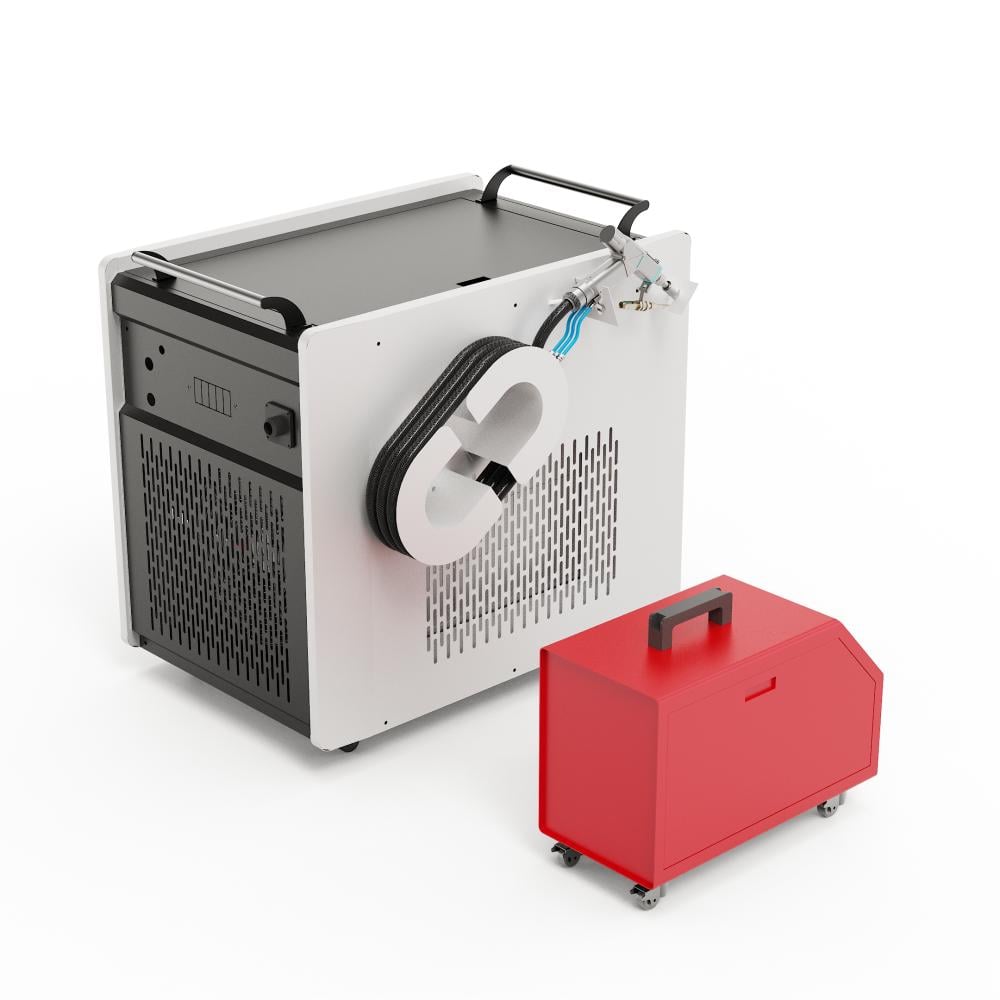
quality metal laser cutting machine
A quality metal laser cutting machine represents the pinnacle of modern manufacturing technology, delivering exceptional precision and efficiency for industrial metalworking applications. These sophisticated systems utilize high-powered laser beams to cut through various metal materials with remarkable accuracy, making them indispensable tools in contemporary fabrication environments. The quality metal laser cutting machine operates by focusing an intense laser beam onto the metal surface, creating a concentrated heat zone that melts or vaporizes the material along predetermined cutting paths. This advanced process enables manufacturers to achieve intricate designs and complex geometries that would be impossible or extremely challenging with traditional cutting methods. The core functionality of a quality metal laser cutting machine encompasses multiple operational modes, including cutting, engraving, and marking capabilities across diverse metal types such as steel, aluminum, copper, brass, and titanium. These machines incorporate sophisticated control systems that manage laser power output, cutting speed, and beam focus to optimize performance for different material thicknesses and compositions. Modern quality metal laser cutting machines feature computer numerical control systems that interpret digital design files and translate them into precise cutting instructions. The technological framework includes fiber laser sources, which provide superior beam quality and energy efficiency compared to older CO2 laser systems. Advanced cooling systems maintain optimal operating temperatures, while automated material handling systems streamline workflow processes. Quality metal laser cutting machines offer exceptional versatility in industrial applications, serving sectors including automotive manufacturing, aerospace engineering, architectural metalwork, electronics production, and custom fabrication services. These systems excel in producing components ranging from simple brackets and panels to complex assemblies requiring tight tolerances and smooth edge finishes. The integration of automated features reduces manual intervention requirements, enabling continuous production cycles and consistent output quality that meets stringent industrial standards.