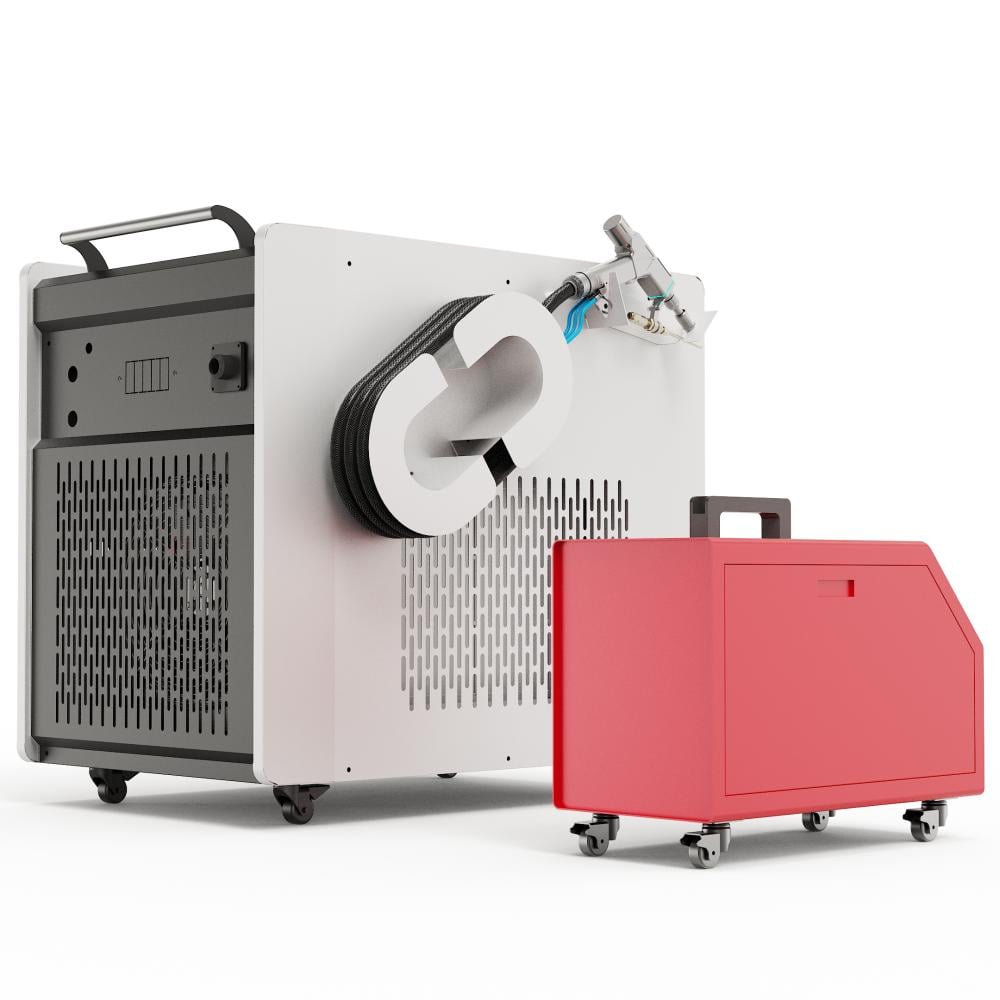
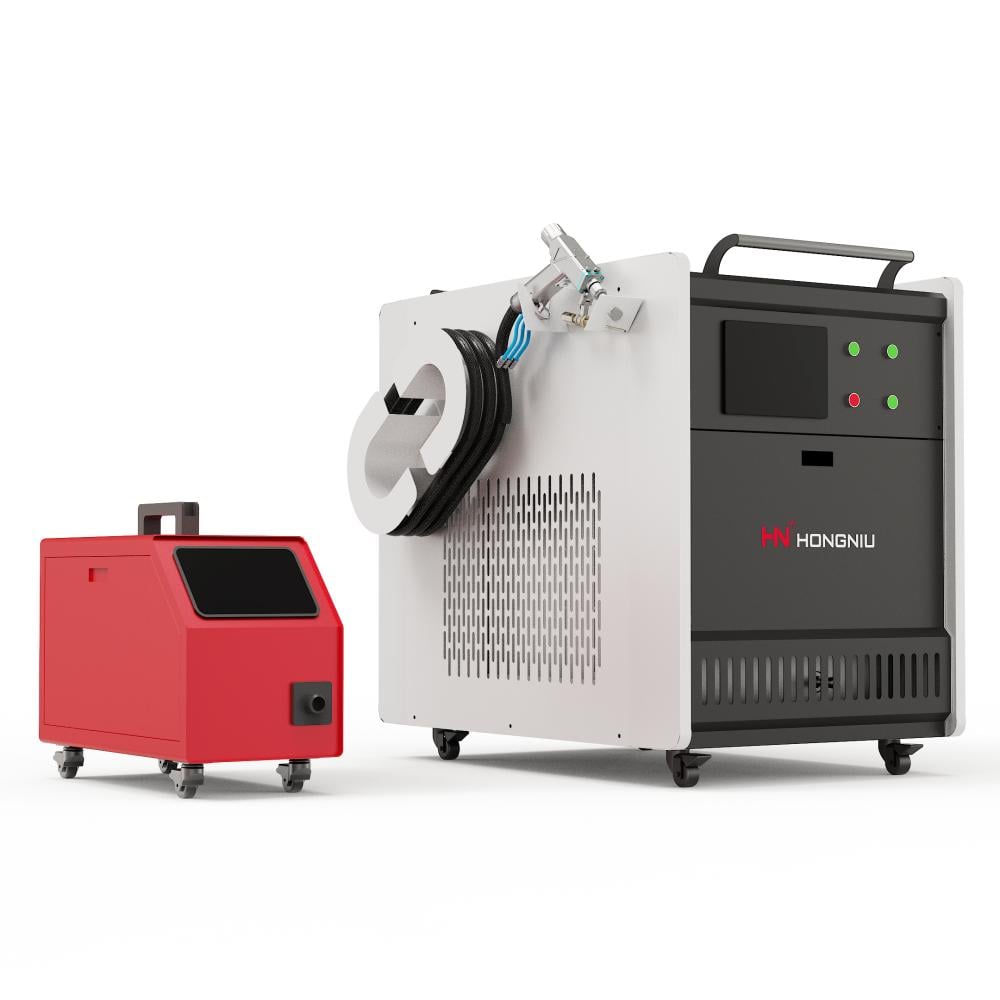
industrial metal laser cutting machine
An industrial metal laser cutting machine represents a transformative advancement in modern manufacturing technology, utilizing highly focused laser beams to cut through various metal materials with exceptional precision and speed. This sophisticated equipment has become indispensable in fabrication shops, automotive plants, aerospace facilities, and countless other manufacturing environments where accuracy and efficiency are paramount. The industrial metal laser cutting machine operates by directing a high-powered laser beam through specialized optics and a cutting head that focuses the energy onto the metal surface. This concentrated thermal energy melts, burns, or vaporizes the material along a predetermined path, creating clean cuts with minimal material waste. These machines can process a wide range of metals including stainless steel, carbon steel, aluminum, brass, copper, and titanium across varying thicknesses. The technology behind an industrial metal laser cutting machine has evolved significantly, now incorporating fiber laser sources that deliver superior beam quality and energy efficiency compared to traditional CO2 systems. Modern systems integrate computer numerical control (CNC) technology, allowing operators to program complex cutting patterns and execute them with remarkable repeatability. The industrial metal laser cutting machine eliminates the need for hard tooling, reducing setup times and enabling rapid transitions between different jobs. This flexibility makes it ideal for both high-volume production runs and custom fabrication projects. The non-contact nature of laser cutting means there is no mechanical force applied to the workpiece, preventing material deformation and allowing for cutting of delicate or thin materials. An industrial metal laser cutting machine typically includes features such as automatic material handling systems, real-time monitoring sensors, adaptive cutting parameters, and dust extraction units to maintain optimal cutting conditions. The precision achievable with these machines often eliminates secondary finishing operations, streamlining the manufacturing workflow and reducing overall production costs while maintaining consistent quality standards across thousands of parts.