High Quality Laser Cutting Machine - Precision Manufacturing Solutions for Superior Results

Get A Quote
Get A Quote

high quality laser cutting machine

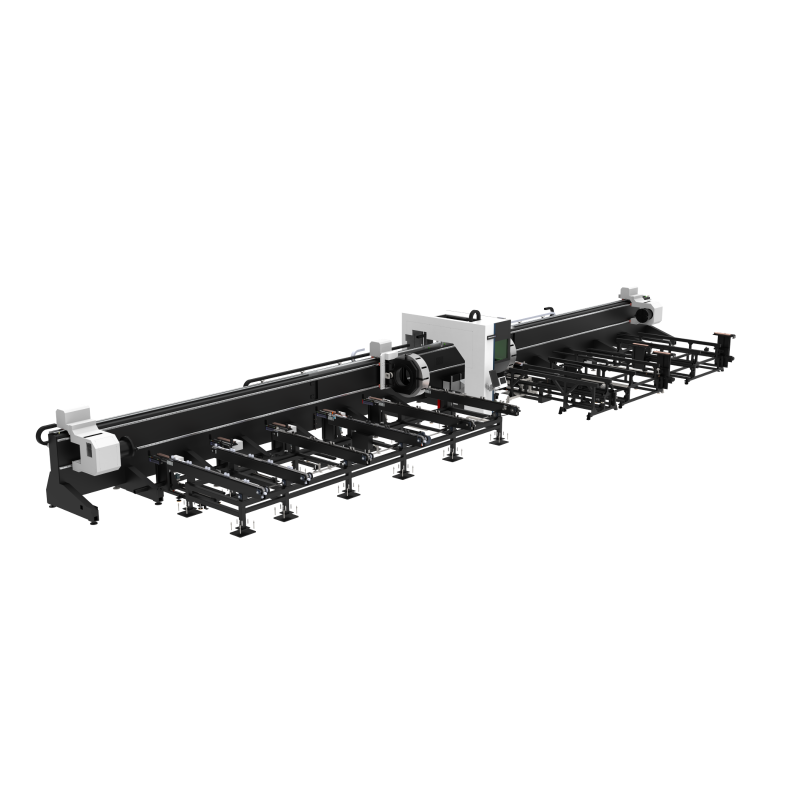
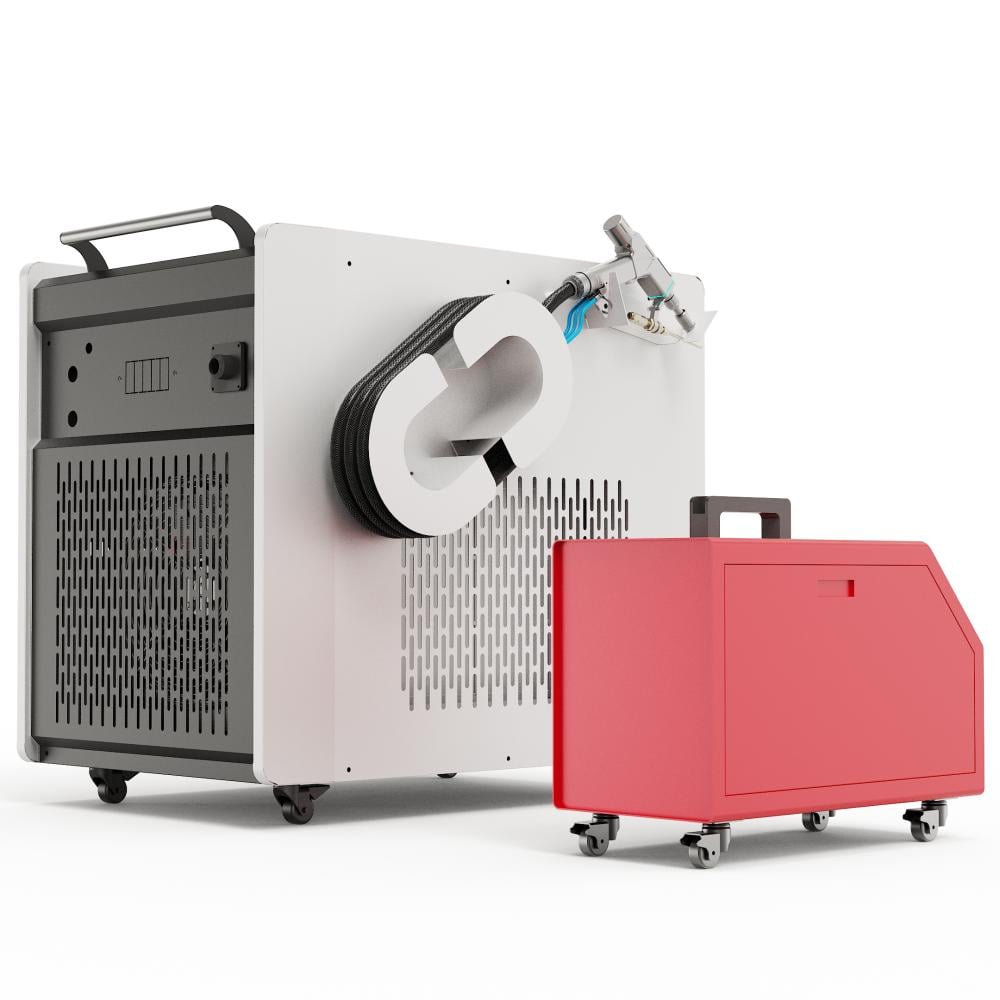
A high quality laser cutting machine represents a pinnacle of modern manufacturing technology, combining precision engineering with advanced optical systems to deliver exceptional material processing capabilities. These sophisticated systems utilize focused laser beams to cut, engrave, and shape various materials with unparalleled accuracy and consistency. At its core, a high quality laser cutting machine employs a powerful laser source that generates an intense beam of coherent light, which is then directed through a series of mirrors and lenses onto the workpiece surface. The concentrated energy melts, burns, or vaporizes the material along a predetermined path, creating clean, precise cuts with minimal material waste. The main functions of these machines extend beyond simple cutting operations to include intricate engraving, detailed etching, marking, and complex geometric shaping across diverse material types. Technological features that distinguish premium systems include advanced CNC control systems that ensure repeatable accuracy within micrometers, automated focusing mechanisms that maintain optimal beam position regardless of material thickness variations, and sophisticated cooling systems that preserve component longevity during extended operation periods. Modern high quality laser cutting machines incorporate intelligent software platforms that facilitate seamless design-to-production workflows, enabling operators to import digital files directly and execute complex cutting patterns without manual programming. Applications for these versatile machines span numerous industries, from automotive manufacturing where they produce precision brackets and chassis components, to aerospace engineering where they fabricate lightweight structural elements, to medical device production where they create intricate surgical instruments and implants. The fashion and textile industries utilize these machines for creating detailed fabric patterns and leather goods, while signage companies depend on them for producing eye-catching displays and dimensional letters. Architecture and construction firms employ these systems for generating decorative metal panels and custom building components. The versatility, precision, and efficiency of a high quality laser cutting machine make it an indispensable asset for businesses seeking to enhance production capabilities while maintaining superior quality standards.
Investing in a high quality laser cutting machine delivers substantial practical benefits that directly impact your bottom line and operational efficiency. First and foremost, these machines dramatically reduce material waste compared to traditional cutting methods, as the narrow kerf width of the laser beam removes only minimal material during the cutting process, allowing you to maximize yield from each sheet of raw material and significantly lower your material costs over time. The precision offered by these systems eliminates the need for secondary finishing operations in most applications, as the cuts produced are clean, burr-free, and dimensionally accurate from the first pass, saving you valuable time and labor expenses that would otherwise be spent on deburring, grinding, or polishing. Speed represents another compelling advantage, as a high quality laser cutting machine can complete complex cutting patterns in a fraction of the time required by conventional methods such as plasma cutting, waterjet cutting, or mechanical sawing, enabling you to fulfill orders faster and increase your overall production capacity without expanding your facility or hiring additional staff. The non-contact nature of laser cutting means there is no tool wear to consider, eliminating the recurring costs associated with replacing worn drill bits, saw blades, or punches, while also ensuring consistent cut quality throughout the entire production run without degradation that occurs as mechanical tools become dull. Flexibility stands as a major benefit, as these machines can switch between different materials and thicknesses without time-consuming tooling changes, allowing you to respond quickly to customer requests and produce small batch runs economically, which would be prohibitively expensive with traditional stamping or die-cutting methods that require dedicated tooling for each design variation. The automated operation of modern systems reduces the skill level required for basic operations, enabling your existing workforce to produce complex parts after minimal training, while the digital workflow integration means design changes can be implemented instantly without physical template modifications. Safety improvements are notable, as the enclosed cutting area and automated material handling reduce operator exposure to hazards associated with manual cutting processes. Energy efficiency has improved substantially in recent generations of laser technology, with fiber laser systems in particular consuming significantly less power than CO2 lasers while delivering superior cutting performance, translating to lower operating costs and a smaller environmental footprint for your facility. The ability to cut intricate designs that would be impossible or extremely difficult with conventional methods opens new revenue opportunities, allowing you to offer customers unique products and command premium pricing for complex work. Maintenance requirements are minimal compared to mechanical cutting equipment, as there are fewer moving parts subject to wear and most routine servicing can be performed by in-house personnel without specialized technicians, reducing downtime and service costs while maximizing productive hours.

Latest News

Laser Cut Machine vs Mechanical Cutting: Key Differences

12

May

Laser Cut Machine vs Mechanical Cutting: Key Differences

In the industrial fabrication landscape, the choice between thermal precision and mechanical force determines the efficiency, cost, and quality of the final product. For decades, mechanical cutting—utilizing physical tools like shears, punches...
View More
What Thickness Can a Metal Laser Cutter Handle?

12

May

What Thickness Can a Metal Laser Cutter Handle?

Selecting the right industrial machinery requires a deep understanding of technical boundaries. If you are in the market for a metal laser cutter, one of the most critical questions you will face is: "What is the maximum thickness this machine can h...
View More
Laser Metal Cutting Machine vs Waterjet Cutting

12

May

Laser Metal Cutting Machine vs Waterjet Cutting

When manufacturing professionals need precise metal cutting solutions, the choice between a laser metal cutting machine and waterjet cutting technology represents a critical decision that impacts production efficiency, cost structure, and part qualit...
View More
Why Laser for Cutting Machine Technology Improves Precision?

12

May

Why Laser for Cutting Machine Technology Improves Precision?

The precision demands of modern manufacturing have reached unprecedented levels, particularly in industries where tolerances measured in microns can determine product quality and operational success. Traditional cutting methods, while functional, oft...
View More

Get a Free Quote

Our representative will contact you soon.
0/1000
Unmatched Precision and Repeatability for Consistent Quality

Unmatched Precision and Repeatability for Consistent Quality

When manufacturing demands exact specifications and zero tolerance for variation, a high quality laser cutting machine delivers the precision and repeatability that sets your production apart from competitors relying on conventional methods. The core advantage lies in the computer-controlled positioning system that guides the laser beam with micron-level accuracy, ensuring that every cut follows the programmed path with mathematical precision regardless of whether you are producing the first piece or the ten-thousandth piece in a production run. This consistency eliminates the dimensional drift that plagues mechanical cutting systems as tools wear during operation, meaning your last part of the day maintains the same tight tolerances as your first part of the morning without adjustment or recalibration. The precision capabilities extend to intricate details that would challenge or defeat traditional cutting methods entirely, enabling you to produce complex geometries with sharp internal corners, narrow slots, and delicate features that maintain structural integrity without distortion. For businesses serving industries where component accuracy directly impacts assembly efficiency and final product performance, such as electronics manufacturing, medical device production, or precision instrument fabrication, this level of precision translates to reduced rejection rates, fewer warranty claims, and enhanced reputation for quality that attracts premium customers. The repeatability aspect proves particularly valuable for long production runs and ongoing supply relationships, as you can confidently commit to delivering identical parts over months or years without concerns about process variation affecting fit and function in customer assemblies. Furthermore, the digital nature of the cutting path means you can store programs indefinitely and reproduce parts exactly even after long intervals, eliminating the pattern degradation issues associated with physical templates that become worn or damaged over time. The high quality laser cutting machine achieves this precision without the significant setup time required by stamping dies or specialized fixtures, allowing you to maintain the same exacting standards for short runs and prototypes as for high-volume production, which proves especially beneficial when serving diverse customer bases with varying order quantities. This combination of precision and repeatability reduces your quality control burden, as parts consistently emerge within specification without extensive inspection requirements, freeing your quality assurance resources to focus on process improvement rather than defect detection and rework coordination.
Exceptional Versatility Across Materials and Thicknesses

Exceptional Versatility Across Materials and Thicknesses

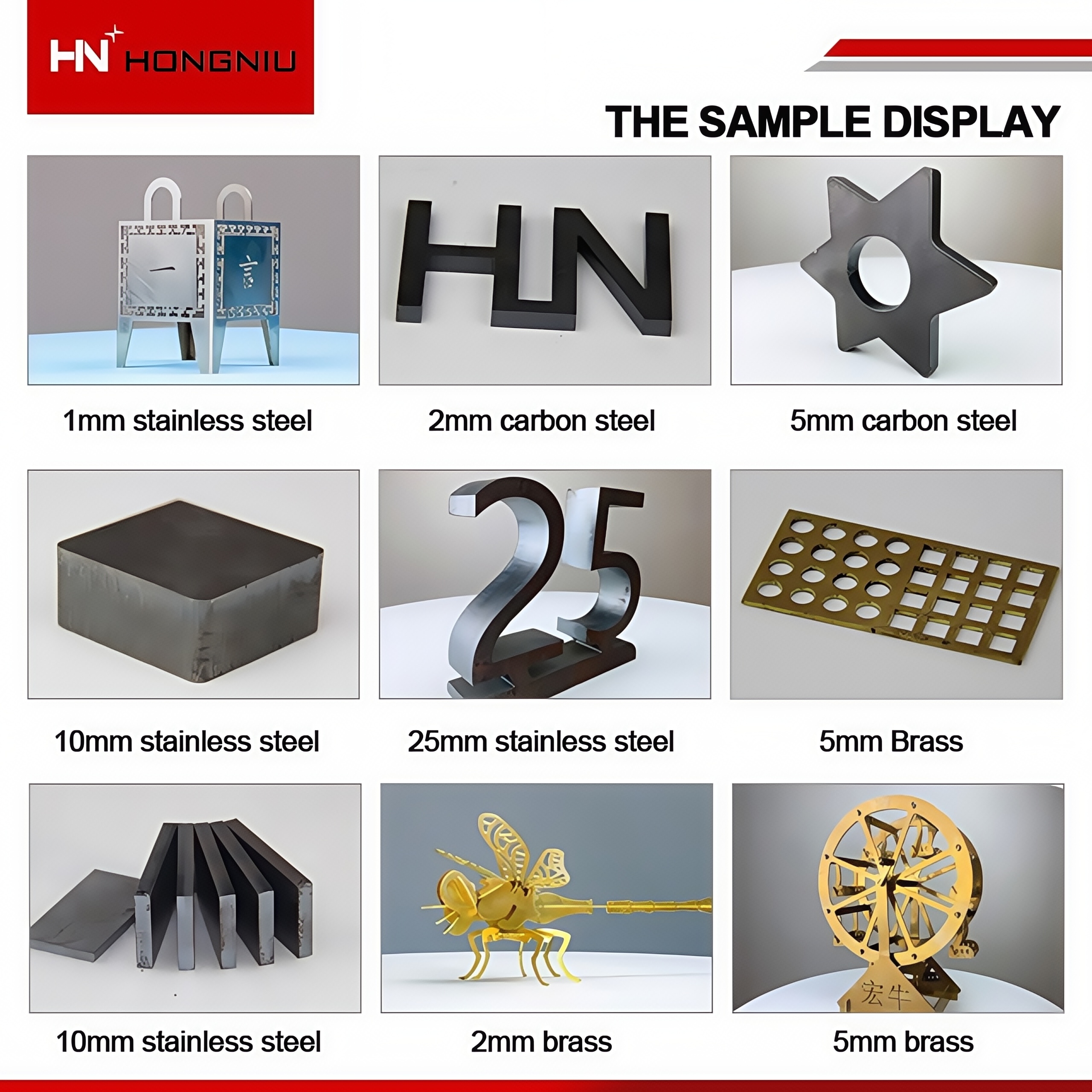
The remarkable versatility of a high quality laser cutting machine fundamentally transforms your production capabilities by enabling you to process an extensive range of materials and thicknesses using a single piece of equipment, eliminating the need for multiple specialized machines that consume valuable floor space and capital resources. Unlike mechanical cutting methods that require specific tooling for different material types and thicknesses, or plasma cutting systems that struggle with thin materials and non-conductive substances, laser cutting technology adapts seamlessly across metals including stainless steel, carbon steel, aluminum, copper, brass, and titanium, as well as non-metallic materials such as acrylic, wood, fabrics, leather, paper, and various composite materials. This material versatility empowers you to diversify your service offerings and pursue opportunities across multiple market segments without investing in separate processing equipment for each material category, effectively expanding your addressable market and revenue potential with a single strategic equipment acquisition. The ability to handle varying thicknesses without changeover delays proves equally valuable, as you can transition from cutting thin gauge sheet metal for electronics enclosures to processing thick plate for structural components simply by adjusting the laser parameters through the control interface, a process that takes seconds rather than the hours required to change dies or reconfigure mechanical systems. For job shops and contract manufacturers serving diverse customer bases, this versatility translates to improved scheduling flexibility and faster turnaround times, as you can sequence jobs based on delivery requirements rather than grouping similar materials together to minimize setup time, ultimately improving customer satisfaction and competitive positioning. The high quality laser cutting machine also excels at processing reflective materials like copper and brass that pose challenges for conventional laser systems, thanks to advanced laser sources and control algorithms that adapt power delivery to prevent beam reflection issues, opening applications in electrical components, decorative hardware, and artistic metalwork that might otherwise require outsourcing to specialized suppliers. Additionally, the capability to cut composite materials and sandwiched structures without delamination or layer separation expands your opportunities in aerospace, automotive, and architectural applications where these advanced materials deliver superior performance characteristics. The versatility extends to accommodating various sheet sizes and formats, with many systems offering interchangeable bed sizes or automated loading systems that handle both full sheets and remnant pieces efficiently, maximizing material utilization across your entire inventory of raw materials regardless of dimensions.
Minimal Operating Costs and Maximum Productivity Returns

Minimal Operating Costs and Maximum Productivity Returns

Beyond the initial capital investment, a high quality laser cutting machine delivers exceptional value through minimal operating costs and productivity levels that generate rapid returns on your equipment expenditure. The economic advantages begin with the elimination of consumable tooling costs that represent a significant ongoing expense in mechanical cutting operations, as there are no drill bits to replace, no saw blades to sharpen, and no punches to refurbish after processing abrasive materials or completing extended production runs. While laser systems do require periodic replacement of certain components such as lenses and nozzles, these maintenance items cost substantially less than the cumulative expense of mechanical tooling over equivalent production volumes, and the replacement intervals are measured in months rather than days or weeks. Energy efficiency has advanced dramatically with the development of fiber laser technology, which converts electrical power to laser output with efficiency rates exceeding seventy percent compared to the ten to fifteen percent typical of older CO2 laser systems, meaning your actual power consumption per part decreases significantly while cutting performance improves, directly reducing your utility expenses and environmental impact. The speed at which a high quality laser cutting machine completes jobs multiplies your effective production capacity without corresponding increases in labor costs, as a single operator can oversee multiple machines or perform value-added tasks while automated cutting proceeds, effectively leveraging your human resources for maximum output. This productivity advantage becomes particularly pronounced when processing complex parts with numerous features, where traditional methods would require multiple operations across different machines with material handling and setup time between each step, while laser cutting completes the entire part in one continuous operation from a single setup. The reduction in secondary processing requirements delivers further cost savings, as the clean cut edges produced by quality laser systems eliminate deburring operations in most applications and the precision of the cuts often allows parts to proceed directly to assembly without additional machining to achieve final dimensions. Downtime represents a hidden cost that erodes productivity across manufacturing operations, and high quality laser cutting machines minimize unproductive time through reliable operation that consistently delivers uptime percentages in the high nineties, supported by predictive maintenance capabilities that alert operators to potential issues before failures occur, allowing scheduled service during planned breaks rather than unexpected breakdowns during critical production periods. The digital workflow integration reduces labor hours spent on programming and setup, as operators import cutting files directly from CAD systems and initiate production within minutes, compared to the extensive manual programming or template creation required by conventional methods, effectively allowing your engineering and production teams to process more jobs per shift with existing staffing levels.