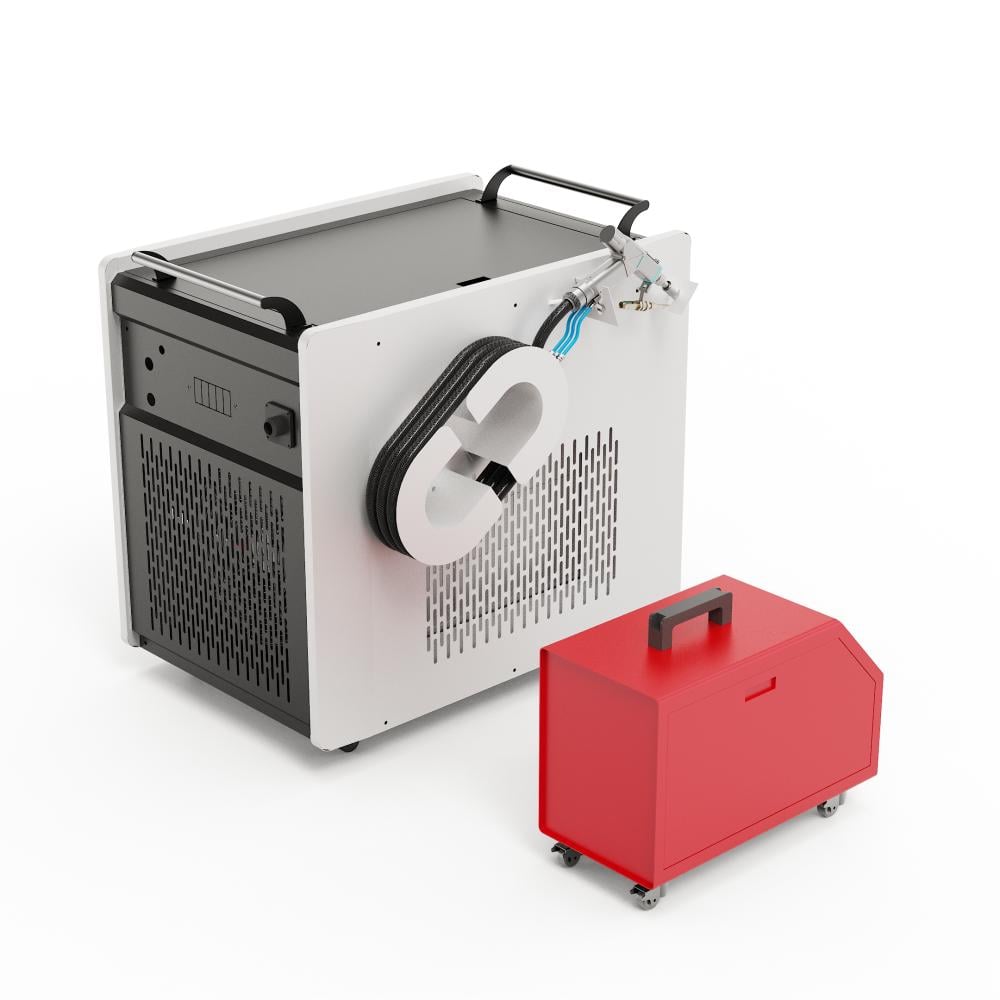
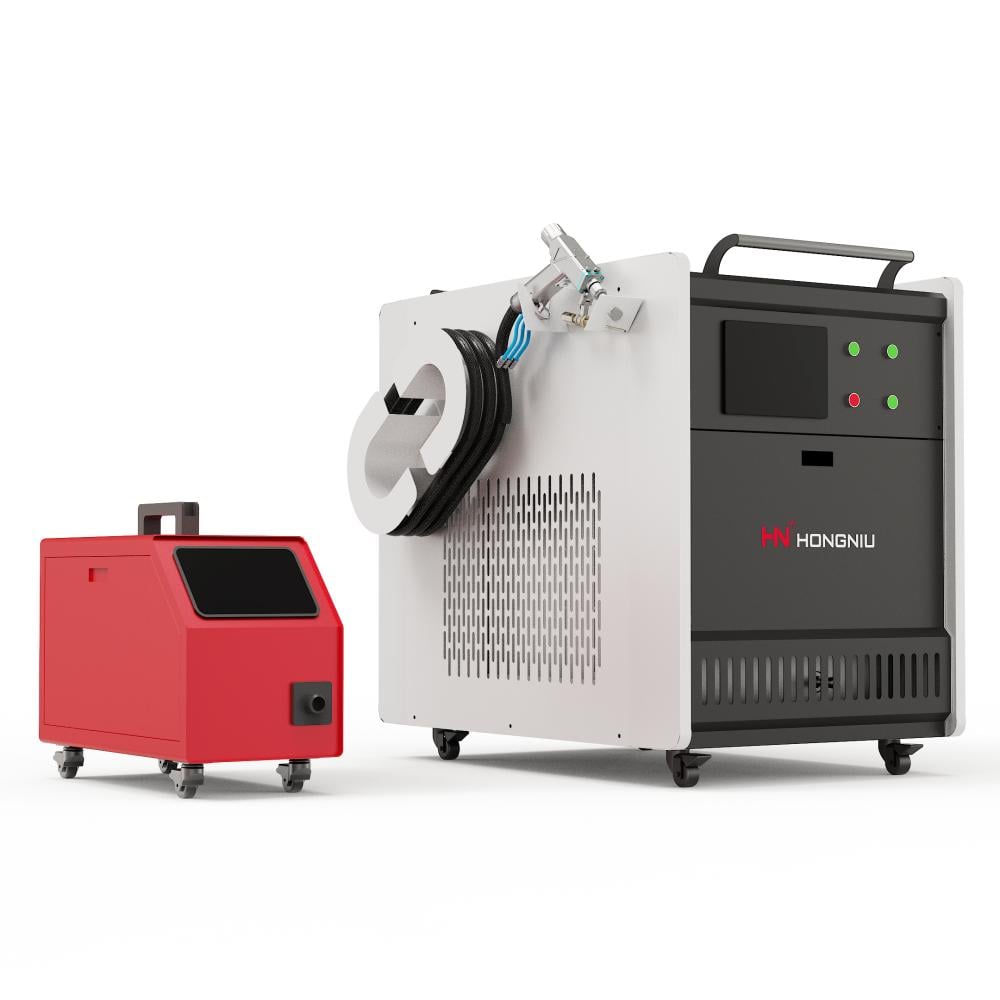
Advanced Stainless Steel Laser Cutting Machine - Precision Metal Fabrication Solutions

Get a Free Quote

Our representative will contact you soon.
Email
Name
WhatsApp
Company Name
Message
0/1000

stainless steel laser cutting machine

A stainless steel laser cutting machine represents the pinnacle of modern manufacturing technology, designed specifically to handle the unique challenges of processing stainless steel materials with unmatched precision and efficiency. This sophisticated equipment utilizes high-powered laser beams to cut through various grades of stainless steel, delivering clean, accurate cuts that meet the most demanding industrial standards. The machine operates by focusing an intense laser beam onto the material surface, creating localized heating that melts or vaporizes the stainless steel along predetermined cutting paths. The primary functions of a stainless steel laser cutting machine encompass straight-line cutting, complex contour cutting, hole drilling, and intricate pattern creation. These machines excel at processing different stainless steel thicknesses, typically ranging from thin sheets of 0.5mm to thick plates of 30mm or more, depending on the laser power and configuration. Technological features include advanced CNC control systems that ensure precise positioning and movement, automatic focus adjustment mechanisms that maintain optimal cutting quality, and sophisticated cooling systems that prevent overheating during extended operations. The integration of computer-aided design software allows operators to import complex patterns and execute intricate cutting sequences with minimal manual intervention. Applications span across diverse industries including automotive manufacturing, architectural fabrication, kitchen equipment production, medical device manufacturing, and aerospace component creation. The food processing industry particularly benefits from stainless steel laser cutting machines due to the material's corrosion resistance and hygienic properties. Additionally, these machines serve decorative applications in signage creation, artistic metalwork, and custom fabrication projects. The versatility of stainless steel laser cutting machines makes them indispensable tools for manufacturers seeking to combine high-quality output with operational efficiency, enabling the production of components that meet strict tolerances while maintaining the inherent properties that make stainless steel valuable across multiple sectors.

Popular Products

Stainless steel laser cutting machines offer numerous advantages that transform manufacturing processes and deliver exceptional value to businesses across various industries. The precision achieved by these machines surpasses traditional cutting methods, producing edges with minimal heat-affected zones and virtually no material distortion. This level of accuracy eliminates the need for secondary finishing operations in many applications, reducing production time and labor costs significantly. The speed at which stainless steel laser cutting machines operate provides substantial productivity gains, with cutting rates that far exceed conventional mechanical cutting methods. Modern systems can process multiple parts simultaneously, maximizing material utilization and minimizing waste generation. The contactless nature of laser cutting prevents tool wear and eliminates the need for expensive cutting tool replacements, reducing ongoing operational expenses. Flexibility represents another key advantage, as these machines can quickly switch between different cutting patterns without requiring time-consuming setup changes or specialized tooling. Operators can modify designs instantly through software adjustments, accommodating last-minute design changes or custom orders without production delays. The consistent quality output ensures that every part meets specified dimensions and surface finish requirements, reducing rejection rates and improving overall product quality. Material thickness versatility allows manufacturers to process a wide range of stainless steel grades and thicknesses using the same equipment, maximizing equipment utilization and return on investment. The automated operation capabilities reduce labor requirements while maintaining consistent production output, allowing skilled workers to focus on higher-value tasks. Energy efficiency improvements in modern stainless steel laser cutting machines result in lower operating costs compared to traditional cutting methods. The clean cutting process produces smooth edges that often require no additional finishing, streamlining the production workflow. Safety features built into contemporary systems protect operators from laser exposure and provide secure working environments. The minimal maintenance requirements of laser systems reduce downtime and maintenance costs, ensuring maximum equipment availability. Digital integration capabilities allow these machines to connect with manufacturing execution systems, enabling real-time production monitoring and quality control. The ability to cut complex geometries and intricate patterns opens new design possibilities that were previously impossible or economically unfeasible with conventional cutting methods.

Latest News

What to Consider When Buying a Laser Cutting Machine?

06

Jan

What to Consider When Buying a Laser Cutting Machine?

Investing in a laser cutting machine represents a significant decision for manufacturers seeking precision, efficiency, and versatility in their production processes. The technology has revolutionized manufacturing across industries, from automotive ...
View More
Metal Laser Cutter vs Plasma Cutter: Which Should You Choose?

11

Jan

Metal Laser Cutter vs Plasma Cutter: Which Should You Choose?

Manufacturing professionals face a critical decision when selecting metal cutting equipment for their operations. The choice between a metal laser cutter and plasma cutter significantly impacts production efficiency, cut quality, and operational cost...
View More
Laser Cutting Machine vs Traditional Cutting Methods

04

Feb

Laser Cutting Machine vs Traditional Cutting Methods

Manufacturing industries worldwide are experiencing a significant transformation as advanced technologies replace conventional processes. The debate between using a laser cutting machine versus traditional cutting methods has become increasingly rele...
View More
Laser Cut Machine vs Mechanical Cutting: Key Differences

18

Feb

Laser Cut Machine vs Mechanical Cutting: Key Differences

Manufacturing industries face constant pressure to optimize production processes while maintaining precision and efficiency. When it comes to cutting materials, two primary technologies dominate the landscape: laser cutting and mechanical cutting met...
View More

Get a Free Quote

Our representative will contact you soon.
Email
Name
WhatsApp
Company Name
Message
0/1000

stainless steel laser cutting machine

Unmatched Precision and Edge Quality

Unmatched Precision and Edge Quality

The precision capabilities of a stainless steel laser cutting machine represent a revolutionary advancement in metal fabrication technology, delivering cutting accuracy that consistently achieves tolerances within ±0.1mm or better. This exceptional precision stems from the highly focused laser beam, which creates a kerf width as narrow as 0.1-0.3mm, allowing for intricate details and tight nesting of parts that maximize material utilization. The thermal input during the laser cutting process is precisely controlled, resulting in minimal heat-affected zones that preserve the material's mechanical properties and corrosion resistance characteristics that make stainless steel valuable. Unlike traditional cutting methods that can cause material deformation or rough edges requiring additional finishing, the stainless steel laser cutting machine produces smooth, clean edges with minimal burr formation. The perpendicular edge quality achieved through laser cutting eliminates the need for secondary operations such as grinding, filing, or machining in most applications, significantly reducing production time and costs. This precision extends to complex geometries, allowing manufacturers to create intricate patterns, sharp internal corners, and small holes that would be challenging or impossible to achieve with conventional cutting methods. The consistent repeatability of cuts ensures that every part produced meets exact specifications, regardless of production volume, which is crucial for industries requiring strict quality standards such as medical device manufacturing or aerospace applications. Advanced beam shaping technologies and adaptive optics systems further enhance cutting precision by maintaining optimal focus throughout the cutting process, even when processing materials of varying thickness. The computer-controlled positioning systems eliminate human error and ensure that complex cutting paths are executed with mathematical precision, enabling the production of parts that fit together perfectly in assembly operations. This level of precision also extends to the surface finish quality, where the laser cutting process can achieve surface roughness values as low as Ra 1.6μm, meeting the requirements for applications where surface quality is critical for both functional and aesthetic purposes.
Superior Speed and Production Efficiency

Superior Speed and Production Efficiency

The exceptional speed capabilities of a stainless steel laser cutting machine dramatically transform production efficiency, enabling manufacturers to complete cutting operations in fractions of the time required by conventional methods. Modern fiber laser systems can achieve cutting speeds exceeding 20 meters per minute on thin stainless steel sheets, while maintaining precise cut quality throughout the entire process. This remarkable speed advantage translates directly into increased throughput and reduced per-part production costs, making laser cutting highly competitive for both high-volume production runs and custom fabrication projects. The rapid acceleration and deceleration capabilities of contemporary motion control systems minimize non-productive time during direction changes and complex cutting paths, optimizing the overall cutting cycle time. Unlike traditional cutting methods that require tool changes, setup adjustments, or frequent stops for maintenance, the stainless steel laser cutting machine operates continuously with minimal interruptions, maximizing productive utilization of manufacturing time. The ability to process multiple parts simultaneously through efficient nesting algorithms further multiplies productivity gains, allowing operators to cut dozens of components in a single operation cycle. Quick setup times represent another significant efficiency advantage, as program changes can be implemented within minutes rather than hours required for conventional tooling changes. The automated material handling systems available with modern laser cutting machines enable lights-out production capabilities, where the system can operate unattended during off-shift hours, effectively extending production capacity without additional labor costs. Rapid piercing capabilities allow the machine to start cutting operations quickly on each part, minimizing the time spent on initial penetration that can be significant in high-part-count production runs. The elimination of secondary finishing operations for most applications further contributes to overall production efficiency by reducing the number of handling steps and processing stations required. Integration with automated loading and unloading systems creates a seamless production flow that minimizes operator intervention and maximizes consistent output rates. The predictable processing times enable accurate production scheduling and delivery commitments, improving customer satisfaction and operational planning effectiveness.
Exceptional Material Versatility and Adaptability

Exceptional Material Versatility and Adaptability

The remarkable material versatility of a stainless steel laser cutting machine extends far beyond basic cutting operations, encompassing the ability to process virtually all grades and thicknesses of stainless steel materials commonly used in manufacturing applications. From ultra-thin foils measuring just 0.1mm to heavy plates exceeding 25mm in thickness, these machines adapt seamlessly to material variations without requiring mechanical adjustments or specialized tooling. The system automatically optimizes cutting parameters including laser power, cutting speed, and assist gas pressure based on material specifications, ensuring consistent quality across the entire range of processable materials. Different stainless steel grades, including austenitic series like 304 and 316, ferritic grades, and exotic alloys such as Inconel and Hastelloy, can be processed with equal effectiveness by adjusting the laser characteristics and cutting parameters. This versatility eliminates the need for multiple specialized cutting systems, reducing capital investment requirements and simplifying production planning. The ability to cut reflective stainless steel materials, which pose challenges for traditional cutting methods, demonstrates the advanced capability of modern laser systems equipped with specialized beam delivery technologies. Complex three-dimensional cutting capabilities available in advanced systems enable processing of formed stainless steel components, tubes, and structural shapes that would be impossible to cut with conventional two-dimensional methods. The machine's adaptability extends to various surface finishes and coatings commonly applied to stainless steel, including brushed, polished, and PVD-coated materials, without compromising cut quality or damaging surface treatments. Rapid changeover capabilities allow operators to switch between different material types and thicknesses within the same production shift, accommodating mixed-batch production requirements efficiently. The consistent processing quality across different materials ensures that parts manufactured from various stainless steel grades maintain uniform dimensional accuracy and edge quality, simplifying assembly operations and quality control procedures. Advanced sensing systems can detect material variations and automatically compensate for thickness changes or surface irregularities, maintaining optimal cutting performance regardless of material inconsistencies. This adaptability makes the stainless steel laser cutting machine an ideal solution for job shops and manufacturers who work with diverse material specifications and custom requirements.

Get a Free Quote

Our representative will contact you soon.
Email
Name
WhatsApp
Company Name
Message
0/1000