 EN
EN
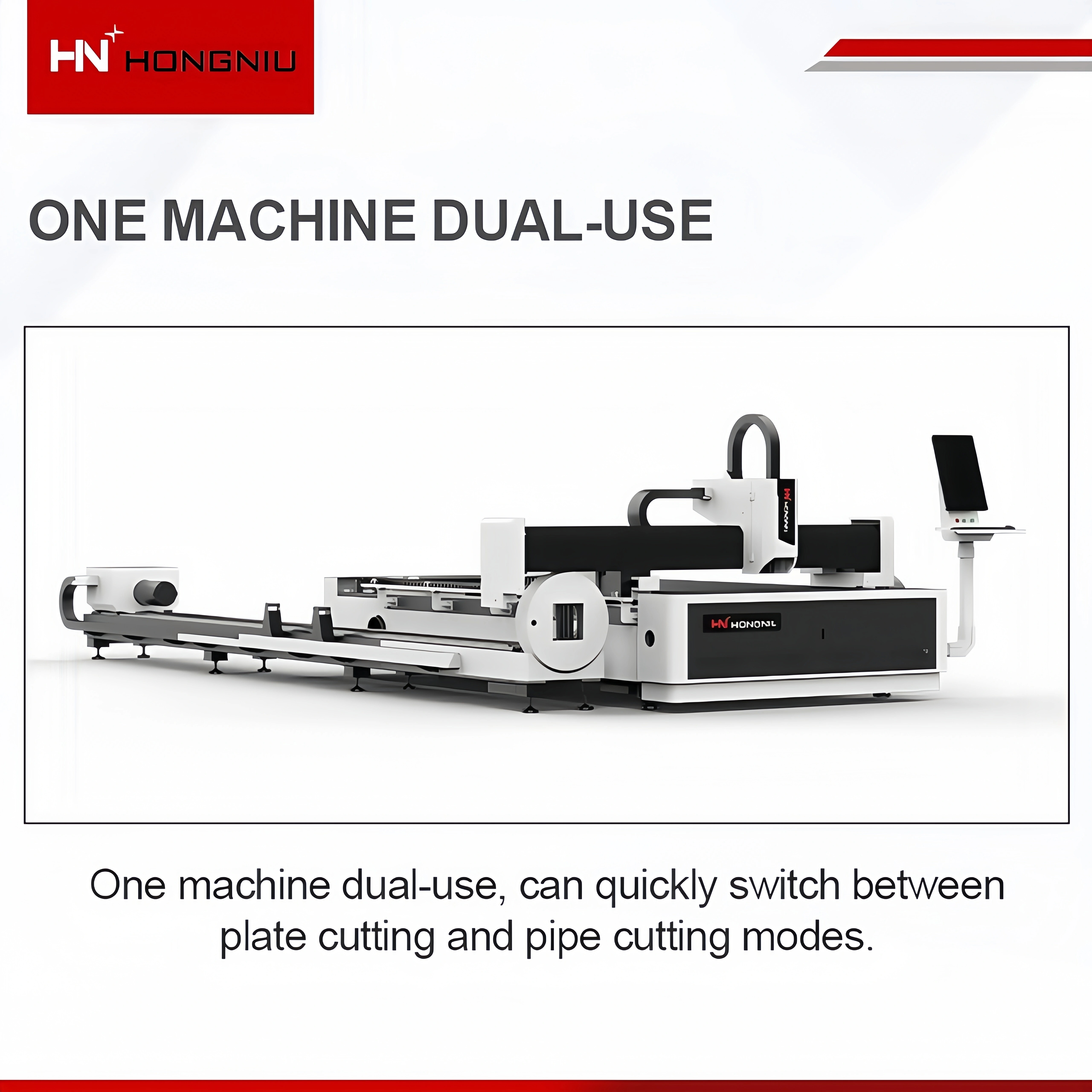
When manufacturing professionals need precise metal cutting solutions, the choice between a laser metal cutting machine and waterjet cutting technology represents a critical decision that impacts production efficiency, cost structure, and part quality. Both technologies offer distinct advantages for metal fabrication, yet understanding their fundamental differences in cutting mechanisms, material compatibility, and operational requirements is essential for selecting the optimal solution for specific manufacturing applications.
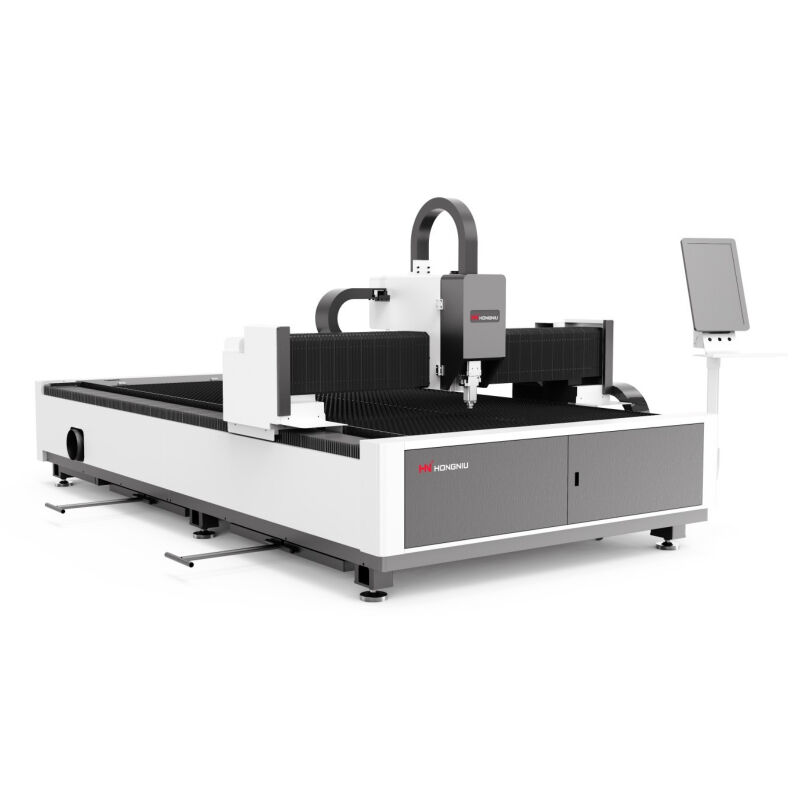
The fundamental distinction between laser metal cutting machine technology and waterjet cutting lies in their energy delivery methods and material interaction principles. A laser metal cutting machine utilizes focused light energy to create thermal cutting processes, while waterjet systems employ high-pressure water streams mixed with abrasive particles to achieve material removal through mechanical erosion. These contrasting approaches create unique performance profiles that make each technology better suited for different manufacturing scenarios and material specifications.
Cutting Technology Fundamentals
Laser Metal Cutting Machine Operating Principles
A laser metal cutting machine generates a concentrated beam of coherent light energy that rapidly heats the target material to its melting or vaporization point. The focused laser beam creates a narrow kerf width, typically ranging from 0.1mm to 0.5mm, allowing for precise cuts with minimal material waste. Modern fiber laser systems in a laser metal cutting machine can achieve power levels exceeding 30kW, enabling high-speed cutting through thick metal sections while maintaining exceptional edge quality.
The cutting process in a laser metal cutting machine involves simultaneous heating and material removal, where molten metal is expelled from the kerf by assist gas pressure. This thermal process creates heat-affected zones adjacent to the cut edge, which can influence material properties in some applications. However, advanced laser metal cutting machine systems incorporate sophisticated beam control and cooling strategies to minimize thermal effects while maximizing cutting speed and precision.
Assist gas selection in laser metal cutting machine operations significantly impacts cutting performance and edge quality. Oxygen assist gas promotes rapid cutting in carbon steels through exothermic reactions, while nitrogen assist gas prevents oxidation in stainless steels and aluminum alloys. The integration of adaptive beam control and real-time monitoring systems in modern laser metal cutting machine platforms ensures consistent cut quality across varying material thicknesses and compositions.
Waterjet Cutting Technology Mechanics
Waterjet cutting systems operate by pressurizing water to extremely high levels, typically 60,000 to 90,000 PSI, then forcing this high-pressure stream through a small orifice to create a coherent cutting jet. For metal cutting applications, abrasive particles such as garnet are introduced into the water stream, creating an abrasive waterjet that can cut through virtually any material regardless of hardness or thermal properties.
The mechanical cutting action in waterjet systems produces no heat-affected zone, making it ideal for materials sensitive to thermal stress or applications requiring preserved metallurgical properties. The cutting process removes material through erosion rather than melting, resulting in cut edges that maintain the parent material's characteristics throughout the entire thickness. This cold cutting process eliminates concerns about thermal distortion or changes in material microstructure.
Waterjet cutting kerf widths typically range from 0.8mm to 1.5mm, wider than laser cuts but still providing excellent precision for most applications. The cutting speed in waterjet systems depends heavily on material thickness and hardness, with thicker sections requiring proportionally longer cutting times to maintain edge quality and dimensional accuracy.
Material Compatibility and Performance
Laser Metal Cutting Machine Material Capabilities
A laser metal cutting machine excels in processing a wide range of metallic materials, with particular strengths in carbon steels, stainless steels, aluminum alloys, and various specialty metals. The thermal cutting process allows a laser metal cutting machine to achieve exceptional cutting speeds in thin to medium thickness materials, often outperforming other cutting technologies by significant margins in production environments.
Material thickness limitations for a laser metal cutting machine vary by material type and laser power. High-power fiber laser systems can cut carbon steel up to 40mm thickness, stainless steel up to 50mm, and aluminum up to 25mm while maintaining commercial cutting speeds. However, highly reflective materials like copper and brass present challenges for laser metal cutting machine systems, requiring specialized techniques or alternative approaches for optimal results.
The laser metal cutting machine demonstrates superior performance in applications requiring fine detail cutting, small hole production, and intricate geometric features. The narrow kerf width and precise beam control enable tight nesting patterns that maximize material utilization, making laser metal cutting machine technology particularly cost-effective for high-volume production scenarios with complex part geometries.
Waterjet Material Versatility and Limitations
Waterjet cutting technology offers unparalleled material versatility, capable of cutting any material that can be physically eroded, including metals, ceramics, composites, stone, and glass. This universal cutting capability makes waterjet systems valuable in multi-material fabrication environments where a single cutting technology can handle diverse material requirements without tooling changes or process adjustments.
Thickness capabilities in waterjet cutting extend far beyond those achievable with laser systems, with some installations capable of cutting metal sections exceeding 200mm thickness. This thick-section cutting capability, combined with the absence of heat-affected zones, makes waterjet technology essential for applications in aerospace, defense, and heavy industrial sectors where material integrity and dimensional stability are paramount.
Waterjet cutting maintains consistent edge quality regardless of material hardness or composition, making it ideal for cutting hardened steels, exotic alloys, and materials that would be difficult or impossible to process with thermal cutting methods. The mechanical cutting action also eliminates concerns about material contamination or chemical changes that might occur with other cutting processes.
Operational Efficiency and Economic Considerations
Laser Metal Cutting Machine Productivity Advantages
The operational efficiency of a laser metal cutting machine in high-volume production environments stems from exceptional cutting speeds and minimal secondary processing requirements. Modern fiber laser systems can achieve cutting speeds exceeding 30 meters per minute in thin sheet materials, enabling rapid part production that translates directly to reduced manufacturing costs and shorter lead times.
Setup and programming efficiency in laser metal cutting machine operations contributes significantly to overall productivity. Advanced nesting software optimizes material utilization while minimizing cutting path length, and automated loading systems can reduce operator intervention to maintain continuous production cycles. The rapid piercing capability of a laser metal cutting machine also minimizes non-productive time when processing parts with multiple features or complex internal cutouts.
Energy consumption in modern laser metal cutting machine systems has improved dramatically with the adoption of fiber laser technology, achieving wall-plug efficiency levels approaching 40%. This high electrical efficiency, combined with reduced compressed air and assist gas consumption, results in lower operating costs compared to previous generation CO2 laser systems or alternative cutting technologies.
Waterjet Operating Cost Structure
Waterjet cutting operational costs are dominated by consumable expenses, primarily high-pressure water consumption, abrasive material usage, and replacement parts for the cutting head assembly. Abrasive costs typically represent 20-30% of total operating expenses, making material selection and recycling systems important considerations for cost optimization in waterjet operations.
Maintenance requirements for waterjet systems include regular replacement of high-pressure components, orifice jewels, and focusing tubes, with maintenance intervals varying based on operating pressure, cutting hours, and water quality. Proper filtration and water treatment systems are essential for maximizing component life and maintaining consistent cutting performance in waterjet installations.
The slower cutting speeds inherent in waterjet technology result in higher per-part processing times compared to laser systems, particularly in thin material applications. However, the ability to stack-cut multiple parts simultaneously and the elimination of secondary finishing operations can offset some productivity disadvantages in specific manufacturing scenarios.
Quality Characteristics and Edge Finish
Laser Cut Edge Quality and Characteristics
Edge quality from a laser metal cutting machine varies with cutting parameters, material type, and thickness, but generally produces smooth, precise cuts with minimal surface roughness. The thermal cutting process creates a characteristic striped surface finish with striation patterns that are typically acceptable for most industrial applications without additional finishing operations.
Heat-affected zones in laser metal cutting machine operations extend approximately 0.1-0.5mm from the cut edge, depending on material type and cutting parameters. While this thermal effect can influence material properties near the cut edge, proper parameter optimization and post-process treatments can minimize any negative impacts on part performance or subsequent manufacturing operations.
Dimensional accuracy from a laser metal cutting machine typically achieves tolerances within ±0.05mm for most applications, with positioning accuracy often exceeding ±0.02mm. The narrow kerf width and precise beam control enable tight tolerance machining that often eliminates the need for secondary finishing operations, contributing to overall manufacturing efficiency and cost reduction.
Waterjet Cut Quality and Surface Characteristics
Waterjet cutting produces exceptionally smooth edge finishes with surface roughness values often better than 1.6μm Ra, approaching the quality levels achieved by conventional machining operations. The mechanical cutting action creates uniform surface characteristics throughout the entire material thickness, eliminating the taper and roughness variations common in other cutting processes.
The absence of heat-affected zones in waterjet cutting preserves the original material properties right up to the cut edge, making it ideal for applications where metallurgical integrity is critical. This characteristic is particularly valuable in aerospace and medical device manufacturing where material certification and traceability requirements mandate minimal alteration of base material properties.
Dimensional accuracy in waterjet cutting typically achieves tolerances within ±0.025-0.075mm, with the ability to hold tighter tolerances through proper machine calibration and cutting parameter optimization. The consistent kerf width and minimal beam deflection enable predictable dimensional control that simplifies programming and reduces setup time for precision components.
FAQ
Which cutting technology is faster for metal fabrication applications?
A laser metal cutting machine typically provides significantly faster cutting speeds compared to waterjet systems, particularly in thin to medium thickness materials. Laser cutting speeds can exceed 30 meters per minute in thin sheet metal, while waterjet cutting speeds are generally measured in millimeters per minute. However, waterjet systems can maintain consistent cutting speeds regardless of material hardness, whereas laser metal cutting machine performance varies with different alloy compositions and thermal properties.
Can both technologies cut the same material thicknesses effectively?
Material thickness capabilities differ significantly between these technologies. A laser metal cutting machine excels in materials up to 40-50mm thickness depending on the material type, while waterjet systems can cut materials exceeding 200mm thickness. For applications requiring thick section cutting, waterjet technology provides superior capability, whereas a laser metal cutting machine offers optimal performance in thin to medium thickness applications where speed and efficiency are priorities.
How do operating costs compare between laser and waterjet cutting systems?
Operating cost structures vary considerably between these technologies. A laser metal cutting machine typically has lower per-hour operating costs due to high electrical efficiency and minimal consumable requirements beyond assist gases. Waterjet systems have higher consumable costs due to abrasive material usage and high-pressure component replacement, but may achieve lower per-part costs in thick material applications where laser cutting becomes impractical or inefficient.
Which technology provides better edge quality for precision applications?
Edge quality characteristics differ based on application requirements. Waterjet cutting produces superior surface finishes with no heat-affected zones, making it ideal for applications requiring preserved material properties and exceptional surface quality. A laser metal cutting machine provides excellent edge quality with minimal finishing requirements for most applications, though thermal effects may influence material properties near the cut edge. The choice depends on specific quality requirements, material sensitivity, and subsequent processing needs.