 EN
EN

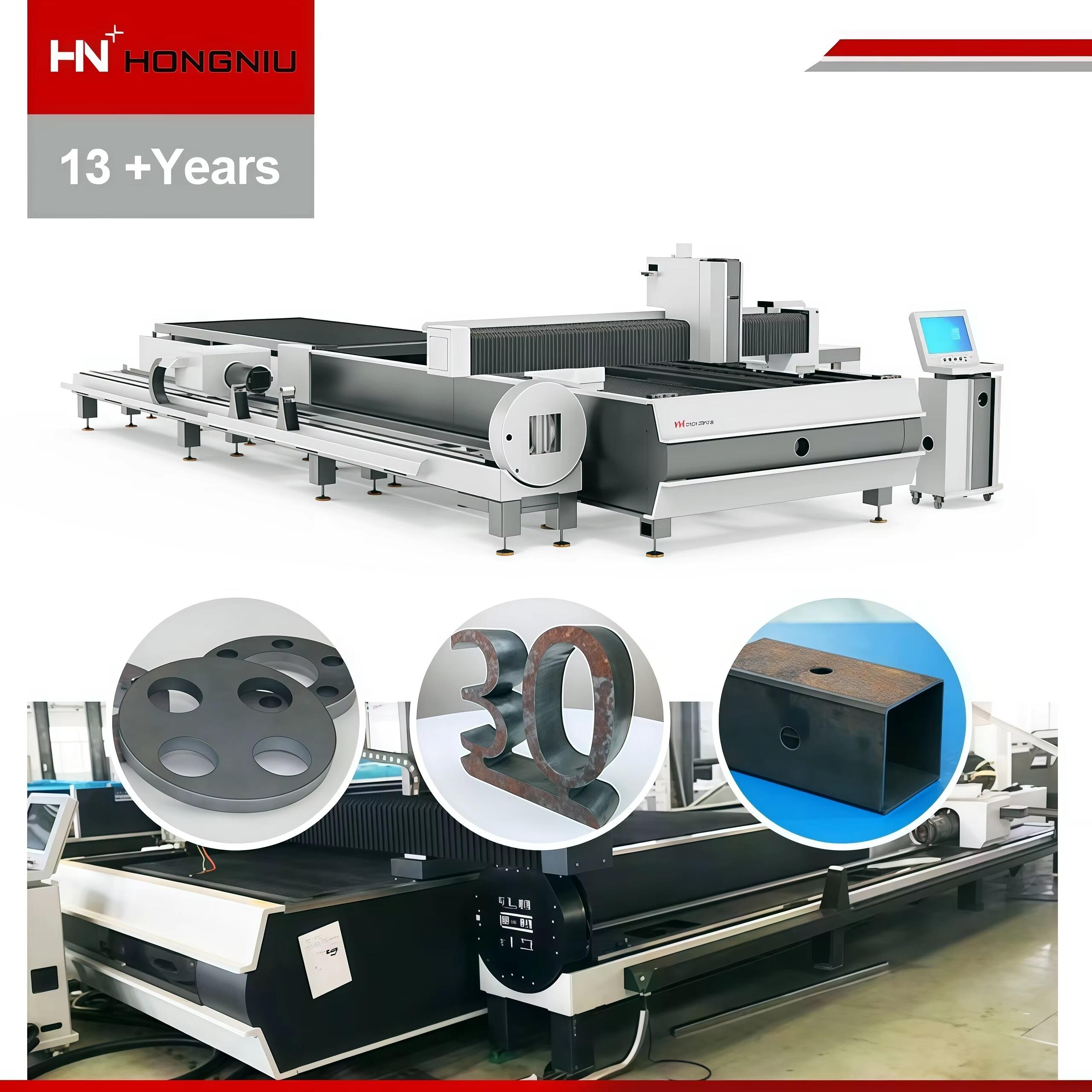
Selecting the right industrial machinery requires a deep understanding of technical boundaries. If you are in the market for a metal laser cutter, one of the most critical questions you will face is: "What is the maximum thickness this machine can handle?" The answer is not a single number but a variable influenced by laser source power, material density, and auxiliary gas selection.
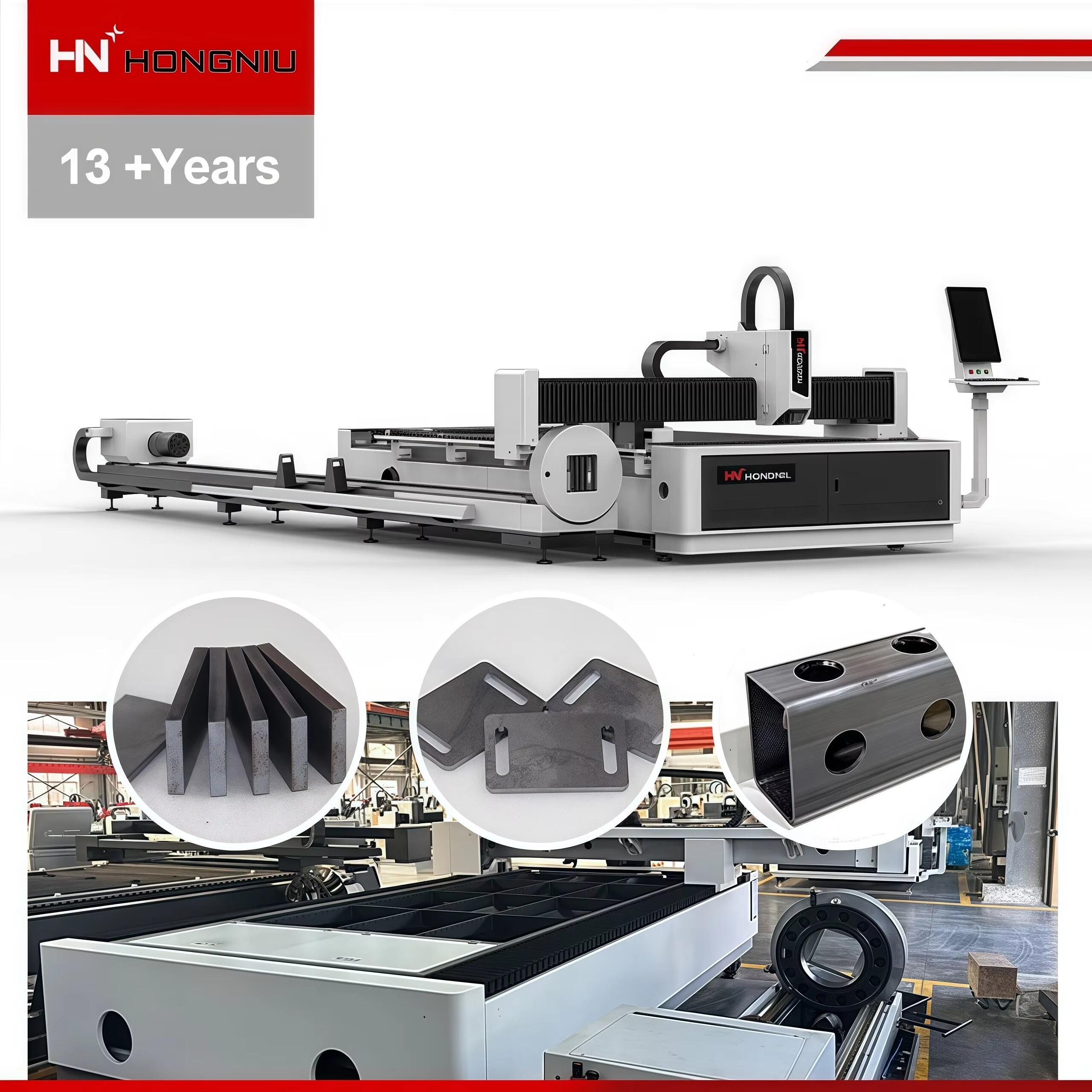
The evolution of fiber laser technology has dramatically pushed the limits of what a metal laser cutter can achieve. While older CO2 systems struggled with reflective metals, modern fiber lasers excel at piercing through thick plates with extreme precision. For B2B manufacturers, understanding these limits is essential for optimizing production lines and ensuring that the chosen equipment meets the specific demands of heavy-duty industrial applications.
The Correlation Between Power and Piercing Depth
The primary determinant of thickness capacity is the wattage of the laser source. In the industrial sector, power typically ranges from 1kW to over 40kW. A higher wattage doesn't just mean faster cutting; it translates directly to the ability to penetrate denser materials. For instance, a 3kW metal laser cutter might struggle with carbon steel over 20mm, whereas a 12kW system can glide through it with a clean edge finish.
Material type also plays a pivotal role. Carbon steel is generally the easiest to cut because the oxygen used as an assist gas creates an exothermic reaction, adding heat to the process. Conversely, stainless steel and aluminum require more power because they are cut using nitrogen or air to prevent oxidation, relying solely on the laser's raw thermal energy to melt the metal.
Standard Thickness Capacity by Power Rating
The following table provides a general benchmark for thickness limits across common industrial metals based on the output of a professional metal laser cutter.
| Laser Power (Watts) | Carbon Steel (mm) | Stainless Steel (mm) | Aluminum (mm) | Brass/Copper (mm) |
| 1,000W (1kW) | 6 – 10 mm | 3 – 5 mm | 2 – 3 mm | 2 mm |
| 3,000W (3kW) | 16 – 20 mm | 8 – 10 mm | 6 – 8 mm | 4 – 6 mm |
| 6,000W (6kW) | 22 – 25 mm | 14 – 16 mm | 12 – 14 mm | 8 – 10 mm |
| 12,000W (12kW) | 35 – 45 mm | 25 – 35 mm | 20 – 30 mm | 12 – 15 mm |
| 20,000W (20kW) | 50 – 70 mm | 40 – 50 mm | 40 – 50 mm | 15 – 20 mm |
Technical Factors Influencing Edge Quality at Maximum Thickness
Reaching the maximum rated thickness of a machine does not always guarantee a production-ready result. When a metal laser cutter operates at its absolute limit, several physical factors influence the final quality of the workpiece. The "kerf" or width of the cut tends to increase as the material gets thicker, which can impact the dimensional accuracy of intricate parts.
Focus position is another critical technicality. For thin sheets, the laser focus is usually on or slightly above the surface. However, for thick plate processing, the focus must be moved deeper into the material to ensure the energy density is sufficient to maintain a consistent melt pool throughout the entire depth of the metal. If the focus is improperly calibrated, the bottom of the cut may exhibit heavy dross or slag, requiring extensive post-processing.
The choice of assist gas—Oxygen, Nitrogen, or Compressed Air—further dictates the outcome. Oxygen is the standard for thick carbon steel as it facilitates faster cutting through combustion, but it leaves an oxide layer that must be removed before painting or welding. Nitrogen is preferred for stainless steel to maintain corrosion resistance and a bright, burr-free edge, though it requires significantly higher pressure and power to clear the molten metal from the cut path.
Industrial Applications and Scenario-Based Limits
The practical application of a metal laser cutter often dictates the necessary thickness capacity. In the automotive and sports equipment industries, where components like ball-joint housings or structural frames are manufactured, the focus is typically on high-speed processing of medium-thickness materials (3mm to 10mm). In these scenarios, a 3kW to 6kW machine is the industry standard, balancing energy efficiency with sufficient piercing power.
In contrast, heavy industrial manufacturing—such as the production of large-scale wire bending machines, welding system frames, or industrial metal detectors—requires the ability to handle much thicker structural plates. For these applications, high-power fiber lasers (12kW and above) are utilized to ensure that thick-walled steel can be cut with the same geometric precision as thin sheet metal. This capability allows manufacturers to eliminate traditional machining steps, such as milling or drilling, by achieving high-tolerance holes and contours directly on the laser bed.
Precision also remains a factor in specialized hardware production, such as mold components or heavy-duty fasteners. Even when cutting at the upper limits of 20mm or 30mm, a well-calibrated fiber laser maintains a repeatable accuracy that mechanical shearing or plasma cutting cannot match. This makes it the preferred choice for B2B firms looking to upgrade their fabrication capabilities for complex industrial assemblies.
Maintenance and Longevity When Cutting Thick Materials
Consistently pushing a metal laser cutter to its maximum thickness capacity can accelerate the wear on certain components. The protective windows and nozzles are under higher thermal stress during long piercing cycles on thick plates. To maintain peak performance, operators must implement a rigorous maintenance schedule, ensuring that the optical path remains pristine and the nozzle geometry is not deformed by heat feedback.
Advancements in "Smart Piercing" technology have mitigated some of these risks. Modern CNC systems can now detect when a laser has successfully breached a thick plate, immediately transitioning from piercing mode to cutting mode. This prevents excessive heat buildup and protects the machine's cutting head from back-reflection, which is a common cause of damage when processing thick, reflective metals like aluminum or brass.
Frequently Asked Questions (FAQ)
Does a higher wattage always mean a better cut on thin metal?
Not necessarily. While a 12kW machine can cut thin metal extremely fast, the cost of operation and gas consumption may be higher than necessary. For materials under 3mm, a lower wattage machine often provides a more cost-effective solution with comparable edge quality.
Can a metal laser cutter handle galvanized steel?
Yes, fiber lasers are highly effective at cutting galvanized steel. However, because the zinc coating has a different melting point than the inner steel, it can sometimes cause minor "spitting" during the process. Adjusting the frequency and using nitrogen as an assist gas typically yields the best results.
What is the difference between "maximum cutting thickness" and "production cutting thickness"?
Maximum thickness refers to the absolute limit the machine can pierce and separate. Production thickness is the range where the machine can maintain high speed, consistent edge quality, and long-term reliability. Usually, the production limit is about 80% of the maximum limit.
Why is nitrogen used for stainless steel instead of oxygen?
Nitrogen is an inert gas that prevents oxidation. When cutting stainless steel, using nitrogen ensures the edges remain shiny and do not turn black, which is vital for maintaining the material’s aesthetic and anti-corrosive properties.
Can I cut copper and brass with any metal laser cutter?
Reflective metals like copper and brass require a fiber laser. Older CO2 lasers can be damaged by the beam reflecting back into the resonator. Fiber lasers are designed to handle these reflections safely, though they still require higher power densities compared to carbon steel.
