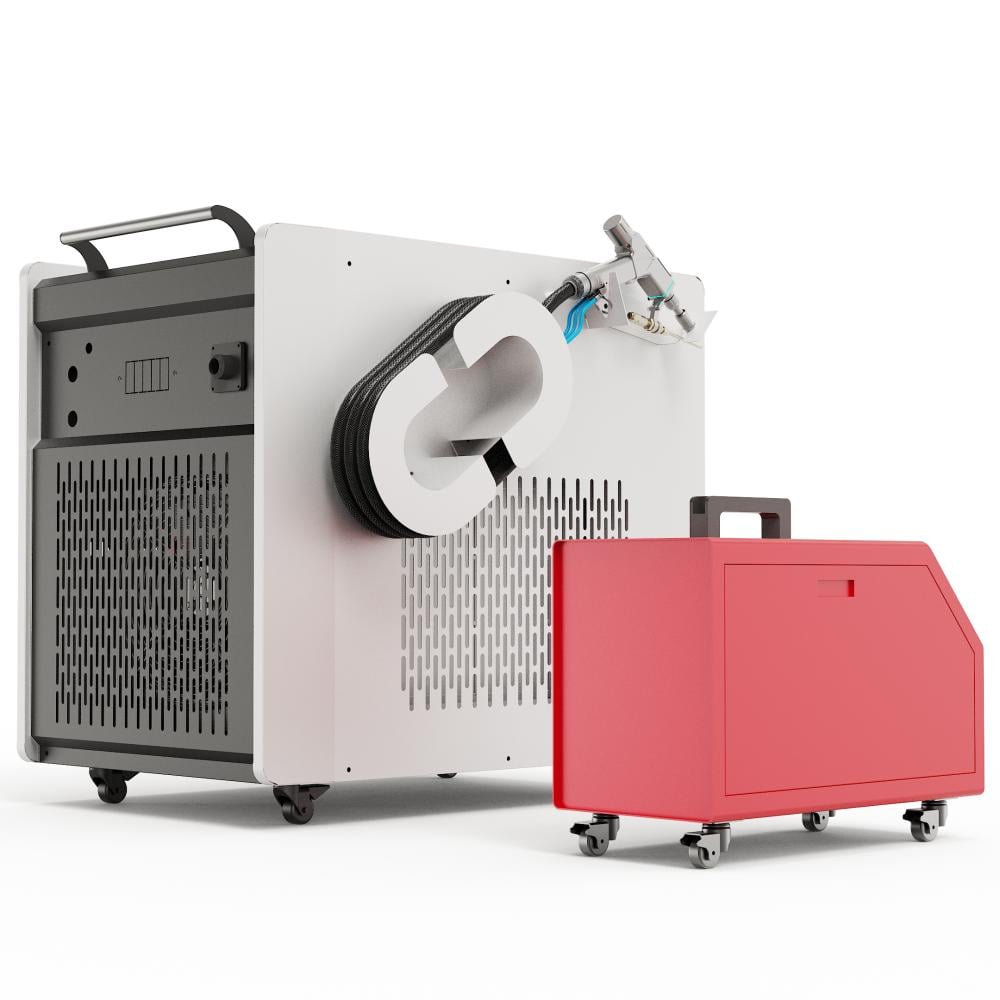
Professional Large Laser Cutting Machine Solutions - Precision Industrial Cutting Systems

Get a Free Quote

Our representative will contact you soon.
Email
Name
WhatsApp
Company Name
Message
0/1000

large laser cutting machine

A large laser cutting machine represents a sophisticated industrial solution designed to handle substantial materials and complex cutting operations across diverse manufacturing environments. These powerful systems utilize concentrated laser beams to precisely cut through various materials including thick metals, composites, and specialty alloys that smaller machines cannot effectively process. The primary function of a large laser cutting machine centers on delivering exceptional cutting capabilities for oversized workpieces while maintaining remarkable precision and speed throughout extended production runs. Modern large laser cutting machines incorporate advanced fiber laser technology, which generates intense light beams through optical fibers, creating cleaner cuts with minimal heat-affected zones compared to traditional cutting methods. The technological architecture features sophisticated CNC control systems that enable operators to program intricate cutting patterns, manage multiple cutting heads simultaneously, and execute complex three-dimensional cutting operations. These machines typically accommodate workpiece dimensions exceeding 4000mm by 2000mm, with some industrial models handling materials up to 8000mm in length. The cutting thickness capability varies based on material type, with steel cutting depths reaching 25-40mm and aluminum processing extending to 20-30mm thickness ranges. Applications span numerous industries including aerospace manufacturing, shipbuilding, heavy machinery production, architectural metalwork, and automotive component fabrication. Large laser cutting machines excel in processing structural steel beams, pressure vessel components, industrial equipment housings, and custom fabricated parts requiring precise dimensional accuracy. The versatility extends to cutting various material grades, from standard carbon steels to specialized stainless steel alloys, titanium, and advanced composite materials. Integration capabilities allow seamless connection with material handling systems, automated loading mechanisms, and downstream processing equipment, creating comprehensive manufacturing workflows that maximize productivity while minimizing manual intervention requirements throughout the production cycle.

New Product Recommendations

Large laser cutting machines deliver transformative benefits that revolutionize manufacturing operations and enhance competitive positioning across multiple industry sectors. The exceptional cutting precision achieved by these systems eliminates secondary finishing operations, reducing production costs and accelerating delivery timelines for critical projects. Unlike conventional cutting methods that generate substantial material waste through wide kerf widths, large laser cutting machines create narrow, precise cuts that maximize material utilization rates and significantly reduce raw material consumption costs. The automated operation capabilities enable continuous production runs with minimal operator supervision, allowing manufacturers to maintain consistent output levels while reducing labor costs and minimizing human error risks throughout complex cutting sequences. Energy efficiency represents another compelling advantage, as modern large laser cutting machines consume substantially less power compared to plasma cutting systems or mechanical cutting alternatives while delivering superior edge quality and dimensional accuracy. The versatility advantage becomes apparent when processing diverse material types and thicknesses within a single production setup, eliminating the need for multiple specialized cutting systems and reducing equipment investment requirements. Speed advantages manifest through rapid cutting velocities that can exceed 20 meters per minute on thin materials while maintaining exceptional edge quality, enabling manufacturers to meet aggressive production schedules and respond quickly to changing customer demands. The non-contact cutting process eliminates tool wear issues that plague mechanical cutting systems, resulting in consistent cutting quality throughout extended production runs without costly tool replacement interruptions. Quality consistency emerges as a critical advantage, with large laser cutting machines producing identical parts batch after batch, ensuring tight tolerances and reducing quality control requirements. Environmental benefits include cleaner cutting processes that generate minimal smoke, reduced noise levels compared to mechanical alternatives, and elimination of cutting fluids or coolants that require disposal. The flexibility advantage enables quick changeovers between different cutting programs, allowing manufacturers to process small custom orders alongside high-volume production runs without significant setup time penalties. Integration advantages facilitate seamless connection with existing manufacturing systems, enabling automated material flow and reducing manual handling requirements that can introduce quality variations or safety risks.

Practical Tips

Why Fiber Laser Technology Is Dominating Industrial Manufacturing?

05

Dec

Why Fiber Laser Technology Is Dominating Industrial Manufacturing?

Industrial manufacturing has witnessed a revolutionary transformation with the emergence of fiber laser technology as the leading cutting-edge solution. This advanced manufacturing approach has fundamentally changed how industries approach precision ...
View More
How Does a Laser Cutting Machine Improve Cutting Accuracy?

11

Dec

How Does a Laser Cutting Machine Improve Cutting Accuracy?

Manufacturing industries worldwide are continuously seeking technologies that deliver superior precision, efficiency, and cost-effectiveness. Among these innovations, the laser cutting machine stands out as a revolutionary tool that has transformed h...
View More
What Makes a CNC Laser Cutting Machine More Efficient?

23

Dec

What Makes a CNC Laser Cutting Machine More Efficient?

Industrial manufacturing demands precision, speed, and cost-effectiveness in every production process. A CNC laser cutting machine represents the pinnacle of modern fabrication technology, delivering unmatched accuracy and efficiency in metal process...
View More
What to Consider When Buying a Laser Cutting Machine?

06

Jan

What to Consider When Buying a Laser Cutting Machine?

Investing in a laser cutting machine represents a significant decision for manufacturers seeking precision, efficiency, and versatility in their production processes. The technology has revolutionized manufacturing across industries, from automotive ...
View More

Get a Free Quote

Our representative will contact you soon.
Email
Name
WhatsApp
Company Name
Message
0/1000

large laser cutting machine

Superior Material Processing Capabilities for Heavy-Duty Applications

Superior Material Processing Capabilities for Heavy-Duty Applications

The large laser cutting machine demonstrates unparalleled material processing capabilities that extend far beyond conventional cutting system limitations, enabling manufacturers to tackle challenging projects involving thick metals and oversized components with exceptional precision and reliability. This advanced capability stems from high-powered laser sources that can generate sufficient energy density to cleanly cut through materials exceeding 40mm thickness in steel applications, while maintaining smooth edge finishes that eliminate costly secondary machining operations. The expanded working envelope accommodates massive workpieces measuring up to 8000mm in length and 3000mm in width, providing the flexibility needed for architectural metalwork, shipbuilding components, and large industrial equipment fabrication. Unlike traditional cutting methods that struggle with thick materials and often produce rough, oxidized edges requiring extensive finishing work, the large laser cutting machine delivers consistently smooth cuts with minimal heat-affected zones, preserving material properties and reducing distortion risks that can compromise part quality. The multi-axis cutting capability enables complex three-dimensional cutting operations, including beveled edges, angled cuts, and intricate geometries that would be impossible or extremely time-consuming using conventional cutting techniques. This versatility proves particularly valuable in aerospace applications where complex bracket designs, structural components, and specialized fittings require precise angular cuts and tight tolerance maintenance. The advanced beam delivery system maintains consistent cutting quality across the entire working envelope, ensuring that parts cut from different areas of large sheets maintain identical dimensional accuracy and edge quality characteristics. Material handling integration allows processing of heavy plates and structural sections weighing several tons, with automated loading and unloading systems that eliminate manual handling risks while maintaining production efficiency. The thermal management system prevents warping and distortion issues commonly associated with thick material cutting, utilizing controlled heat input and optimized cutting parameters that preserve material flatness and dimensional stability throughout the cutting process.
Advanced Automation and Smart Manufacturing Integration

Advanced Automation and Smart Manufacturing Integration

The large laser cutting machine incorporates sophisticated automation technologies and smart manufacturing capabilities that transform traditional fabrication operations into highly efficient, data-driven production environments capable of delivering unprecedented productivity gains and quality consistency. The integrated CNC control system features advanced programming capabilities that enable complex nesting optimization, automatically arranging parts within raw material sheets to maximize material utilization while minimizing waste generation and reducing per-part material costs. Real-time monitoring systems continuously track cutting parameters, material conditions, and system performance metrics, providing operators with comprehensive visibility into production status and enabling proactive maintenance scheduling that prevents unexpected downtime events. The automated material handling system seamlessly manages heavy plates and oversized sheets, utilizing precision positioning mechanisms and load-balancing technologies that ensure accurate part placement while eliminating manual handling risks and reducing operator fatigue during extended production runs. Machine learning algorithms analyze historical cutting data to optimize processing parameters automatically, adjusting laser power, cutting speed, and assist gas flow rates based on material type, thickness, and desired edge quality requirements, resulting in consistent part quality and reduced operator skill requirements. The smart factory integration capabilities enable seamless communication with enterprise resource planning systems, manufacturing execution systems, and quality management platforms, providing real-time production data that supports informed decision-making and enables rapid response to changing customer requirements. Remote monitoring and diagnostic capabilities allow technical support teams to access machine performance data remotely, enabling quick troubleshooting, preventive maintenance scheduling, and parameter optimization without requiring on-site visits, reducing service costs and minimizing production interruptions. The predictive maintenance system analyzes component wear patterns, operational hours, and performance trends to predict potential maintenance requirements before failures occur, enabling scheduled maintenance during planned downtime periods rather than unexpected production interruptions. Quality assurance integration includes automated dimensional verification systems that measure critical part dimensions during the cutting process, ensuring compliance with specified tolerances and reducing downstream quality control requirements while maintaining comprehensive traceability documentation for regulatory compliance and customer quality requirements.
Cost-Effective Operation and Long-Term Value Creation

Cost-Effective Operation and Long-Term Value Creation

The large laser cutting machine delivers exceptional cost-effectiveness and long-term value creation through multiple operational advantages that significantly reduce total ownership costs while enhancing manufacturing capabilities and competitive positioning in demanding market environments. The elimination of consumable cutting tools represents a fundamental cost advantage, as the non-contact laser cutting process experiences no physical tool wear, eliminating ongoing tool replacement costs, tool inventory management requirements, and production interruptions associated with tool changes that plague mechanical cutting systems. Energy efficiency optimization reduces operational costs through advanced laser source technologies that convert electrical energy into cutting power more efficiently than traditional cutting methods, while intelligent power management systems automatically adjust energy consumption based on cutting requirements, reducing utility costs during both active cutting and standby periods. The reduced material waste achieved through narrow kerf widths and optimized nesting capabilities directly translates to lower raw material costs per finished part, with typical material utilization improvements ranging from 15-25 percent compared to conventional cutting methods, generating substantial cost savings on expensive specialty alloys and high-grade materials. Labor cost reductions emerge from automated operation capabilities that enable single-operator management of multiple cutting processes, while integrated material handling systems eliminate manual lifting and positioning requirements that traditionally required multiple workers for heavy material processing. The consistent part quality and tight tolerance maintenance capabilities reduce downstream processing requirements, eliminating secondary machining operations, grinding, and finishing work that add cost and extend production lead times, while the superior edge quality often meets final part specifications without additional processing. Maintenance cost advantages include simplified maintenance requirements with fewer moving parts compared to mechanical cutting systems, reduced component replacement frequency, and predictive maintenance capabilities that enable scheduled maintenance during planned downtime periods rather than costly emergency repairs. The versatility advantage enables processing diverse material types and thicknesses within a single system, eliminating the need for multiple specialized cutting machines and reducing equipment investment, facility space requirements, and operator training costs. Quality consistency reduces scrap rates and rework requirements, while the ability to cut complex geometries in single operations eliminates assembly costs and reduces part count in finished products, contributing to overall manufacturing cost reductions and improved profit margins across diverse production applications.

Get a Free Quote

Our representative will contact you soon.
Email
Name
WhatsApp
Company Name
Message
0/1000