 EN
EN

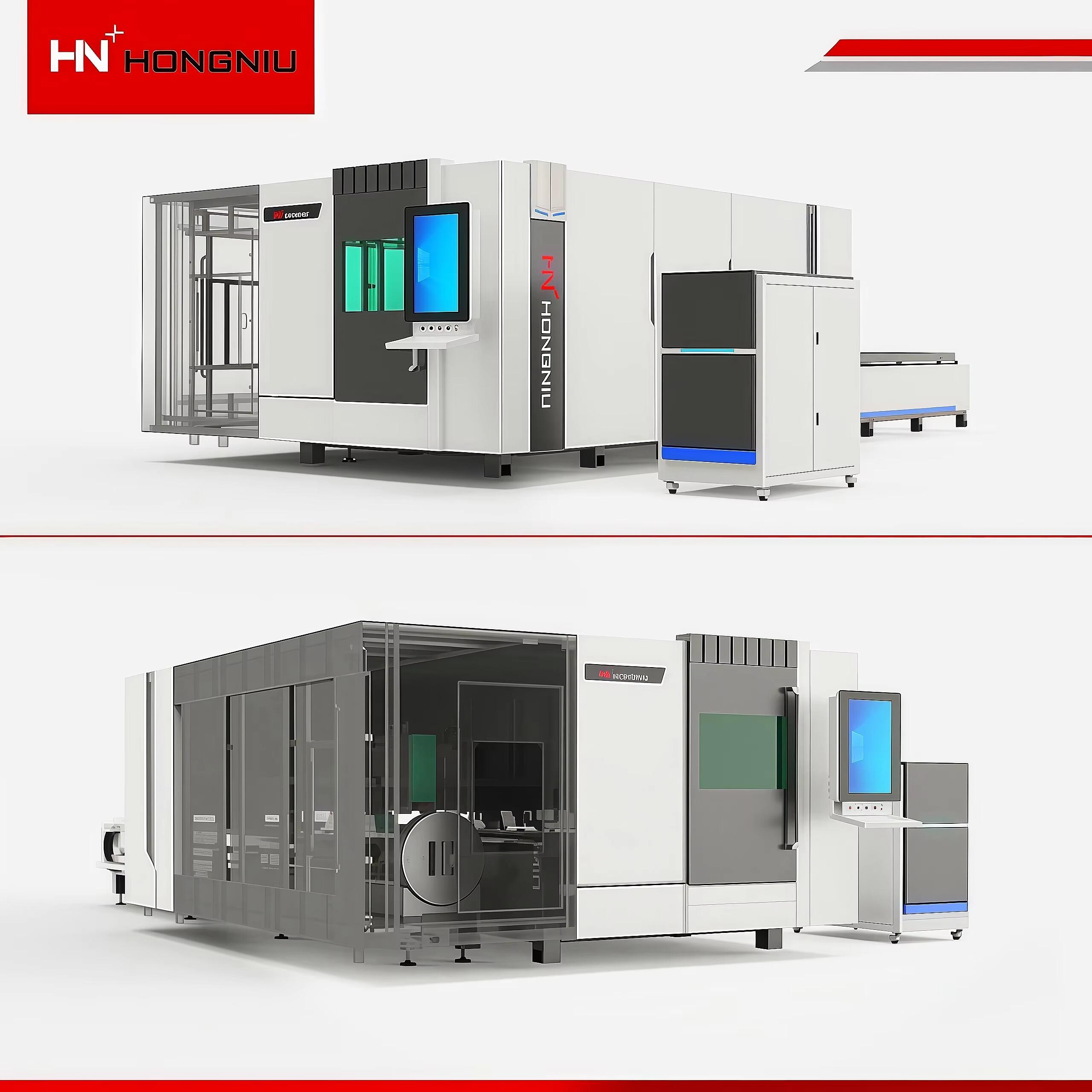
The precision demands of modern manufacturing have reached unprecedented levels, particularly in industries where tolerances measured in microns can determine product quality and operational success. Traditional cutting methods, while functional, often fall short when businesses require consistently accurate results across diverse materials and complex geometries. This growing need for enhanced precision has positioned laser for cutting machine technology as a transformative solution, fundamentally changing how manufacturers approach material processing and fabrication.
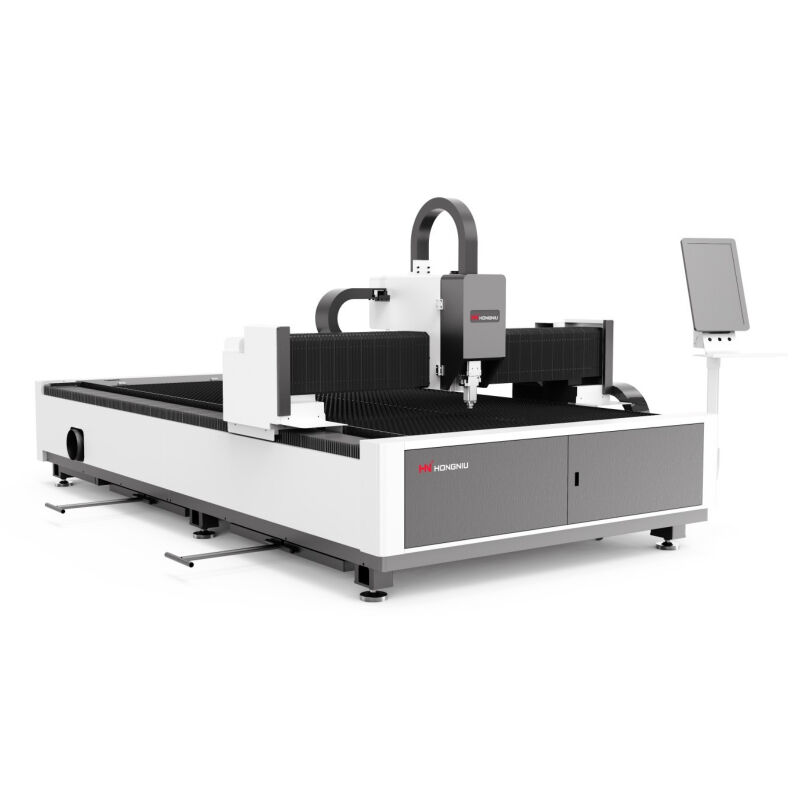
Understanding why laser for cutting machine systems deliver superior precision requires examining the underlying physics and engineering principles that distinguish this technology from conventional cutting approaches. The concentrated energy beam, precise computer control, and minimal mechanical contact create conditions that naturally eliminate many sources of error found in traditional methods. These factors combine to produce cutting results that consistently meet the stringent accuracy requirements of aerospace, medical device manufacturing, electronics production, and other precision-critical industries.
Physical Principles Behind Laser Cutting Precision
Concentrated Energy Beam Characteristics
The fundamental reason laser for cutting machine technology achieves exceptional precision lies in the nature of laser light itself. Unlike conventional cutting tools that rely on physical contact and mechanical force, laser beams consist of coherent, monochromatic photons traveling in parallel paths. This coherence allows the energy to be focused into an extremely small spot, typically measuring between 0.1 to 0.5 millimeters in diameter, creating energy densities that can exceed one million watts per square centimeter.
This concentrated energy delivery enables the laser for cutting machine to vaporize material along precisely defined paths without affecting surrounding areas. The heat-affected zone remains minimal, typically extending only 0.1 to 0.5 millimeters from the cut edge, compared to several millimeters with plasma cutting or flame cutting. This localized heating prevents material distortion and maintains dimensional accuracy throughout the cutting process.
The wavelength characteristics of different laser types further enhance precision capabilities. Fiber lasers operating at 1064 nanometers provide excellent absorption rates in metals, while CO2 lasers at 10.6 micrometers effectively process non-metallic materials. This wavelength-material interaction optimization ensures efficient energy transfer and consistent cutting quality across different material types.
Beam Delivery and Control Mechanisms
Modern laser for cutting machine systems employ sophisticated beam delivery mechanisms that maintain precision throughout the cutting process. High-quality optical components, including mirrors and lenses with surface accuracies measured in fractions of wavelengths, ensure that beam quality remains consistent from the laser source to the workpiece. These optical elements are precisely aligned and maintained at optimal temperatures to prevent thermal distortion that could affect cutting accuracy.
The beam focusing system represents another critical precision factor. Precision-ground focusing lenses create stable focal points with consistent spot sizes, while autofocus systems continuously adjust the focal position relative to the material surface. This dynamic focusing capability ensures optimal energy density regardless of material thickness variations or surface irregularities, maintaining consistent cut quality throughout the process.
Advanced beam shaping technologies, such as ring mode lasers and beam oscillation systems, further enhance precision by creating more uniform energy distributions within the focused beam. These innovations reduce edge roughness and improve dimensional accuracy, particularly when processing thick materials or challenging alloys that traditionally required multiple passes or finishing operations.
Computer-Controlled Positioning Systems
High-Precision Motion Control
The precision advantages of laser for cutting machine technology extend beyond the laser beam itself to encompass the sophisticated motion control systems that guide the cutting process. Modern systems utilize linear motors and high-resolution encoders that provide positioning accuracies within ±0.01 millimeters, ensuring that the laser beam follows programmed paths with exceptional fidelity. These servo-driven systems eliminate backlash and mechanical play that plague traditional cutting machines.
Advanced motion controllers process thousands of position updates per second, continuously adjusting velocity and acceleration profiles to maintain optimal cutting conditions. This real-time control prevents the speed variations and path deviations that can introduce dimensional errors in mechanically driven systems. The result is smooth, consistent motion that translates directly into improved part accuracy and surface finish quality.
Multi-axis coordination in laser for cutting machine systems enables complex three-dimensional cutting operations while maintaining precision across all movement planes. Synchronized motion control algorithms ensure that all axes work together harmoniously, preventing the cumulative errors that can occur when multiple positioning systems operate independently. This coordination capability is essential for applications requiring precise angular cuts, bevels, or complex geometric features.
Programmable Cutting Parameters
The precision benefits of laser for cutting machine technology are amplified by comprehensive parameter control capabilities that allow optimization for specific materials and cutting requirements. Laser power, cutting speed, pulse frequency, and gas flow rates can be precisely controlled and varied throughout the cutting process to maintain optimal conditions for different material thicknesses, compositions, and geometric features.
Adaptive control systems monitor cutting conditions in real-time and automatically adjust parameters to compensate for material variations or changing conditions. These systems can detect when optimal cutting conditions drift and make immediate corrections, preventing the accumulation of errors that might otherwise compromise part accuracy. This adaptive capability is particularly valuable when processing materials with varying properties or when cutting complex geometries that require different approaches for different sections.
Database-driven parameter management enables laser for cutting machine operators to access proven cutting recipes for thousands of material and thickness combinations. These parameters have been developed through extensive testing and optimization, ensuring consistent results across different jobs and operators. The ability to recall and precisely implement these proven parameters eliminates the guesswork and trial-and-error approaches that can introduce variability in other cutting methods.
Elimination of Mechanical Contact Issues
Tool Wear and Replacement Factors
One of the most significant precision advantages of laser for cutting machine technology stems from the elimination of physical cutting tools that wear, deform, or break during operation. Traditional cutting methods rely on tools that gradually lose their sharpness, change geometry, or develop chips and cracks that directly impact cutting accuracy. These tool condition changes require frequent monitoring, adjustment, and replacement to maintain acceptable precision levels.
In contrast, the laser beam itself never wears out or changes its cutting characteristics. The focused photon beam maintains its energy density and beam quality throughout extended cutting operations, ensuring that the first cut and the thousandth cut achieve identical precision levels. This consistency eliminates the precision degradation cycle that characterizes mechanical cutting processes and reduces the need for constant monitoring and adjustment.
The absence of tool wear also eliminates the dimensional variations that occur as cutting tools gradually change shape through use. Mechanical cutting tools may start with precise geometries but develop wear patterns that alter their cutting action and introduce systematic errors in part dimensions. Laser for cutting machine systems maintain their cutting characteristics indefinitely, providing predictable and repeatable results that support statistical process control and quality assurance programs.
Material Deformation Prevention
Mechanical cutting processes inherently introduce forces that can deform workpieces, particularly when processing thin materials or complex geometries. Clamping forces, cutting forces, and vibrations can cause material distortion that results in dimensional inaccuracies and geometric deviations. These mechanical stresses are particularly problematic when cutting delicate materials or parts with high aspect ratios where small forces can produce significant deformations.
Laser for cutting machine technology eliminates these mechanical force issues by cutting through thermal processes rather than mechanical action. The material is melted or vaporized along the cutting path without applying significant mechanical forces to the workpiece. This force-free cutting action prevents the bending, twisting, and distortion that can compromise part accuracy in mechanically intensive cutting processes.
The minimal clamping requirements for laser cutting further reduce deformation sources. Since no cutting forces must be reacted, workpieces can be held with minimal clamping pressure, reducing stress-induced distortions. Advanced laser for cutting machine systems often use vacuum hold-down or minimal contact fixtures that support parts without introducing significant mechanical constraints that could affect dimensional accuracy.
Heat-Affected Zone Control and Material Integrity
Thermal Input Management
The precision advantages of laser for cutting machine systems are closely linked to superior thermal management capabilities that minimize unwanted heating effects in processed materials. Traditional thermal cutting methods, such as plasma or oxy-fuel cutting, introduce significant heat into large areas of the workpiece, causing thermal expansion, distortion, and metallurgical changes that can compromise dimensional accuracy and material properties.
Laser cutting concentrates thermal energy into an extremely narrow zone, typically 0.1 to 0.5 millimeters wide, that moves rapidly along the cutting path. This concentrated heating approach minimizes the total heat input to the part while maximizing cutting efficiency. The rapid traverse speeds possible with laser for cutting machine systems further reduce thermal exposure time, allowing heat to be applied and removed before significant thermal expansion or phase changes can occur in surrounding material.
Advanced pulsed laser technologies provide even greater thermal control by delivering energy in short, controlled bursts rather than continuous streams. This pulsing approach allows heat to dissipate between pulses, reducing overall thermal buildup and maintaining material integrity near the cut edge. The precise control over pulse duration, frequency, and power enables optimization for specific materials and thickness ranges, ensuring minimal thermal impact while maintaining cutting efficiency.
Edge Quality and Dimensional Stability
The superior edge quality achieved by laser for cutting machine technology directly contributes to overall part precision by providing clean, straight cuts that require minimal or no secondary processing. The narrow kerf width, typically 0.1 to 0.3 millimeters, maximizes material utilization while providing precise dimensional control. This narrow kerf also reduces the volume of material that must be removed, minimizing cutting time and thermal input.
The controlled heating and cooling cycles in laser cutting produce cut edges with consistent metallurgical properties and minimal surface roughness. Surface roughness values of Ra 1-3 micrometers are routinely achievable, eliminating the need for grinding or machining operations that could introduce additional dimensional variations. This as-cut surface quality is particularly important for precision applications where secondary operations might compromise tight tolerances or geometric relationships.
The minimal heat-affected zone characteristic of laser for cutting machine systems preserves base material properties near the cut edge, preventing hardness variations, microstructural changes, or residual stress patterns that could affect part performance or dimensional stability. This material integrity preservation is crucial for precision components that must maintain their dimensions and properties throughout their service life.
Repeatability and Process Consistency
Statistical Process Control Capabilities
The precision benefits of laser for cutting machine technology are particularly evident in the superior repeatability and consistency that enables effective statistical process control implementation. Unlike mechanical cutting processes that introduce variability through tool wear, setup variations, and operator influences, laser cutting provides inherently stable and repeatable cutting conditions that produce consistent results across extended production runs.
Process capability studies demonstrate that well-maintained laser for cutting machine systems can achieve Cp and Cpk values exceeding 1.67 for critical dimensions, indicating that the natural process variation is well within specification limits with minimal risk of producing out-of-tolerance parts. This level of process capability enables manufacturers to reduce inspection frequency and implement statistical sampling rather than 100% inspection protocols.
The digital nature of laser cutting processes facilitates comprehensive data collection and analysis that supports continuous improvement initiatives. Cut parameters, motion profiles, and quality measurements can be automatically recorded and analyzed to identify trends, optimize performance, and prevent quality issues before they occur. This data-driven approach to process control is particularly valuable for precision applications where small variations can have significant consequences.
Environmental Factor Independence
Laser for cutting machine systems demonstrate superior resistance to environmental factors that commonly affect the precision of other cutting methods. Temperature variations, humidity changes, and ambient vibrations have minimal impact on laser cutting performance compared to mechanical systems where thermal expansion, material property changes, and dynamic responses can introduce significant variability.
The enclosed design of modern laser cutting systems provides additional protection from environmental influences while maintaining precise control over cutting conditions. Climate control systems maintain optimal operating temperatures for critical components, while vibration isolation prevents external disturbances from affecting cutting accuracy. These controlled environments ensure that laser for cutting machine systems maintain their precision capabilities regardless of external conditions.
Advanced compensation systems can automatically adjust for minor environmental influences that might affect cutting performance. Thermal compensation algorithms adjust for predictable dimensional changes in machine components, while adaptive control systems respond to real-time feedback to maintain optimal cutting conditions. These automated compensation capabilities ensure consistent precision without requiring constant operator intervention or adjustment.
FAQ
How does laser cutting precision compare to traditional mechanical cutting methods?
Laser for cutting machine technology typically achieves positioning accuracies of ±0.01-0.05mm compared to ±0.1-0.5mm for traditional mechanical cutting methods. The absence of tool wear, elimination of cutting forces, and computer-controlled positioning systems enable laser cutting to maintain consistent precision throughout extended production runs, while mechanical methods experience gradual precision degradation as tools wear and machine components develop play.
What factors can affect the precision of laser cutting operations?
The primary factors affecting laser for cutting machine precision include beam quality and focus stability, motion system accuracy and repeatability, material consistency and flatness, proper parameter selection for specific materials, and environmental conditions such as temperature and vibration. Regular maintenance of optical components, calibration of positioning systems, and optimization of cutting parameters help maintain optimal precision levels.
Can laser cutting maintain precision when processing very thick materials?
Modern laser for cutting machine systems can maintain excellent precision even when cutting thick materials, typically up to 25-30mm for steel and 15-20mm for stainless steel, depending on laser power and system configuration. Thick material cutting requires careful optimization of parameters including multiple passes, adjusted focus positions, and specialized gas assist strategies to maintain cut quality and dimensional accuracy throughout the material thickness.
What maintenance is required to preserve laser cutting precision over time?
Maintaining precision in laser for cutting machine systems requires regular cleaning of optical components, periodic calibration of positioning systems, verification of beam alignment and focus position, replacement of assist gas filters and nozzles, and monitoring of cutting parameters through quality control measurements. Preventive maintenance schedules typically include daily optical inspections, weekly positioning accuracy checks, and monthly comprehensive system calibrations to ensure continued precision performance.
Table of Contents
- Physical Principles Behind Laser Cutting Precision
- Computer-Controlled Positioning Systems
- Elimination of Mechanical Contact Issues
- Heat-Affected Zone Control and Material Integrity
- Repeatability and Process Consistency
-
FAQ
- How does laser cutting precision compare to traditional mechanical cutting methods?
- What factors can affect the precision of laser cutting operations?
- Can laser cutting maintain precision when processing very thick materials?
- What maintenance is required to preserve laser cutting precision over time?
