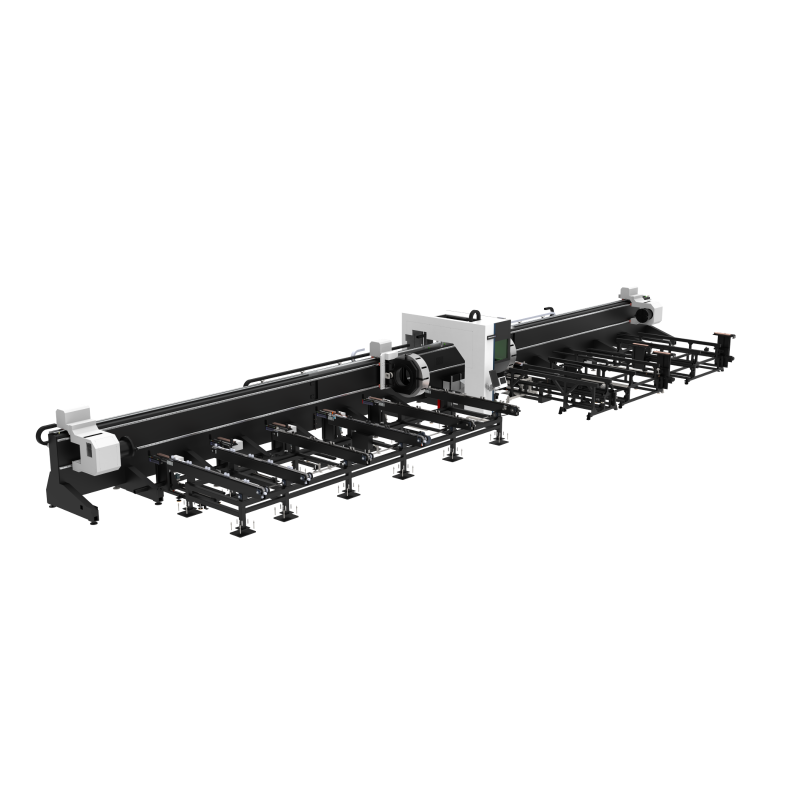
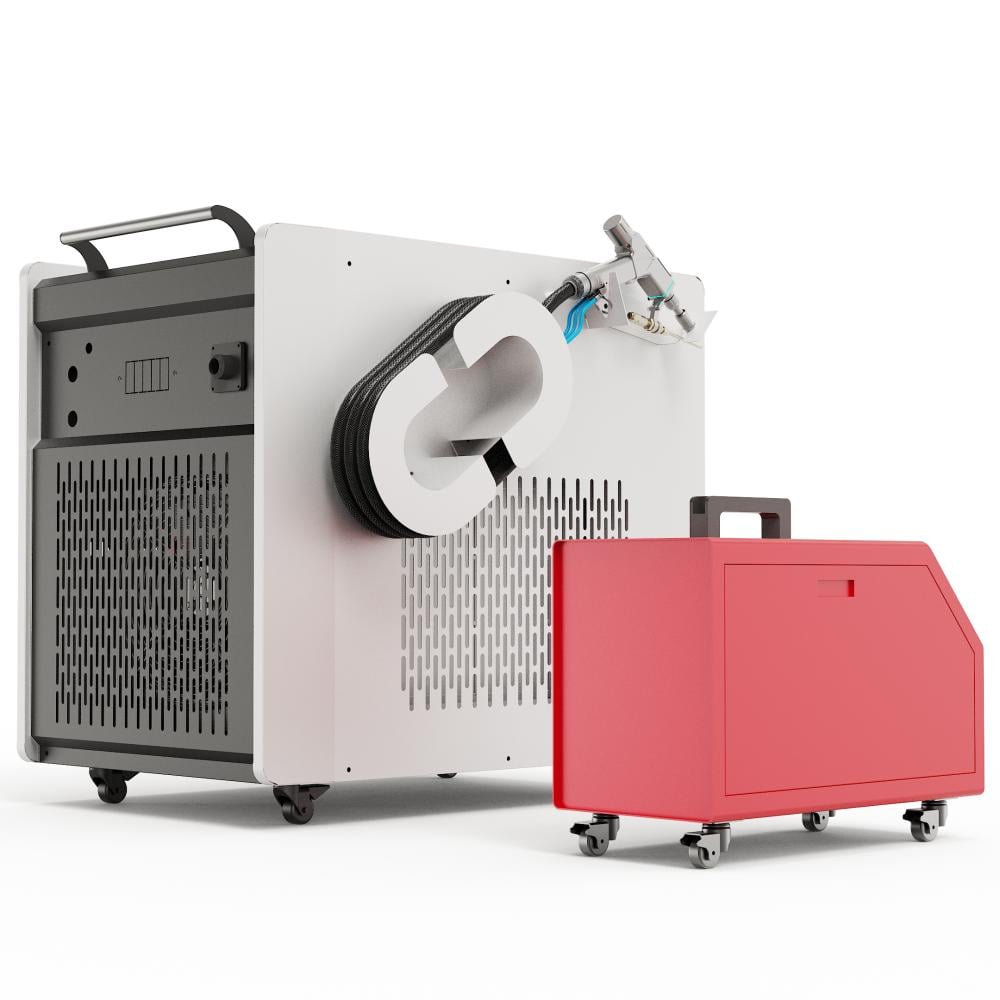
Precision Engineering That Elevates Product Quality
When you invest in a customized laser metal cutting machine, you acquire manufacturing capability that redefines what precision means in metal fabrication. The fundamental advantage stems from how laser technology interacts with metal materials. Unlike mechanical cutting tools that physically contact the workpiece and can introduce vibrations, deflection, or tool wear variations, a laser beam cuts through non-contact thermal energy. This means zero mechanical stress on your materials, eliminating distortion issues that plague conventional methods. The beam diameter focuses down to incredibly small dimensions, often between 0.1 and 0.3 millimeters, creating kerf widths far narrower than saw blades or plasma torches achieve. This tight focus translates directly into sharper edges, tighter corner radii, and the ability to nest parts closer together on your material sheets. The practical impact becomes evident when you examine finished components. Edge quality from a customized laser metal cutting machine typically requires no secondary finishing operations. The cut surfaces emerge smooth and square, ready for welding, forming, or coating without grinding, deburring, or filing. This eliminates entire process steps from your production workflow, reducing handling time and labor costs while accelerating delivery schedules. The precision extends beyond simple straight cuts. Complex geometries including intricate curves, fine internal features, small holes, and detailed patterns execute with identical accuracy as basic shapes. Your designers gain creative freedom to specify optimal part configurations without worrying whether manufacturing capabilities can deliver the required tolerances. The computer numerical control system governing a customized laser metal cutting machine maintains consistent performance across production runs. The first part cut matches the hundredth and the thousandth with negligible variation, ensuring batch uniformity that meets strict quality standards. This repeatability proves especially valuable for industries like medical device manufacturing, aerospace component production, and precision instrumentation where dimensional consistency is not merely preferred but mandated by regulatory requirements. Furthermore, the customization aspect allows you to specify precision enhancements tailored to your quality demands. Options include advanced height sensing systems that maintain optimal focal position across warped materials, temperature monitoring that compensates for thermal expansion during extended cutting operations, and vision systems that verify part dimensions in real-time. These specialized features transform a customized laser metal cutting machine into a precision instrument that consistently delivers superior results, strengthening your reputation for quality and enabling you to command premium pricing in competitive markets.