Remarkable Operational Flexibility and Adaptability
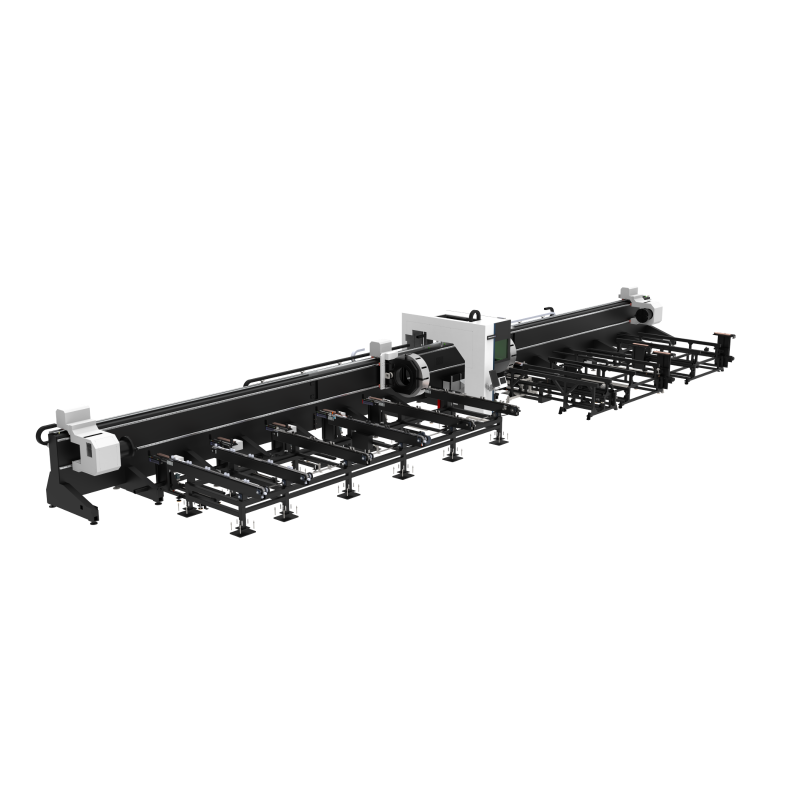
A quality laser metal cutting machine delivers remarkable operational flexibility and adaptability that empowers manufacturers to respond dynamically to diverse production requirements and market opportunities. This versatility manifests primarily in the equipment's ability to process an extensive range of metal materials without requiring physical tool changes or complex reconfiguration procedures. Operators can transition from cutting thick steel plates to thin aluminum sheets simply by adjusting software parameters that control laser power, cutting speed, and assist gas settings. This seamless material switching eliminates the downtime associated with traditional cutting methods that necessitate different blades, dies, or tooling for various materials and thicknesses. The quality laser metal cutting machine accommodates ferrous metals including carbon steel, stainless steel, and tool steel, along with non-ferrous options like aluminum, copper, brass, bronze, and titanium, addressing the needs of manufacturers serving multiple industries or producing diverse product lines. Thickness capabilities typically span from ultra-thin foils measuring 0.5 millimeters to substantial plates exceeding 25 millimeters, depending on laser power specifications, providing comprehensive coverage for most industrial applications. The computer-controlled operation enables rapid program changes that allow manufacturers to switch between completely different parts in minutes rather than hours, supporting small-batch production and custom fabrication alongside high-volume manufacturing runs. This flexibility proves invaluable for businesses pursuing just-in-time manufacturing strategies or serving customers with frequently changing requirements. Design modifications can be implemented instantly through software updates rather than expensive tooling changes, dramatically reducing the cost and time associated with product development and engineering changes. The quality laser metal cutting machine supports both two-dimensional cutting and, in advanced configurations, three-dimensional processing of tubes, channels, and formed components, expanding application possibilities beyond flat sheet processing. Integration capabilities with broader manufacturing systems enable automated material handling, real-time production monitoring, and seamless data exchange with enterprise resource planning systems. The equipment accommodates various sheet sizes from small prototype pieces to large industrial panels measuring several meters in length and width, providing scalability as business needs evolve. Manufacturers can easily add a quality laser metal cutting machine to existing production workflows without extensive facility modifications, as the equipment operates independently and requires only electrical power, compressed air, and appropriate ventilation. The flexibility extends to production volume as well, with these machines proving equally efficient for prototype development, small-batch custom work, and large-scale repetitive manufacturing. This adaptability protects equipment investments against changing market conditions and product portfolios, ensuring long-term relevance and return on investment.