Exceptional Versatility and Operational Efficiency That Maximize Return
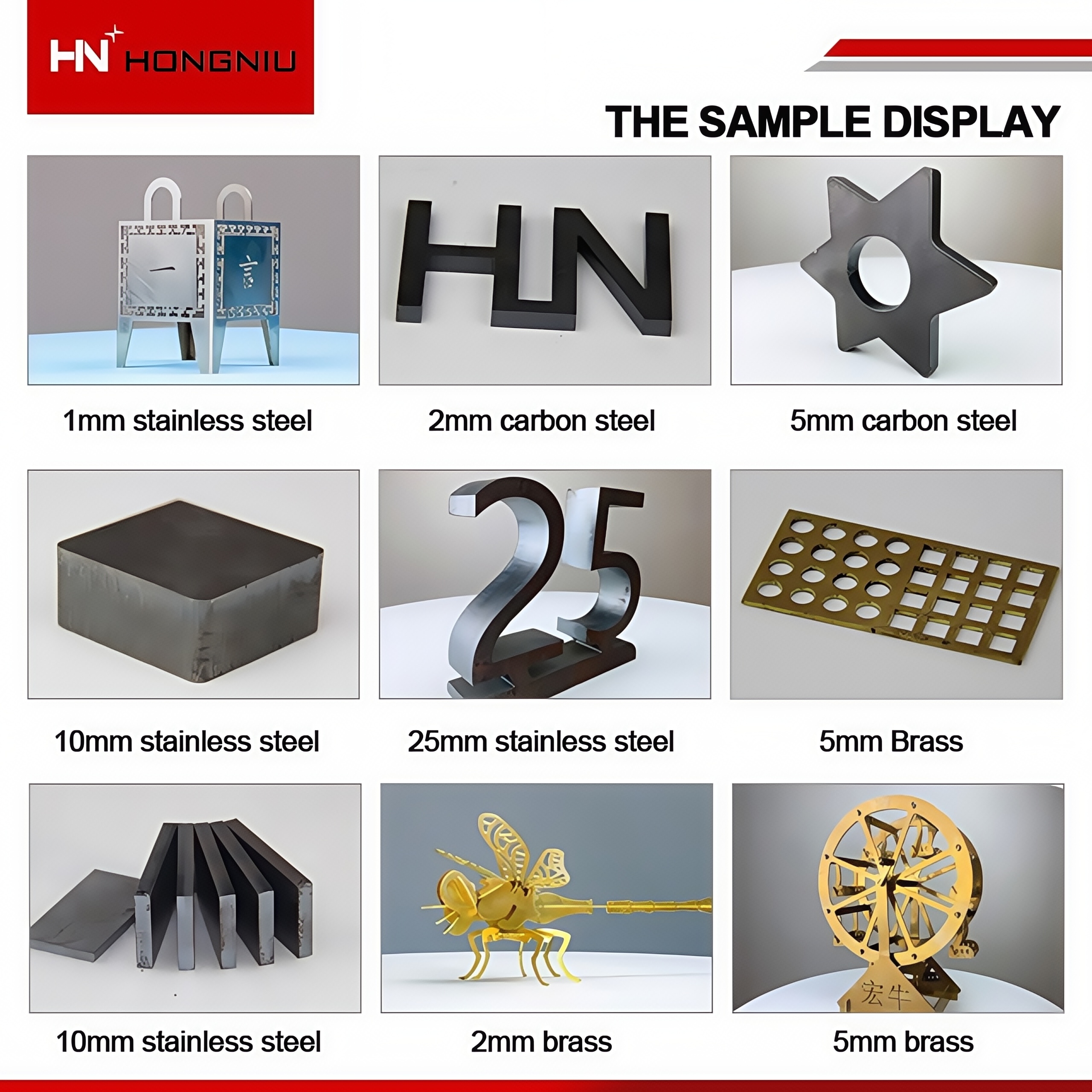
The safe and reliable laser cut machine represents a strategic investment that delivers value through remarkable versatility and operational efficiency across diverse applications and materials. Unlike specialized cutting equipment designed for specific materials or thickness ranges, laser systems adapt to varied requirements through software parameter adjustments rather than time-consuming tooling changes, dramatically reducing setup time and enabling rapid transitions between different jobs. This flexibility allows manufacturers to economically produce both large production runs and small custom orders using the same equipment, supporting business models that serve diverse customer needs without maintaining separate production lines. Material compatibility spans an impressive range, from ferrous and non-ferrous metals including stainless steel, mild steel, aluminum, brass, and copper, to organic materials such as wood, leather, fabric, paper, and cardboard, plus engineered materials like acrylic, polycarbonate, and composite sheets. The safe and reliable laser cut machine processes materials from thin foils measuring fractions of a millimeter to thick plates exceeding 25 millimeters, adjusting power levels, cutting speeds, and assist gas parameters to optimize results for each specific combination. This versatility eliminates equipment redundancy, as a single system handles tasks that traditionally required punch presses, plasma cutters, water jets, and mechanical saws, reducing capital investment, floor space requirements, and maintenance overhead. Operational efficiency manifests through multiple dimensions, beginning with rapid cutting speeds that complete complex patterns in minutes rather than hours, increasing throughput without expanding facilities or workforces. Automated material handling options integrate with laser cutting systems, enabling lights-out operation where machines continue production during non-business hours, effectively multiplying capacity without additional labor costs. Nesting software optimizes material utilization by intelligently arranging parts on sheets to minimize scrap, often achieving efficiency improvements of 15 to 30 percent compared to manual layout methods, directly reducing material costs for every project. The safe and reliable laser cut machine requires minimal consumables compared to mechanical cutting, with no expensive tooling to replace regularly, reducing ongoing operational expenses and eliminating production delays caused by tool wear or breakage. Energy efficiency has improved dramatically in recent generation systems, with fiber laser technology consuming significantly less electricity than older CO2 lasers while delivering superior cutting performance, lowering utility costs and supporting sustainability initiatives. Quick-change capabilities allow operators to switch between different material types and thicknesses within minutes, maintaining high machine utilization rates throughout production shifts. Integration with computer-aided design and manufacturing software streamlines workflow from concept to finished part, as designs transfer directly to cutting parameters without manual programming, reducing engineering time and eliminating transcription errors. Remote monitoring capabilities available on modern systems enable production management from anywhere, providing real-time status updates, performance metrics, and alert notifications that support proactive decision-making and rapid response to any operational issues, maximizing uptime and productivity throughout equipment lifespan.