China Laser Welder: Precision Welding Solutions for Modern Manufacturing

Get A Quote
Get A Quote

china laser welder

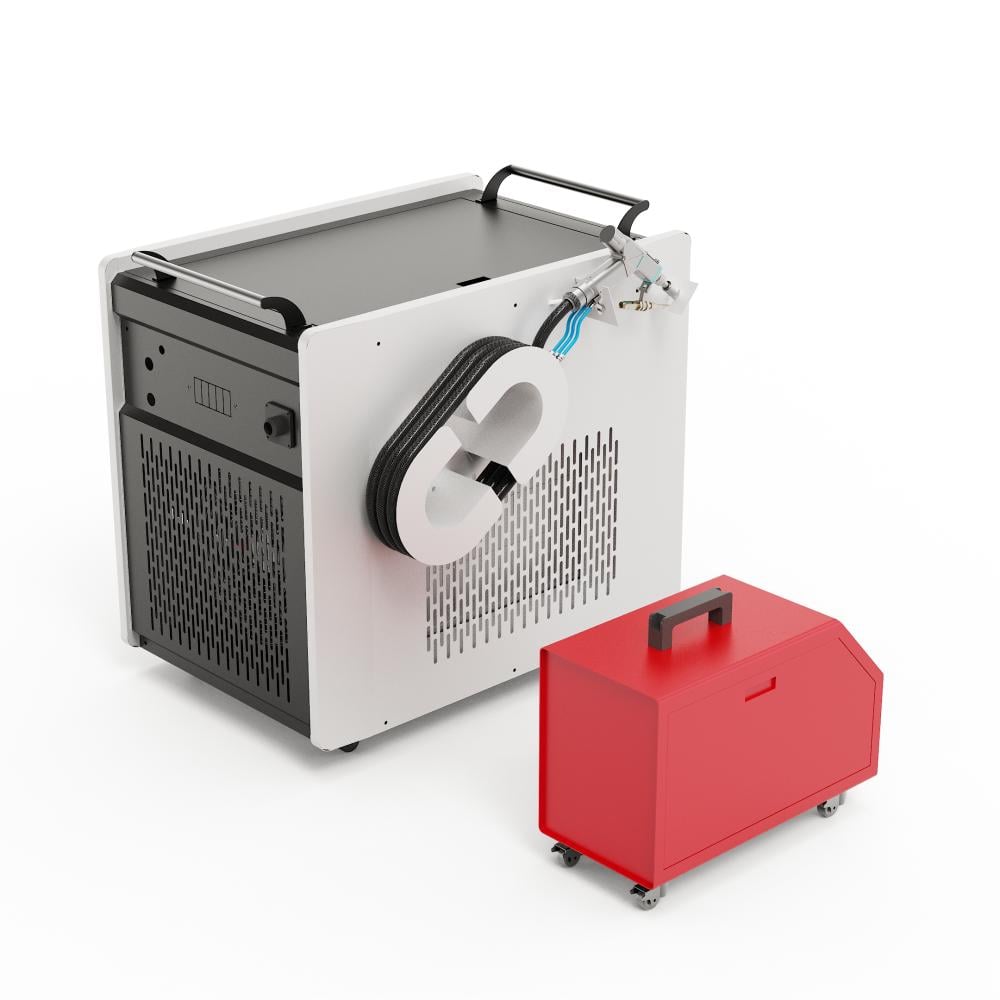
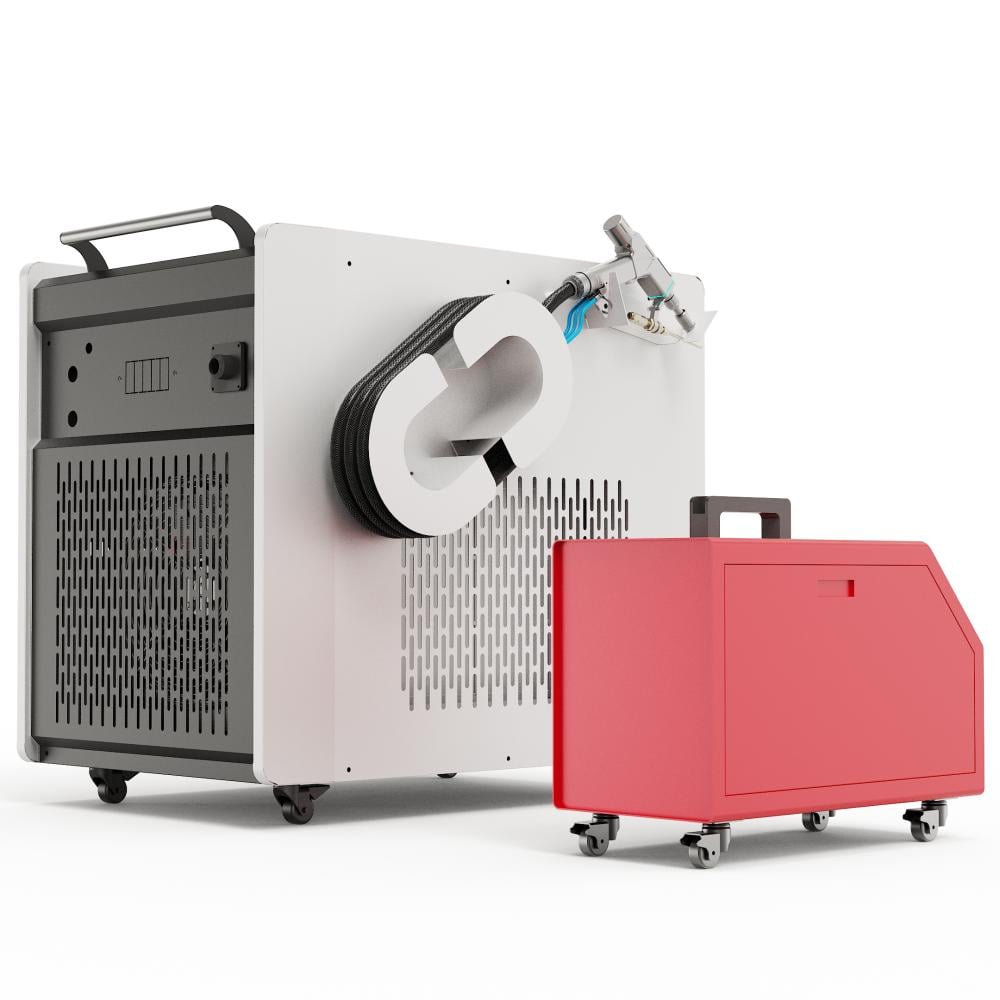
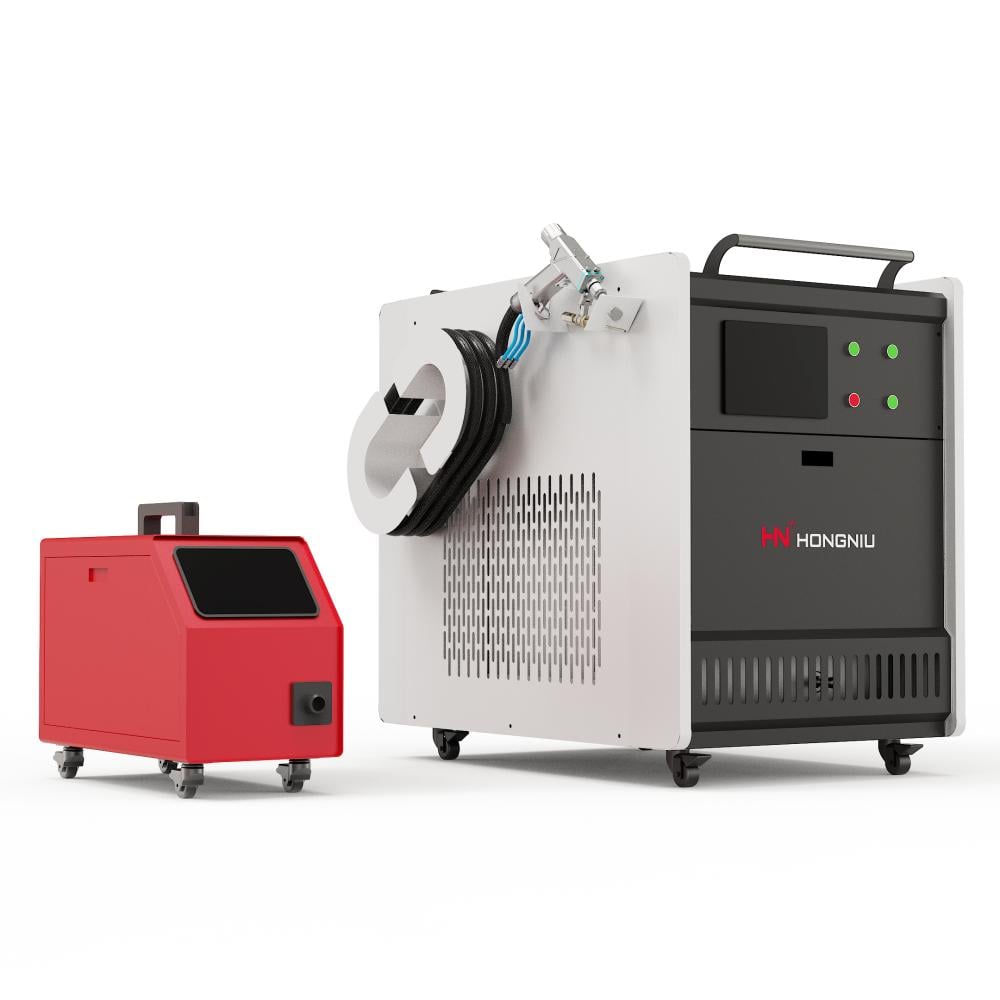
The china laser welder represents a significant advancement in modern manufacturing technology, offering precision welding solutions for industries worldwide. This sophisticated equipment utilizes concentrated laser beams to join metals and thermoplastics with exceptional accuracy and minimal heat distortion. Chinese manufacturers have developed these welding systems to meet international standards while providing cost-effective alternatives to traditional welding methods. The china laser welder operates by focusing a high-intensity laser beam onto the workpiece surface, creating a localized melting zone that fuses materials together upon cooling. These machines come equipped with advanced control systems that allow operators to adjust parameters such as power output, pulse duration, and beam focus to accommodate different material types and thicknesses. The technology has evolved significantly over recent years, with Chinese manufacturers incorporating fiber laser sources, intelligent monitoring systems, and automated positioning capabilities into their designs. Applications span across automotive manufacturing, electronics production, jewelry making, medical device fabrication, aerospace component assembly, and metal fabrication workshops. The versatility of the china laser welder makes it suitable for joining stainless steel, aluminum, titanium, copper, and various alloy combinations. Modern units feature user-friendly interfaces with touchscreen controls, pre-programmed welding modes for common applications, and real-time monitoring displays that show critical parameters during operation. Safety features include protective enclosures, interlock systems, and laser safety classifications that comply with international regulations. The compact footprint of many models allows integration into existing production lines without extensive facility modifications. Energy efficiency has become a hallmark of contemporary china laser welder designs, consuming significantly less power compared to conventional arc welding equipment while delivering superior joint quality and repeatability for demanding manufacturing environments.
Investing in a china laser welder delivers substantial practical benefits that directly impact your production capabilities and bottom line. First, these machines dramatically reduce production time by creating welds at speeds up to ten times faster than traditional methods, allowing you to fulfill orders quickly and take on more projects without expanding your workforce. The precision of laser technology means you waste less material because the focused beam creates narrow weld seams with minimal heat-affected zones, preserving the structural integrity of surrounding areas and reducing the need for post-weld finishing work. Your operational costs decrease significantly since the china laser welder requires no consumable electrodes, shielding gases, or filler materials in many applications, eliminating recurring expenses that add up over time. The non-contact nature of laser welding prevents tool wear and reduces maintenance requirements, keeping your equipment running longer between service intervals and minimizing unexpected downtime. You gain flexibility to work with diverse materials and thicknesses using the same machine by simply adjusting software settings rather than changing hardware components or tooling. The clean welding process produces minimal spatter, fumes, and distortion, creating a safer and more comfortable working environment for your operators while reducing cleanup time between jobs. Quality consistency improves remarkably because computer-controlled systems repeat the exact welding parameters for every joint, eliminating human error and ensuring that each product meets your specifications regardless of which shift produces it. The china laser welder enables you to tackle complex geometries and hard-to-reach joints that would be impossible or impractical with conventional welding torches, expanding your capability to accept challenging projects that competitors cannot handle. Lower heat input means you can weld thin materials and delicate components without warping or burn-through, opening opportunities in electronics, medical devices, and precision instrument manufacturing. The automated features available in many models reduce labor costs by allowing one operator to oversee multiple welding stations or perform other tasks while the machine completes programmed weld sequences. Your company projects a modern, technologically advanced image to customers when they see laser welding equipment in your facility, strengthening confidence in your ability to deliver high-quality products. The return on investment materializes quickly through increased productivity, reduced scrap rates, lower consumable costs, and the ability to command premium pricing for superior weld quality that meets the most demanding industry standards and customer expectations.

Tips And Tricks

How Does a Laser Cutting Machine Improve Cutting Accuracy?

13

May

How Does a Laser Cutting Machine Improve Cutting Accuracy?

The pursuit of perfection in metal fabrication has led to the development of various thermal and mechanical cutting technologies. However, none have reached the pinnacle of precision quite like the modern Laser Cutting Machine. In an era where "clos...
View More
What Materials Can a Laser Cut Machine Process?

12

May

What Materials Can a Laser Cut Machine Process?

The versatility of modern industrial equipment is often the deciding factor in a manufacturing facility's success. For those in the metal fabrication industry, understanding the full scope of a laser cut machine is essential for diversifying producti...
View More
Why a Laser Metal Cutting Machine Improves Cutting Efficiency?

12

May

Why a Laser Metal Cutting Machine Improves Cutting Efficiency?

In the fast-paced world of industrial manufacturing, efficiency is the metric that defines profitability. For B2B fabrication businesses, the transition from traditional mechanical cutting to advanced Laser Cutting Machines has proven to be the most...
View More
What Thickness Can a Metal Laser Cutter Handle?

12

May

What Thickness Can a Metal Laser Cutter Handle?

Selecting the right industrial machinery requires a deep understanding of technical boundaries. If you are in the market for a metal laser cutter, one of the most critical questions you will face is: "What is the maximum thickness this machine can h...
View More

Get a Free Quote

Our representative will contact you soon.
0/1000
Exceptional Precision Engineering for Complex Welding Applications

Exceptional Precision Engineering for Complex Welding Applications

The china laser welder excels in delivering unmatched precision that transforms how manufacturers approach intricate welding challenges across multiple industries. This advanced equipment focuses laser energy into an extremely small spot size, often measuring less than one millimeter in diameter, enabling welders to create joints in spaces where traditional welding equipment simply cannot operate effectively. The concentrated energy delivery system allows for welding dissimilar metals that would be difficult or impossible to join using conventional techniques, opening new possibilities for product designers who need to combine materials with different melting points, thermal conductivities, or expansion coefficients. Manufacturers working with miniature components, such as those in the electronics and medical device sectors, benefit enormously from the ability to create reliable joints without damaging adjacent sensitive elements through excessive heat transfer. The china laser welder achieves this through sophisticated beam control mechanisms that regulate not only the power intensity but also the pulse duration and frequency, allowing operators to deposit exactly the right amount of energy needed for each specific application. This level of control proves essential when working with thin gauge materials where traditional welding methods often cause warping, distortion, or complete burn-through that renders parts unusable. The precision capabilities extend beyond just creating small welds; they also enable manufacturers to achieve consistent penetration depths across long seam lengths, ensuring structural integrity throughout the entire joint rather than creating weak spots that might fail under stress. Quality control becomes more manageable because the repeatable nature of laser parameters means that once you develop the optimal settings for a particular application, every subsequent weld will replicate those exact conditions without the variability introduced by human operators using manual techniques. The china laser welder also facilitates aesthetic improvements in visible weld areas, producing narrow, smooth bead profiles that often require minimal or no grinding and polishing for final presentation, saving time and preserving material thickness in applications where appearance matters as much as structural performance.
Cost-Effective Operation with Minimal Consumable Requirements

Cost-Effective Operation with Minimal Consumable Requirements

One of the most compelling advantages of adopting a china laser welder into your manufacturing operation comes from the dramatic reduction in ongoing consumable expenses that burden traditional welding processes. Unlike arc welding systems that constantly consume electrodes, contact tips, nozzles, and shielding gases, laser welding operates as a non-contact process that requires virtually no expendable materials for many common applications. This fundamental difference translates into substantial savings that accumulate month after month, improving your profit margins without requiring you to raise prices or cut corners elsewhere in your operation. The absence of electrode consumption eliminates the need to maintain large inventories of various electrode types, freeing up warehouse space and reducing the capital tied up in materials sitting on shelves. Your purchasing department spends less time ordering consumables, processing invoices, and managing supplier relationships for items that no longer factor into your production equation. The china laser welder also eliminates the labor costs associated with changing electrodes, cleaning spatter from work surfaces, and preparing materials contaminated by welding residue, allowing your skilled workers to focus on productive activities rather than maintenance tasks. Energy efficiency represents another significant economic benefit, as modern laser systems convert electrical power to welding energy far more effectively than resistance or arc welding equipment, directly reducing your utility bills while supporting corporate sustainability initiatives that increasingly matter to environmentally conscious customers. The reduced heat input inherent in laser welding minimizes thermal distortion, which means fewer parts require rework or end up scrapped due to dimensional changes during the joining process, improving your yield rates and reducing material waste. Maintenance costs remain lower because the non-contact nature of laser welding prevents the mechanical wear that plagues conventional welding torches, guns, and associated equipment, extending service intervals and reducing the frequency of replacement part purchases. The china laser welder typically features solid-state laser sources with operational lifetimes measured in tens of thousands of hours, providing reliable performance over many years without the frequent replacements needed for traditional welding equipment components. When you calculate the total cost of ownership over a five or ten year period, factoring in consumables, energy, maintenance, and the productivity gains from faster welding speeds and reduced rework, the china laser welder consistently demonstrates superior economic performance that justifies the initial capital investment for businesses serious about long-term competitiveness and profitability.
Advanced Automation Capabilities for Modern Smart Manufacturing

Advanced Automation Capabilities for Modern Smart Manufacturing

The china laser welder integrates seamlessly into contemporary automated manufacturing environments, offering connectivity and programmability that align perfectly with Industry 4.0 principles and smart factory initiatives. These sophisticated systems come equipped with digital interfaces that communicate with factory networks, enabling real-time monitoring of production parameters, remote diagnostics, and integration with enterprise resource planning systems that coordinate production scheduling across your entire facility. The programmable nature of laser welding allows engineers to develop, test, and store welding procedures as digital files that can be recalled instantly when producing different products, eliminating setup time and ensuring that proven parameters are applied consistently regardless of operator experience level. Robot integration capabilities make the china laser welder an ideal partner for automated production lines, with standardized mounting interfaces and communication protocols that allow seamless coordination between the laser system and robotic positioning equipment for complex three-dimensional welding paths. Vision systems can be incorporated to provide automatic part recognition and positioning correction, compensating for minor variations in component placement and ensuring that welds land precisely where intended even when upstream processes introduce slight inconsistencies. The data logging capabilities built into modern china laser welder systems create valuable production records that support quality management systems, providing traceability for critical applications in aerospace, medical, and automotive sectors where regulatory requirements demand documentation of every manufacturing parameter for each serialized component. Operators benefit from intuitive touchscreen interfaces that present information clearly and allow parameter adjustments through graphical menus rather than cryptic numerical codes, reducing training time and minimizing the potential for input errors that could compromise weld quality. Remote access features enable technical support personnel to diagnose issues and adjust settings without traveling to your facility, reducing downtime when problems arise and accelerating the resolution of production challenges. The china laser welder supports continuous improvement initiatives by storing performance data that engineers can analyze to identify optimization opportunities, whether that means increasing welding speed, reducing energy consumption, or improving joint strength through parameter refinement. Predictive maintenance algorithms monitor component condition and alert maintenance teams before failures occur, shifting your operation from reactive repairs to proactive component replacement that minimizes unplanned downtime and maintains consistent production output. These automation capabilities do not merely represent technological sophistication for its own sake; they deliver practical benefits that help manufacturers respond quickly to changing customer demands, maintain consistent quality standards, and compete effectively in markets where efficiency and reliability separate successful companies from those struggling to keep pace with more advanced competitors who have embraced modern manufacturing technology.