Remarkable Versatility Across Materials and Applications
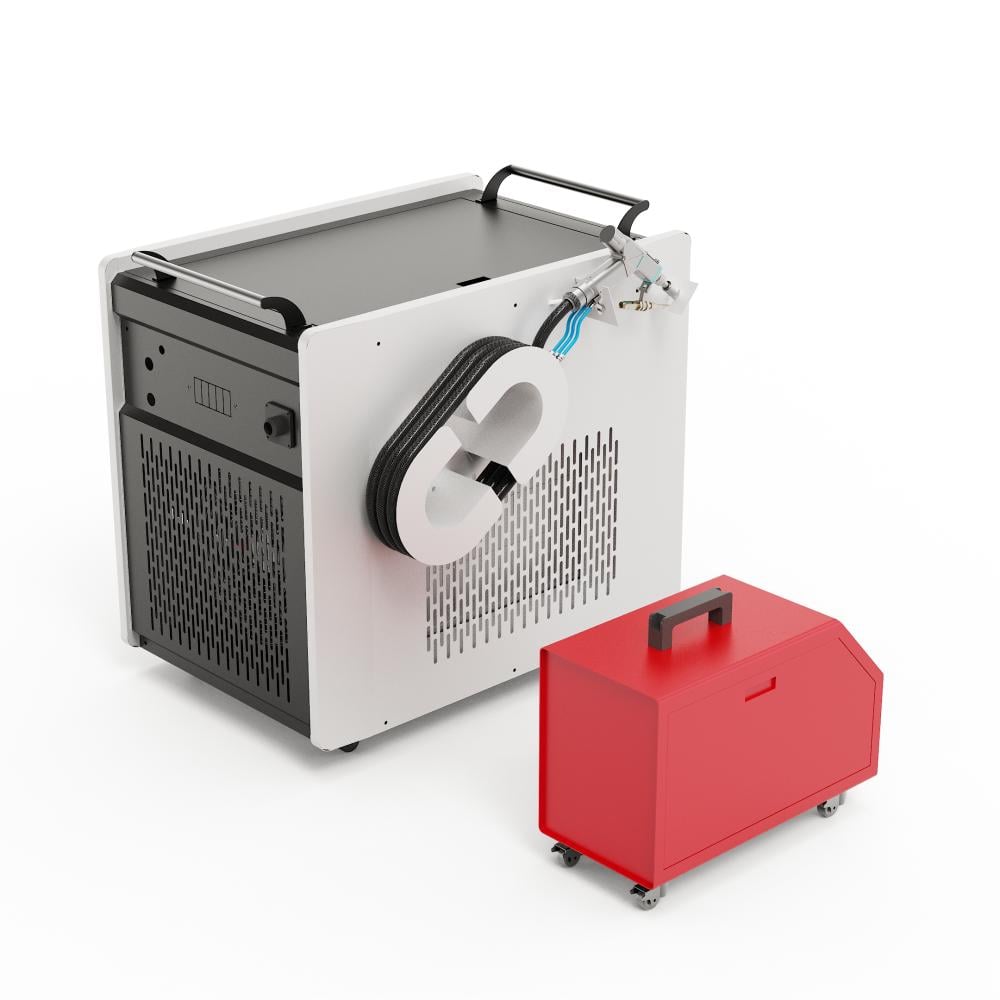
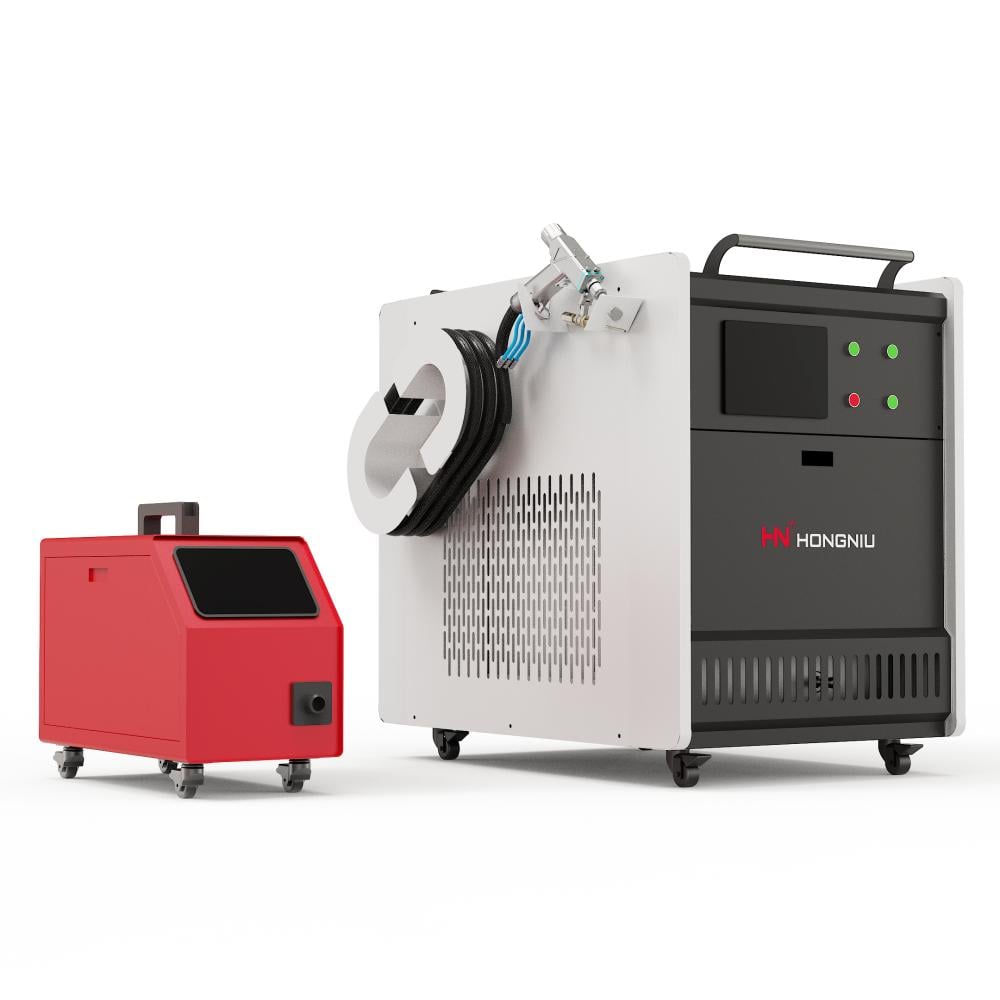
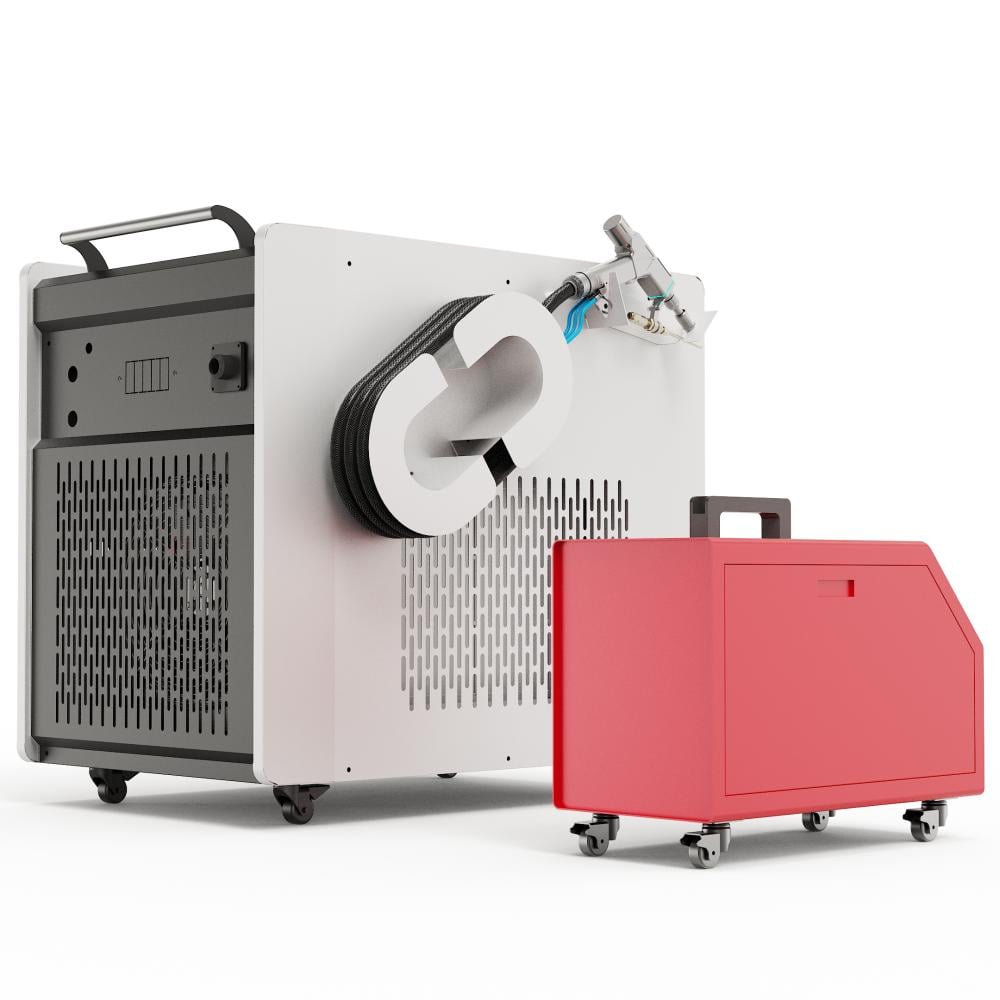
The cheap laser welder distinguishes itself through impressive versatility that enables you to tackle diverse projects across multiple industries and material types without investing in numerous specialized tools. This multi-purpose capability delivers exceptional value, as a single laser welding system replaces several traditional welding machines, cutting torches, and soldering stations that would otherwise occupy your workspace and budget. Metal compatibility spans stainless steel in various grades including 304, 316, and 430 series commonly used in food service equipment, medical devices, and architectural applications. You can weld carbon steel components for automotive repairs, structural fabrication, and general manufacturing projects. Aluminum welding becomes accessible without the specialized AC equipment and shielding gas mixtures required for TIG welding, opening opportunities in aerospace components, electronic enclosures, and lightweight structural assemblies. Copper and brass welding for electrical connections, plumbing fittings, and decorative hardware proceeds efficiently despite these materials' high thermal conductivity that challenges conventional methods. Titanium welding for medical implants, sporting goods, and chemical processing equipment becomes feasible, along with nickel alloys for high-temperature applications. The cheap laser welder handles material thicknesses from ultra-thin foils measuring 0.1mm up to plates several millimeters thick depending on your system's power output, accommodating everything from delicate electronics repair to substantial fabrication projects. Application diversity extends across industries in ways that maximize your investment return. Automotive repair shops utilize laser welders for body panel repairs, exhaust system modifications, and classic car restoration where maintaining original material integrity matters. Jewelry manufacturers and repair specialists achieve delicate welds on precious metals including gold, silver, and platinum without damaging gemstone settings or causing discoloration. Mold and die repair operations extend tool life by precision-welding worn or damaged areas on expensive injection molds, stamping dies, and extrusion tooling. Electronics manufacturers bond dissimilar metals in battery assemblies, sensor housings, and connector components where traditional soldering proves inadequate. Medical device producers create hermetic seals for implantable devices and surgical instruments requiring biocompatible welds. Dental laboratories fabricate and repair crowns, bridges, and orthodontic appliances with precision joints that meet strict medical standards. Metal fabrication shops expand service offerings to include custom stainless steel furniture, decorative railings, and architectural metalwork featuring invisible or minimal welds. The ability to switch between applications simply by adjusting parameters means you respond flexibly to changing customer demands and market opportunities without equipment limitations constraining your capabilities.