 EN
EN

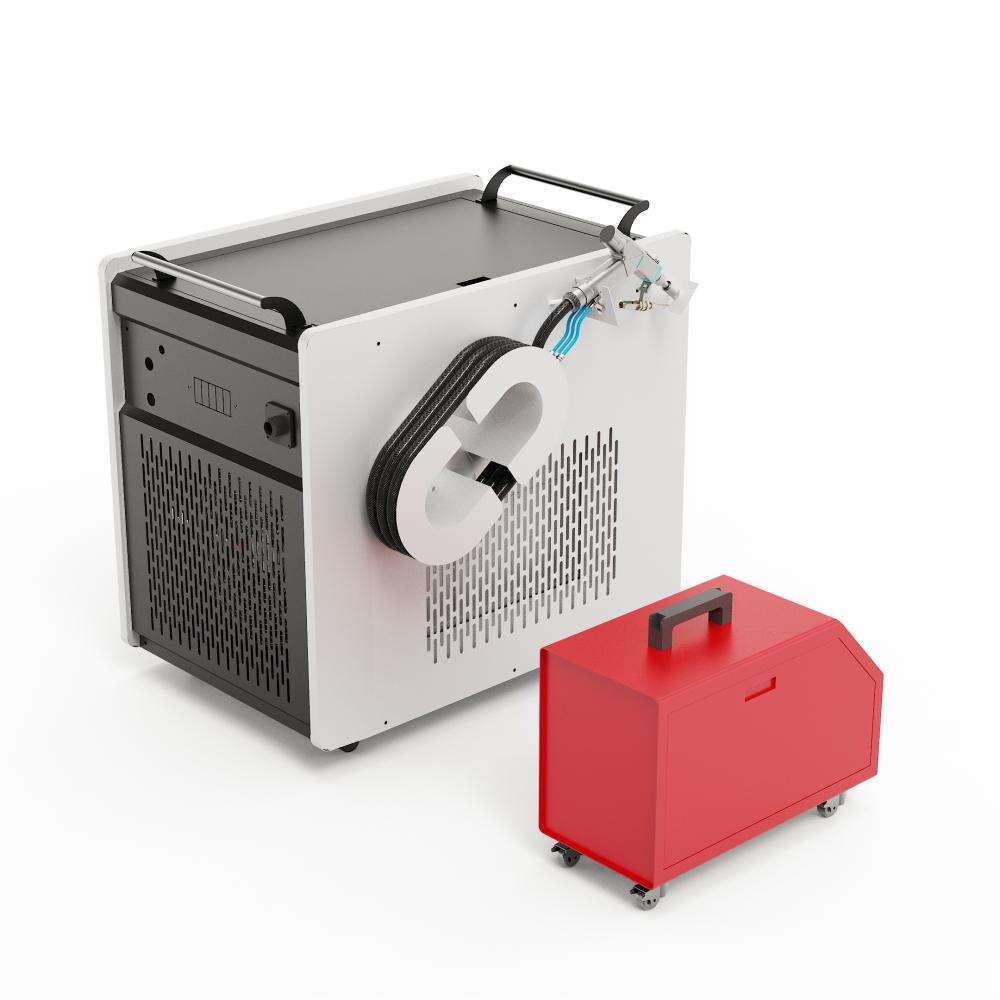
Selecting the right laser welder machine is one of the most consequential purchasing decisions a fabrication business or manufacturing operation can make. The wrong choice can lead to poor weld quality, excessive downtime, incompatibility with your materials, and long-term cost overruns that erode profitability. With so many models, power ratings, and configurations available on the market today, understanding the specific criteria that define a well-suited laser welder machine is absolutely essential before committing to any investment.
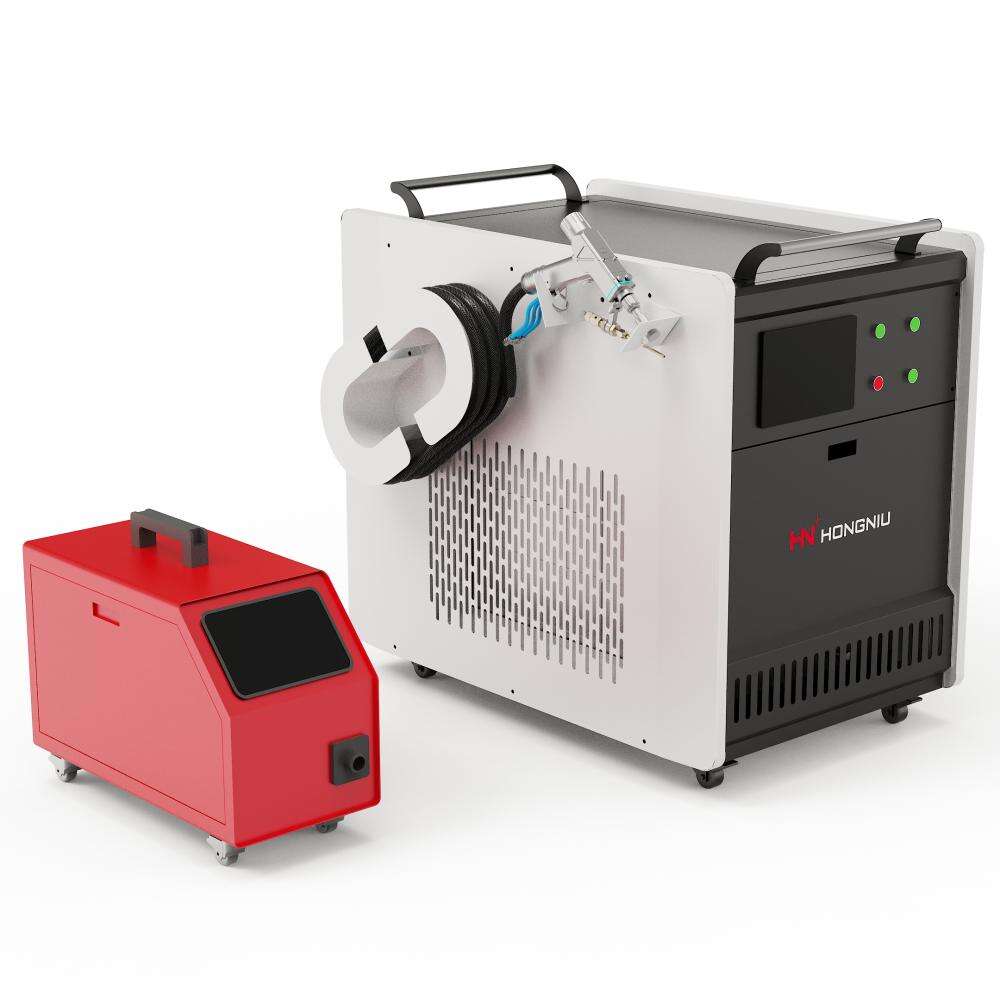
This guide walks through the key selection factors that industrial buyers, fabricators, and procurement specialists should evaluate when choosing a laser welder machine. From power output and beam quality to cooling systems and software compatibility, each criterion plays a direct role in whether a machine will perform reliably across your production environment. Understanding what truly matters — versus what is merely a marketing feature — gives you a significant advantage when comparing options and making a confident, well-informed decision.
Understanding Your Application Requirements First
Material Type and Thickness Compatibility
Before evaluating any laser welder machine on its own technical merits, you must first define the scope of your welding application. The materials you intend to weld — whether stainless steel, aluminum, carbon steel, copper, titanium, or dissimilar metal combinations — will heavily influence which machine specifications matter most. Not every laser welder machine handles reflective metals like copper or aluminum with equal effectiveness, and choosing one without verifying material compatibility is a costly mistake.
Thickness range is equally critical. A machine that excels at thin-sheet welding under 1mm may perform inadequately on structural components requiring deep penetration at 6mm or more. The laser power, pulse duration, and focusing optics must all be matched to the thickest and most demanding material in your typical workflow. A well-specified laser welder machine should cover not just your current needs, but also provide enough headroom for future material variations as your business grows.
Industry context also matters here. Automotive part manufacturers have different weld quality standards than jewelry makers or electronics assemblers. The production environment shapes the required speed, repeatability, and precision of the laser welder machine you choose. Always define the full scope of your application before moving into machine-level evaluation.
Production Volume and Duty Cycle Expectations
A laser welder machine designed for occasional prototype work has very different duty cycle requirements compared to one running continuously across two or three production shifts. Duty cycle refers to how long a machine can operate at full power within a given time window before it must rest or reduce output to prevent overheating. For high-volume operations, a machine with a low duty cycle becomes a bottleneck rather than an asset.
Continuous-wave fiber laser systems tend to handle sustained production loads better than pulsed systems in high-throughput environments. If your operation demands consistent output without frequent interruptions, prioritize machines with robust thermal management and high duty cycle ratings. The overall uptime and reliability of the laser welder machine directly translates to revenue per hour, making this factor critically important in industrial settings.
Laser Power and Beam Quality Specifications
Choosing the Right Power Output
Laser power, typically measured in watts, determines the machine's ability to penetrate material, control heat input, and achieve a given welding speed. A laser welder machine operating at 1000W to 1500W is well-suited for most common fabrication tasks, while operations involving thicker materials or high-speed requirements may demand 2000W or more. Underpowering your machine leads to incomplete fusion and slow cycle times, while overpowering can cause material distortion or burn-through on delicate parts.
It is important to resist the temptation of simply choosing the highest power option available. Higher wattage increases cost, cooling demands, and operational complexity. The right approach is to match power output to your most demanding but realistic production scenario, then confirm the machine can scale down smoothly for lighter tasks. A well-calibrated laser welder machine gives you precise power control across the full working range, not just at peak output.
Beam Quality and Its Effect on Weld Precision
Beam quality, often expressed as the M² value, defines how tightly a laser beam can be focused and how consistent its energy distribution is across the weld zone. A lower M² value — closer to 1.0 — indicates near-perfect beam quality, which translates directly into finer weld seams, more consistent penetration depth, and better control over the heat-affected zone. For precision applications in medical devices, electronics, or aerospace components, beam quality is as important as raw power.
Fiber laser technology generally offers superior beam quality compared to older CO2 or Nd:YAG systems, which is a key reason fiber-based laser welder machine platforms have become the preferred choice across modern manufacturing. When evaluating any machine, ask the supplier for documented M² values and request sample welds on your specific materials before finalizing a decision. Beam quality directly determines whether the machine can meet your quality standards at production speed.
Cooling System Design and Thermal Management
Water Cooling Versus Air Cooling
The cooling system is one of the most underappreciated selection criteria when choosing a laser welder machine, yet it has a profound effect on both performance and longevity. Air-cooled systems are simpler, more compact, and require less infrastructure, making them suitable for lower-power machines and intermittent use cases. However, for machines operating at 1000W and above or running at high duty cycles, air cooling often proves insufficient to maintain stable operating temperatures.
Water-cooled systems offer significantly more effective thermal management by circulating coolant through the laser source, optical components, and sometimes the welding head itself. This keeps the machine operating within its ideal temperature range even during long production runs, preserving beam quality and protecting sensitive components. A laser welder machine with a dedicated water cooling unit is generally the more reliable choice for industrial-grade applications where uptime and consistency are non-negotiable.
When evaluating cooling system options, also consider ease of maintenance. Cooling circuits that are difficult to access or that require specialized servicing create unnecessary operational risk. Look for systems with transparent coolant monitoring, easy-access filters, and clear maintenance schedules. Good thermal management is an investment in the long-term reliability of your laser welder machine.
Environmental and Installation Considerations
The physical environment where you install your laser welder machine also affects cooling performance. Facilities with high ambient temperatures, poor ventilation, or significant dust and particulate contamination place additional thermal stress on the machine. Ensure that the machine's rated operating conditions match your facility's actual environment, including ambient temperature ranges and air quality standards.
Some laser welder machine designs include integrated environmental controls, such as filtered air intakes or sealed enclosures, which reduce vulnerability to facility conditions. In harsh industrial environments, these features can dramatically reduce maintenance frequency and extend component life. Always review the environmental specifications in the machine datasheet and verify that your facility can support the machine's requirements before purchase.
Software, Control Interface, and Integration Capability
Ease of Programming and Parameter Control
Modern industrial applications demand a laser welder machine that is not only powerful but also easy to program, adjust, and integrate into existing workflows. The control interface should allow operators to set and save welding parameters — including laser power, pulse frequency, welding speed, and focal position — with precision and repeatability. Machines that require manual recalibration for every job significantly increase setup time and introduce human error into the process.
Look for intuitive touchscreen interfaces, pre-programmable weld recipes, and real-time parameter monitoring. Advanced laser welder machine platforms now offer guided setup wizards that help operators identify optimal settings for specific materials and joint configurations. This reduces the learning curve for new operators and ensures that weld quality remains consistent across different shifts and personnel changes.
Automation and System Integration Readiness
For manufacturers moving toward automated production lines, the ability to integrate the laser welder machine with robotic arms, vision systems, conveyor systems, and enterprise software platforms is a critical purchasing criterion. Check whether the machine supports standard communication protocols such as EtherCAT, Profibus, or industrial Ethernet, and whether the manufacturer provides integration support and APIs for custom automation setups.
A standalone laser welder machine that cannot communicate with surrounding automation infrastructure will quickly become a bottleneck in a smart manufacturing environment. Even if you are not automating today, choosing a machine with strong integration capability ensures that your investment remains relevant as your production evolves. Future-readiness is a legitimate and important selection criterion in today's fast-moving manufacturing landscape.
Also consider whether the machine supports remote diagnostics and over-the-air software updates. These capabilities reduce service response times, enable predictive maintenance, and ensure your laser welder machine stays up to date with the latest firmware improvements without requiring an on-site technician for every update.
Safety Features, Compliance, and After-Sales Support
Built-In Safety Systems and Regulatory Compliance
Industrial laser systems carry inherent safety risks, including eye and skin hazards, fire risk from high-intensity beams, and fume generation from metal vaporization during welding. A well-designed laser welder machine must incorporate comprehensive safety features as standard — not as optional add-ons. Interlock systems, emergency stop mechanisms, enclosed work areas, and laser-safe viewing windows are baseline requirements for any machine intended for use in a professional setting.
Regulatory compliance is equally important. Depending on your region, your laser welder machine may need to meet CE, FDA, or other relevant certifications to be legally operated in your facility. Choosing a machine that already carries the appropriate certifications saves significant time and cost during installation and inspection. Always request documentation of compliance certificates during the purchasing process and verify their scope and validity.
Warranty, Service Network, and Technical Support
Even the most robust laser welder machine will eventually require maintenance, component replacement, or technical intervention. The availability and responsiveness of after-sales support can be the difference between a two-hour fix and a week-long production halt. Before finalizing a purchase, investigate the manufacturer's or supplier's local service network, typical response times, and the availability of spare parts for your specific model.
Warranty terms vary significantly across suppliers. Some offer comprehensive warranties covering all components for two or more years, while others limit coverage to the laser source alone or exclude wear parts entirely. Read warranty documentation carefully and ask direct questions about what is and is not covered. A strong warranty backed by a responsive service team is a tangible indicator of a supplier's confidence in their laser welder machine and their commitment to customer success after the sale.
Training availability is another dimension of after-sales support that buyers often overlook until problems arise. Access to structured operator training, application engineering support, and troubleshooting documentation significantly accelerates the time to productive operation and helps your team extract the full value from the laser welder machine over its working life.
FAQ
What power rating should I look for in a laser welder machine for stainless steel?
For welding stainless steel in typical fabrication applications, a laser welder machine with 1000W to 1500W of output is generally sufficient for material thicknesses up to 3mm. For thicker sections or higher-speed requirements, 2000W or above provides better penetration and faster cycle times. Always validate the power selection against your specific material thickness and joint configuration before purchasing.
Is a water-cooled laser welder machine necessary for industrial production?
For continuous or high-duty-cycle industrial production, a water-cooled laser welder machine is strongly recommended. Water cooling maintains stable operating temperatures during extended runs, which protects optical components, preserves beam quality, and significantly extends machine life. Air-cooled systems are more appropriate for lower-power machines or intermittent use cases where thermal load is minimal.
How important is beam quality when selecting a laser welder machine?
Beam quality, expressed as the M² value, is critically important for applications requiring fine weld seams, deep penetration control, or minimal heat-affected zones. A laser welder machine with excellent beam quality produces more consistent, precise welds and operates more efficiently at the same power level compared to a machine with poor beam quality. For high-precision industries, prioritize beam quality alongside power output.
What should I ask a supplier before buying a laser welder machine?
Key questions to ask include: What materials and thicknesses has the laser welder machine been validated for? What is the duty cycle rating at full power? What cooling system does it use? What certifications does it carry? What does the warranty cover, and what is the typical service response time? Can you provide sample welds on my specific materials? These questions help you evaluate not just the machine, but also the supplier's competence and support capability.
