 EN
EN

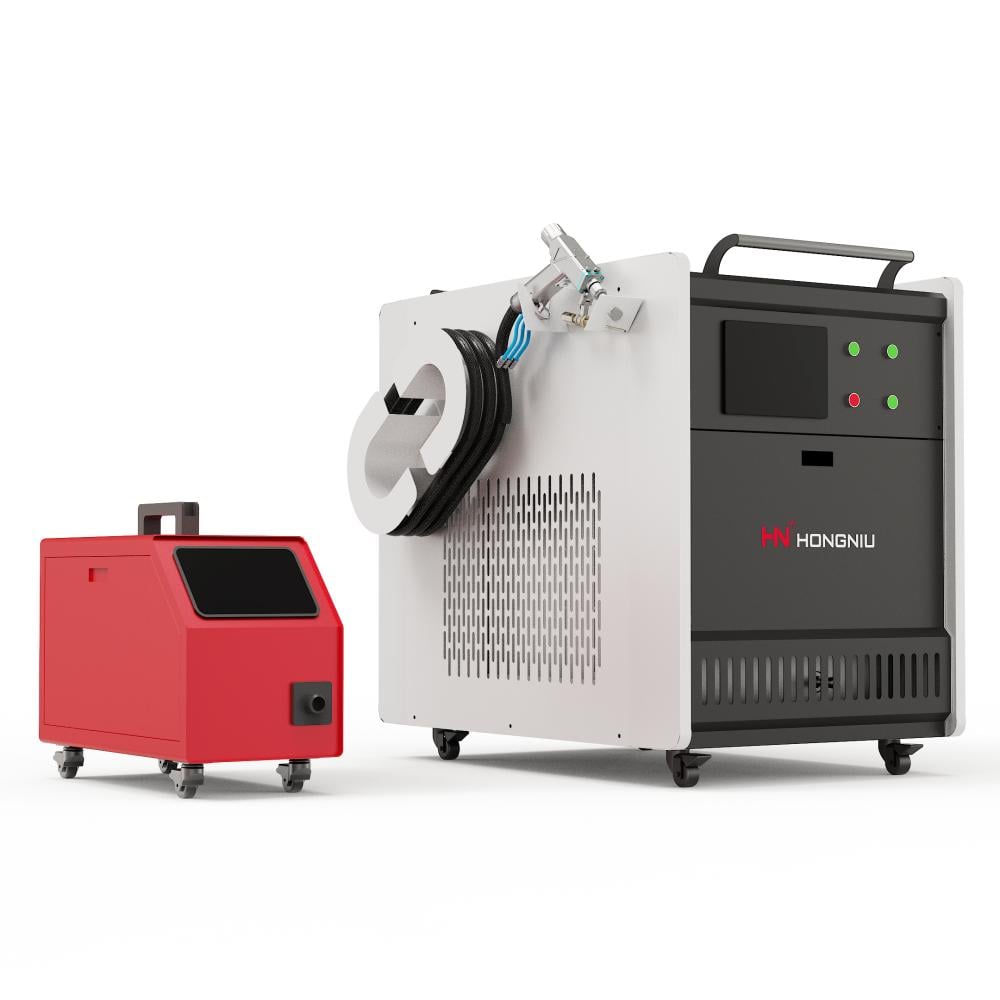
A laser welding machine has become one of the most versatile tools in modern manufacturing. By focusing a concentrated beam of light onto a precise join point, a laser welding machine delivers strong, clean welds with minimal heat distortion. As industries continue to demand tighter tolerances and faster throughput, the laser welding machine has emerged as a reliable solution across a wide range of sectors.
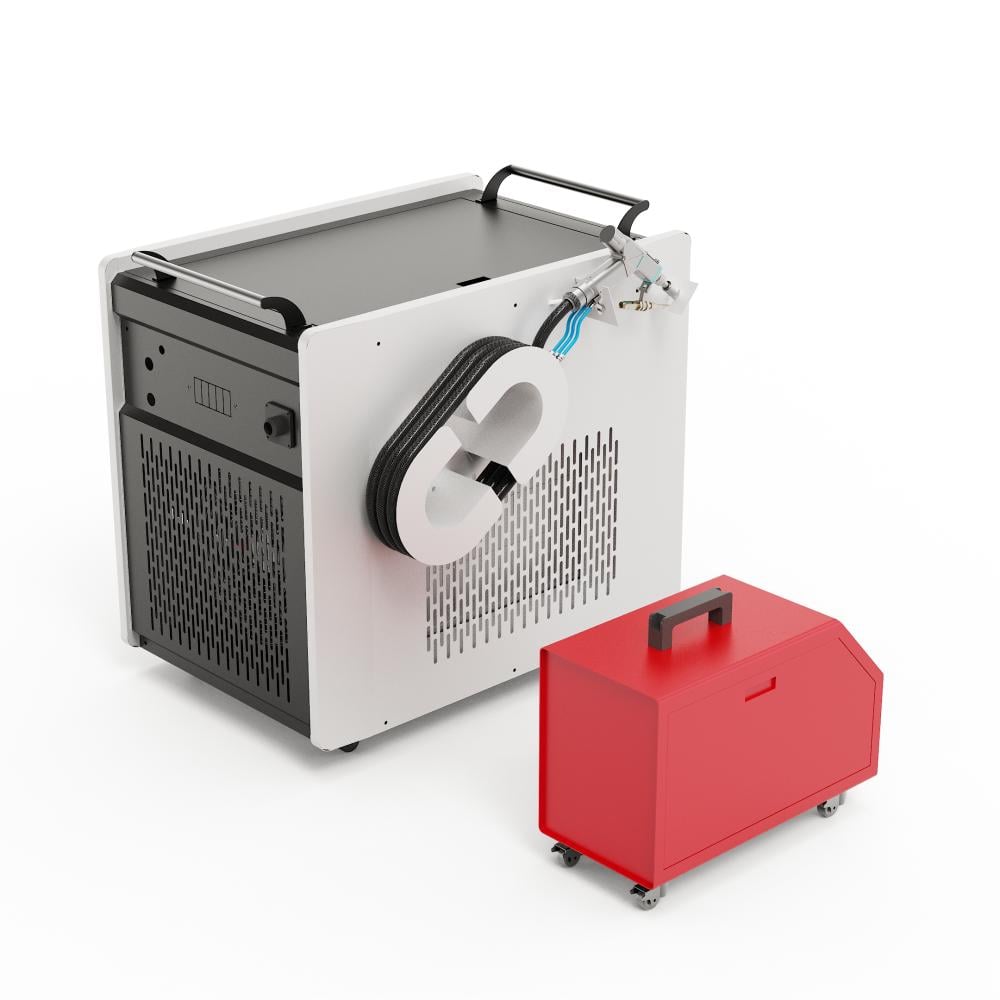
Understanding how a laser welding machine is applied in different industries helps manufacturers, engineers, and procurement professionals make informed technology decisions. Each sector places unique demands on a laser welding machine, whether that means micro-scale precision in medical device production or high-speed throughput in automotive assembly. This article explores the key industries that rely on a laser welding machine and why this technology has become indispensable to their operations.
Automotive and Transportation Manufacturing
Body and Structural Assembly
The automotive industry was among the earliest adopters of the laser welding machine, and it remains one of the largest users today. A laser welding machine enables manufacturers to join thin sheet metal panels with narrow, consistent seams that hold up under mechanical stress. Car body components, door frames, roof panels, and floor structures are routinely processed with a laser welding machine because the process reduces distortion and eliminates the need for post-weld grinding in many cases.
Modern vehicle platforms increasingly use high-strength steel and aluminum alloys. A laser welding machine handles these materials more effectively than conventional arc-based methods because the concentrated energy input minimizes the heat-affected zone. This means a laser welding machine can join dissimilar metals or lightweight alloys without compromising the structural integrity of the assembly.
Battery and Electric Vehicle Components
Electric vehicle production has further expanded the role of the laser welding machine in transportation. Battery cell tabs, module housings, and busbars all require precise, low-resistance welds that a laser welding machine delivers consistently. Given the sensitivity of battery materials to excess heat, a laser welding machine with fine power control is the preferred tool for this application.
Electronics and Precision Engineering
Microelectronics and Sensor Production
In electronics manufacturing, a laser welding machine is valued for its ability to work at extremely small scales without damaging nearby components. Connectors, sensors, relay contacts, and microelectronic housings are regularly joined using a laser welding machine because the beam diameter can be focused to a fraction of a millimeter. A laser welding machine produces virtually no spatter in these environments, which is critical when working alongside sensitive circuitry.
The non-contact nature of a laser welding machine also means that delicate assemblies are not subjected to mechanical force during the joining process. This characteristic makes a laser welding machine particularly useful in applications where component alignment must be maintained precisely before and during welding.
Watchmaking and Fine Instrument Manufacturing
Precision industries such as watchmaking rely on a laser welding machine for repair and original assembly work. The ability to direct a laser welding machine onto a surface area smaller than one millimeter allows craftspeople and technicians to join watch cases, clasps, and bracelet links without discoloring adjacent surfaces. A laser welding machine used in fine instrument manufacturing typically operates in pulsed mode, giving the operator tight control over heat input.
Medical Device and Aerospace Fabrication
Surgical Instruments and Implants
The medical industry demands exceptional material cleanliness and weld integrity, and a laser welding machine meets these standards reliably. Surgical instruments, catheter components, pacemaker housings, and orthopedic implants are all produced with a laser welding machine because the process can be performed in controlled environments with no filler material required. A laser welding machine used in medical fabrication is often integrated with cleanroom-compatible enclosures to prevent contamination.
Stainless steel and titanium are common materials in medical devices, and a laser welding machine joins both effectively. Because a laser welding machine produces a narrow weld bead with a small heat-affected zone, the mechanical and corrosion-resistant properties of these biocompatible materials are preserved throughout the joining process.
Aerospace Components and Structural Parts
Aerospace fabricators use a laser welding machine to join lightweight structural components where weld quality is critical to flight safety. Turbine components, fuel system parts, and structural brackets are processed with a laser welding machine because the process produces repeatable, high-integrity joints. A laser welding machine in aerospace applications is frequently automated and monitored with real-time process controls to ensure traceability and consistency across every weld.
Weight reduction is a constant priority in aerospace design, and a laser welding machine supports this goal by enabling the use of thinner material gauges while still achieving robust joint strength. As aerospace programs adopt more advanced alloys, a laser welding machine continues to adapt to these materials through adjustable beam parameters and advanced optical delivery systems.
FAQ
What materials can a laser welding machine process effectively?
A laser welding machine can process a broad range of materials including carbon steel, stainless steel, aluminum, titanium, copper, and certain dissimilar metal combinations. The suitability of a laser welding machine for a specific material depends on its reflectivity, thermal conductivity, and the laser wavelength being used. Fiber-based laser welding machine models are particularly effective on metals commonly used in industrial and medical manufacturing.
How does a laser welding machine compare to traditional welding in production speed?
A laser welding machine typically operates at significantly higher travel speeds than TIG or MIG welding for thin to medium material thicknesses. Because a laser welding machine concentrates energy into a very small area, it achieves full penetration quickly without requiring multiple passes. In automated production lines, a laser welding machine integrated with robotic handling can dramatically reduce cycle times compared to manual or semi-automatic arc welding methods.
Is a laser welding machine suitable for small-batch and custom production?
Yes, a laser welding machine is well-suited for both high-volume production and small-batch or custom work. Many modern laser welding machine models offer quick parameter changeovers, making it practical to switch between different part geometries or material types without lengthy reconfiguration. For custom fabricators and job shops, a laser welding machine provides the flexibility to handle diverse orders while maintaining consistent weld quality on every job.
