High Quality Laser Welder Guide: Functions, Features, Benefits, and Real World Applications

Get a Free Quote

Our representative will contact you soon.
Email
Name
WhatsApp
Company Name
Message
0/1000

high quality laser welder

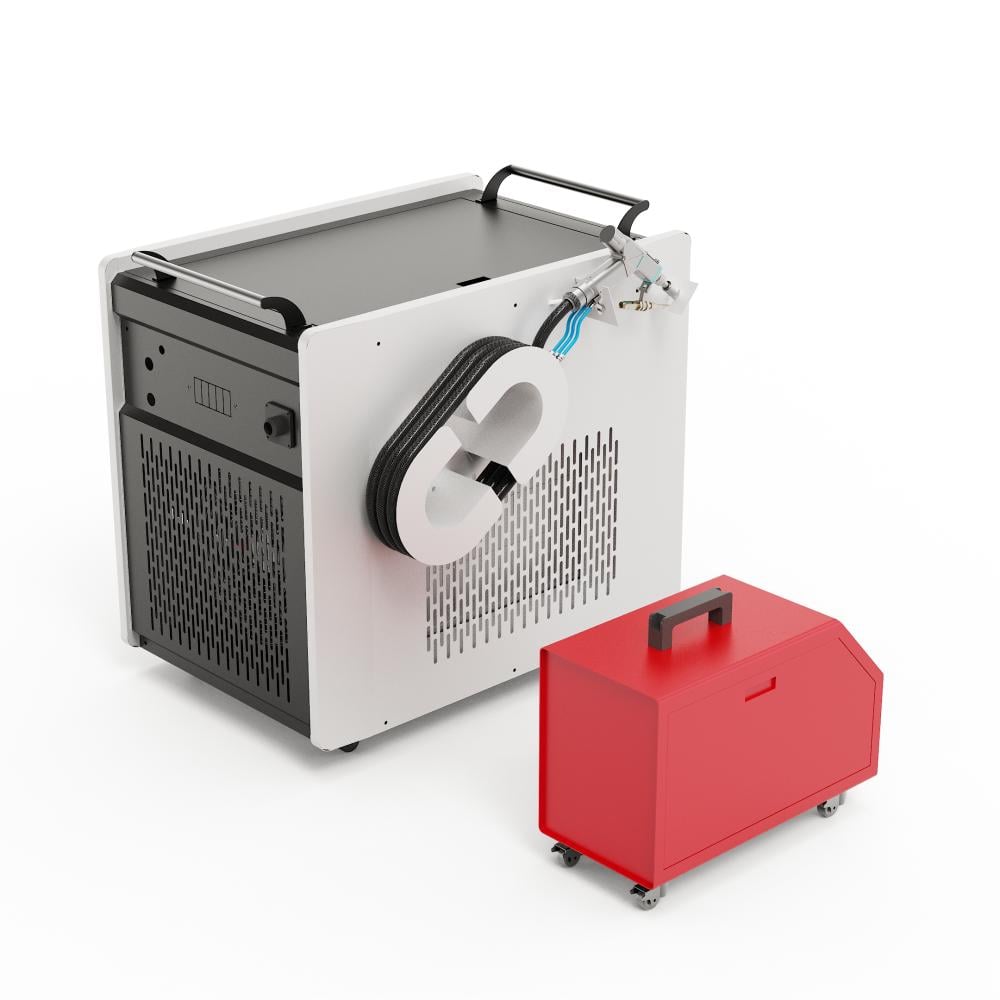
A high quality laser welder is a precision joining system that uses a focused beam of light to fuse metal parts with clean, narrow, and controlled heat input. Unlike older welding tools that spread heat over a large area, this machine places energy exactly where it is needed. The result is a strong weld with less burn marks, less distortion, and less finishing work after joining. For buyers who need reliable production results, a high quality laser welder gives a repeatable process that supports both small batch work and continuous operation. It can handle stainless steel, carbon steel, aluminum, copper, and many alloy combinations used in modern manufacturing. Main functions usually include spot welding, seam welding, overlap welding, corner welding, and repair welding for worn or cracked parts. Many systems allow adjustment of pulse width, frequency, and power, so operators can fine tune performance for thin sheets, medium plates, or delicate components. A high quality laser welder often includes an intuitive control screen, recipe storage, and parameter presets that reduce setup time. Core technological features include fiber laser sources with stable output, real time temperature and power monitoring, high speed beam control, and advanced cooling systems that protect internal components during long shifts. Many models add vision guidance, red dot alignment, and optional wire feeding for wider joints. Safety design is also important, with shielded work zones, emergency stop systems, and protective interlocks that support safe daily use. In practical terms, a high quality laser welder helps factories produce cleaner joints, improve dimensional accuracy, reduce scrap, and shorten delivery cycles. Applications include metal furniture, kitchenware, medical tools, automotive parts, battery packs, hardware fittings, electronics housings, aerospace subassemblies, and custom fabrication shops that demand consistent weld quality and polished product appearance.

New Products

The biggest advantage of a high quality laser welder is control. You direct heat to a very small zone, so nearby material keeps its shape. That simple benefit protects part accuracy and cuts down on rework. When parts do not bend or warp as much, assembly becomes easier and finished products look better. For customers, this means fewer rejected units and fewer delays caused by post weld correction. A high quality laser welder also supports faster processing because the beam creates a weld pool quickly and cools in a short time. Teams can move from one joint to the next with less waiting, which raises daily output without forcing operators to rush. Another practical gain is cleaner weld appearance. A high quality laser welder produces smooth seams with limited spatter and a narrow heat tint zone, so polishing and grinding can often be reduced. Less secondary finishing saves labor cost and keeps production schedules on track. Material flexibility is another strong point. One high quality laser welder can join different metals and different thickness ranges by changing settings rather than changing entire systems. That gives business owners room to accept more project types and respond to shifting demand. Energy efficiency also matters. Because the beam focuses energy only where the joint is, power use can be lower than broad heat methods in many real shop conditions. Lower energy draw plus lower consumable usage supports better long term operating cost. Operator experience improves as well. Modern controls use clear menus, stored presets, and guided parameter setup, so training time is shorter and day to day consistency is higher. Even when staff changes, a high quality laser welder helps maintain stable product quality across shifts. Maintenance planning becomes easier too, since many machines include diagnostics, usage logs, and alarm prompts that help teams solve issues before they become expensive downtime events. Safety is another direct customer benefit. Enclosed designs, viewing windows, interlocks, and automatic shutoff functions create a safer work environment and reduce risk during routine operation. From a business perspective, this stability supports compliance and protects workforce confidence. Finally, a high quality laser welder strengthens customer trust. Buyers receive products with neat seams, strong joints, and consistent dimensions. That visible quality supports brand reputation, repeat orders, and positive word of mouth. In short, choosing a high quality laser welder is not just a technical upgrade. It is a practical decision that improves output speed, lowers correction cost, supports quality goals, and gives manufacturers a reliable path to profitable growth.

Tips And Tricks

How Does a Laser for Cutting Machine Work in Metal Processing?

17

Apr

How Does a Laser for Cutting Machine Work in Metal Processing?

Understanding the operational mechanics of a laser for cutting machine in metal processing requires examining the sophisticated interplay of light amplification, beam focusing, and thermal energy transfer. These advanced manufacturing systems utilize...
View More
Laser Metal Cutting Machine vs Waterjet Cutting

24

Apr

Laser Metal Cutting Machine vs Waterjet Cutting

When manufacturing professionals need precise metal cutting solutions, the choice between a laser metal cutting machine and waterjet cutting technology represents a critical decision that impacts production efficiency, cost structure, and part qualit...
View More
Types of Laser for Cutting Machine and Their Applications

23

Apr

Types of Laser for Cutting Machine and Their Applications

The selection of an appropriate laser for cutting machine operations represents a critical decision that directly impacts manufacturing productivity, cut quality, and operational costs. Modern industrial laser cutting technology encompasses several d...
View More
Advantages of Metal Laser Cutting Machines for OEM Factories

28

May

Advantages of Metal Laser Cutting Machines for OEM Factories

OEM factories operating in competitive manufacturing environments constantly seek technologies that enhance precision, reduce waste, and accelerate production cycles. The metal laser cutting machine has emerged as a transformative asset for original ...
View More

Get a Free Quote

Our representative will contact you soon.
Email
Name
WhatsApp
Company Name
Message
0/1000

high quality laser welder

Precision Heat Control That Protects Product Quality and Reduces Waste

Precision Heat Control That Protects Product Quality and Reduces Waste

A defining strength of a high quality laser welder is its ability to deliver precise heat control at the exact joint location. In practical production settings, this feature solves one of the most common welding problems, unwanted heat spread. When heat moves too far from the seam, parts can twist, edges can discolor, and tight tolerances can drift. With a high quality laser welder, the beam stays focused and stable, so thermal impact is limited to a narrow zone. This protects surrounding surfaces and helps manufacturers keep accurate dimensions from first part to last part. The benefit is immediate in industries that rely on appearance and fit, such as decorative metal products, appliance panels, medical housings, and consumer electronics frames. Better control also means stronger consistency in joint formation. Operators can set power, pulse rhythm, and movement speed to match material behavior, then repeat that recipe across many units. Instead of relying on guesswork, teams use repeatable settings that produce reliable penetration and smooth seam shape. This lowers variation between shifts and reduces the number of parts that fail inspection. Another key value is lower scrap. When distortion and burn through rates drop, less raw material is lost and fewer hours are spent fixing defects. Over time, this has a direct effect on cost per unit and project profitability. A high quality laser welder also supports cleaner edges and less spatter, which cuts finishing effort. Workers spend less time grinding and polishing, and more time on productive output. For customers, the outcome is clear, products arrive with better appearance, better structural quality, and shorter lead times. In highly competitive markets, those improvements can decide whether a supplier wins repeat business. Precision heat control is therefore not just a technical detail. It is a core business advantage that links process stability, visual quality, and cost management. Companies that adopt this capability gain more confidence in delivery promises, maintain tighter quality standards, and build a reputation for dependable manufacturing performance.
High Throughput and Flexible Operation for Real Production Demands

High Throughput and Flexible Operation for Real Production Demands

Speed matters in manufacturing, but speed without control creates defects and missed deadlines. A high quality laser welder delivers both pace and stability, allowing companies to raise throughput while protecting product standards. The process starts fast because the laser reaches effective joining conditions in a short time. It also transitions quickly between weld points, which supports high cycle work in serial production. For factories handling frequent orders, this means more completed units per shift and better use of labor hours. The value grows when order mix changes. A high quality laser welder can switch between part types by loading saved process recipes instead of rebuilding the entire setup. Operators choose a preset, confirm material and thickness, then continue production with minimal interruption. This flexibility helps small and medium businesses accept varied projects without sacrificing schedule reliability. It also helps larger plants run mixed lines where product designs differ by model or customer requirement. Another advantage is compatibility with automation. Many systems connect with robotic arms, rotary fixtures, conveyors, and digital production tracking platforms. Once integrated, the welding cell can run with consistent movement and synchronized timing, reducing manual variability and supporting predictable output targets. Even in semi automatic mode, the controlled beam path reduces operator fatigue because less correction is needed. A high quality laser welder also improves planning confidence. When weld quality remains stable at higher speed, production managers can forecast completion times more accurately and commit to delivery dates with less risk. This reliability strengthens supplier relationships and reduces penalties from late shipments. From a cost angle, faster cycle time plus lower defect rate creates a strong return profile. Businesses spend less on rework, less on overtime caused by backlog, and less on emergency corrections after final inspection. Customers benefit as well, they receive parts on time with consistent seam quality and fewer cosmetic flaws. In short, throughput and flexibility are not separate goals. A high quality laser welder combines them into one practical capability, helping manufacturers stay responsive, efficient, and competitive in changing market conditions.
User Friendly Control, Safer Workflows, and Lower Long Term Operating Cost

User Friendly Control, Safer Workflows, and Lower Long Term Operating Cost

Many equipment decisions fail because machines are powerful but difficult to use. A high quality laser welder addresses this issue with practical design choices that support daily operation, team training, and long term cost control. Modern interface layouts are clear and structured, with visual menus that guide users through parameter selection, job storage, and process checks. New operators can learn core functions faster, while experienced technicians can fine tune advanced settings when special materials require custom handling. This balance between simplicity and depth is important for companies that need stable output across multiple shifts and mixed skill levels. A high quality laser welder often includes monitoring tools that track power behavior, cooling status, and alarm history. These built in diagnostics help maintenance teams detect issues early, schedule service at planned times, and avoid sudden downtime during peak production periods. Predictive care reduces disruption and protects delivery commitments. Safety is another major source of value. Enclosed work zones, interlocked doors, beam shielding, and emergency stop controls reduce risk exposure during normal use. A safer station improves operator confidence, lowers incident probability, and supports workplace compliance goals. Productivity rises when teams trust equipment and spend less time managing avoidable hazards. Operating cost is where these features converge. Because a high quality laser welder focuses energy precisely, material waste and post weld finishing effort often decline. Because settings are stored and repeatable, setup errors decrease. Because diagnostics are available, maintenance becomes more efficient. Together, these effects reduce total cost of ownership over the machine life cycle. Companies do not just buy a welding tool, they gain a stable production asset that supports planning, quality control, and budget discipline. From the customer perspective, this translates into consistent product quality, fewer shipment delays, and more dependable service from the supplier. The machine therefore adds value beyond the welding station itself. It helps create smoother workflows, stronger process accountability, and a production environment where quality and efficiency can grow together year after year.

Get a Free Quote

Our representative will contact you soon.
Email
Name
WhatsApp
Company Name
Message
0/1000