 EN
EN

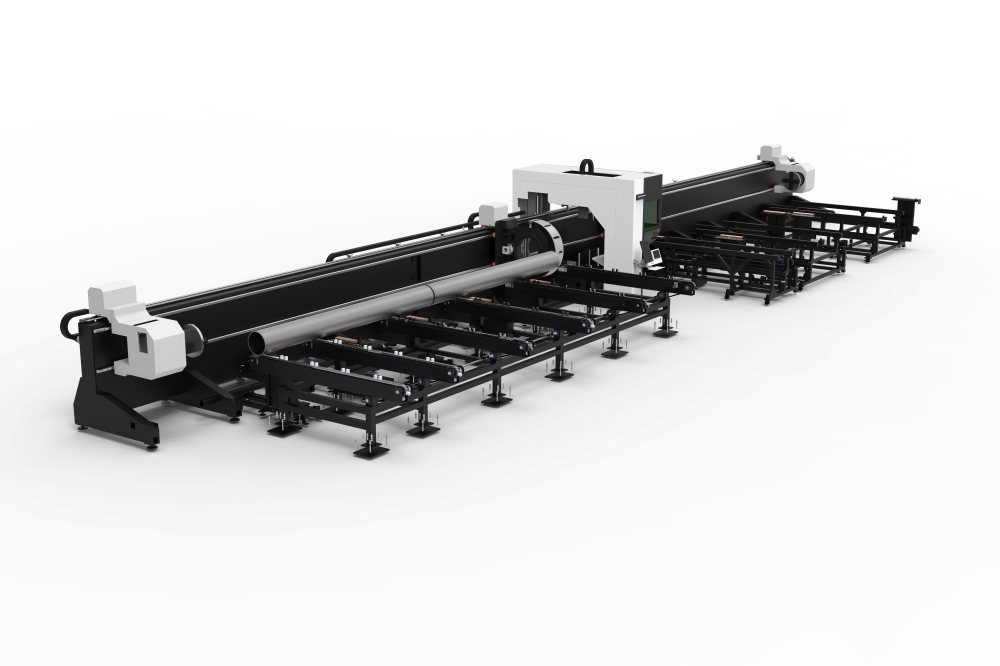
When evaluating modern joining technologies, the comparison between a laser welder machine and traditional welding methods is one of the most consequential decisions a manufacturer or fabricator can make. The choice directly affects weld quality, production throughput, material compatibility, and long-term operational costs. As industrial demands grow more precise and competitive, understanding where each technology excels — and where it falls short — has never been more important.
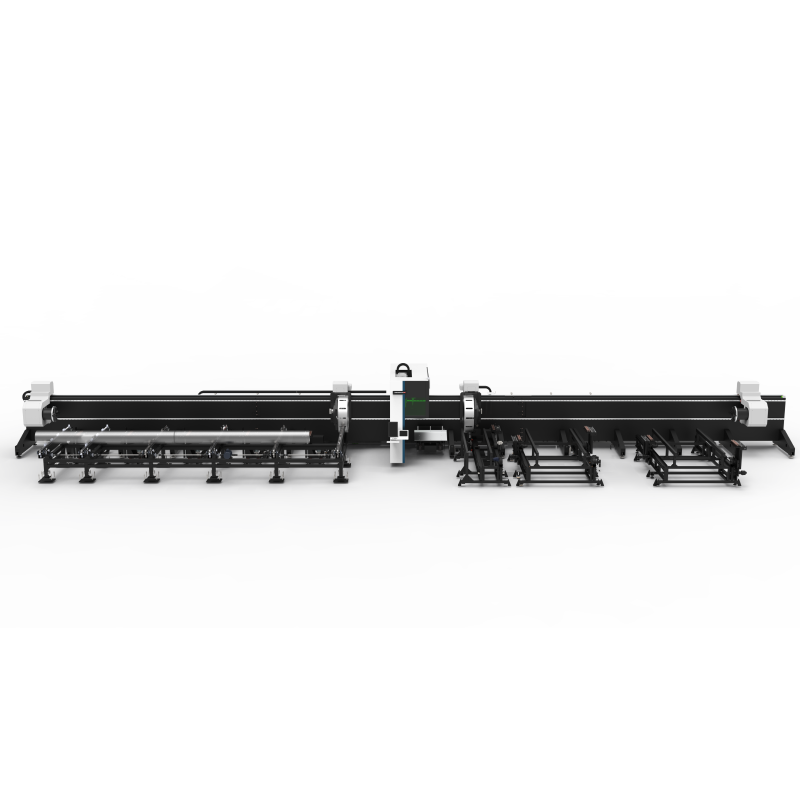
A laser welder machine uses a concentrated beam of coherent light to fuse materials with exceptional precision, minimal heat input, and high repeatability. Traditional welding methods — including MIG, TIG, stick, and plasma welding — rely on electrical arcs or gas flames to generate the heat needed for fusion. Both approaches can produce strong, durable joints, but they do so through fundamentally different mechanisms, and those differences have significant implications for industrial applications ranging from automotive and aerospace to jewelry and medical device manufacturing.
Core Technology Differences
How a Laser Welder Machine Generates and Delivers Heat
A laser welder machine generates heat through a highly focused photon beam, typically produced by a fiber laser source. This beam is directed through an optical system and concentrated onto a very small spot on the workpiece surface. The energy density at that focal point is extraordinarily high, enabling rapid melting and solidification of the base material with minimal thermal spread into surrounding areas.
Because the heat-affected zone (HAZ) is so narrow, a laser welder machine can join thin or delicate materials without warping, discoloration, or structural compromise. The process is also highly controllable — operators can adjust power, pulse duration, frequency, and beam diameter to match the specific requirements of each material and joint geometry. This level of control is difficult to replicate with conventional arc-based processes.
Fiber laser welder machines, in particular, offer excellent beam quality and energy efficiency. The fiber delivery system allows the beam to be routed flexibly, making it suitable for both handheld and automated configurations. This adaptability is a key reason why the laser welder machine has become a preferred tool in high-precision manufacturing environments.
How Traditional Welding Methods Generate and Deliver Heat
Traditional welding methods generate heat through electrical arcs or combustion. In MIG (Metal Inert Gas) welding, a consumable wire electrode is fed continuously into the weld pool while a shielding gas protects the molten metal from atmospheric contamination. TIG (Tungsten Inert Gas) welding uses a non-consumable tungsten electrode and typically requires a separate filler rod, offering greater control but demanding higher operator skill.
Stick welding, one of the oldest methods, uses a coated consumable electrode and is valued for its portability and ability to work on rusty or dirty surfaces. Plasma welding is similar to TIG but uses a constricted arc for higher energy density. All of these methods produce a relatively wide heat-affected zone compared to a laser welder machine, which can lead to greater distortion, especially on thin-gauge materials.
Traditional methods are well-understood, widely supported by a large workforce of trained welders, and generally require lower upfront equipment investment. However, they are more dependent on operator skill, and their heat management characteristics make them less suitable for applications where dimensional accuracy and surface finish are critical.
Weld Quality and Precision
Precision Advantages of the Laser Welder Machine
One of the most cited advantages of a laser welder machine is its ability to produce narrow, deep welds with a high depth-to-width ratio. This 'keyhole' welding mode allows the laser to penetrate deeply into the material while keeping the weld bead extremely narrow. The result is a clean, aesthetically refined joint that often requires little or no post-weld finishing.
For industries where cosmetic appearance matters — such as consumer electronics, jewelry, and medical devices — the laser welder machine delivers a level of surface quality that arc welding methods simply cannot match without extensive grinding and polishing. The minimal spatter and low oxidation associated with laser welding also reduce rework time and material waste.
Repeatability is another area where the laser welder machine excels. When integrated into an automated production line, the laser process can deliver consistent weld parameters across thousands of cycles without the variability introduced by human operator fatigue or technique differences. This consistency is critical for quality-controlled manufacturing environments.
Weld Quality Characteristics of Traditional Methods
Traditional welding methods can produce structurally sound welds across a wide range of material thicknesses and joint configurations. Skilled TIG welders, in particular, can achieve high-quality results on stainless steel, aluminum, and exotic alloys. However, the quality is inherently more variable and depends heavily on the welder's experience, technique, and working conditions.
Spatter, porosity, and distortion are more common challenges in arc welding, especially at higher amperages or on thinner materials. Post-weld cleanup — including grinding, wire brushing, and chemical treatment — is often necessary to meet surface finish requirements. These additional steps add time and cost to the production process.
That said, traditional methods remain highly effective for structural applications where weld bead appearance is secondary to joint strength and penetration depth. In heavy fabrication, shipbuilding, and construction, the robustness and accessibility of arc welding methods continue to make them the practical choice.
Speed, Efficiency, and Production Output
Production Speed with a Laser Welder Machine
A laser welder machine operates at significantly higher speeds than most traditional welding processes. Laser welding travel speeds can reach several meters per minute depending on material type and thickness, compared to the much slower speeds typical of TIG or stick welding. This speed advantage translates directly into higher production throughput and lower labor cost per unit.
In automated configurations, a laser welder machine can run continuously with minimal downtime, further amplifying its productivity advantage. The reduced need for post-weld processing — due to cleaner welds and lower spatter — also shortens the overall production cycle. For high-volume manufacturers, these time savings compound significantly over a production run.
Energy efficiency is another consideration. Fiber laser welder machines convert electrical energy to laser output with high efficiency, typically in the range of 25 to 35 percent wall-plug efficiency. While the upfront power draw can be substantial, the energy consumed per weld is often lower than comparable arc processes when factoring in cycle time and rework reduction.
Throughput Considerations for Traditional Welding
Traditional welding methods are generally slower, particularly for precision work. TIG welding, while capable of excellent quality, is a slow process that demands careful torch manipulation and filler rod feeding. MIG welding is faster but still limited by the need for inter-pass cooling, spatter cleanup, and operator repositioning on complex geometries.
For low-volume or one-off fabrication, the setup simplicity of traditional methods can offset their slower cycle times. A skilled welder with a MIG or TIG setup can begin work quickly without the optical alignment and parameter programming required by a laser welder machine. This flexibility makes traditional methods well-suited for repair work, custom fabrication, and field applications.
However, as production volumes increase, the cumulative time cost of slower welding speeds, higher rework rates, and more intensive post-processing begins to favor the laser welder machine. The break-even point depends on part complexity, material type, and quality requirements, but for many mid-to-high volume applications, the laser approach delivers a clear efficiency advantage.
Material Compatibility and Application Range
Materials Suited to a Laser Welder Machine
A laser welder machine performs exceptionally well on a broad range of metals, including stainless steel, carbon steel, aluminum, copper, titanium, and various alloys. Its low heat input makes it particularly well-suited for heat-sensitive materials and thin-gauge components where distortion must be minimized. Dissimilar metal welding — joining two different materials — is also more feasible with laser welding due to the precise control over energy delivery.
The laser welder machine is widely used in industries that demand tight tolerances and clean aesthetics. Automotive manufacturers use it for body panels and battery enclosures. Medical device producers rely on it for implants and surgical instruments. Electronics manufacturers use it for micro-welding of connectors and housings. In each case, the laser welder machine's precision and cleanliness are decisive advantages.
Reflective materials such as copper and gold can present challenges for some laser configurations due to their high reflectivity at certain wavelengths. However, modern fiber laser welder machines operating at 1070 nm wavelength have significantly improved performance on these materials, expanding the application range further.
Material and Application Range of Traditional Welding
Traditional welding methods cover an extremely wide range of materials and thicknesses. Stick welding can handle heavy structural steel in outdoor environments. MIG welding is versatile across steel, aluminum, and stainless steel. TIG welding is preferred for exotic alloys, thin materials, and applications requiring the highest joint integrity. This breadth of capability makes traditional methods indispensable in many sectors.
For very thick materials — such as heavy plate steel used in pressure vessels or structural beams — traditional arc welding methods often remain the more practical choice. Multi-pass welding techniques allow arc processes to build up large weld volumes that would be impractical or uneconomical with a laser welder machine at current power levels.
Traditional methods also have a significant advantage in field and maintenance welding, where portability and environmental tolerance are essential. A laser welder machine requires a controlled environment, stable fixturing, and careful optical maintenance — conditions that are not always available outside a factory setting. For on-site repair and construction welding, arc-based methods remain the dominant choice.
Cost Structure and Return on Investment
Investment and Operating Costs of a Laser Welder Machine
The upfront cost of a laser welder machine is higher than most traditional welding equipment. A professional-grade fiber laser welder machine represents a significant capital investment, and the associated optical components, cooling systems, and safety enclosures add to the total cost of ownership. For small shops or low-volume operations, this initial outlay can be a barrier to adoption.
However, the operating cost profile of a laser welder machine is often more favorable over time. Consumable costs are low — there are no electrodes, filler wires, or shielding gas requirements in many configurations. Maintenance is primarily focused on the optical path and cooling system, both of which are designed for long service life in industrial environments. The reduction in rework, post-processing, and scrap also contributes to a lower total cost per weld.
For manufacturers producing high volumes of precision components, the return on investment for a laser welder machine can be realized within one to three years, depending on production volume and the cost of quality failures avoided. The key is accurately modeling the full cost comparison — including labor, rework, and cycle time — rather than comparing equipment purchase prices alone.
Cost Considerations for Traditional Welding Methods
Traditional welding equipment is generally more affordable to purchase and easier to source. Entry-level MIG and TIG welders are widely available, and the infrastructure requirements — power supply, shielding gas, consumables — are well-understood and broadly supported. For small fabrication shops, startups, or operations with diverse and unpredictable workloads, this accessibility is a genuine advantage.
The ongoing costs of traditional welding include consumables such as electrodes, filler wire, and shielding gas, as well as the labor cost of skilled welders. Welder wages vary significantly by region and specialization, but skilled TIG welders in particular command premium rates. As labor costs rise and skilled welder availability tightens in many markets, the economic case for automating with a laser welder machine becomes stronger.
Post-weld processing costs — grinding, cleaning, straightening, and inspection — are also higher for traditional methods on precision work. These hidden costs are often underestimated when comparing welding technologies, and they can significantly shift the total cost comparison in favor of the laser welder machine for the right application profile.
FAQ
Is a laser welder machine suitable for beginners or small workshops?
Modern handheld fiber laser welder machines have made the technology significantly more accessible than earlier generations. Many current models feature intuitive interfaces, preset welding parameters, and safety systems that reduce the learning curve. While a laser welder machine still requires proper training and safety protocols, it is no longer exclusively the domain of large industrial operations. Small workshops producing jewelry, metal art, or precision components can benefit from the technology, provided the investment aligns with their production volume and quality requirements.
Can a laser welder machine replace TIG welding entirely?
In many precision welding applications, a laser welder machine can replace TIG welding with superior speed, consistency, and surface finish. However, TIG welding retains advantages in certain scenarios — particularly for very thick materials, complex joint geometries requiring manual manipulation, and field repair work where portability is essential. The two technologies are increasingly complementary rather than strictly competitive, with manufacturers often using a laser welder machine for high-volume production and TIG for specialized or low-volume tasks.
What materials cannot be welded with a laser welder machine?
A laser welder machine can process most common metals and alloys, but certain materials present challenges. Highly reflective metals like pure copper and gold require careful parameter selection and may need surface preparation to improve laser absorption. Some plastics and composites can be laser welded, but the process parameters differ significantly from metal welding. Materials with very high thermal conductivity or low melting points may require specialized laser configurations. Consulting the equipment specifications and conducting material trials is always recommended before committing to a laser welder machine for a new material type.
How does the heat-affected zone of a laser welder machine compare to MIG welding?
The heat-affected zone produced by a laser welder machine is substantially narrower than that of MIG welding. In MIG welding, the arc generates a broad thermal field that heats a significant volume of material surrounding the weld, which can cause distortion, grain growth, and changes in mechanical properties. A laser welder machine concentrates energy so precisely that the HAZ is often just a fraction of a millimeter wide, preserving the base material properties and minimizing distortion. This difference is especially significant for thin-gauge materials, heat-sensitive alloys, and components with tight dimensional tolerances.
