Operational Flexibility Supporting Diverse Manufacturing Strategies
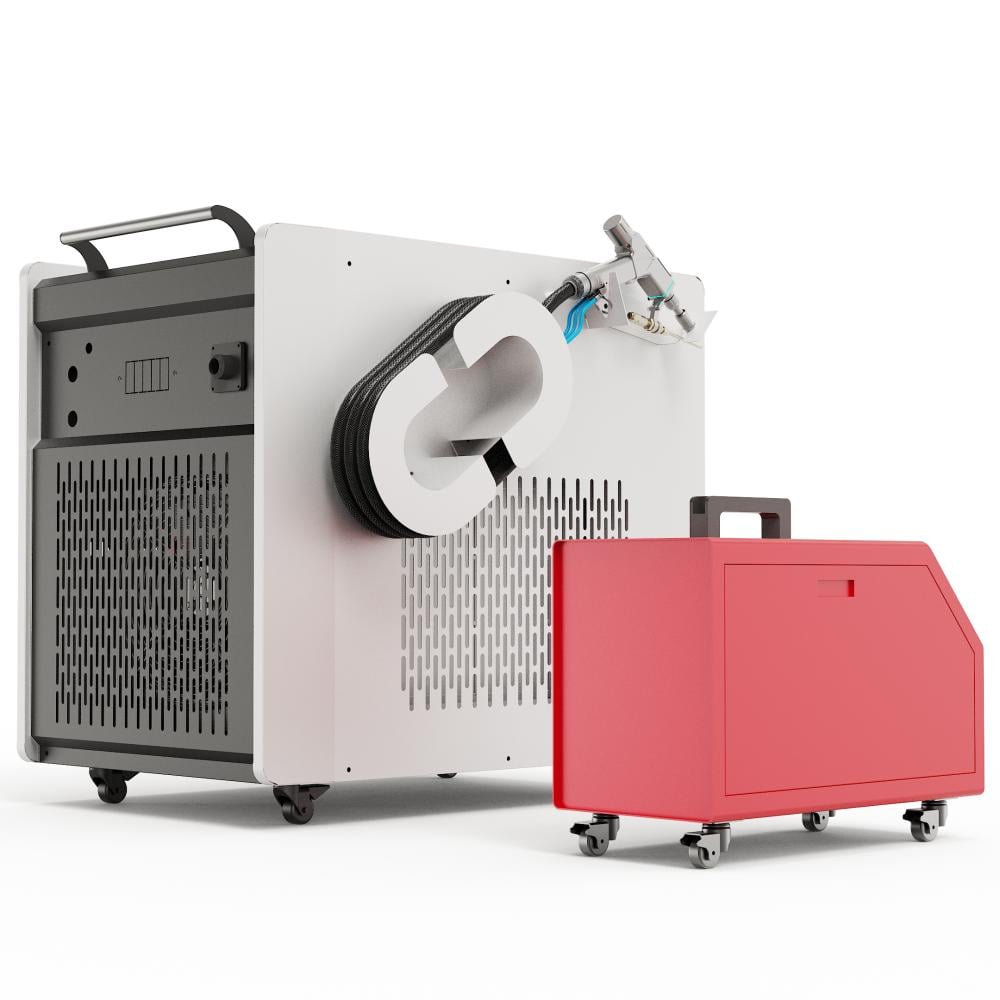
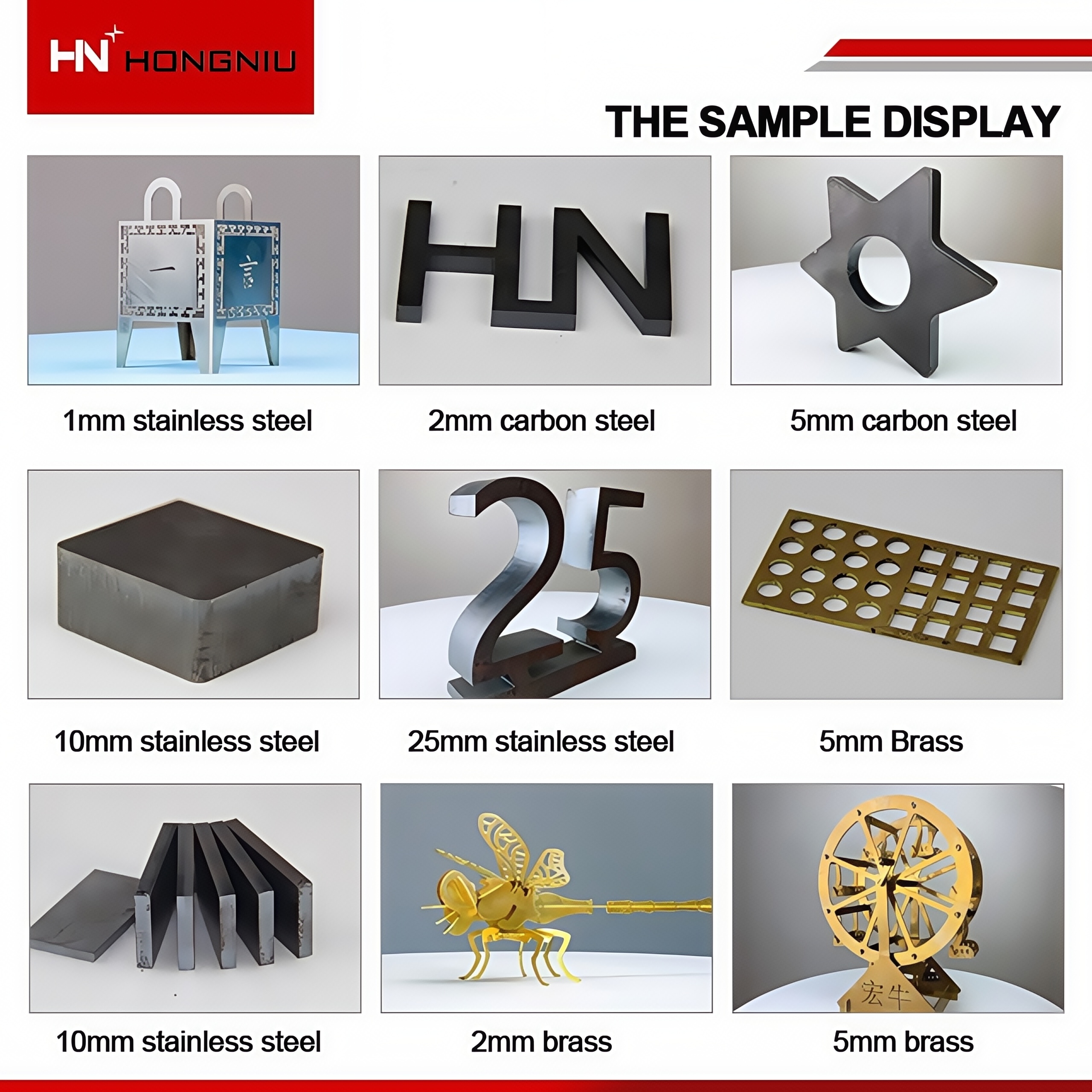
The operational flexibility inherent in a customized metal laser cutting machine provides manufacturers with strategic advantages that extend far beyond simple cutting capabilities, enabling responsive production strategies that adapt quickly to changing market conditions, customer requirements, and design innovations. This flexibility manifests in multiple dimensions, beginning with the ability to process an extensive range of metal types and thicknesses without requiring dedicated tooling, setup changes, or lengthy reconfiguration procedures that plague traditional cutting methods. A single customized metal laser cutting machine can seamlessly transition from cutting thin stainless steel sheet for electronics enclosures to processing thick aluminum plate for structural components, then switch to brass or copper for decorative applications, all within the same production shift using nothing more than program changes and parameter adjustments. This multi-material capability allows manufacturers to consolidate operations that previously required separate equipment for different material types, reducing capital investment, floor space requirements, and the complexity of production scheduling across multiple machines. The digital nature of laser cutting eliminates the need for physical tooling, templates, or dies that must be manufactured, stored, and maintained for each part design, dramatically reducing the lead time and cost associated with new product introductions or design modifications. When engineering changes occur, updates to cutting programs can be implemented immediately without waiting for new tooling fabrication or worrying about obsolete dies becoming sunk costs. This agility proves invaluable for manufacturers serving markets characterized by frequent design iterations, customization requirements, or rapid product lifecycles where time-to-market determines competitive success. The customized metal laser cutting machine supports both high-volume production runs and economical small-batch manufacturing, making it equally suitable for mass production environments seeking maximum throughput and job shops handling diverse custom projects with quantities ranging from single prototypes to small series. This versatility allows businesses to pursue mixed manufacturing strategies that balance stable production contracts with opportunistic custom work, maximizing equipment utilization and revenue potential. The ability to cut complex geometries, intricate patterns, and tight-tolerance features that would be impossible or prohibitively expensive with conventional methods opens design freedom that enables product differentiation and innovation. Engineers can specify organic curves, precise hole patterns, detailed cutouts, and sophisticated nesting arrangements that optimize material usage without concern for the manufacturing constraints that limit traditional cutting approaches. Integration capabilities allow the customized metal laser cutting machine to function as part of comprehensive manufacturing systems, communicating with design software for direct import of CAD files, connecting with inventory systems for automated material tracking, and interfacing with quality control equipment for in-process verification and documentation. This connectivity supports lean manufacturing principles, lights-out operation capabilities, and data-driven process optimization that continuously improve efficiency, quality, and profitability throughout the production lifecycle.