Quality Laser Welding Machine Guide: Functions, Features, Benefits, and Real World Applications

Get A Quote
Get A Quote

quality laser welding machine

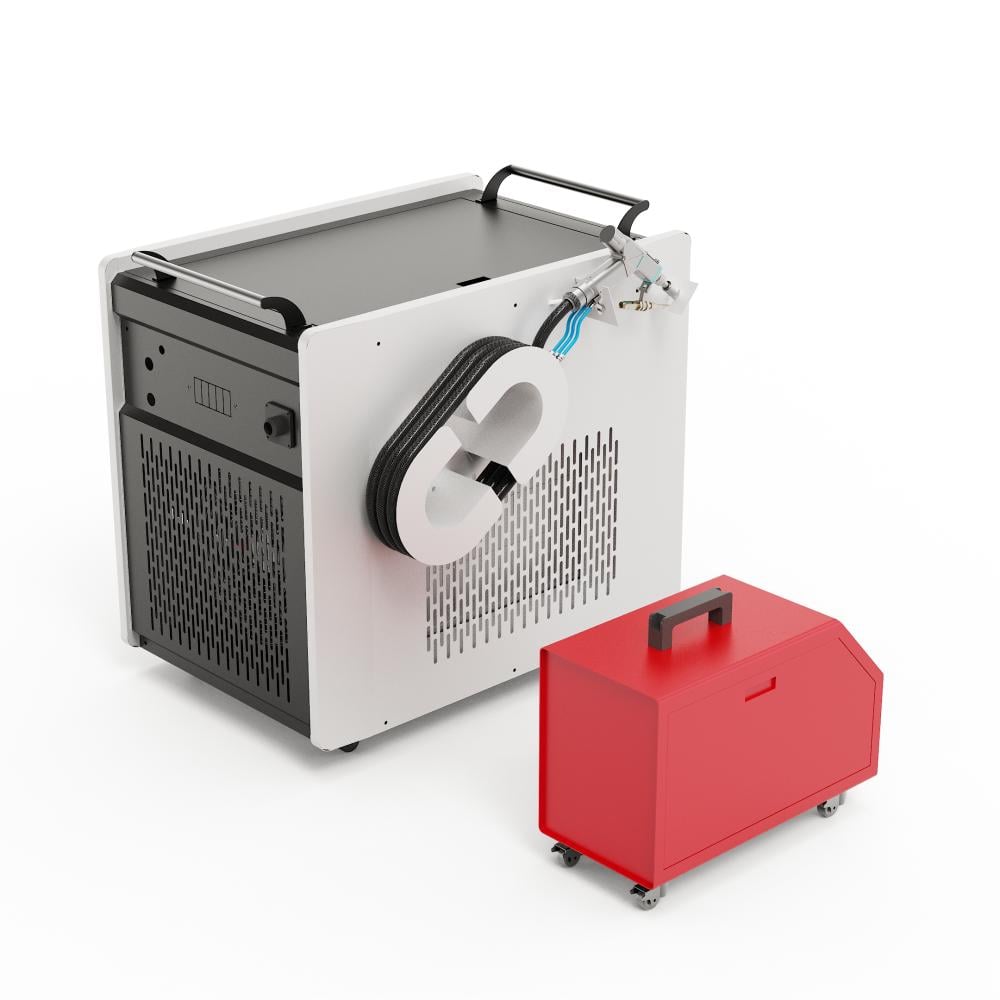
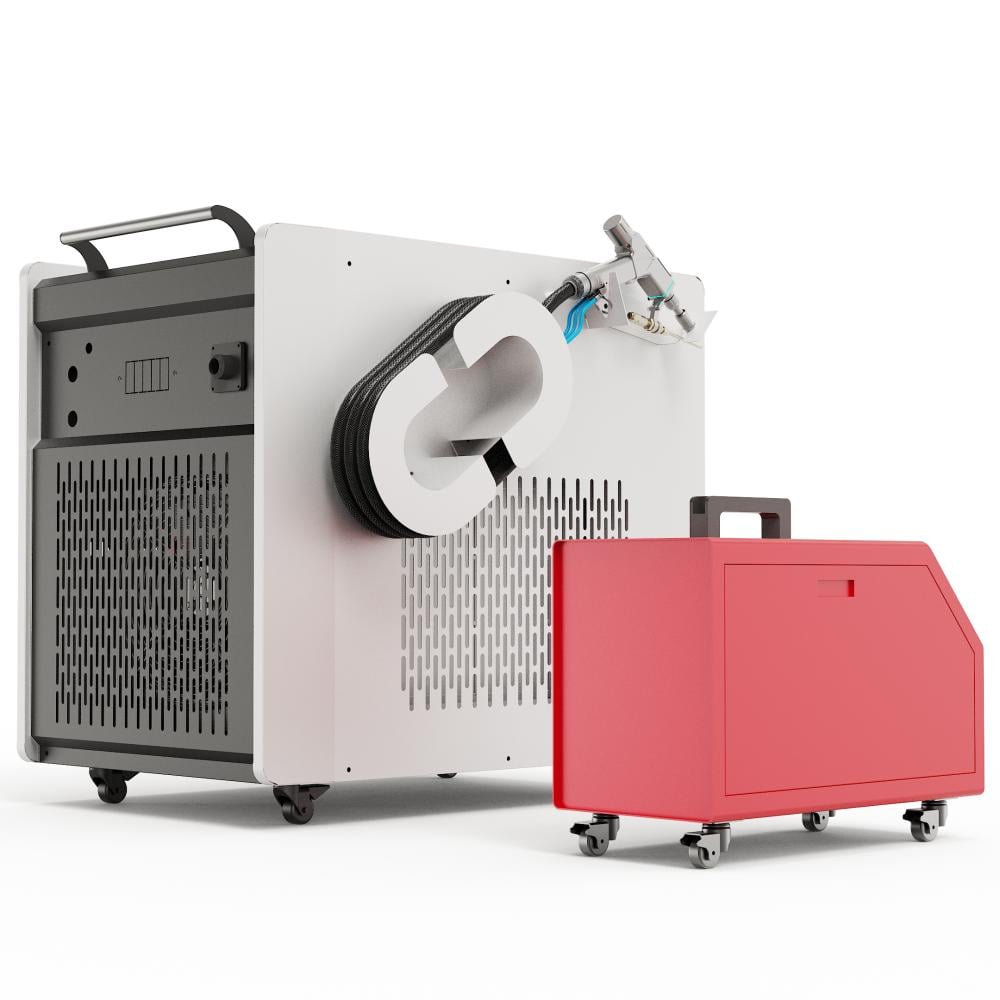
A quality laser welding machine gives modern workshops a fast and reliable way to join metal parts with clean, controlled heat. Instead of spreading heat across a wide area, this system directs a focused beam exactly where the joint needs energy. That control helps operators create strong seams while keeping nearby surfaces in good condition. A quality laser welding machine can handle thin sheets, medium thickness components, and many precise assemblies used in daily production. It supports manual work for custom jobs and automated work for larger runs, so teams can scale output without changing the entire process. The main functions are simple and practical. A quality laser welding machine joins metals with narrow weld lines, supports spot welding for quick tack points, and performs seam welding for continuous joints. Many models also allow pulse and continuous modes, which helps users adjust for speed, heat input, and appearance. Built in parameter memory lets staff save proven settings for repeated products, reducing setup time and reducing mistakes between shifts. A quality laser welding machine often includes an easy control panel, real time power display, and safety interlocks that protect both operators and equipment. Technological features focus on consistency. Fiber laser sources provide stable output, efficient energy use, and low service needs. Smart cooling systems keep the process steady through long operating hours. Beam delivery through optical fiber supports flexible workstation layout. Some systems include vision guidance, seam tracking, and simple monitoring tools that alert users when process values drift. These features help the quality laser welding machine deliver repeatable weld quality with less rework. Applications cover many sectors. Manufacturers use a quality laser welding machine for kitchen hardware, metal furniture, automotive brackets, battery packs, electronic housings, medical tools, and stainless steel products. Job shops use it for repair, prototyping, and short batch orders. In each case, the same benefit stands out, the quality laser welding machine combines precision, speed, and dependable results that help businesses meet deadlines and customer standards.
The biggest advantage of a quality laser welding machine is control. You can place heat exactly where you need it, so parts stay closer to their original shape. That means fewer bends, less warping, and less time spent correcting problems after welding. A quality laser welding machine gives operators confidence when they work on visible parts where finish quality matters. Cleaner weld lines also reduce grinding and polishing, which saves labor hours every week. A quality laser welding machine also improves production speed. The process starts quickly, moves fast along the joint, and finishes with minimal cleanup. Teams can complete more parts per shift without increasing headcount. Because a quality laser welding machine can store settings for repeated jobs, workers spend less time adjusting controls and more time producing sellable output. This direct gain in throughput supports better delivery performance and helps businesses accept more orders. Operating costs stay manageable over time. A quality laser welding machine uses energy efficiently, and many fiber based systems require less routine maintenance than older welding equipment. Fewer consumables, fewer replacement parts, and lower downtime all reduce total cost per unit. When you calculate cost over months, a quality laser welding machine often becomes a practical investment rather than a premium expense. Training is easier than many buyers expect. Modern interfaces show key values clearly, and preset programs guide new users toward stable results. With standard procedures in place, a quality laser welding machine helps teams keep output consistent across different shifts and skill levels. This consistency protects your brand, because customers receive similar weld quality from batch to batch. Flexibility is another clear benefit. A quality laser welding machine handles stainless steel, carbon steel, aluminum alloys, and mixed assemblies in many production settings. You can use one system for prototypes in the morning and repeat manufacturing in the afternoon. For small companies, this flexibility avoids buying separate tools for every product type. For larger companies, a quality laser welding machine supports faster changeovers between product lines. Workplace conditions also improve. A quality laser welding machine can reduce spatter, smoke, and post weld debris compared with less focused processes. Cleaner stations are easier to manage, safer to inspect, and more pleasant for staff. Better process stability also lowers scrap rates. Each accepted part saves material, machine time, and labor. Over a quarter or full year, the quality laser welding machine helps convert these daily gains into higher margins, stronger customer trust, and a more predictable production schedule.

Latest News

Why Choose a Fiber Laser Cutting Machine for Metal Cutting?

12

May

Why Choose a Fiber Laser Cutting Machine for Metal Cutting?

In the rapidly evolving world of industrial manufacturing, the demand for speed, precision, and cost-efficiency has never been higher. For B2B enterprises engaged in metal fabrication, selecting the right equipment is a foundational business decision...
View More
Laser Cut Machine vs Mechanical Cutting: Key Differences

12

May

Laser Cut Machine vs Mechanical Cutting: Key Differences

In the industrial fabrication landscape, the choice between thermal precision and mechanical force determines the efficiency, cost, and quality of the final product. For decades, mechanical cutting—utilizing physical tools like shears, punches...
View More
Why CNC Laser Cutting Machines Improve Production Consistency?

12

May

Why CNC Laser Cutting Machines Improve Production Consistency?

In the modern manufacturing landscape, the transition from manual fabrication to automated systems has redefined the benchmarks for quality. For B2B industrial firms, the ability to deliver ten thousand identical parts is just as important as the abi...
View More
Metal Laser Cutting Machine vs Plasma and Flame Cutting

07

May

Metal Laser Cutting Machine vs Plasma and Flame Cutting

Metal fabrication businesses face a critical decision when selecting cutting technology that directly impacts production efficiency, part quality, and operational costs. While traditional plasma and flame cutting methods have served manufacturers for...
View More

Get a Free Quote

Our representative will contact you soon.
0/1000
Precision You Can See, Strength You Can Trust

Precision You Can See, Strength You Can Trust

A quality laser welding machine stands out first in the way it controls heat and weld position. This precision is not a marketing phrase, it is a direct business advantage you can measure on real parts. With a focused beam, the quality laser welding machine creates narrow welds that hold strong while keeping nearby material stable. Parts keep their shape better, edges stay cleaner, and visible surfaces require less finishing work. For products that customers inspect closely, this is a major value point. The practical effect appears across the entire workflow. When a quality laser welding machine reduces distortion, your team spends less time on straightening, clamping corrections, and cosmetic rework. Less rework means shorter lead times and fewer delays at final inspection. The quality laser welding machine also helps with repeat jobs because operators can lock in reliable settings for joint type, thickness, and material. Once those settings are proven, future batches run with better consistency. This feature matters even more when tolerances are tight. In assemblies where fit and alignment affect final function, a quality laser welding machine helps maintain dimensional stability from start to finish. Better fit reduces downstream issues during assembly, fastening, and testing. The quality laser welding machine therefore protects not only weld quality but also the performance of the complete product. From a customer perspective, precision translates into trust. End users see smoother seams, cleaner corners, and fewer signs of heat damage. Purchasing teams see fewer rejects and fewer warranty claims. Production managers see less bottleneck pressure at finishing stations. A quality laser welding machine ties these outcomes together through controlled energy delivery and repeatable process behavior. That combination gives businesses a dependable path to improve quality without slowing production. In short, this highlight matters because it connects technical accuracy to daily profit. The quality laser welding machine reduces hidden costs that usually come from correction work, inconsistent fit, and unstable weld appearance. It helps teams deliver better parts on schedule, and it helps companies protect their reputation in competitive markets where reliability and visual finish influence buying decisions.
Higher Throughput With Lower Day to Day Cost

Higher Throughput With Lower Day to Day Cost

Many companies choose a quality laser welding machine because it improves output and cost at the same time. This balance is hard to achieve with older methods that force a trade off between speed and finish. A quality laser welding machine runs quickly, starts and stops with precision, and keeps weld quality stable over long shifts. These traits let teams move more parts through production without sacrificing acceptance rates. The speed benefit is only part of the story. A quality laser welding machine reduces post weld cleanup, so each completed part needs fewer follow up steps. When grinding, polishing, and correction shrink, stations downstream move faster too. This creates a chain effect, the quality laser welding machine lifts capacity not only at the weld station but across the whole line. Managers can schedule orders with more confidence because cycle times become easier to predict. Cost control improves through efficiency. A quality laser welding machine often uses power more effectively than broad heat processes, and fiber based designs usually need less routine maintenance. Fewer consumables and fewer unplanned stoppages help stabilize monthly operating expenses. Over time, a quality laser welding machine can lower cost per part enough to improve pricing flexibility or increase margin on existing contracts. Labor value also rises. With a quality laser welding machine, operators can store and recall proven parameters, reducing setup errors between batches. New staff learn standard jobs faster, while experienced staff focus on optimization instead of constant troubleshooting. This creates stronger process discipline and better use of skilled labor. The quality laser welding machine therefore supports productivity growth without immediate pressure to expand headcount. For business owners, the importance is clear. Higher throughput supports faster delivery promises. Lower variable cost supports healthier profit. Better process stability supports customer retention. A quality laser welding machine brings these outcomes together in a practical, measurable way. It is not only a welding device, it is a production asset that helps companies scale responsibly, compete on lead time, and keep quality steady as order volume grows.
Flexible for Many Products, Reliable Across Shifts

Flexible for Many Products, Reliable Across Shifts

A quality laser welding machine delivers strong value because one platform can serve many product types and production goals. Instead of buying separate tools for each job category, companies can use a quality laser welding machine for custom prototypes, small mixed batches, and steady repeat orders. This flexibility is especially useful when customer demand changes quickly or when factories run many part variants in the same week. Material range is a key part of that flexibility. A quality laser welding machine can process stainless steel, carbon steel, and aluminum based parts with appropriate parameter control. Teams can switch between thin decorative components and stronger structural pieces while keeping weld quality consistent. The quality laser welding machine supports this by allowing quick adjustment of power, speed, and pulse behavior, then saving those values for future use. Reliability across shifts is another major benefit. Production quality often drops when different operators use different habits. A quality laser welding machine helps prevent that issue through standardized settings and clear interface feedback. Supervisors can define approved programs, and operators can run them with fewer manual corrections. The result is more uniform output from morning shift to night shift. With a quality laser welding machine, consistency becomes a process feature, not a matter of luck. This reliability strengthens planning. When defect rates stay stable, material forecasts become more accurate and delivery commitments become safer. Maintenance planning also improves because a quality laser welding machine typically includes status indicators and straightforward service routines. Predictable maintenance means fewer surprise stoppages and less disruption to urgent orders. The customer value is direct and practical. Buyers get dependable quality whether they order one sample or one thousand units. Internal teams gain a tool that adapts without constant reconfiguration stress. A quality laser welding machine reduces complexity while increasing capability, which is a rare combination in manufacturing equipment. This highlight matters because it turns flexibility into real business resilience. Companies can respond faster to market requests, protect quality standards, and keep production flow steady even as product mix and volume change.