 EN
EN

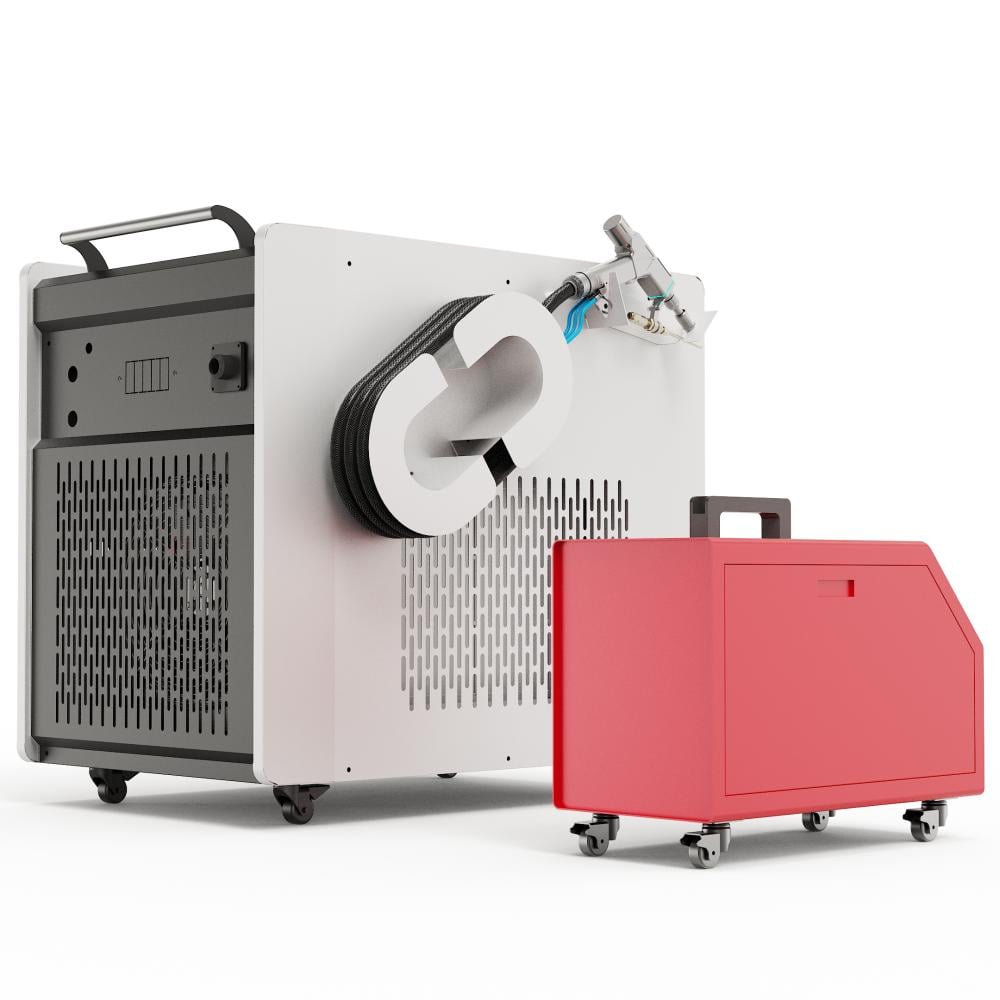
Choosing the right welding technology is one of the most consequential decisions a manufacturer can make. The laser welding machine has emerged as a strong competitor to traditional arc-based methods, yet TIG and MIG welding remain widely used across countless industries. Understanding the differences between these technologies helps production teams allocate resources wisely, reduce rework, and achieve consistent weld quality at scale.
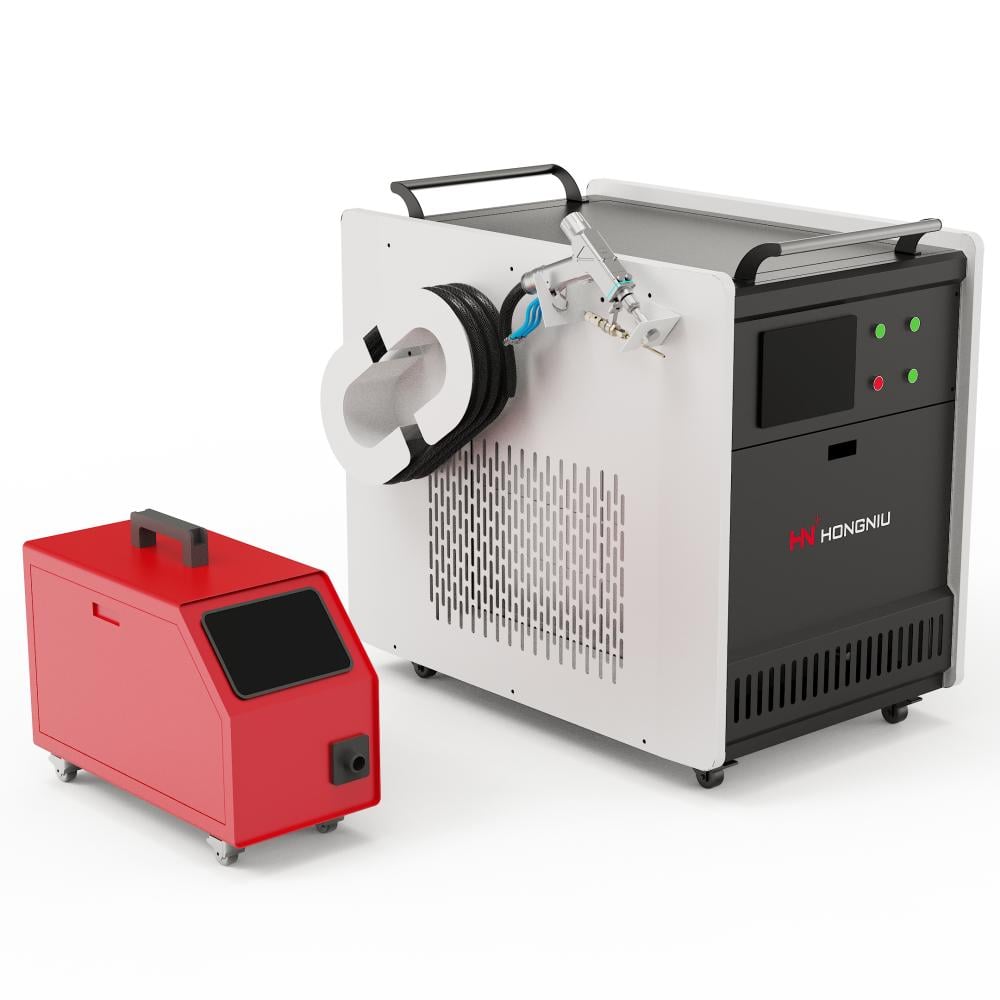
This comparison is not simply about speed or upfront cost. A laser welding machine operates on fundamentally different physics than TIG or MIG equipment, which means the advantages and limitations of each method manifest differently depending on material type, joint geometry, production volume, and quality requirements. This article examines each method in detail so you can make a well-informed decision for your specific application.
How Each Welding Method Works
The Operating Principle of a Laser Welding Machine
A laser welding machine generates a highly concentrated beam of coherent light that is directed onto a metal surface with extreme precision. The energy density of a laser welding machine is far higher than conventional arc processes, which means the heat-affected zone is significantly narrower. This concentrated energy allows a laser welding machine to fuse metals rapidly without transmitting excessive thermal stress to surrounding material. Modern fiber-based laser welding machine technology offers exceptional beam quality, making it suitable for delicate components as well as thick structural parts.
A laser welding machine can operate in two primary modes: conduction mode for shallow, cosmetic welds, and keyhole mode for deep-penetration joints. The ability of a laser welding machine to switch between these modes gives operators significant flexibility when handling varied production runs. Because a laser welding machine does not require direct electrode contact, it produces minimal contamination and is well-suited to clean-room or sterile manufacturing environments.
TIG and MIG Welding Fundamentals
TIG welding, or Tungsten Inert Gas welding, uses a non-consumable tungsten electrode and a separate filler rod. It provides excellent control over the weld pool and is favored for thin materials and highly aesthetic joints. MIG welding, or Metal Inert Gas welding, uses a continuously fed wire electrode and is valued for speed and ease of use in high-volume fabrication. Both methods rely on an electric arc to generate heat, and both require shielding gas to protect the molten weld pool from atmospheric contamination. Compared to a laser welding machine, arc-based methods generally produce wider heat-affected zones and require more post-weld finishing.
Performance and Precision Compared
Speed and Productivity Advantages of a Laser Welding Machine
A laser welding machine consistently outperforms TIG welding in terms of travel speed. In many industrial applications, a laser welding machine completes joints several times faster than a skilled TIG operator working manually. This speed advantage makes a laser welding machine highly attractive for high-volume production environments where cycle time directly affects profitability. MIG welding offers better speed than TIG, but a laser welding machine still surpasses MIG in applications requiring minimal distortion alongside high throughput. The reduced heat input of a laser welding machine means workpieces spend less time in thermal stress, lowering the risk of warping or dimensional deviation.
Automation compatibility is another area where a laser welding machine leads. A laser welding machine integrates readily with robotic arms, CNC systems, and automated production lines. TIG welding automation is possible but more complex due to filler rod handling, while MIG automation is common in heavy fabrication. However, neither arc method matches the precision path-following accuracy that a laser welding machine delivers when paired with modern motion control systems.
Weld Quality and Material Suitability
The weld quality produced by a laser welding machine is typically superior for thin-gauge stainless steel, aluminum, copper, and titanium. A laser welding machine creates narrow, deep welds with minimal spatter and excellent surface finish. TIG welding also produces high-quality results on thin metals and exotic alloys, but the process is slower and more operator-dependent. MIG welding excels on thicker carbon steel but can introduce more spatter and a wider heat-affected zone compared to a laser welding machine. For applications demanding tight dimensional tolerances, a laser welding machine is generally the preferred choice.
Highly reflective metals such as copper and gold present challenges for conventional arc methods. A laser welding machine equipped with the appropriate wavelength and power settings can handle these materials reliably. The focused beam of a laser welding machine also allows welding in difficult-to-reach joint configurations where an electrode-based torch would struggle to maneuver without introducing arc instability.
Cost, Setup, and Practical Considerations
Initial Investment and Operating Costs
A laser welding machine carries a higher initial purchase price than equivalent TIG or MIG equipment. The capital cost of a laser welding machine reflects the precision optics, fiber delivery system, and power electronics required to generate and control a coherent high-power beam. For small workshops with low production volumes, the return on investment for a laser welding machine may take longer to realize. However, for mid-to-large scale manufacturers, the speed gains, lower consumable costs, and reduced rework expenses of a laser welding machine often result in a favorable total cost of ownership within a reasonable payback period.
TIG and MIG equipment has lower entry costs and replacement parts are widely available. Operators skilled in TIG and MIG welding are easier to recruit than technicians specialized in laser welding machine operation and maintenance. That said, a modern laser welding machine is increasingly user-friendly, with touchscreen interfaces and preset parameters that reduce the learning curve significantly. Long-term consumable costs for a laser welding machine are lower because there are no electrodes or wire feeds to replace continuously.
Selecting the Right Method for Your Application
A laser welding machine is the strongest choice when your application requires high precision, low distortion, fast cycle times, and automation compatibility. Industries such as medical device manufacturing, electronics, aerospace component fabrication, and premium consumer goods production benefit most from a laser welding machine. TIG welding remains an excellent option for custom fabrication, repair work, and applications where operator craftsmanship is paramount. MIG welding continues to dominate heavy structural fabrication where deposition rate and material thickness are the primary concerns. Evaluating these criteria against your production environment will clarify which method delivers the most value.
FAQ
Is a laser welding machine suitable for outdoor or field welding work?
A laser welding machine is generally designed for controlled industrial environments. Wind, dust, and variable ambient lighting can interfere with beam delivery and shielding gas coverage. TIG and MIG welding are more adaptable to outdoor field conditions, whereas a laser welding machine performs best in enclosed, stable settings such as factory floors or workshops.
Can a laser welding machine replace TIG welding entirely in a production facility?
In many precision manufacturing contexts, a laser welding machine can replace TIG welding for the majority of production tasks. However, TIG welding retains advantages in repair, custom one-off fabrication, and applications where filler material must be carefully controlled manually. The decision to replace TIG with a laser welding machine depends on production volume, material mix, and acceptable capital investment levels.
What maintenance does a laser welding machine require compared to MIG equipment?
A laser welding machine requires periodic cleaning of optical lenses, inspection of the fiber delivery cable, and cooling system maintenance. MIG equipment requires regular wire feed mechanism servicing, nozzle cleaning, and liner replacement. Overall, a laser welding machine has fewer consumable components but demands more specialized technical knowledge when optical or laser source issues arise.
