Remarkable Versatility Across Materials and Applications
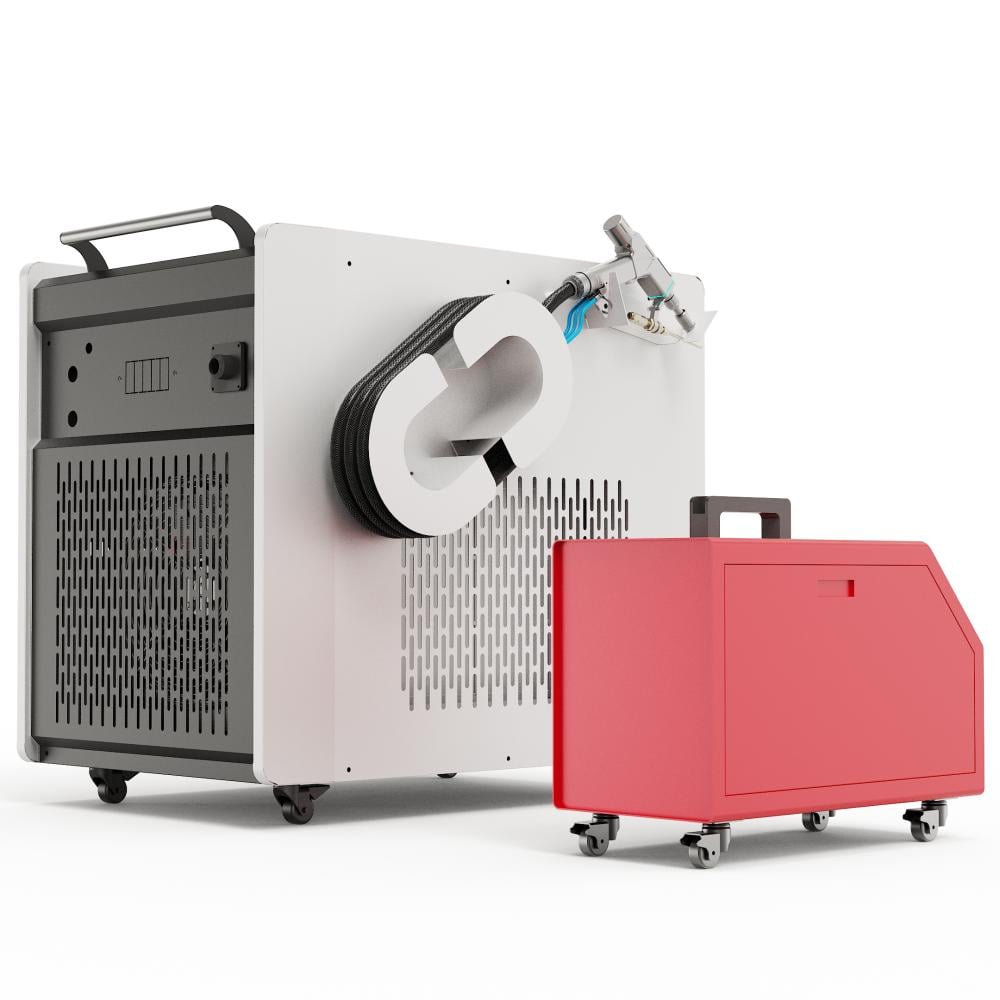
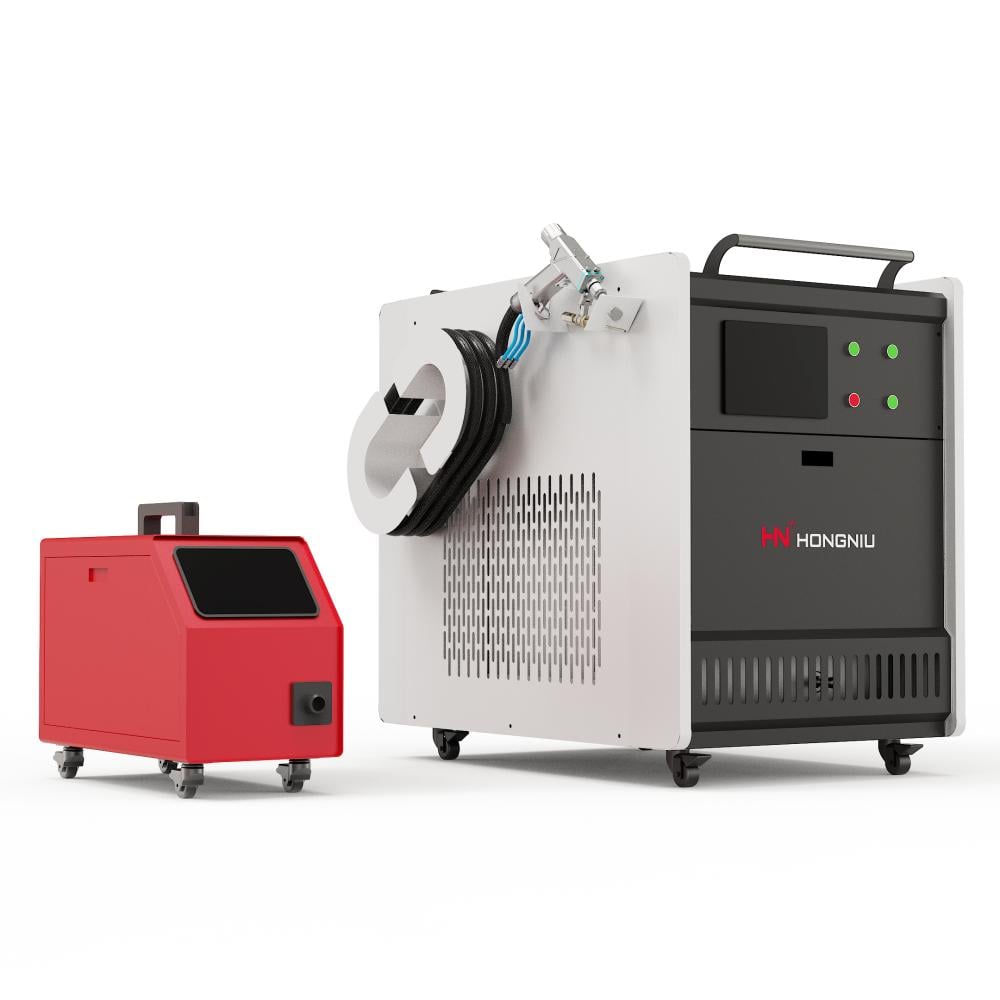
The versatility offered by a metal fiber laser cutting machine provides extraordinary flexibility that allows your business to serve diverse markets and respond dynamically to changing customer requirements. This single piece of equipment can process virtually any metal material commonly used in manufacturing, from thin foils measuring just 0.5 millimeters to thick plates exceeding 25 millimeters, depending on your specific machine configuration and laser power level. Stainless steel in all grades cuts cleanly and efficiently, making the machine ideal for food processing equipment, architectural applications, and medical devices where corrosion resistance and appearance are critical. Carbon steel and mild steel process at exceptional speeds, serving industries from construction and agriculture to transportation and general fabrication. Aluminum and aluminum alloys, despite their reflective properties that challenge older laser technologies, are handled effectively by the metal fiber laser cutting machine, supporting aerospace, automotive, and electronics manufacturing needs. Brass and copper, traditionally difficult materials for laser processing, are now cut reliably thanks to the wavelength characteristics of fiber lasers that are better absorbed by reflective metals. Titanium and exotic alloys used in aerospace, medical implants, and high-performance applications are processed with the precision and edge quality these demanding sectors require. The machine adapts instantly to different material types without changing optics, consumables, or major settings, allowing mixed-material production runs that maximize machine utilization and minimize downtime. Beyond material compatibility, the metal fiber laser cutting machine excels across varied application categories. Prototype development benefits from the rapid transition from CAD design to physical parts, enabling engineers to test and refine concepts quickly. Short-run production becomes economically viable since setup times are minimal and no dedicated tooling is required, opening opportunities in custom manufacturing and specialized markets. High-volume manufacturing achieves consistent quality and throughput that meets demanding production schedules. Complex assemblies with numerous unique components are produced efficiently as the machine handles part variety without penalty. Architectural metalwork, decorative panels, signage, and artistic applications leverage the precision and flexibility to create visually striking designs. The ability to mark, engrave, or etch identification codes, serial numbers, and decorative patterns adds functionality beyond simple cutting, consolidating multiple operations into a single machine platform.