 EN
EN


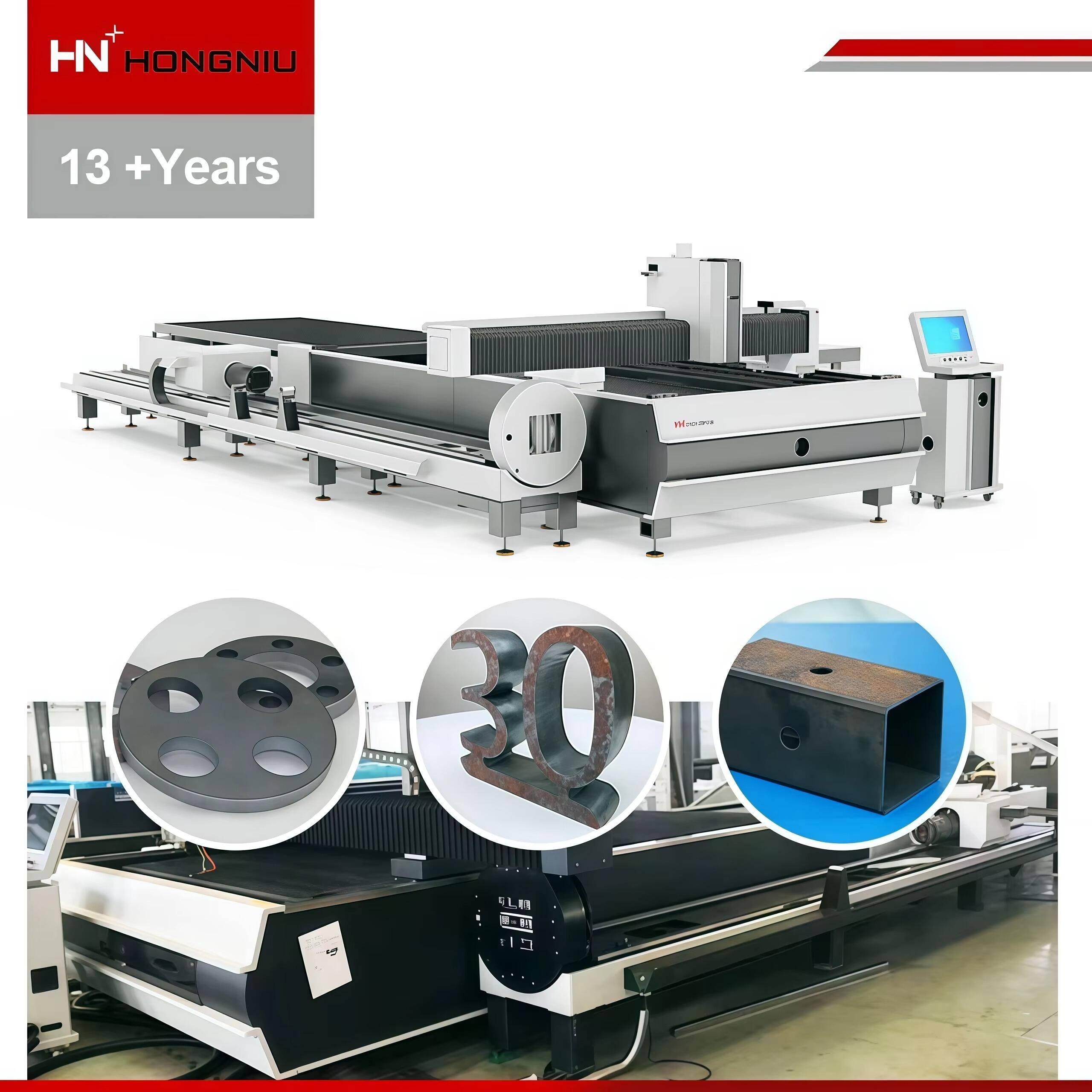
Proper maintenance is the cornerstone of maximizing your laser cut machine's operational lifespan and ensuring consistent, high-quality cutting performance across thousands of hours of operation. Industrial manufacturers who implement systematic maintenance protocols typically see 30-40% longer equipment lifecycles and significantly reduced unplanned downtime compared to facilities that rely solely on reactive maintenance approaches.
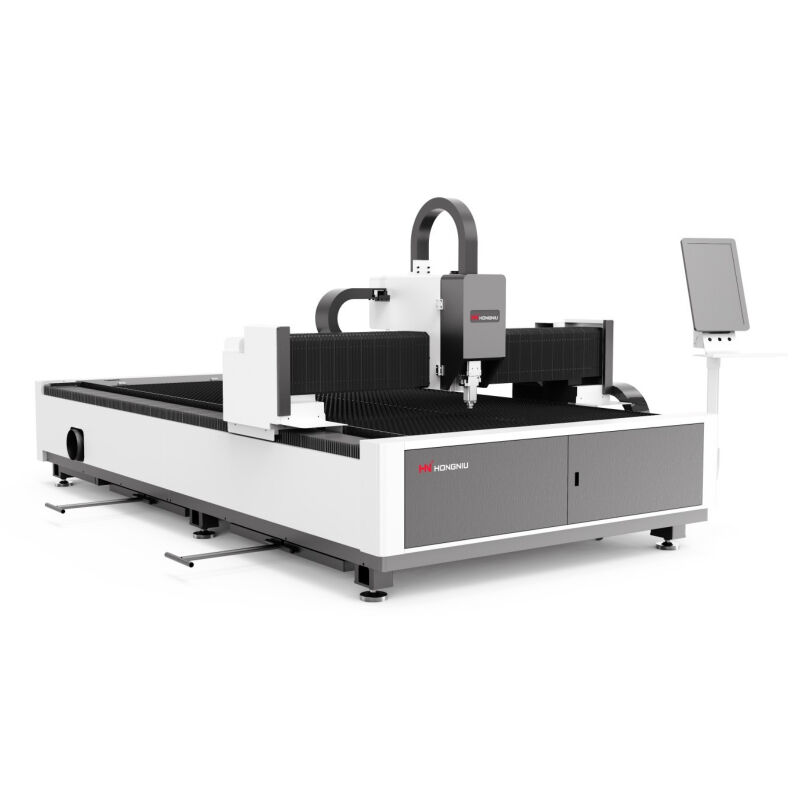
Understanding how to maintain your laser cut machine effectively requires a comprehensive approach that addresses mechanical components, optical systems, software calibration, and environmental factors. This systematic maintenance strategy not only preserves cutting precision and processing speeds but also protects your substantial capital investment while maintaining competitive production capabilities in demanding manufacturing environments.
Essential Daily Maintenance Procedures
Optical Component Inspection and Cleaning
Daily optical maintenance forms the foundation of laser cut machine longevity, as contaminated lenses and mirrors directly impact beam quality and cutting performance. Begin each shift by visually inspecting all accessible optical components for dust, metal particles, or residue buildup that can scatter the laser beam and reduce cutting efficiency.
Clean optical surfaces using lint-free cloths and appropriate solvents recommended by your laser cut machine manufacturer, typically isopropyl alcohol or specialized optical cleaning solutions. Always clean in straight motions from the center outward to avoid circular scratching patterns that can permanently damage expensive optical components.
Focus lens inspection requires particular attention, as this component experiences the highest contamination exposure during cutting operations. Remove the focus lens according to manufacturer procedures and examine both surfaces under proper lighting conditions to identify any pitting, scratches, or coating degradation that could compromise beam focus quality.
Cutting Head and Nozzle Maintenance
The cutting head assembly requires daily inspection to ensure optimal gas flow, proper nozzle alignment, and debris-free operation. Check nozzle centering using appropriate gauges or alignment tools, as even minor misalignment can cause uneven cutting quality and premature nozzle wear in your laser cut machine.
Examine nozzle condition for signs of spatter buildup, edge damage, or internal blockages that restrict assist gas flow. Replace damaged nozzles immediately, as compromised gas dynamics can lead to poor cut quality, increased dross formation, and potential damage to other cutting head components.
Verify proper cutting head height calibration using manufacturer-specified procedures, ensuring consistent standoff distance across the entire cutting area. Incorrect cutting height not only affects cut quality but can also lead to collisions that damage expensive optical components within the cutting head assembly.
Weekly Mechanical System Maintenance
Linear Motion System Inspection
Weekly mechanical maintenance focuses on the precision motion systems that enable your laser cut machine to achieve accurate positioning and smooth cutting trajectories. Inspect all linear guides and rails for proper lubrication, checking manufacturer specifications for appropriate lubricant types and application intervals.
Examine drive belts or gear systems for proper tension, alignment, and signs of wear that could introduce positioning errors or vibration during cutting operations. Loose or worn drive components not only reduce cutting precision but can also cause premature failure of more expensive system components.
Clean motion system components regularly to prevent accumulation of cutting debris, metal particles, and lubricant residue that can interfere with smooth operation. Pay particular attention to areas where cutting byproducts tend to settle, as these contaminants can accelerate wear and reduce positioning accuracy.
Verify axis calibration and positioning accuracy using appropriate measurement tools, documenting any drift or inconsistencies that might indicate developing mechanical issues in your laser cut machine. Early detection of positioning problems allows for corrective action before they impact production quality or cause component damage.
Gas System and Filtration Maintenance
Assist gas system maintenance ensures consistent cutting performance and protects sensitive optical components from contamination. Check gas pressure regulators, flow meters, and delivery lines for proper operation, verifying that pressure and flow rates match manufacturer specifications for your specific cutting applications.
Inspect gas filtration systems and replace filters according to manufacturer schedules, as contaminated assist gas can introduce particles that damage optical components or compromise cut quality. Monitor gas consumption patterns to identify potential leaks or system inefficiencies that increase operating costs.
Examine gas delivery lines for damage, proper connections, and appropriate routing that prevents contamination or flow restrictions. Damaged gas lines can introduce moisture or contaminants that significantly impact cutting performance and optical component longevity in your laser cut machine.
Monthly Comprehensive System Calibration
Laser Power and Beam Quality Verification
Monthly calibration procedures ensure your laser cut machine maintains optimal performance characteristics and cutting capabilities across its full operating range. Use appropriate power meters and beam analysis equipment to verify laser output consistency, beam quality, and power stability across different operating conditions.
Document laser performance data to establish trending patterns that can indicate developing issues with laser resonator components, cooling systems, or power supply stability. This data becomes invaluable for predicting maintenance needs and scheduling component replacements before failures occur.
Perform beam alignment verification using manufacturer-recommended procedures, ensuring proper beam delivery through all optical components to the cutting head. Misaligned optical systems not only reduce cutting performance but can also cause hot spots that damage expensive mirrors or lenses.
Software and Control System Updates
Regular software maintenance ensures your laser cut machine operates with the latest performance optimizations, security patches, and compatibility improvements. Review and install manufacturer-recommended software updates, following proper backup procedures to protect custom cutting programs and system configurations.
Verify control system calibration and parameter accuracy, ensuring that programmed cutting parameters translate correctly to actual machine operation. Inconsistent parameter execution can lead to quality issues and increased material waste during production operations.
Test all safety systems and emergency stops to ensure proper operation under various conditions. Regular safety system verification protects both personnel and equipment while ensuring compliance with workplace safety regulations and insurance requirements.
Quarterly Preventive Maintenance Protocols
Cooling System Service and Inspection
Quarterly cooling system maintenance prevents thermal-related failures that can cause catastrophic damage to laser components and extensive production downtime. Inspect coolant levels, quality, and circulation throughout the entire cooling loop, replacing coolant according to manufacturer specifications.
Clean heat exchangers, radiators, and cooling lines to ensure optimal heat transfer efficiency and prevent temperature-related performance degradation. Contaminated cooling systems can cause laser instability, reduced power output, and premature component failure in your laser cut machine.
Verify temperature control accuracy and stability under various operating conditions, documenting any variations that might indicate developing issues with cooling system components or control systems. Proper temperature management is critical for maintaining consistent laser performance and component longevity.
Electrical System Testing and Maintenance
Comprehensive electrical system inspection ensures reliable power delivery and protects sensitive electronic components from damage due to power quality issues or connection problems. Test all electrical connections, control wiring, and safety circuits using appropriate testing equipment and procedures.
Inspect and clean electrical enclosures, removing dust and debris that can cause overheating or short circuits in control systems. Proper ventilation and cleanliness are essential for maintaining electronic component reliability in industrial environments.
Verify proper grounding and electrical safety systems throughout the laser cut machine installation, ensuring compliance with applicable electrical codes and safety standards. Poor grounding or damaged safety systems can create personnel hazards and equipment damage risks.
Long-Term Performance Optimization Strategies
Component Replacement Planning
Strategic component replacement planning maximizes laser cut machine uptime by scheduling replacements based on actual wear patterns and performance data rather than arbitrary time intervals. Develop replacement schedules for critical consumable components like focus lenses, nozzles, and filters based on your specific operating conditions and production requirements.
Maintain adequate inventory of critical replacement parts to minimize downtime when scheduled maintenance occurs. Consider factors like supplier lead times, component shelf life, and criticality to production when establishing inventory levels for various maintenance items.
Document component performance and replacement history to identify patterns that might indicate opportunities for process improvements or alternative component specifications that could enhance reliability or reduce operating costs.
Environmental Control and Facility Considerations
Environmental factors significantly impact laser cut machine performance and maintenance requirements, making facility condition management an integral part of long-term maintenance strategy. Maintain appropriate temperature, humidity, and air quality conditions around your laser cutting equipment to minimize contamination and thermal stress.
Install and maintain adequate ventilation and fume extraction systems to protect both equipment and personnel from cutting byproducts. Poor air quality can accelerate optical component contamination and create health hazards in the work environment.
Consider vibration isolation and foundation stability, as excessive vibration from nearby equipment or facility operations can impact cutting precision and accelerate mechanical component wear in your laser cut machine. Proper installation and isolation are investments in long-term performance and reliability.
FAQ
How often should I clean the laser optics in my laser cut machine?
Laser optics should be inspected daily and cleaned as needed based on contamination levels and cutting applications. High-debris materials like aluminum or materials that produce significant fumes may require more frequent cleaning, sometimes multiple times per shift. Always follow manufacturer cleaning procedures and use appropriate solvents to avoid damaging expensive optical components.
What are the signs that my laser cut machine needs immediate maintenance attention?
Key warning signs include inconsistent cut quality, reduced cutting speeds, unusual noises during operation, error messages from control systems, visible contamination on optical components, or changes in assist gas consumption patterns. Any sudden changes in normal operating characteristics should prompt immediate investigation to prevent minor issues from developing into major repairs.
How can I extend the lifespan of consumable components in my laser cut machine?
Extend consumable component life by maintaining proper cutting parameters for each material type, ensuring adequate assist gas quality and pressure, keeping optical components clean, and avoiding cutting contaminated or inappropriate materials. Regular calibration and proper operator training also contribute significantly to component longevity and consistent performance.
What maintenance records should I keep for my laser cut machine?
Maintain comprehensive records including daily inspection checklists, component replacement dates and part numbers, calibration results, performance measurements, maintenance schedules completed, and any unusual operating conditions or issues encountered. These records support warranty claims, help predict future maintenance needs, and provide valuable troubleshooting information when problems occur.