 EN
EN

Manufacturing efficiency directly impacts profitability and competitive advantage in today's fast-paced industrial environment. Traditional metal cutting methods often struggle with precision requirements, material waste, and production speed limitations that modern businesses demand. The introduction of advanced cutting technologies has revolutionized how manufacturers approach metal fabrication, particularly when precision and speed are critical factors.
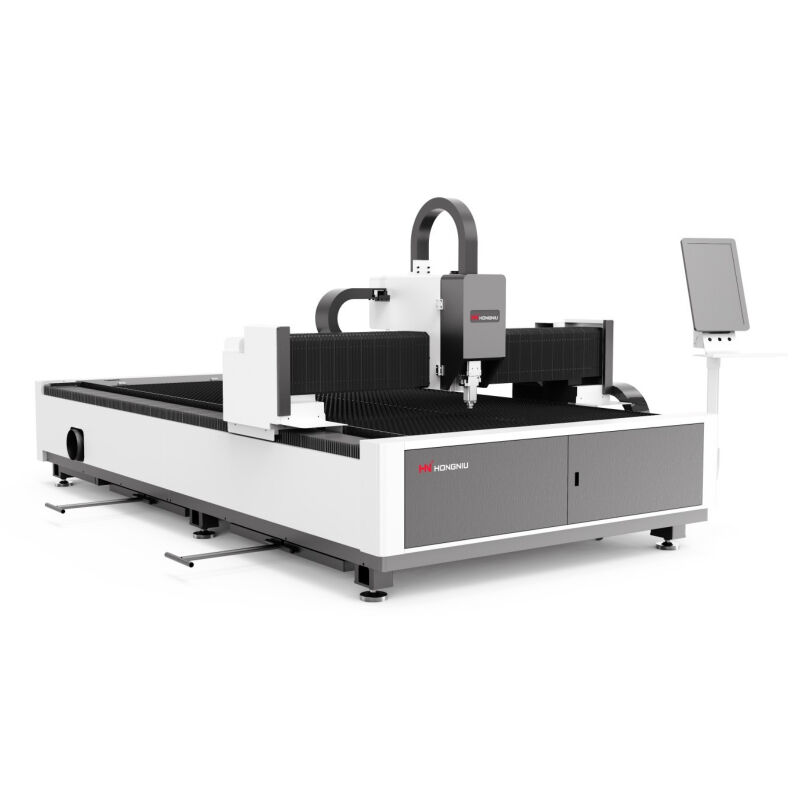
A laser metal cutting machine fundamentally transforms cutting efficiency through its unique combination of precision, speed, and automation capabilities. Unlike conventional cutting methods that rely on physical contact and mechanical force, laser cutting utilizes focused light energy to achieve clean, accurate cuts with minimal material waste. This technological advancement addresses the core efficiency challenges that manufacturers face while delivering consistent quality across various metal types and thicknesses.
Precision Engineering Behind Laser Cutting Efficiency
Concentrated Energy Application
The fundamental reason why a laser metal cutting machine improves efficiency lies in its concentrated energy delivery system. The laser beam focuses intense energy into an extremely small point, typically measuring between 0.1 to 0.3 millimeters in diameter. This concentrated energy creates temperatures exceeding 10,000 degrees Celsius at the cutting point, instantly vaporizing or melting the metal material.
This precise energy application eliminates the need for multiple passes or secondary finishing operations that traditional cutting methods often require. The laser metal cutting machine achieves the desired cut quality in a single operation, dramatically reducing processing time and labor requirements. The concentrated beam also means that the heat-affected zone remains minimal, preserving the structural integrity of the surrounding material.
The computer-controlled precision of modern laser systems ensures that every cut maintains consistent quality regardless of operator skill level. This consistency eliminates the variability associated with manual cutting techniques, reducing rework and material waste that typically occur with less precise methods.
Automated Path Optimization
Advanced laser metal cutting machine systems incorporate sophisticated software that automatically optimizes cutting paths for maximum efficiency. The system analyzes the entire cutting job and determines the most efficient sequence of cuts, minimizing travel time between cutting points and reducing overall cycle time.
This automated optimization considers factors such as material thickness, cut complexity, and thermal management to create the most efficient cutting strategy. The software can also nest multiple parts efficiently on a single sheet, maximizing material utilization and reducing waste. This intelligent planning capability significantly improves overall production efficiency compared to manual planning methods.
The automation extends to pierce point selection, entry and exit strategies, and speed adjustments based on cut geometry. These automated decisions happen in real-time, ensuring optimal performance throughout the entire cutting process without requiring manual intervention or adjustment.
Speed Advantages in Metal Fabrication
Rapid Cutting Velocities
A laser metal cutting machine achieves cutting speeds that far exceed traditional methods, particularly when working with thin to medium thickness materials. Modern fiber laser systems can cut thin steel at speeds exceeding 1000 inches per minute, while maintaining precise edge quality that eliminates secondary processing requirements.
The speed advantage becomes even more pronounced when cutting intricate shapes or patterns that would require multiple tool changes with conventional methods. The laser beam can instantly change direction and cutting parameters without any mechanical adjustments, allowing complex geometries to be cut at consistently high speeds throughout the entire process.
These high cutting speeds directly translate to increased throughput and reduced labor costs per part. Manufacturers can process significantly more parts in the same time frame, improving overall facility utilization and meeting tighter delivery schedules that would be challenging with slower cutting methods.
Minimal Setup and Changeover Time
Traditional cutting methods often require extensive setup time for tool changes, fixture adjustments, and parameter optimization when switching between different parts or materials. A laser metal cutting machine eliminates most of these setup requirements through its flexible, software-controlled operation.
Changing from one part design to another typically requires only loading a different cutting program, with no physical tool changes or mechanical adjustments needed. This flexibility allows manufacturers to efficiently handle small batch production and custom orders without the efficiency penalties associated with frequent changeovers.
The reduced setup time enables manufacturers to respond quickly to changing production demands and customer requirements. This agility provides a significant competitive advantage in markets where delivery speed and flexibility are crucial factors for customer satisfaction.
Material Waste Reduction and Resource Optimization
Narrow Kerf Width Advantages
The extremely narrow kerf width produced by a laser metal cutting machine represents one of its most significant efficiency improvements. The laser beam typically creates a kerf width of only 0.1 to 0.2 millimeters, compared to 1-3 millimeters for plasma cutting or even wider for mechanical cutting methods.
This narrow kerf directly translates to material savings, as less material is consumed in the cutting process itself. For high-value materials or large-scale production operations, these material savings can represent substantial cost reductions over time. The narrow kerf also allows for tighter nesting of parts, maximizing the number of components that can be cut from each sheet of material.
The precision of the narrow kerf eliminates the need for additional machining allowances that are typically required with less accurate cutting methods. Parts can be cut closer to final dimensions, reducing subsequent processing requirements and improving overall material utilization efficiency.
Edge Quality and Finishing Elimination
A properly configured laser metal cutting machine produces cut edges that meet or exceed the quality requirements for most applications without any secondary finishing operations. The laser cutting process creates smooth, perpendicular edges with minimal burr formation, eliminating the need for grinding, filing, or other finishing processes.
This elimination of secondary operations significantly improves overall efficiency by reducing the number of processing steps required to complete a part. The time and labor savings from avoiding finishing operations often represent a major portion of the total efficiency improvement achieved with laser cutting technology.
The consistent edge quality also reduces quality control requirements and rejection rates, as parts are less likely to require rework or scrapping due to poor edge conditions. This reliability improves overall production flow and reduces the costs associated with quality issues.
Operational Flexibility and Production Adaptability
Multi-Material Capability
Modern laser metal cutting machine systems can efficiently process a wide range of materials without requiring different cutting tools or major equipment modifications. From carbon steel and stainless steel to aluminum, brass, and specialized alloys, the same laser system can handle diverse material requirements with simple parameter adjustments.
This multi-material capability eliminates the need for multiple specialized cutting systems, reducing equipment investment and facility space requirements. Manufacturers can handle diverse customer requirements and material specifications using a single laser cutting platform, improving overall facility efficiency and flexibility.
The ability to quickly switch between different materials and thicknesses without tool changes or extensive setup procedures allows manufacturers to optimize production schedules and minimize inventory requirements. This flexibility provides significant operational advantages in dynamic manufacturing environments.
Complex Geometry Processing
The software-controlled operation of a laser metal cutting machine enables the efficient processing of highly complex geometries that would be extremely time-consuming or impossible with traditional cutting methods. Intricate patterns, small features, and precise holes can all be cut in a single operation without special tooling or multiple setups.
This geometric flexibility eliminates the need for secondary operations such as drilling, punching, or machining that would typically be required to create complex features. The laser can create these features as part of the main cutting operation, significantly reducing overall processing time and improving part accuracy.
The precision and repeatability of laser cutting also enables the creation of parts with tight tolerances and complex assemblies that fit together perfectly without extensive manual adjustment. This capability is particularly valuable in industries requiring high precision and consistent part quality.
Integration with Modern Manufacturing Systems
Automation and Industry 4.0 Compatibility
Contemporary laser metal cutting machine systems integrate seamlessly with automated material handling systems, reducing manual labor requirements and improving overall production flow. Automated loading and unloading systems can operate continuously, maximizing machine utilization and reducing labor costs.
The digital nature of laser cutting technology makes it highly compatible with Industry 4.0 initiatives and smart manufacturing concepts. Real-time monitoring, predictive maintenance capabilities, and data collection features enable manufacturers to optimize efficiency continuously and identify improvement opportunities.
Integration with enterprise resource planning systems allows for seamless production scheduling and inventory management, further improving overall operational efficiency. The digital workflow eliminates many manual data entry requirements and reduces the potential for errors in production planning.
Quality Control and Consistency
The computer-controlled operation of a laser metal cutting machine ensures consistent quality output regardless of operator skill level or experience. This consistency reduces quality control requirements and minimizes the risk of producing defective parts that require rework or scrapping.
Advanced laser systems include real-time monitoring capabilities that can detect and compensate for variations in material properties or environmental conditions. This adaptive control maintains cutting quality throughout long production runs, ensuring reliable performance and consistent results.
The documented and repeatable nature of laser cutting parameters enables manufacturers to maintain detailed quality records and trace any issues back to specific process conditions. This traceability is valuable for quality management and continuous improvement initiatives.
FAQ
How much faster is a laser metal cutting machine compared to traditional cutting methods?
A laser metal cutting machine can be 3-10 times faster than traditional methods depending on the material thickness and cutting complexity. For thin materials, laser cutting can achieve speeds over 1000 inches per minute, while plasma cutting typically operates at 100-300 inches per minute. The speed advantage is even greater when considering the elimination of secondary operations like grinding or finishing that traditional methods often require.
What types of metals can benefit most from laser cutting efficiency improvements?
Stainless steel, carbon steel, and aluminum see the most significant efficiency improvements with laser metal cutting machine technology. These materials cut cleanly with minimal heat-affected zones and excellent edge quality. Thinner gauges up to 25mm typically show the greatest speed and efficiency advantages, though thicker materials still benefit from improved precision and reduced secondary processing requirements.
How does laser cutting reduce overall production costs beyond just cutting speed?
A laser metal cutting machine reduces costs through material savings from narrow kerf width, elimination of secondary finishing operations, reduced setup and changeover times, lower scrap rates, and decreased labor requirements. The precision cutting also enables tighter part tolerances, reducing the need for additional machining operations. These combined factors often result in 20-40% lower total production costs compared to traditional cutting methods.
Can small manufacturers justify the investment in laser cutting technology for efficiency gains?
Small manufacturers can often justify laser metal cutting machine investment through improved efficiency, especially when handling diverse materials and complex parts. The flexibility to process various jobs without tool changes, reduced setup times for small batches, and elimination of secondary operations can significantly improve profitability. Many smaller operations find that the increased capacity and quality consistency enables them to take on more profitable work that was previously not feasible with traditional cutting methods.
Table of Contents
- Precision Engineering Behind Laser Cutting Efficiency
- Speed Advantages in Metal Fabrication
- Material Waste Reduction and Resource Optimization
- Operational Flexibility and Production Adaptability
- Integration with Modern Manufacturing Systems
-
FAQ
- How much faster is a laser metal cutting machine compared to traditional cutting methods?
- What types of metals can benefit most from laser cutting efficiency improvements?
- How does laser cutting reduce overall production costs beyond just cutting speed?
- Can small manufacturers justify the investment in laser cutting technology for efficiency gains?
