 EN
EN

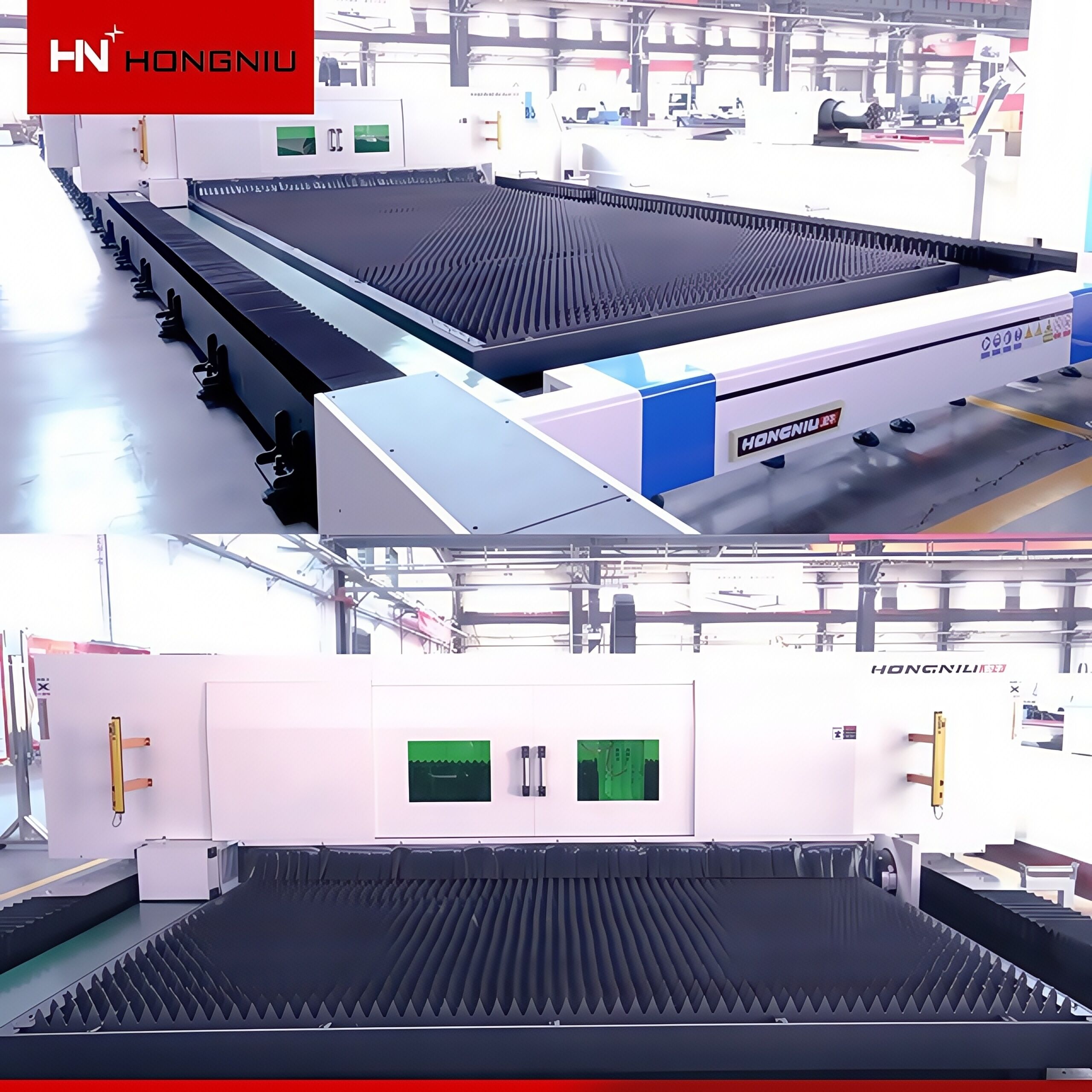
In the rapidly evolving world of industrial manufacturing, the demand for speed, precision, and cost-efficiency has never been higher. For B2B enterprises engaged in metal fabrication, selecting the right equipment is a foundational business decision. Among the various technologies available, the fiber laser cutting machine has emerged as the industry standard for processing a wide range of metals. By utilizing a solid-state laser source to generate a high-powered beam delivered through fiber optic cables, these machines offer a level of performance that traditional CO2 lasers and mechanical cutting tools simply cannot match.
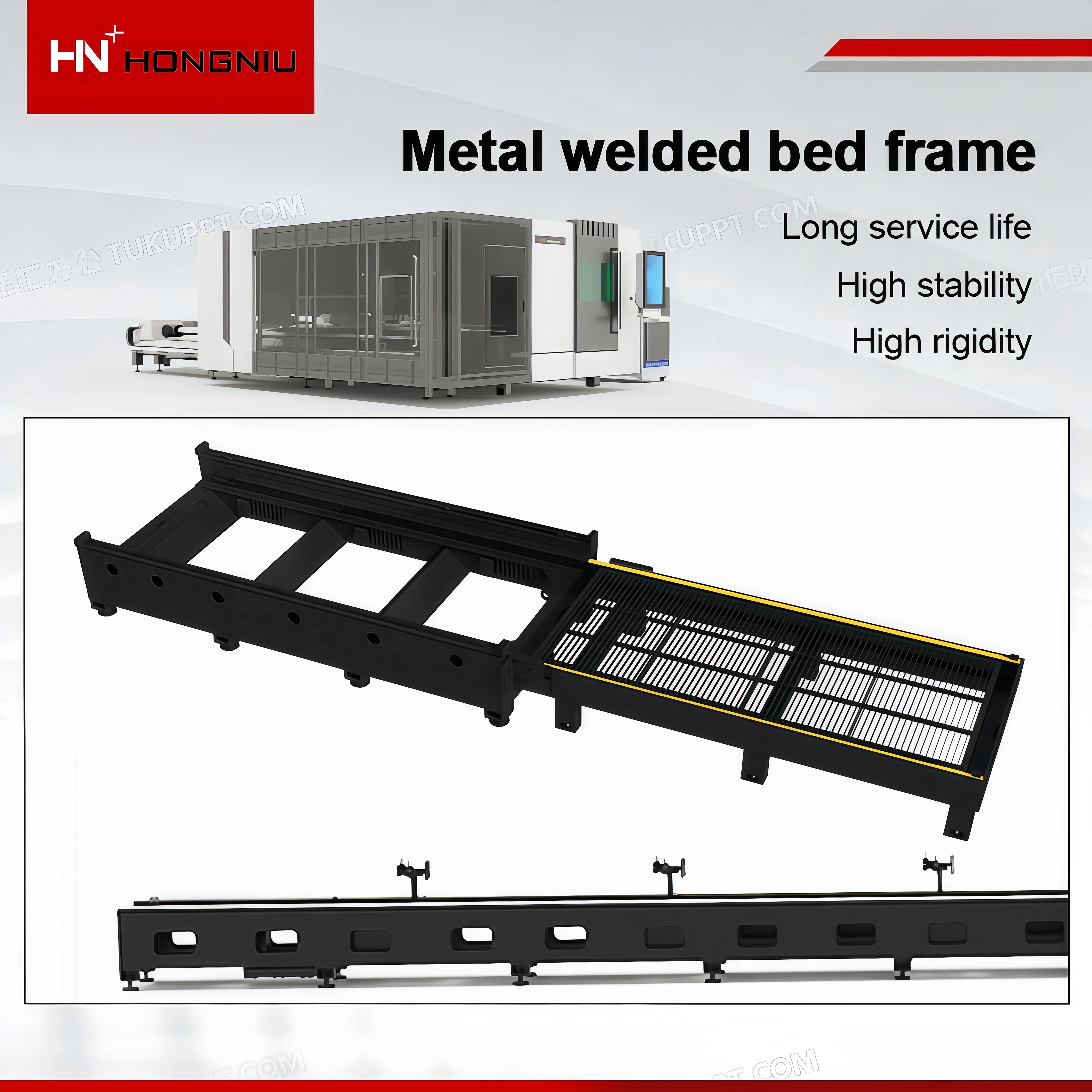
Choosing a fiber laser cutting machine is not just about adopting new technology; it is about optimizing the entire production lifecycle. From reducing energy consumption to eliminating secondary finishing processes, the benefits of fiber technology ripple through every stage of fabrication. Whether you are producing intricate components for automotive systems or heavy-duty frames for industrial machinery, understanding the technical advantages of fiber lasers is essential for staying competitive in today's global market.
Superior Precision and Narrow Kerf Width
One of the most compelling reasons to choose a fiber laser cutting machine is its unparalleled precision. The wavelength of a fiber laser is approximately 1.06 microns, which is ten times shorter than that of a CO2 laser. This shorter wavelength allows the beam to be focused into a much smaller spot, resulting in a microscopic kerf width. This concentration of energy enables the machine to execute complex geometries, sharp internal corners, and intricate patterns with a level of detail that was previously impossible in heavy metal fabrication.
This precision is particularly vital in industries where dimensional accuracy is non-negotiable. For instance, in the production of high-end hardware and mold inserts, even a deviation of a few microns can lead to assembly failure. Because the fiber laser is controlled by advanced CNC systems, it maintains a repeatable accuracy of ±0.03mm. This ensures that every part produced is a perfect replica of the digital CAD file, allowing manufacturers to meet the strict quality standards required for automotive, aerospace, and medical-grade components.
Technical Performance Comparison
The following table illustrates why the fiber laser cutting machine is the preferred choice for modern metal fabrication compared to older technologies.
| Feature | Fiber Laser Cutting Machine | CO2 Laser Machine | Plasma Cutting |
| Wavelength | 1.06 μm (High Absorption) | 10.6 μm (Low Absorption) | N/A |
| Energy Efficiency | 30% - 35% Wall-plug efficiency | 8% - 10% Wall-plug efficiency | Low |
| Maintenance | Extremely Low (No mirrors) | High (Mirror alignment) | Moderate (Consumables) |
| Reflective Metals | Excellent (Copper, Brass, Alum) | Risk of back-reflection | Good |
| Edge Quality | Superior (Smooth/Burr-free) | Good | Rougher (Requires grinding) |
| Processing Speed | Extremely High (Thin/Medium) | Moderate | High (Thick only) |
Enhanced Processing Speed and Throughput
Time is a critical factor in B2B manufacturing, and the fiber laser cutting machine is designed for high-velocity output. In thin-to-medium thickness ranges (1mm to 10mm), a fiber laser can cut significantly faster than a CO2 laser of equivalent power. This is due to the higher absorption rate of the fiber wavelength in metals. When the metal absorbs energy more efficiently, it melts faster, allowing the cutting head to move at speeds that can exceed 30 meters per minute depending on the material and wattage.
This increased speed does not come at the expense of quality. Because the beam moves so quickly, the Heat Affected Zone (HAZ) is minimized, preventing the metal from warping or losing its structural integrity. For manufacturers of sports equipment, HVAC components, or industrial cabinets, this means that parts can move directly from the laser bed to the welding or assembly station. The elimination of secondary deburring or cleaning steps drastically shortens lead times, allowing firms to fulfill large-volume orders with much greater agility.
Versatility Across Reflective and Exotic Metals
Historically, reflective metals like copper, brass, and certain aluminum alloys posed a significant challenge for laser cutting. In CO2 systems, the laser beam would often reflect off the shiny surface and travel back into the resonator, causing catastrophic damage to the machine's optics. The fiber laser cutting machine has solved this problem through its unique beam delivery system and wavelength. Fiber lasers are inherently more resistant to back-reflection, making them the ideal tool for specialized electrical and decorative metalwork.
This versatility allows fabrication shops to expand their service offerings. A single fiber laser can transition from cutting heavy carbon steel plates for welding system frames to processing thin copper busbars for electrical assemblies. This multi-material capability is essential for B2B suppliers who serve diverse industries, such as the production of industrial metal detectors or specialized manufacturing equipment. By having one machine that handles everything from common steel to "difficult" reflective alloys, companies can maximize their equipment utilization and return on investment.
Low Operational Costs and Environmental Impact
From a financial perspective, the fiber laser cutting machine offers a significantly lower total cost of ownership (TCO) than traditional methods. One of the primary drivers of this is the wall-plug efficiency. Fiber lasers convert electricity into light much more efficiently than CO2 lasers, resulting in energy savings of up to 70% during operation. Furthermore, fiber lasers do not require expensive laser gases (like Helium or CO2) to generate the beam, further reducing the monthly overhead for the facility.
Maintenance is another area where fiber technology excels. Because the beam is delivered through a fiber optic cable, there are no delicate mirrors or bellows that require cleaning, alignment, or replacement. The laser source itself is a solid-state component with a service life often exceeding 100,000 hours. This reliability ensures that the production line remains active with minimal downtime. For a manufacturing firm, this translates to predictable maintenance schedules and a more stable bottom line, all while reducing the carbon footprint of the factory through lower energy consumption.
Application in High-Stakes Industrial Manufacturing
The practical applications of fiber lasers are evident in the production of complex industrial machinery. For example, in the manufacturing of automated wire bending machines and welding systems, structural components must be cut with precise holes and interlocking slots to ensure stability. The fiber laser provides the clean, perpendicular cuts necessary for high-load structural integrity. Similarly, in the production of ball manufacturing equipment, where stainless steel components must be both durable and aesthetically finished, the fiber laser provides a "polished" edge that meets the highest industrial standards.
Even in the production of specialized hardware like bottle cap molds or precision fasteners, the fiber laser proves its worth. The ability to maintain a consistent focus across a large cutting bed means that parts at the edge of the sheet are just as accurate as those in the center. This level of reliability allows B2B manufacturers to promise—and deliver—extraordinary quality to their clients, fostering long-term partnerships built on technical excellence.
Frequently Asked Questions (FAQ)
What is the maximum thickness a fiber laser can cut?
The thickness capacity depends on the power of the laser source. A 3kW machine can typically handle up to 20mm of carbon steel, while high-power systems (20kW and above) can cut through plates as thick as 50mm to 70mm with industrial precision.
Why is nitrogen used as an assist gas for stainless steel?
Nitrogen is used to prevent oxidation during the cutting process. By displacing oxygen in the cutting zone, nitrogen ensures that the edges of stainless steel parts remain bright, silver, and free of carbon buildup, which is essential for parts that require high-quality aesthetics or corrosion resistance.
Is a fiber laser cutting machine difficult to operate?
Modern fiber lasers are equipped with intuitive CNC software that simplifies the operation. Most machines can import standard CAD files directly, and the system automatically calculates the optimal cutting parameters based on the material type and thickness selected by the operator.
How does the fiber laser handle galvanized steel?
Fiber lasers are excellent for cutting galvanized steel. Because the beam is so concentrated, it can cut through the zinc coating and the underlying steel cleanly. While there may be slight dross depending on the coating thickness, it is generally much cleaner than results from other thermal cutting methods.
What is the expected lifespan of a fiber laser source?
Most industry-leading fiber laser sources are rated for 100,000 hours of operation. This means that even in a high-intensity production environment operating 24/7, the laser source can last for over a decade before requiring significant service or replacement.
