 EN
EN

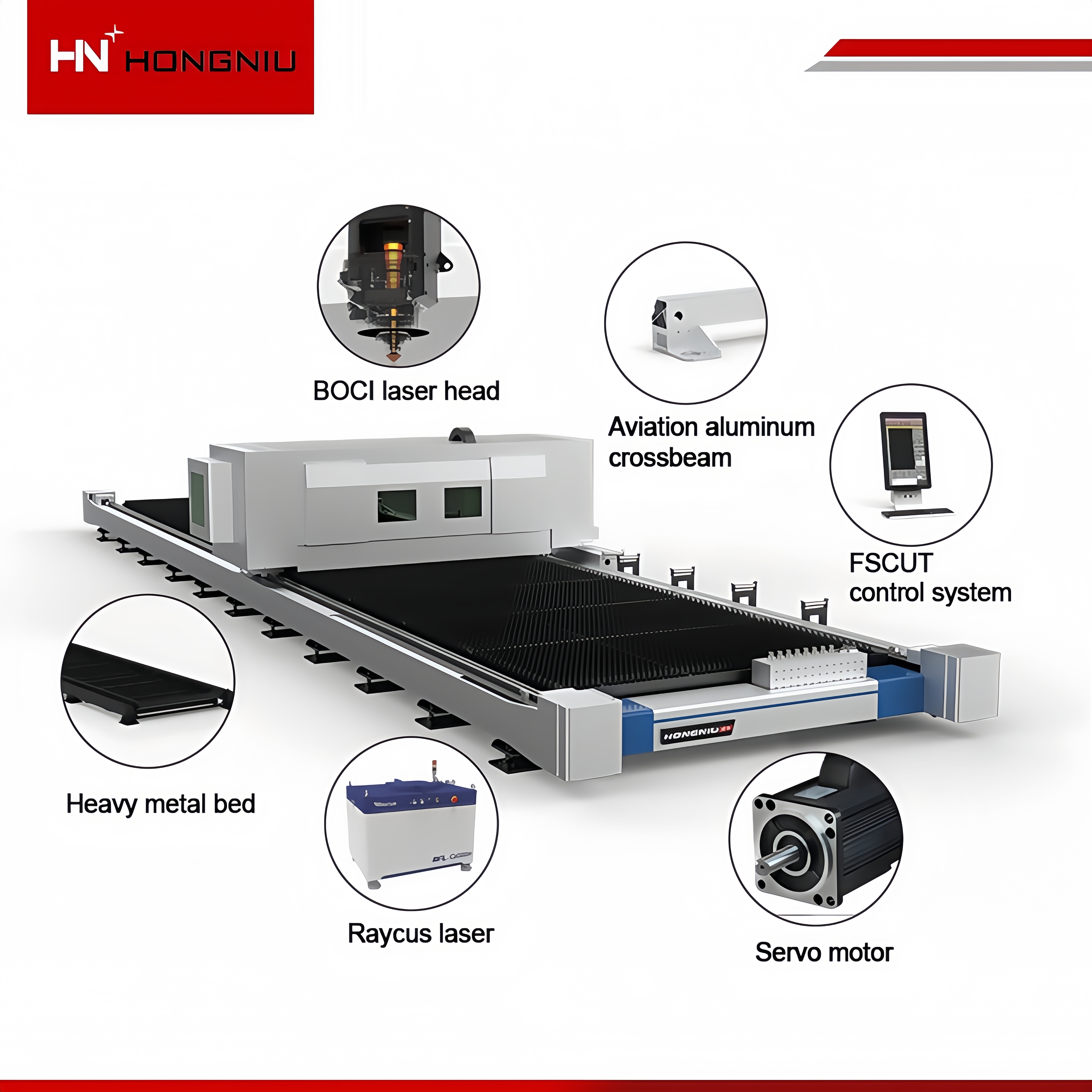
OEM factories operating in competitive manufacturing environments constantly seek technologies that enhance precision, reduce waste, and accelerate production cycles. The metal laser cutting machine has emerged as a transformative asset for original equipment manufacturers who must deliver high-quality components at scale while maintaining tight tolerances and operational flexibility. Unlike conventional cutting methods that rely on mechanical force or thermal processes with limited precision, laser cutting systems utilize focused laser beams to achieve clean, burr-free cuts across various metal substrates including steel, aluminum, copper, and titanium alloys. For OEM facilities producing parts for automotive, aerospace, electronics, and industrial machinery sectors, adopting advanced laser cutting technology represents not merely an equipment upgrade but a strategic shift toward manufacturing excellence that directly impacts product quality, customer satisfaction, and competitive positioning in global markets.
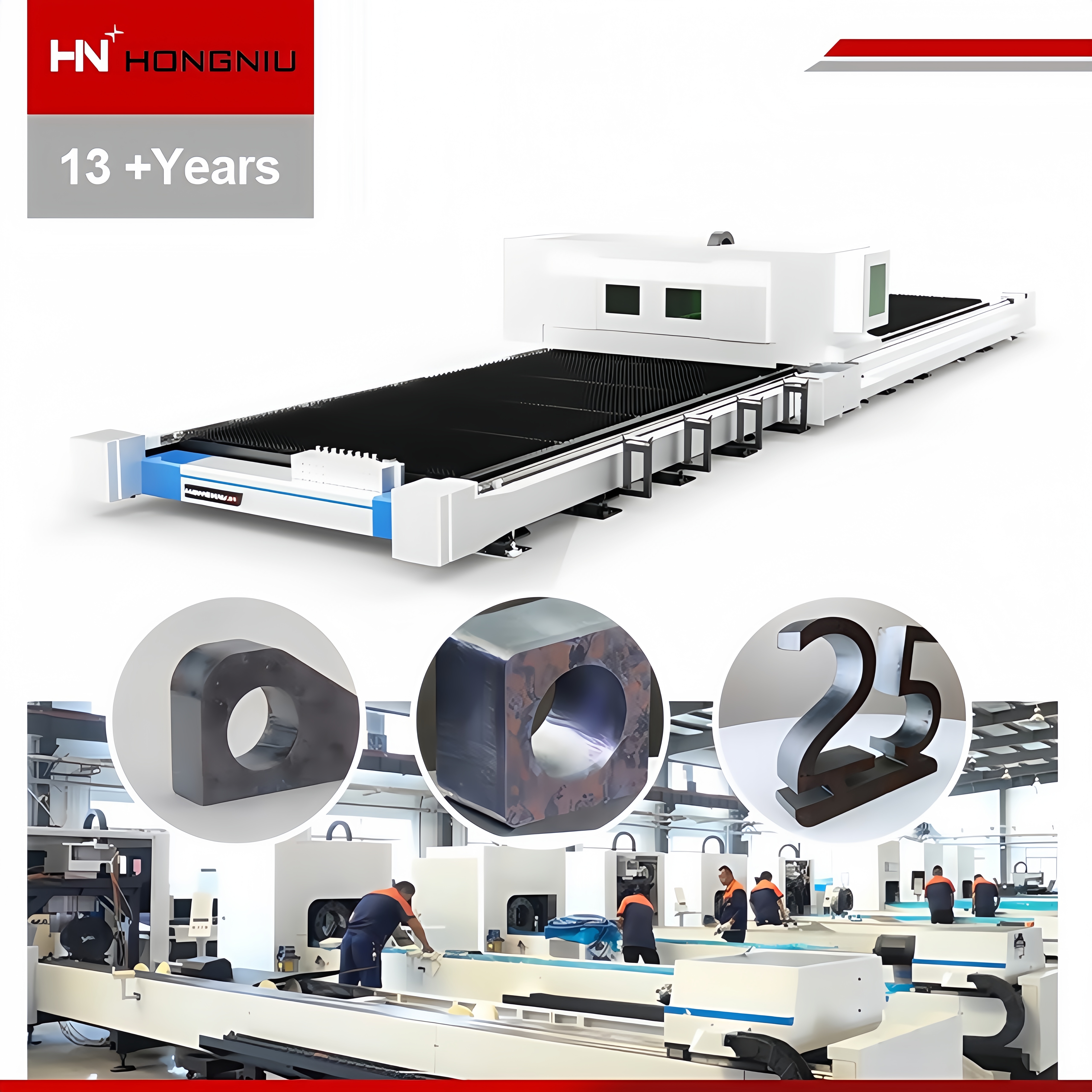
The decision to integrate a metal laser cutting machine into OEM production workflows stems from multiple strategic advantages that address core challenges inherent to contract manufacturing. OEM factories typically operate under stringent specifications provided by brand partners, requiring consistent dimensional accuracy, minimal material waste, and rapid prototyping capabilities to accommodate design iterations. Traditional cutting technologies such as plasma cutting, waterjet systems, or mechanical shearing often introduce limitations in edge quality, heat-affected zones, or secondary processing requirements that increase handling time and cost per part. Laser cutting technology eliminates many of these constraints by delivering non-contact processing that preserves material integrity, enables intricate geometries without tooling changes, and supports lights-out manufacturing through automated nesting and material handling systems. For OEM operations managing diverse product portfolios with varying batch sizes, the flexibility and precision offered by laser cutting systems translate directly into reduced lead times, lower scrap rates, and enhanced capacity to serve demanding clients across multiple industry verticals.
Precision and Dimensional Accuracy for Complex OEM Components
Tight Tolerance Achievement in Multi-Part Assemblies
OEM factories frequently produce components that must integrate seamlessly within larger assemblies where dimensional deviations of even fractions of a millimeter can compromise functionality or require costly rework. The metal laser cutting machine delivers positioning accuracy typically within ±0.05mm to ±0.1mm, enabling manufacturers to meet demanding tolerance specifications without additional machining operations. This level of precision proves particularly valuable when fabricating brackets, enclosures, mounting plates, and structural elements where hole alignments, edge parallelism, and overall dimensional consistency directly affect assembly efficiency and end-product performance. Laser systems equipped with advanced CNC controls and real-time beam positioning feedback maintain cutting accuracy across extended production runs, eliminating the drift and wear issues associated with mechanical cutting tools that gradually degrade tolerance capability over time.
Elimination of Secondary Deburring and Finishing Operations
Traditional cutting methods often produce rough edges, burrs, or slag buildup that necessitate secondary finishing processes such as grinding, filing, or tumbling before parts can proceed to assembly or coating stages. A properly optimized metal laser cutting machine generates clean, smooth edges with minimal dross formation, particularly when processing thin to medium gauge metals commonly used in OEM manufacturing. This edge quality advantage eliminates labor-intensive deburring operations, reduces handling damage risk, and accelerates throughput by allowing parts to move directly from cutting to subsequent production steps. For OEM facilities managing high-volume orders with tight delivery schedules, removing secondary finishing bottlenecks translates into measurable productivity gains and lower total processing costs per component, strengthening competitive positioning when bidding on new contracts or negotiating pricing with brand partners.
Consistency Across Long Production Runs
OEM manufacturing often involves producing thousands or tens of thousands of identical parts where dimensional variation between first and last piece must remain within statistical process control limits. Unlike mechanical cutting systems where tool wear progressively affects cut quality and dimensional accuracy, laser cutting maintains consistent performance throughout extended production campaigns. The non-contact nature of laser processing eliminates tool degradation concerns, while automated parameter controls compensate for material thickness variations and environmental factors that might otherwise introduce dimensional drift. This consistency advantage proves critical for OEM factories supplying components to industries with stringent quality requirements such as medical device manufacturing, aerospace applications, or automotive safety systems where part-to-part variation must be minimized to ensure reliable product performance and regulatory compliance.
Production Flexibility and Rapid Changeover Capabilities
Software-Driven Setup for Mixed-Product Manufacturing
OEM factories typically serve multiple clients simultaneously, each with distinct part designs, material specifications, and order volumes that create complex scheduling challenges. The metal laser cutting machine addresses this complexity through software-based job management that enables rapid transitions between different part programs without physical tooling changes or mechanical adjustments. Operators can load new cutting files, adjust processing parameters, and initiate production within minutes rather than hours required for conventional systems that depend on dedicated dies, punches, or cutting tools. This digital flexibility allows OEM manufacturers to economically process small batch orders, accommodate urgent prototype requests, and efficiently sequence diverse jobs throughout production shifts without accumulating costly changeover downtime that erodes overall equipment effectiveness and delivery performance.
Geometric Complexity Without Tooling Investments
Client-driven design changes represent a constant reality in OEM manufacturing, where product development cycles increasingly demand iterative prototyping and engineering modifications before final production release. Traditional fabrication methods often require custom tooling investments for each unique part geometry, creating financial barriers and time delays that limit responsiveness to design evolution. A metal laser cutting machine eliminates tooling dependencies by using the focused laser beam as a universal cutting tool capable of executing any two-dimensional profile defined in the CAD file. This tooling-free approach enables OEM facilities to implement design revisions immediately, support concurrent engineering processes, and accommodate customer-requested modifications without capital expenditures or lead time penalties associated with tool fabrication, proving particularly valuable when serving industries characterized by rapid innovation cycles and frequent product updates.
Material Versatility for Diverse Client Requirements
OEM contracts frequently specify various metal types and thicknesses based on application requirements, structural demands, or cost optimization objectives established by brand partners. Modern metal laser cutting machines process a broad spectrum of ferrous and non-ferrous materials including carbon steel, stainless steel, aluminum alloys, copper, brass, and titanium across thickness ranges from thin foils to medium plate stock. This material versatility eliminates the need for dedicated cutting systems optimized for specific metal types, reducing capital equipment requirements and floor space allocation while maximizing asset utilization across the diverse material mix characteristic of OEM production environments. The ability to switch between materials with simple parameter adjustments rather than equipment changes enables factories to consolidate cutting operations, streamline workflow planning, and maintain production continuity even when material availability issues or client specification changes introduce unexpected variations in the planned production schedule.
Cost Efficiency Through Material Optimization and Waste Reduction
Advanced Nesting Algorithms for Maximum Material Yield
Raw material costs represent a substantial portion of OEM manufacturing expenses, making efficient material utilization a critical profit driver particularly when processing expensive alloys or operating under fixed-price contract terms. Metal laser cutting machine systems integrate sophisticated nesting software that automatically arranges part layouts to maximize the number of components extracted from each sheet while minimizing scrap generation. These algorithms account for cutting kerf width, part spacing requirements, and remnant usability to achieve material yields often exceeding 85-90% compared to conventional methods that may waste 20-30% of material due to inefficient layout planning or cutting limitations. For OEM factories processing high volumes of sheet metal, even modest improvements in material utilization translate into significant annual cost savings that directly enhance profitability and pricing competitiveness when competing for new manufacturing contracts.
Reduced Energy Consumption Compared to Alternative Technologies
Modern fiber laser cutting systems demonstrate superior energy efficiency compared to CO2 laser systems or plasma cutting equipment, converting electrical input to cutting power with efficiency ratios approaching 30-40% versus 10-15% for older laser technologies. This efficiency advantage reduces operating costs per part and lowers the environmental footprint of manufacturing operations, aligning with sustainability objectives increasingly prioritized by OEM clients seeking to reduce supply chain carbon emissions. The lower power consumption of fiber-based metal laser cutting machines also reduces cooling system requirements and overall facility electrical infrastructure demands, enabling OEM factories to expand cutting capacity without proportional increases in utility costs or electrical service upgrades that would otherwise necessitate capital investments in facility infrastructure.
Minimized Scrap and Rework Through First-Time Quality
Quality defects that escape detection during cutting operations create cascading costs throughout OEM production workflows including material waste, rework labor, schedule delays, and potential customer claims or returns. The precision and repeatability inherent in laser cutting technology significantly reduces defect rates compared to mechanical processes prone to tool wear, misalignment, or operator variability. By consistently producing parts within specification on the first attempt, metal laser cutting machines minimize scrap generation and eliminate rework activities that consume productive capacity without generating billable output. This quality reliability proves particularly valuable for OEM facilities operating under just-in-time delivery commitments where production delays caused by quality issues can trigger penalty clauses or damage long-term client relationships, making the superior process capability of laser cutting an insurance policy against operational disruptions and customer dissatisfaction.
Enhanced Productivity and Throughput for High-Volume OEM Operations
High-Speed Cutting for Thin to Medium Gauge Metals
OEM manufacturing increasingly focuses on thin gauge metals where product miniaturization, weight reduction, and material cost optimization drive design trends across electronics, appliances, and transportation applications. Metal laser cutting machines excel at processing thin materials at remarkable speeds, often cutting mild steel under 3mm thickness at rates exceeding 10-15 meters per minute while maintaining edge quality and dimensional accuracy. This velocity advantage enables OEM factories to dramatically increase daily output when producing high-volume components such as electronics enclosures, appliance panels, automotive brackets, or HVAC ductwork where thin materials predominate. The productivity gains from high-speed laser cutting allow manufacturers to reduce per-part processing time, increase machine utilization rates, and handle larger order volumes without proportional expansion of equipment fleets or facility space, directly improving return on capital investment and operational profitability.
Automation Integration for Lights-Out Manufacturing
Labor availability and cost pressures compel OEM factories to maximize automated production capabilities that reduce dependency on direct operator intervention during cutting operations. Modern metal laser cutting machine systems support integration with automatic material loading systems, tower storage units, and robotic part removal solutions that enable extended unattended operation during nights, weekends, or between shifts. This automation compatibility transforms laser cutting from a manually supervised process into a continuously productive asset capable of generating output during periods when traditional manufacturing operations remain idle. For OEM facilities competing on lead time and cost structure, lights-out manufacturing capability provided by automated laser cutting systems delivers competitive advantages through improved asset utilization, reduced labor cost per part, and enhanced capacity to meet accelerated delivery commitments without overtime premiums or additional staffing.
Reduced Downtime Through Reliability and Maintenance Efficiency
Equipment reliability directly impacts OEM factory productivity, as unplanned downtime disrupts production schedules, delays customer deliveries, and necessitates costly expediting efforts to recover lost capacity. Metal laser cutting machines, particularly modern fiber laser systems, demonstrate exceptional reliability with mean time between failures often exceeding thousands of operating hours due to solid-state laser sources that eliminate consumable components like flashlamps or electrode assemblies found in older technologies. The simplified maintenance requirements of fiber laser systems—typically limited to periodic lens cleaning, assist gas system checks, and routine lubrication of motion components—reduce both scheduled downtime and maintenance labor demands compared to mechanical cutting equipment requiring frequent tool changes, blade sharpening, or hydraulic system servicing. This reliability advantage enables OEM manufacturers to maintain consistent production schedules, minimize emergency repair costs, and allocate maintenance resources more effectively across the broader equipment portfolio.
Strategic Value for OEM Competitive Positioning and Client Relationships
Capability Differentiation in Competitive Bid Scenarios
OEM factories compete for manufacturing contracts based on technical capabilities, quality credentials, pricing competitiveness, and delivery reliability, making advanced processing technologies a differentiator when brand partners evaluate potential suppliers. Demonstrating metal laser cutting machine capability signals technological sophistication, quality commitment, and process maturity that influences sourcing decisions particularly for complex components requiring tight tolerances or intricate geometries. The ability to offer laser cutting as a core competency expands the range of projects an OEM factory can credibly bid on, opens opportunities with clients in demanding industries like aerospace or medical devices, and supports premium pricing justified by superior process capability and quality outcomes. For OEM businesses seeking to move beyond commodity manufacturing into higher-value segments, laser cutting technology represents an enabling investment that repositions the factory's competitive profile and expands addressable market opportunities.
Accelerated New Product Introduction Support
Brand partners increasingly compress product development cycles to accelerate time-to-market and respond rapidly to competitive pressures or market opportunities, creating demands on OEM suppliers to support concurrent engineering and rapid prototyping activities. The programming flexibility and quick changeover characteristics of metal laser cutting machines make them ideal for new product introduction phases where design iterations occur frequently and initial production volumes remain uncertain. OEM factories equipped with laser cutting capability can quickly produce prototype parts, validate design concepts, and transition smoothly into production ramp-up without waiting for dedicated tooling or reconfiguring mechanical cutting systems. This responsiveness strengthens client relationships by positioning the OEM as a development partner rather than merely a production vendor, creating opportunities for earlier engagement in product planning cycles and potentially securing long-term production contracts as new products transition from development to full-scale manufacturing.
Quality Documentation and Traceability for Regulated Industries
OEM factories serving regulated industries such as aerospace, medical devices, or automotive safety systems must maintain comprehensive quality documentation and part traceability to satisfy certification requirements and customer audit expectations. Modern metal laser cutting machine systems generate detailed process records including cutting parameters, machine performance data, and quality verification results that integrate with manufacturing execution systems and quality management software. This digital documentation capability supports compliance with industry standards such as AS9100 for aerospace, ISO 13485 for medical devices, or IATF 16949 for automotive manufacturing, reducing administrative burden while providing auditable evidence of process control and quality assurance. For OEM operations targeting regulated market segments, the quality documentation capabilities inherent in advanced laser cutting systems represent enabling infrastructure that supports certification maintenance, customer audits, and continuous improvement initiatives essential for sustaining business relationships with demanding clients in high-stakes industries.
FAQ
What thickness range can metal laser cutting machines effectively process for typical OEM applications?
Modern fiber laser cutting systems effectively process mild steel from 0.5mm to approximately 25mm thickness, stainless steel up to 20mm, and aluminum alloys up to 15mm depending on laser power configuration. Most OEM applications focus on thin to medium gauge materials between 1mm and 10mm where laser cutting delivers optimal speed, edge quality, and cost efficiency. Higher power systems extending to 12kW or 15kW can cut thicker materials but processing speed decreases significantly beyond medium thickness ranges, making alternative technologies more economical for very thick plate applications.
How does laser cutting compare to plasma cutting for OEM factory environments?
Metal laser cutting machines deliver superior edge quality, tighter tolerances, narrower heat-affected zones, and better capability for intricate details compared to plasma cutting systems. Plasma cutting offers advantages for thick materials above 20-25mm and lower initial equipment costs, but produces rougher edges requiring secondary finishing and demonstrates less precision for tight-tolerance work. For OEM factories prioritizing quality, precision, and part complexity over raw thick-material cutting capacity, laser technology typically provides better alignment with customer requirements and quality expectations despite higher capital investment.
What training requirements should OEM factories consider when implementing laser cutting technology?
Operators require training in CAD/CAM software for program development, machine operation procedures including parameter selection and material handling, safety protocols for laser systems including beam hazards and fume extraction, and basic troubleshooting for common operational issues. Most metal laser cutting machine manufacturers provide initial training programs ranging from several days to two weeks, with ongoing support through technical service teams. OEM factories should plan for a learning curve period of several weeks to months as operators develop proficiency in optimizing cutting parameters, nesting efficiency, and process troubleshooting to achieve full productivity potential from the equipment investment.
Can laser cutting machines handle reflective metals like copper and brass effectively?
Fiber laser systems operating at shorter wavelengths around 1-micron demonstrate significantly improved absorption rates with reflective metals compared to older CO2 lasers, enabling effective cutting of copper, brass, and aluminum alloys that previously presented challenges. Modern metal laser cutting machines equipped with appropriate power levels and assist gas configurations can process these materials reliably, though cutting speeds may be slower than with steel and parameter optimization becomes more critical. OEM factories working extensively with highly reflective materials should specify equipment with adequate power reserves and consult with machine suppliers regarding optimal configurations for their specific material mix and thickness requirements.
Table of Contents
- Precision and Dimensional Accuracy for Complex OEM Components
- Production Flexibility and Rapid Changeover Capabilities
- Cost Efficiency Through Material Optimization and Waste Reduction
- Enhanced Productivity and Throughput for High-Volume OEM Operations
- Strategic Value for OEM Competitive Positioning and Client Relationships
-
FAQ
- What thickness range can metal laser cutting machines effectively process for typical OEM applications?
- How does laser cutting compare to plasma cutting for OEM factory environments?
- What training requirements should OEM factories consider when implementing laser cutting technology?
- Can laser cutting machines handle reflective metals like copper and brass effectively?
