 EN
EN

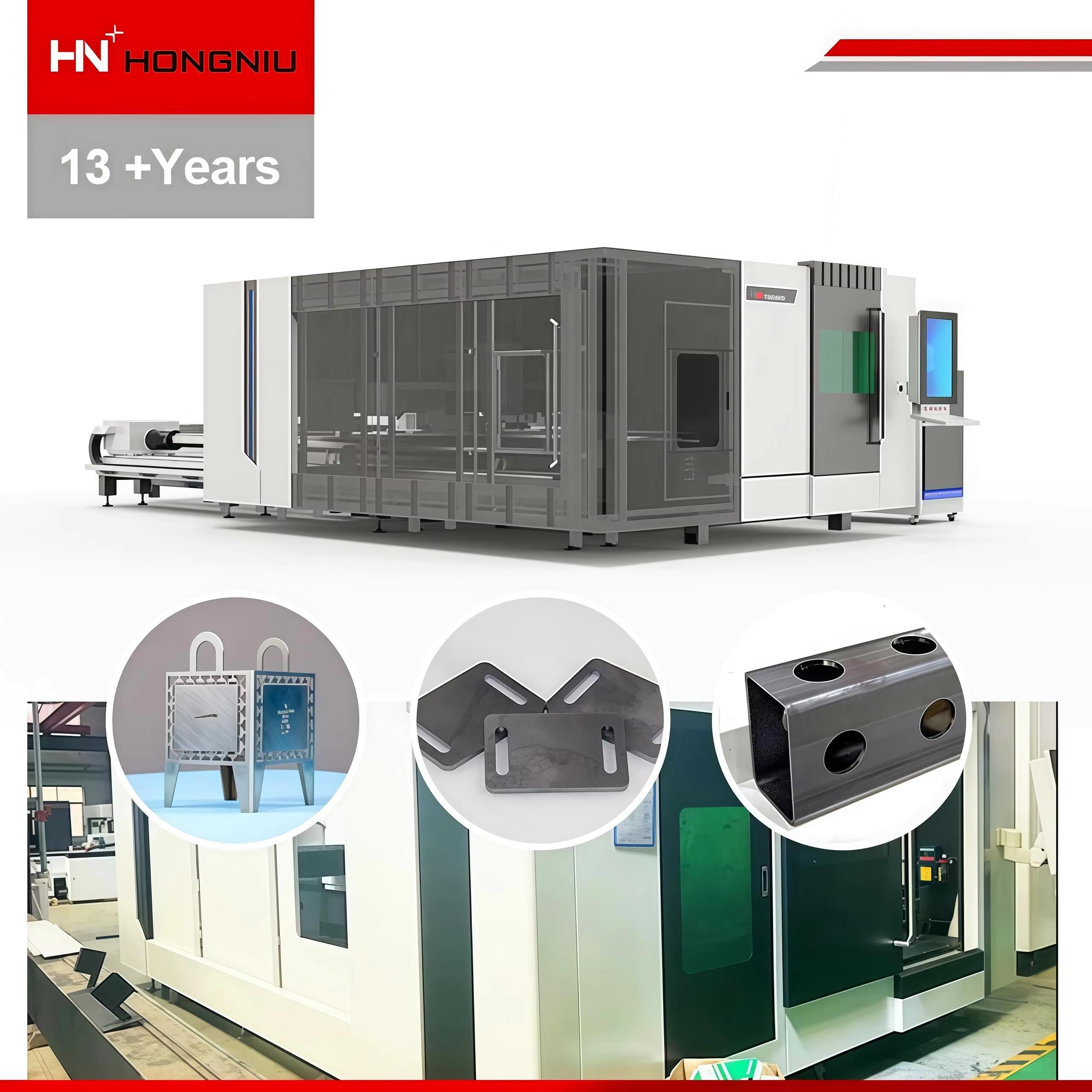
Manufacturing industries worldwide face a critical decision when investing in laser cutting technology: choosing between fiber laser cutting machines and traditional CO₂ laser systems. This choice significantly impacts production efficiency, operational costs, and overall manufacturing capabilities. Modern manufacturing demands precision, speed, and cost-effectiveness, making the selection of the right laser cutting technology more crucial than ever. The fiber laser cutting machine has emerged as a revolutionary solution that addresses many limitations of conventional CO₂ systems. Understanding the fundamental differences between these technologies helps manufacturers make informed decisions that align with their production goals and budget constraints.
Technology Fundamentals and Operating Principles
Fiber Laser Technology Architecture
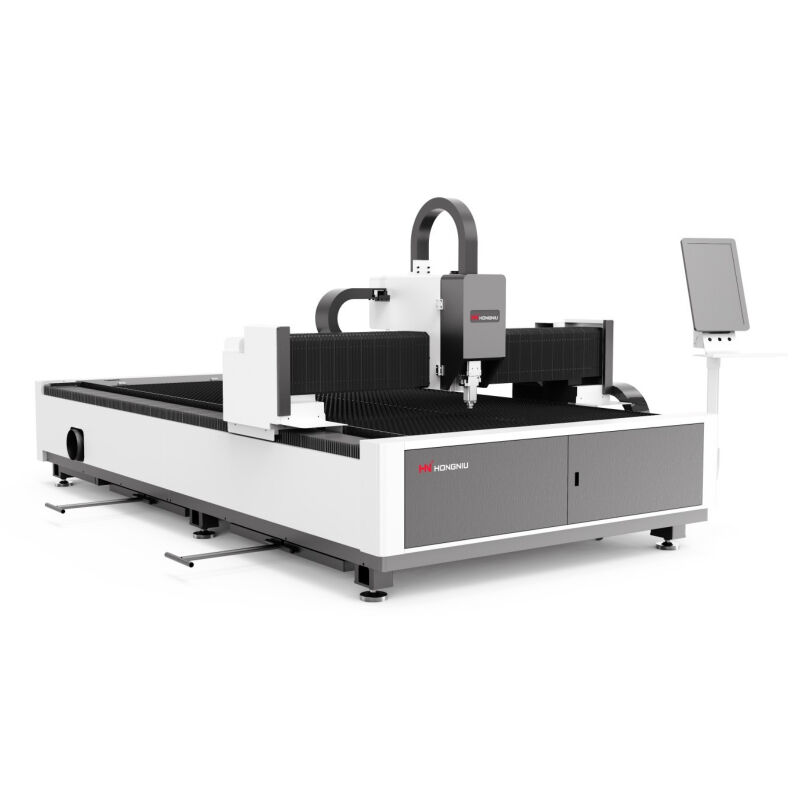
The fiber laser cutting machine utilizes solid-state laser technology that generates coherent light through optical fibers doped with rare earth elements like ytterbium. This innovative approach creates a highly concentrated beam with exceptional beam quality and minimal divergence. The fiber laser cutting machine operates at wavelengths around 1.064 micrometers, which provides superior absorption characteristics when cutting metallic materials. The solid-state design eliminates the need for gas mixtures and complex mirror alignments that characterize traditional laser systems.
Fiber optic delivery systems in these machines offer unprecedented flexibility in beam routing and manipulation. The fiber laser cutting machine can maintain consistent beam quality regardless of the delivery distance, enabling more compact machine designs and improved accessibility. This technology delivers wall-plug efficiencies exceeding 30%, representing a significant advancement over previous laser generations. The modular nature of fiber laser sources allows for easy maintenance and component replacement without extensive realignment procedures.
CO₂ Laser System Mechanics
CO₂ laser systems generate coherent light through electrical discharge in a gas mixture containing carbon dioxide, nitrogen, and helium. These systems operate at 10.6-micrometer wavelengths, which interact differently with various materials compared to fiber laser cutting machine wavelengths. The gas laser medium requires continuous gas flow and mixture control to maintain optimal performance levels. Mirror-based beam delivery systems in CO₂ lasers demand precise alignment and regular maintenance to preserve cutting quality.
Traditional CO₂ systems achieve wall-plug efficiencies around 10-15%, requiring substantial electrical power for operation. The larger footprint of CO₂ laser systems stems from the need for extensive beam delivery optics and gas handling equipment. These systems excel at cutting non-metallic materials like acrylic, wood, and textiles due to their longer wavelength characteristics. However, the complexity of gas laser maintenance and alignment procedures increases operational overhead compared to fiber laser cutting machine alternatives.
Performance Capabilities and Material Processing
Cutting Speed and Efficiency Comparisons
The fiber laser cutting machine demonstrates superior cutting speeds when processing thin to medium thickness metals, often achieving 2-5 times faster cutting rates than comparable CO₂ systems. This speed advantage becomes particularly pronounced when cutting materials under 6mm thickness, where fiber laser cutting machine technology excels. The high power density achievable with fiber lasers enables rapid piercing and efficient material removal. Processing aluminum and copper alloys showcases the fiber laser cutting machine advantages most dramatically, as these materials readily absorb the shorter wavelength.
Productivity gains from fiber laser cutting machine implementation extend beyond raw cutting speed to include reduced setup times and minimal warm-up requirements. These machines achieve full operating power within seconds, unlike CO₂ systems that may require extended warm-up periods. The consistent beam quality of fiber laser cutting machine technology maintains uniform cutting performance throughout production runs. Automated material handling integration proves more straightforward with fiber systems due to their compact design and flexible beam delivery capabilities.
Material Compatibility and Application Range
Fiber laser cutting machine technology excels primarily with metallic materials, including stainless steel, carbon steel, aluminum, brass, and copper alloys. The shorter wavelength provides excellent absorption characteristics for these materials, resulting in clean, precise cuts with minimal heat-affected zones. Reflective metals that traditionally posed challenges for CO₂ systems process efficiently with fiber laser cutting machine technology. The precision achievable with fiber lasers enables intricate geometric patterns and tight tolerance requirements in automotive, aerospace, and electronics manufacturing.
CO₂ laser systems maintain advantages when processing non-metallic materials such as acrylic, polycarbonate, wood, leather, and textiles. The longer wavelength of CO₂ lasers provides better absorption in organic materials, resulting in clean edge cuts without melting or discoloration. Thick section cutting capabilities favor CO₂ systems for materials exceeding 25mm thickness, where the longer wavelength penetrates more effectively. However, the versatility of modern fiber laser cutting machine systems continues expanding as power levels increase and processing techniques advance.
Economic Analysis and Cost Considerations
Initial Investment and Equipment Costs
The initial purchase price of fiber laser cutting machine systems typically ranges 20-40% higher than equivalent CO₂ laser systems of similar power ratings. However, this premium reflects advanced solid-state technology, higher efficiency components, and reduced infrastructure requirements. Fiber laser cutting machine installations require minimal facility modifications, as they eliminate the need for gas supply systems, chilled water circulation, and extensive electrical infrastructure. The compact design of fiber systems reduces facility space requirements, potentially offsetting higher equipment costs through reduced real estate needs.
Financing considerations for fiber laser cutting machine investments should account for faster payback periods due to increased productivity and reduced operating expenses. Many manufacturers report return on investment timelines of 12-24 months when replacing CO₂ systems with fiber laser cutting machine technology. The modular design of fiber systems allows for incremental power upgrades without complete system replacement, providing scalability for growing operations. Lease and financing options specifically tailored for fiber laser cutting machine purchases recognize the strong resale value and proven performance record of these systems.
Operational Cost Structure Analysis
Operating expenses for fiber laser cutting machine systems prove significantly lower than CO₂ alternatives across multiple cost categories. Electrical consumption drops by 50-70% due to superior wall-plug efficiency, resulting in substantial utility cost savings. The fiber laser cutting machine eliminates ongoing gas consumption costs that can exceed $1000 monthly for high-utilization CO₂ systems. Maintenance requirements decrease dramatically, as fiber systems lack consumable components like mirrors, lenses, and gas mixtures that require regular replacement.
Labor costs associated with fiber laser cutting machine operation remain lower due to reduced maintenance procedures and simplified setup requirements. Downtime for maintenance activities decreases from hours to minutes in many cases, maximizing productive cutting time. The reliability of fiber laser cutting machine technology reduces unplanned maintenance events that disrupt production schedules and increase costs. Consumable costs focus primarily on assist gas consumption and occasional nozzle replacement, representing fraction of CO₂ system operating expenses.
Maintenance Requirements and System Reliability
Fiber Laser Maintenance Protocols
The fiber laser cutting machine requires minimal routine maintenance compared to traditional laser systems, primarily focusing on assist gas system maintenance and periodic cleaning of protective windows. Laser source modules in fiber systems typically operate for 100,000+ hours without significant power degradation, compared to 2,000-8,000 hours for CO₂ laser tubes. The absence of mirrors, lenses, and gas systems eliminates major maintenance categories that plague CO₂ systems. Fiber laser cutting machine maintenance schedules can often extend to monthly or quarterly intervals rather than weekly procedures required by gas lasers.
Preventive maintenance for fiber laser cutting machine systems focuses on mechanical components like linear guides, servo motors, and assist gas delivery systems. The solid-state laser source requires no alignment procedures, eliminating the need for skilled optical technicians for routine maintenance. Software-based diagnostics in modern fiber laser cutting machine systems provide predictive maintenance capabilities that identify potential issues before failures occur. Remote monitoring capabilities allow manufacturers to track system performance and receive maintenance alerts without on-site personnel.
Reliability and Uptime Performance
Field data consistently demonstrates superior reliability metrics for fiber laser cutting machine installations, with uptime rates exceeding 95% in well-maintained facilities. The solid-state design eliminates failure modes associated with gas mixing, mirror alignment, and electrical discharge components found in CO₂ systems. Fiber laser cutting machine systems typically experience fewer unplanned shutdowns, contributing to improved production schedule adherence and reduced emergency maintenance costs. The modular architecture enables rapid component replacement when maintenance becomes necessary.
Environmental stability of fiber laser cutting machine operation surpasses CO₂ systems, as performance remains consistent across wider temperature and humidity ranges. Vibration sensitivity decreases significantly with fiber systems, enabling installation in industrial environments where CO₂ lasers might struggle with beam quality maintenance. The robust design of fiber laser cutting machine components withstands industrial operating conditions while maintaining precision cutting capabilities. Mean time between failures typically exceeds 8,760 hours for fiber systems compared to 2,000-4,000 hours for comparable CO₂ installations.
Future Technological Developments and Market Trends
Industry Adoption Patterns
Manufacturing sectors worldwide demonstrate accelerating adoption of fiber laser cutting machine technology, with market penetration exceeding 60% in automotive and aerospace applications. The trend toward fiber systems reflects growing emphasis on energy efficiency, automation compatibility, and reduced total cost of ownership. Small and medium enterprises increasingly choose fiber laser cutting machine solutions as entry-level prices decrease and performance capabilities expand. Industry 4.0 initiatives favor fiber systems due to their digital integration capabilities and remote monitoring features.
Geographic analysis reveals fiber laser cutting machine adoption leading in regions with high energy costs and skilled labor shortages. European and Asian manufacturers particularly embrace fiber technology for its combination of efficiency and precision capabilities. North American markets show steady growth in fiber laser cutting machine installations as manufacturers recognize long-term cost advantages. The replacement cycle for aging CO₂ systems creates substantial opportunities for fiber laser cutting machine market expansion over the next decade.
Technological Innovation Roadmap
Research and development efforts continue advancing fiber laser cutting machine capabilities through higher power levels, improved beam quality, and enhanced processing speeds. Multi-kilowatt fiber systems now enable thick section cutting previously dominated by CO₂ technology, expanding application possibilities. Artificial intelligence integration with fiber laser cutting machine systems promises adaptive cutting parameters and predictive quality control capabilities. Additive manufacturing hybrid systems combining fiber laser cutting machine technology with 3D printing capabilities represent emerging application areas.
Environmental regulations increasingly favor fiber laser cutting machine adoption due to lower energy consumption and reduced waste generation. Advanced beam shaping technologies enhance fiber system capabilities for specialized applications requiring specific beam profiles. Integration with robotic systems and automated material handling continues improving through fiber laser cutting machine design innovations. Next-generation fiber laser cutting machine systems will likely incorporate augmented reality interfaces and advanced process monitoring for enhanced operator effectiveness.
FAQ
What are the main advantages of fiber laser cutting machines over CO₂ systems
Fiber laser cutting machines offer significantly higher energy efficiency, faster cutting speeds for metals, lower maintenance requirements, and reduced operating costs compared to CO₂ systems. The solid-state design eliminates gas consumption, mirror alignment issues, and extensive warm-up periods. Additionally, fiber systems provide better cutting quality on reflective metals and require minimal facility infrastructure modifications during installation.
How much can manufacturers save by switching to fiber laser cutting technology
Manufacturers typically achieve 50-70% reduction in electrical costs and eliminate monthly gas expenses ranging from $500-1500 depending on usage levels. Total operating cost savings often reach 40-60% annually, while increased productivity from faster cutting speeds can improve revenue by 25-50%. Most operations report complete return on investment within 18-30 months after switching from CO₂ to fiber laser cutting machine systems.
Can fiber laser cutting machines process the same materials as CO₂ lasers
Fiber laser cutting machines excel with metallic materials including stainless steel, carbon steel, aluminum, brass, and copper alloys, often surpassing CO₂ performance. However, CO₂ systems maintain advantages for non-metallic materials like acrylic, wood, leather, and textiles due to better wavelength absorption characteristics. Modern high-power fiber systems increasingly handle thicker materials previously requiring CO₂ technology, though some specialized applications still favor gas lasers.
What maintenance differences should operators expect when upgrading to fiber laser technology
Fiber laser cutting machine maintenance requirements decrease dramatically compared to CO₂ systems, eliminating gas mixture monitoring, mirror cleaning and alignment, and frequent component replacement. Routine maintenance shifts to monthly or quarterly intervals focusing on mechanical components and protective windows. The absence of consumable laser components like mirrors and lenses reduces both maintenance frequency and skilled technician requirements, significantly lowering maintenance costs and system downtime.
Table of Contents
- Technology Fundamentals and Operating Principles
- Performance Capabilities and Material Processing
- Economic Analysis and Cost Considerations
- Maintenance Requirements and System Reliability
- Future Technological Developments and Market Trends
-
FAQ
- What are the main advantages of fiber laser cutting machines over CO₂ systems
- How much can manufacturers save by switching to fiber laser cutting technology
- Can fiber laser cutting machines process the same materials as CO₂ lasers
- What maintenance differences should operators expect when upgrading to fiber laser technology
