 EN
EN

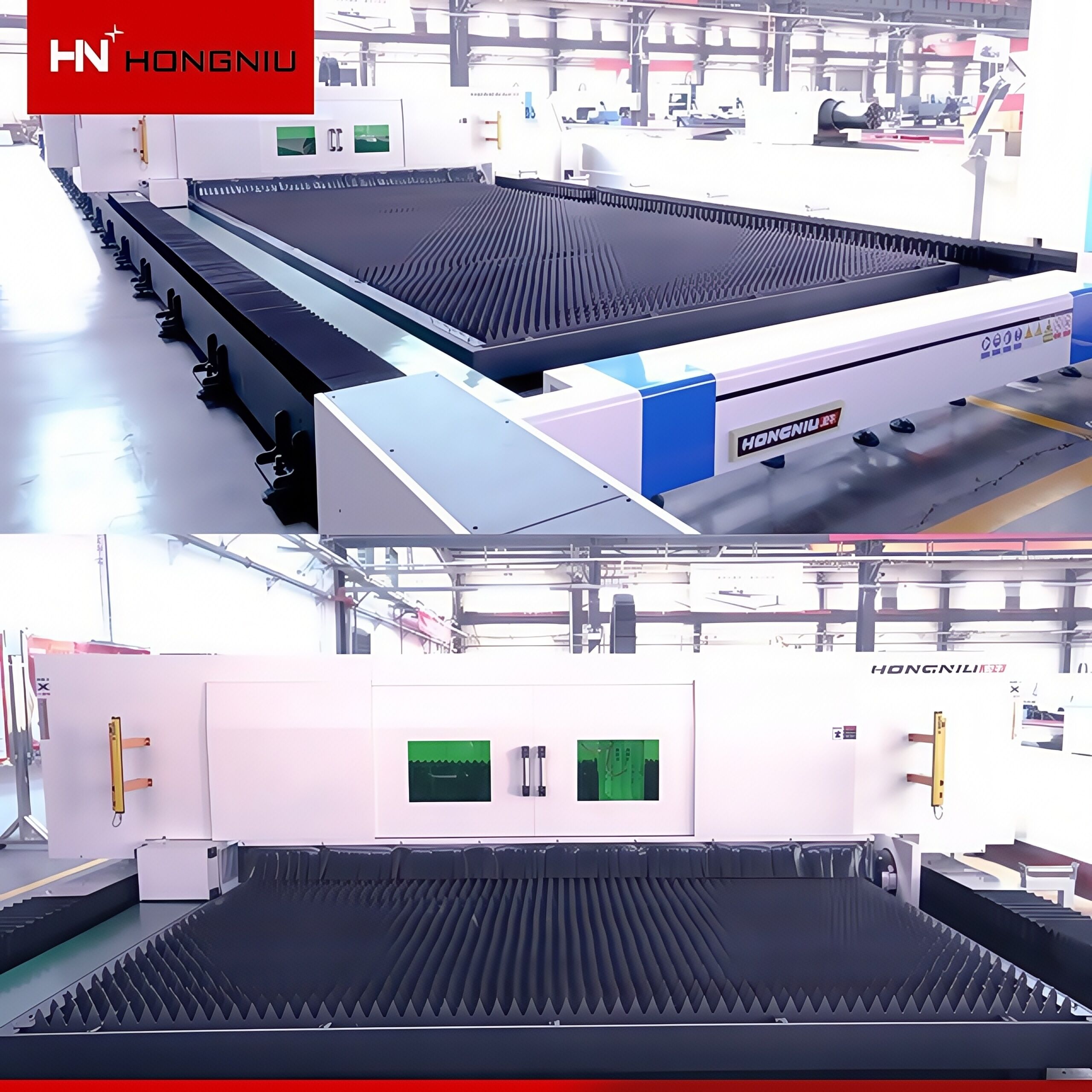
The landscape of modern industrial manufacturing has been fundamentally transformed by the advent of fiber technology. In the realm of metalwork, the fiber laser cutting machine stands as the pinnacle of efficiency, precision, and versatility. Unlike traditional CO2 lasers or mechanical shearing methods, fiber lasers utilize a solid-state gain medium to amplify light, which is then delivered via a flexible fiber optic cable. This technical shift allows for a beam quality that is significantly more concentrated, enabling fabricators to tackle complex geometries and diverse material types with unprecedented ease.
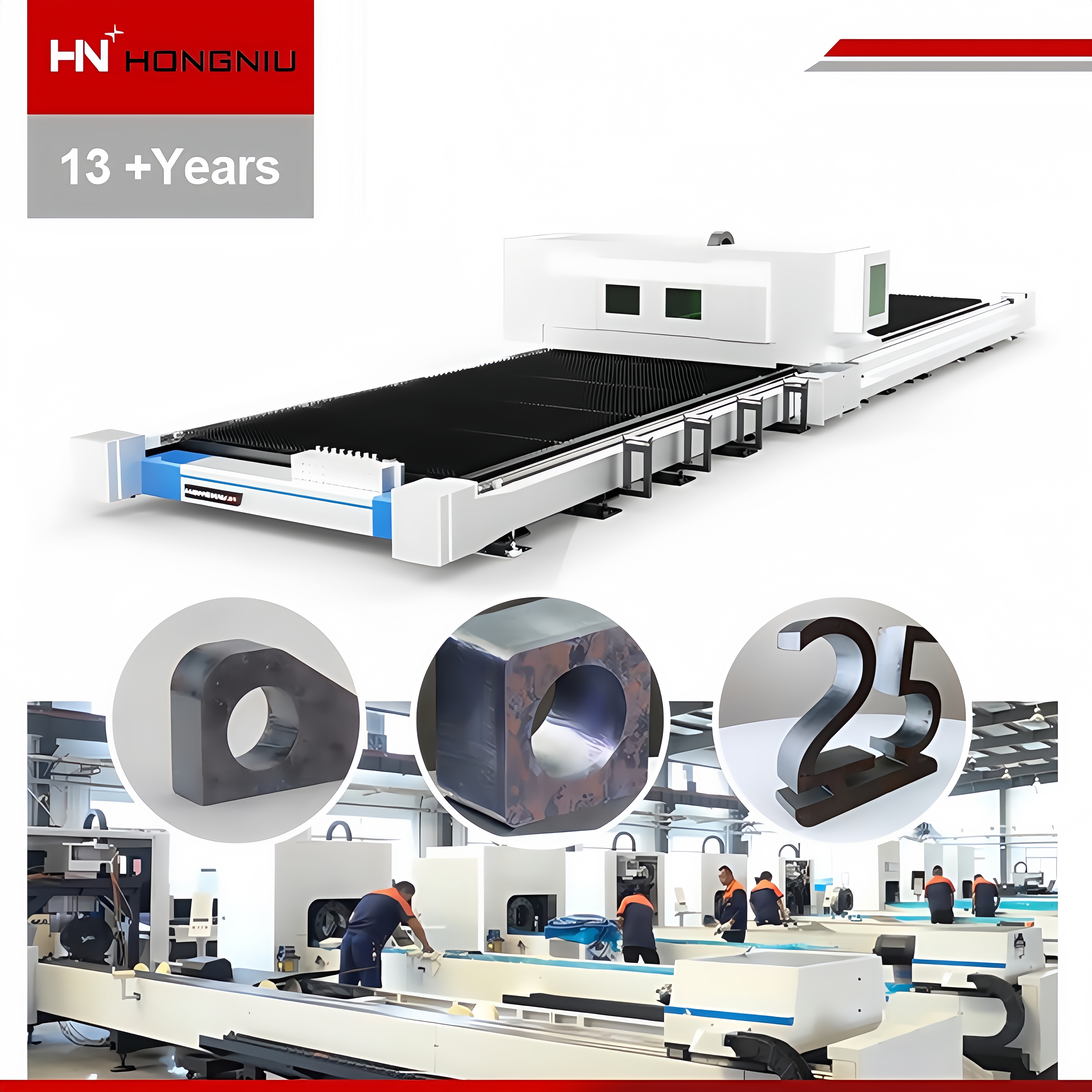
For B2B enterprises, the integration of a fiber laser cutting machine into the production line is more than a simple upgrade; it is a strategic move toward higher throughput and lower operational overhead. As global supply chains demand tighter tolerances and faster turnaround times, understanding the specific applications of this technology becomes essential for any fabrication facility looking to maintain a competitive edge. From automotive components to intricate decorative hardware, the applications are as vast as they are precise.
Precision Component Manufacturing for the Automotive Industry
The automotive sector is perhaps the most demanding environment for metal fabrication, requiring a perfect balance between structural integrity and lightweight design. A fiber laser cutting machine is ideally suited for this industry because it can process high-strength steels and aluminum alloys at exceptionally high speeds. Components such as pillars, frame reinforcements, and intricate interior brackets are cut with a level of accuracy that ensures seamless fitment during robotic assembly.
Beyond structural parts, the technology is also utilized for specialized automotive hardware. This includes the fabrication of components for ball-joint housings, exhaust system flanges, and customized engine mounts. The ability to switch between different material thicknesses without extensive tool changes allows automotive suppliers to maintain a "just-in-time" production model, reducing inventory costs and maximizing floor space efficiency.
Heavy Industrial Equipment and Structural Fabrication
In the world of heavy machinery, durability is the primary metric of success. Fabricating the frames and internal components for industrial wire bending machines, large-scale welding systems, and metal detection units requires the ability to cut through thick carbon steel plates with absolute geometric fidelity. The high power density of a fiber laser ensures that even 20mm or 30mm plates can be pierced and contoured without the edge taper often seen in plasma cutting.
The structural reliability of these machines depends on the precision of their bolt holes and interlocking joints. Because the laser process is software-driven, engineers can design complex interlocking "tab and slot" assemblies that align perfectly upon arrival at the welding station. This reduces the need for expensive manual jigs and secondary machining, streamlining the entire manufacturing workflow for heavy industrial equipment.
Material Application and Thickness Capability Matrix
To better understand the versatility of a fiber laser cutting machine, the following table outlines common materials and their typical application ranges in a professional fabrication environment.
| Material Type | Typical Applications | Advantages of Fiber Laser | Max Production Thickness |
| Carbon Steel | Machine frames, structural plates | Exothermic reaction speeds up cutting | Up to 50mm (High Power) |
| Stainless Steel | Kitchenware, medical tools, molds | Bright, oxide-free edges with Nitrogen | Up to 30mm |
| Aluminum | Aerospace parts, heat sinks | Handles high reflectivity safely | Up to 30mm |
| Brass & Copper | Electrical busbars, decorative art | High absorption rate in fiber spectrum | Up to 15mm |
| Galvanized Steel | HVAC ducts, outdoor enclosures | Clean cuts through protective coatings | Up to 10mm |
Specialized Hardware and Mold Production
The production of specialized hardware, such as bottle cap molds, precision fasteners, and industrial hinges, requires a level of detail that traditional milling often struggles to achieve economically. Fiber lasers excel here by providing a microscopic kerf width, allowing for the creation of extremely fine contours and sharp internal corners. In the plastic injection molding industry, where mold inserts must fit with zero-clearance tolerances, the repeatability of the laser ensures that every cavity is identical.
Furthermore, the non-contact nature of laser cutting means that thin or delicate hardware components are not subjected to mechanical stress during the process. This eliminates the risk of warping or surface marring, which is critical when working with polished stainless steel or pre-coated metals. Manufacturers can produce thousands of identical hardware pieces with the confidence that the last piece will be as perfect as the first, maintaining strict quality control standards across the board.
Decorative Metalwork and Architectural Signage
While industrial utility is the primary driver for fiber laser adoption, the architectural and decorative sectors have also seen a revolution. The ability to cut intricate patterns into stainless steel, brass, and copper has opened new doors for interior designers and architects. From custom elevator panels and perforated facades to high-end corporate signage, the fiber laser cutting machine delivers a "finished" edge that rarely requires secondary polishing or deburring.
This application is particularly prominent in the B2B gift and promotional sector. Companies can now offer personalized metal products, such as engraved plaques or custom-cut tool sets, with high-speed turnaround times. The versatility of the laser source allows it to handle the delicate engraving of a logo on a grill tool just as easily as it cuts the heavy-duty plate for a building's structural bracket, making it a truly multi-purpose tool for the modern workshop.
Optimizing Production Efficiency in Sports Equipment Manufacturing
The sports equipment industry frequently utilizes a variety of metallic tubes and sheets to create everything from ball manufacturing machinery to gym equipment frames. Fiber lasers equipped with rotary attachments allow for the seamless transition between flat sheet cutting and tube processing. This capability is essential for creating the curved frames and specialized brackets found in high-end fitness machines and automated sports ball production lines.
By utilizing nesting software, manufacturers can arrange parts of various shapes and sizes on a single sheet of metal, drastically reducing material waste. In a high-volume production environment, a 5% or 10% saving in material can translate to significant annual cost reductions. The precision of the fiber laser also ensures that parts are "weld-ready" immediately after cutting, removing the labor-intensive step of manual edge cleaning and allowing for a much faster assembly process.
Frequently Asked Questions (FAQ)
Why is a fiber laser preferred over a CO2 laser for metal fabrication?
Fiber lasers have a shorter wavelength, which is more readily absorbed by metals, especially reflective ones like aluminum and brass. Additionally, fiber lasers have no moving parts or mirrors in the light-generating source, leading to significantly lower maintenance costs and higher energy efficiency.
Can a fiber laser cut non-metallic materials like wood or plastic?
Generally, no. Fiber lasers are specifically tuned for the absorption spectra of metals. For organic materials like wood, acrylic, or leather, a CO2 laser is the appropriate tool. Attempting to cut non-metals with a fiber laser can result in poor cut quality or fire hazards due to the way the material reacts to the wavelength.
What is the "Heat Affected Zone" (HAZ), and why does it matter?
The HAZ is the area of metal that has had its microstructure altered by the heat of the laser. One of the greatest benefits of a fiber laser is its extremely narrow HAZ. Because the beam is so concentrated and moves so quickly, very little heat dissipates into the surrounding metal, preventing warping and maintaining the material's original strength.
Is it necessary to use assist gases like Nitrogen or Oxygen?
Yes, assist gases are crucial. Oxygen is typically used for carbon steel to facilitate a faster, heat-generating reaction. Nitrogen is used for stainless steel and aluminum to "flush" the molten metal out of the cut without allowing it to oxidize, resulting in a clean, silver edge that is ready for welding or painting.
How long does a fiber laser source typically last?
A high-quality fiber laser source is rated for approximately 100,000 hours of operation. In a standard 8-hour work environment, this can equate to over 20 years of service. This longevity, combined with the lack of complex internal optics, makes it one of the most reliable investments in the metal fabrication industry.
Table of Contents
- Precision Component Manufacturing for the Automotive Industry
- Heavy Industrial Equipment and Structural Fabrication
- Specialized Hardware and Mold Production
- Decorative Metalwork and Architectural Signage
- Optimizing Production Efficiency in Sports Equipment Manufacturing
- Frequently Asked Questions (FAQ)
