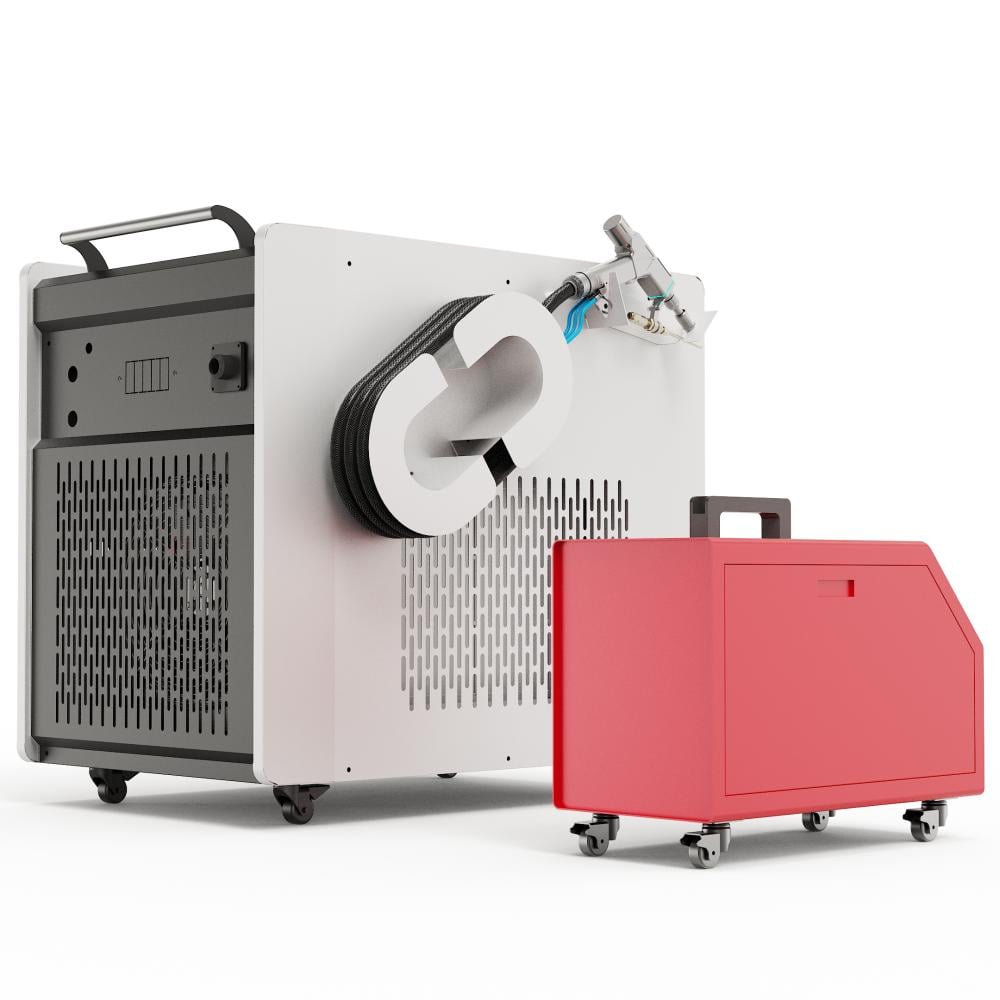
fiber cutting laser machine
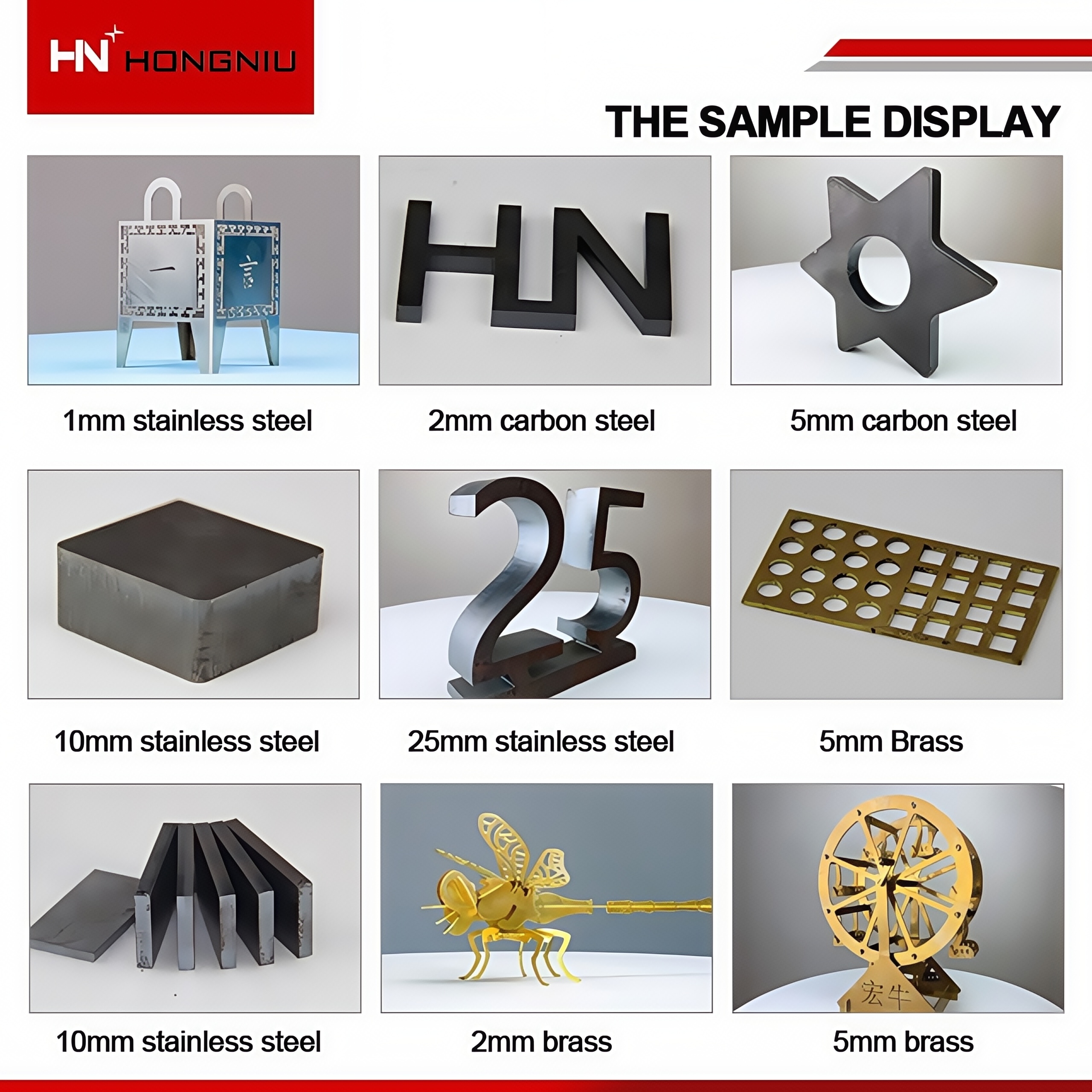
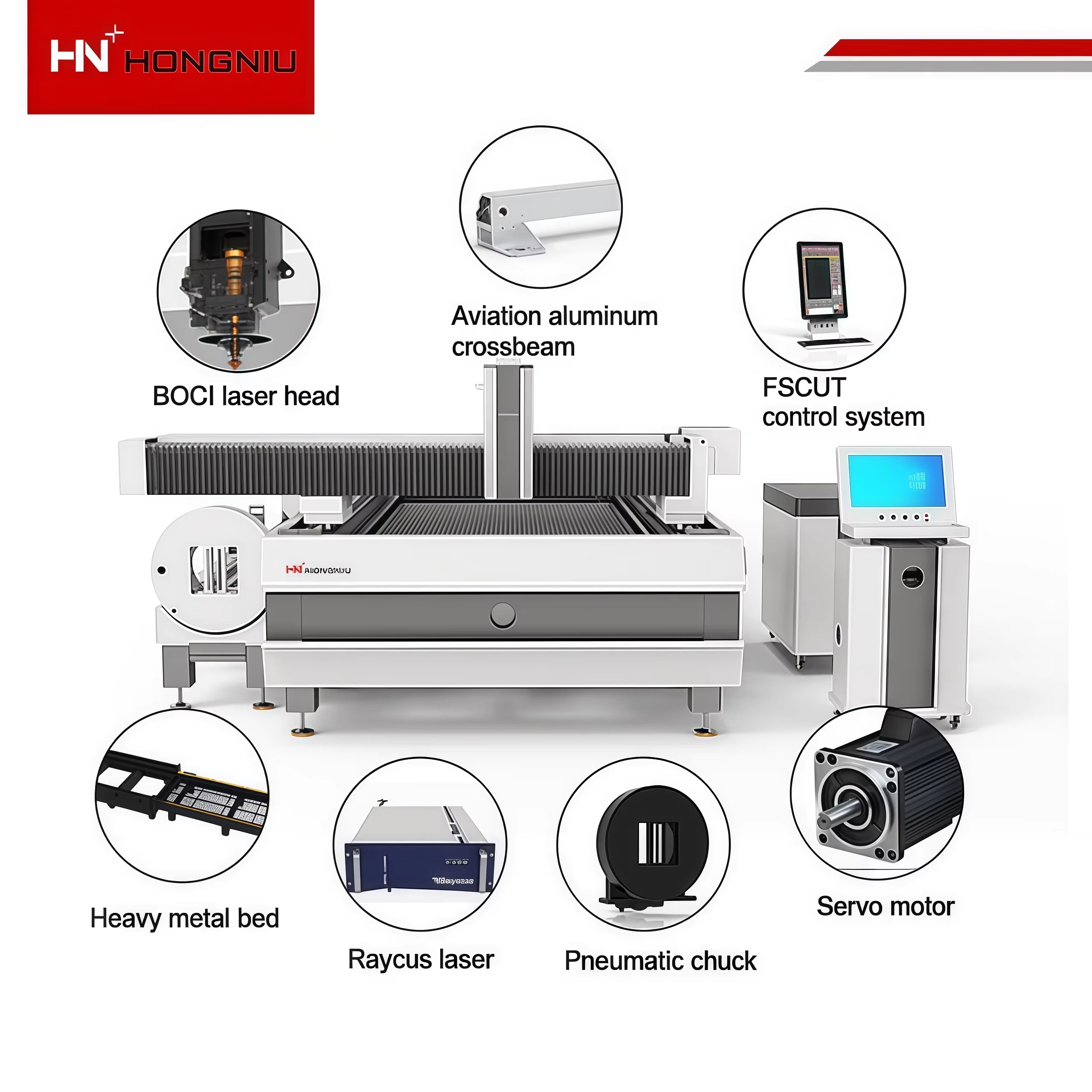
A fiber cutting laser machine represents cutting-edge technology that revolutionizes metal fabrication processes across manufacturing industries worldwide. This advanced equipment utilizes high-powered fiber laser technology to deliver precise, clean cuts through various materials with exceptional accuracy and speed. The fiber cutting laser machine operates by generating an intense beam of light through optical fibers, creating concentrated energy that melts, burns, or vaporizes material along predetermined cutting paths. Modern fiber cutting laser machines incorporate sophisticated computer numerical control systems that enable operators to execute complex cutting patterns with remarkable consistency. These machines excel at processing steel, aluminum, brass, copper, and other metallic materials ranging from thin sheets to thick plates. The technological foundation of a fiber cutting laser machine centers on its fiber laser source, which produces wavelengths particularly effective for metal absorption. This results in superior cutting quality compared to traditional mechanical cutting methods. The machine's cutting head moves precisely along programmed trajectories while maintaining optimal focus distance from the workpiece surface. Advanced fiber cutting laser machines feature automatic height adjustment systems that compensate for material variations and ensure consistent cutting quality throughout entire projects. The integration of CAD/CAM software allows seamless transition from design concepts to finished products. Many fiber cutting laser machines include material handling systems, fume extraction units, and safety enclosures that create comprehensive manufacturing solutions. These machines operate with minimal waste generation, as their narrow kerf width preserves material utilization efficiency. The fiber cutting laser machine has become indispensable in automotive manufacturing, aerospace production, architectural metalwork, electronics fabrication, and custom metal processing operations. Their ability to maintain tight tolerances while achieving rapid production speeds makes them essential for both prototype development and high-volume manufacturing environments.