 EN
EN


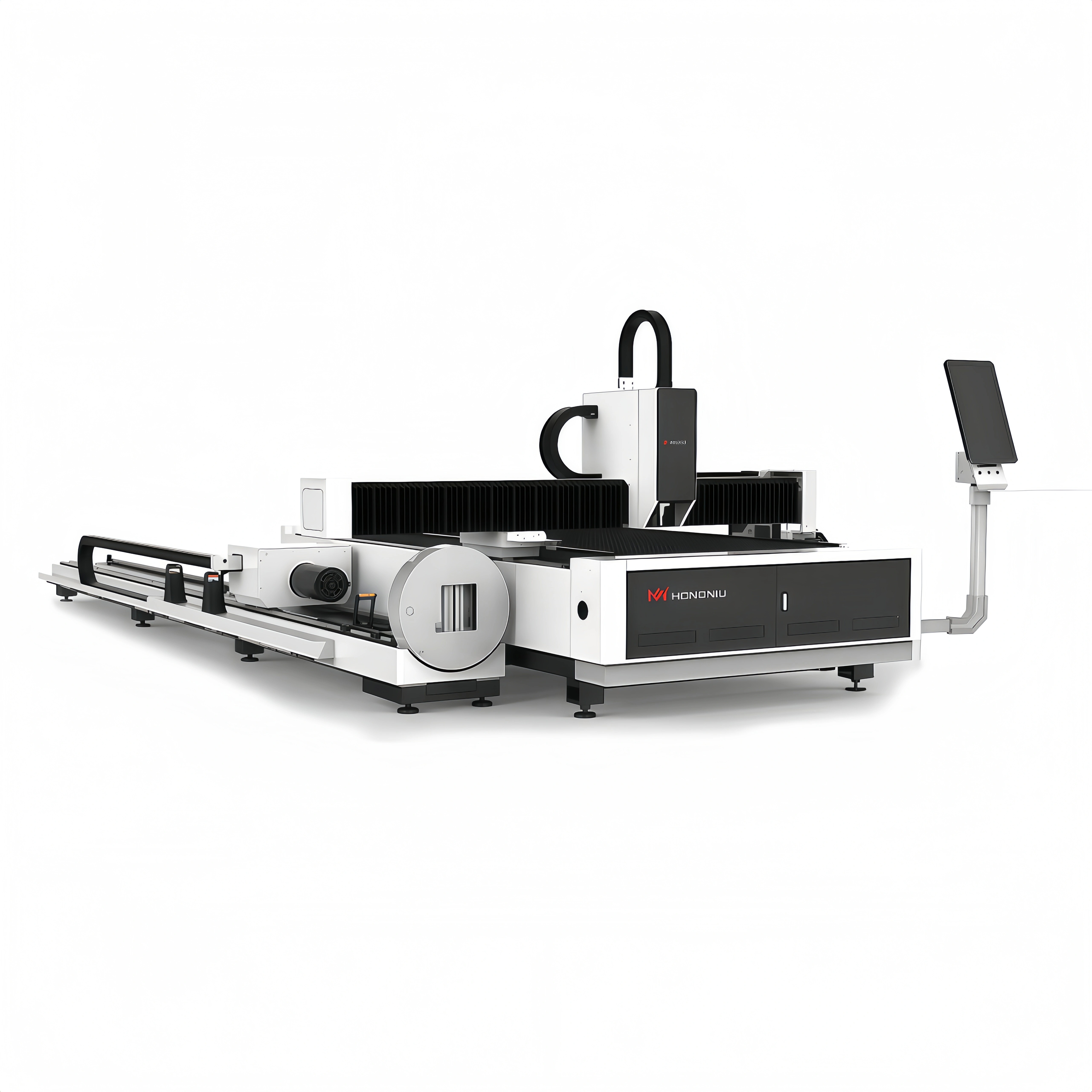
Understanding the operational mechanics of a laser for cutting machine in metal processing requires examining the sophisticated interplay of light amplification, beam focusing, and thermal energy transfer. These advanced manufacturing systems utilize concentrated laser beams to achieve precise cuts through various metal materials, fundamentally transforming how modern industries approach fabrication and production processes.
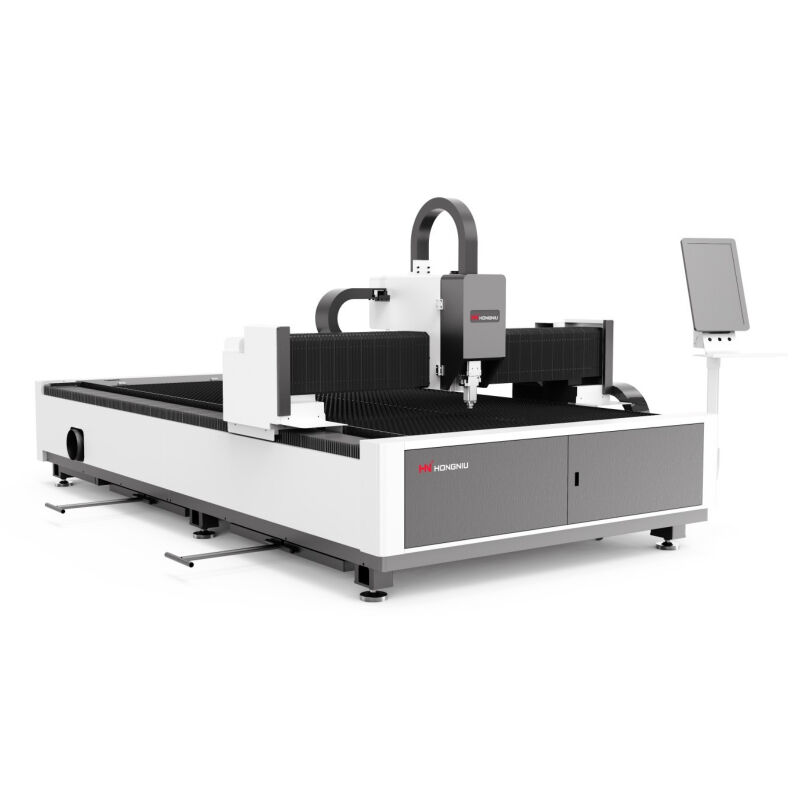
The working principle of a laser for cutting machine centers on the controlled generation and application of coherent light energy to create localized heating zones that exceed the melting and vaporization points of target metals. This process involves multiple integrated systems working in harmony to deliver consistent, high-quality cuts across diverse metal substrates while maintaining exceptional accuracy and repeatability standards demanded by industrial applications.
Fundamental Laser Generation Process
Light Amplification by Stimulated Emission
The core functionality of a laser for cutting machine begins with the laser generation process, where specific gain mediums produce coherent light through stimulated emission. In fiber laser systems, rare earth elements such as ytterbium are embedded within optical fibers, creating an active medium that amplifies light when energized by diode pumps. This amplification process produces a highly concentrated beam with exceptional beam quality characteristics.
The stimulated emission process occurs when excited atoms release photons in phase with incident radiation, creating a cascade effect that builds laser intensity. Modern laser for cutting machine designs optimize this process through careful control of pump power, fiber geometry, and cooling systems to maintain consistent output power levels throughout extended operating periods.
Resonator cavities within the laser system enhance the amplification process by providing feedback mechanisms that increase photon density and improve beam coherence. These cavities utilize precisely aligned mirrors and optical components to create standing wave patterns that maximize energy extraction from the gain medium while maintaining optimal beam characteristics for metal cutting applications.
Beam Quality and Coherence Control
Achieving optimal cutting performance requires exceptional beam quality control throughout the laser generation process. A high-performance laser for cutting machine maintains beam parameter product values that enable tight focusing capabilities, directly impacting cut quality and processing speed. Beam quality factors influence the minimum spot size achievable at the workpiece surface, determining the precision and edge quality of completed cuts.
Coherence properties of the laser beam affect how effectively energy can be concentrated at the cutting zone. Temporal coherence ensures consistent phase relationships between photons, while spatial coherence maintains uniform wavefront characteristics across the beam diameter. These properties enable the laser for cutting machine to deliver consistent energy density patterns that produce uniform heating effects across the cut kerf.
Advanced beam shaping techniques optimize the energy distribution profile to match specific cutting requirements. Beam homogenization systems ensure uniform intensity distribution across the beam cross-section, eliminating hot spots that could cause irregular melting patterns or reduced cut quality in sensitive metal processing applications.
Beam Delivery and Focusing Systems
Optical Transmission Components
The beam delivery system of a laser for cutting machine utilizes precision optical components to transport laser energy from the generation source to the cutting head while maintaining beam quality and minimizing power losses. High-quality mirrors, beam combiners, and protective windows work together to create reliable transmission paths that can handle high power densities without degradation or thermal distortion.
Mirror systems within the beam path require specialized coatings optimized for specific laser wavelengths to achieve maximum reflectivity and minimize absorption losses. These mirrors must maintain precise alignment under thermal cycling and mechanical stress to ensure consistent beam positioning at the cutting head. Temperature control systems often regulate mirror temperatures to prevent thermal lensing effects that could compromise beam quality.
Beam expanders and collimation systems condition the laser beam to achieve optimal characteristics for the focusing optics. These components adjust beam diameter and divergence angles to match the numerical aperture requirements of the focusing lens system, ensuring maximum energy concentration at the workpiece surface where cutting occurs.
Precision Focusing Mechanisms
The focusing system represents a critical component in the operation of any laser for cutting machine, as it determines the final spot size and energy density achieved at the cutting zone. High-quality focusing lenses concentrate the collimated laser beam to microscopic dimensions, creating power densities sufficient to rapidly heat metal beyond its melting and vaporization temperatures.
Focal length selection affects both spot size and depth of focus characteristics, influencing cutting performance across different material thicknesses. Shorter focal length lenses produce smaller spot sizes with higher power densities but reduced depth of focus, making them ideal for thin sheet metal processing. Longer focal length options provide greater working distance and improved depth of focus for thicker material cutting applications.
Adaptive focus control systems automatically adjust focal position based on material thickness and cutting requirements. These systems monitor cutting performance in real-time and make precise focal adjustments to maintain optimal energy density throughout the cutting process, ensuring consistent cut quality across varying workpiece geometries.
Metal Interaction and Material Removal Process
Thermal Energy Transfer Mechanisms
When focused laser energy contacts the metal surface, rapid thermal energy transfer initiates the cutting process through localized heating that raises material temperature beyond critical thresholds. The concentrated energy density from a laser for cutting machine creates extremely high heating rates, often exceeding 10^6 degrees Celsius per second, causing instantaneous melting and vaporization of metal within the laser spot area.
Heat conduction patterns within the metal workpiece determine the size and shape of the molten zone surrounding the laser interaction area. Thermal diffusivity properties of different metals influence how quickly heat spreads from the laser impact point, affecting the width of the heat-affected zone and overall cut quality. Proper understanding of these thermal characteristics enables optimization of cutting parameters for specific metal types.
Phase transition processes occur sequentially as laser energy heats the metal through solid, liquid, and gaseous states. The transition from solid to liquid creates a molten pool that must be effectively removed to maintain cut quality, while further heating to the gaseous state produces metal vapor that contributes to material removal efficiency in the laser for cutting machine operation.
Assist Gas Integration
Assist gas systems play crucial roles in the metal cutting process by enhancing material removal efficiency and protecting optical components from contamination. High-pressure gas streams directed through the cutting nozzle provide multiple benefits including molten metal ejection, oxidation enhancement for steel cutting, and inert atmosphere protection for reactive metals like aluminum and stainless steel.
Oxygen assist gas creates exothermic reactions with iron-based metals that supplement laser energy input, increasing cutting speed and enabling processing of thicker materials. This oxidation process generates additional heat that helps maintain molten conditions throughout the material thickness, improving cut edge quality and reducing power requirements for the laser for cutting machine when processing mild steel and carbon steel materials.
Nitrogen assist gas provides inert cutting environments that prevent oxidation and produce clean, oxide-free cut edges on stainless steel, aluminum, and other reactive metals. The high-pressure nitrogen stream effectively removes molten material while protecting the cut surfaces from atmospheric contamination, resulting in superior edge quality that often eliminates secondary finishing operations.
Process Control and Quality Management
Parameter Optimization Systems
Sophisticated control systems within modern laser for cutting machine designs continuously monitor and adjust critical process parameters to maintain optimal cutting performance across varying conditions. These systems integrate real-time feedback from multiple sensors to automatically compensate for material variations, environmental changes, and system drift that could affect cut quality or processing efficiency.
Power control systems regulate laser output based on cutting requirements, material properties, and desired cut characteristics. Advanced power modulation techniques enable precise control of energy delivery patterns, including pulse shaping, duty cycle adjustment, and power ramping that optimize material interaction for specific applications and metal types.
Cutting speed optimization algorithms analyze material response and automatically adjust traverse rates to maintain consistent cut quality while maximizing productivity. These systems consider factors such as material thickness, laser power availability, and quality requirements to determine optimal speed settings for each cutting operation, ensuring the laser for cutting machine delivers maximum efficiency.
Quality Monitoring and Feedback
Integrated quality monitoring systems provide real-time assessment of cutting performance through various sensing technologies that detect process anomalies and quality deviations. Optical sensors monitor plasma emission characteristics, thermal cameras track temperature distributions, and acoustic sensors detect changes in cutting sounds that indicate process variations requiring parameter adjustments.
Adaptive control loops automatically respond to quality monitoring feedback by adjusting laser power, cutting speed, focus position, and assist gas parameters to maintain consistent cut quality. These closed-loop systems enable the laser for cutting machine to compensate for material variations, surface contamination, and other factors that could compromise cutting performance without operator intervention.
Data logging and analysis capabilities capture detailed process information for quality documentation and continuous improvement initiatives. Statistical process control methods analyze cutting performance trends to identify optimization opportunities and predict maintenance requirements, ensuring consistent operation and maximum productivity from the laser for cutting machine throughout its operational life.
FAQ
What determines the maximum thickness a laser for cutting machine can process?
The maximum cutting thickness depends on laser power output, beam quality, material type, and assist gas selection. Higher power lasers with excellent beam quality can cut thicker materials, while thermal conductivity and melting properties of specific metals affect achievable thickness limits. Oxygen assist gas enables cutting thicker steel sections through exothermic reactions, while inert gases limit thickness but provide superior edge quality.
How does cutting speed affect the quality when using a laser for cutting machine?
Cutting speed directly impacts heat input and material interaction time, affecting cut quality characteristics such as edge roughness, kerf width, and heat-affected zone size. Optimal speeds balance productivity with quality requirements, as excessive speeds may cause incomplete cutting or poor edge quality, while overly slow speeds increase heat input and create wider heat-affected zones that compromise material properties.
What maintenance requirements ensure optimal performance of a laser for cutting machine?
Regular maintenance includes cleaning optical components, replacing protective windows, checking assist gas purity, calibrating focus position, and monitoring beam quality parameters. Preventive maintenance schedules should address laser source servicing, cooling system inspection, mechanical component lubrication, and software updates to maintain cutting accuracy and prevent costly downtime or component damage.
Can a laser for cutting machine process different metals without parameter changes?
Each metal type requires specific parameter optimization including laser power, cutting speed, focus position, and assist gas selection based on thermal properties, reflectivity, and thickness. Modern systems store material databases with pre-optimized parameters, but fine-tuning may be necessary for specific applications, material grades, or quality requirements to achieve optimal cutting performance and edge quality.
Table of Contents
- Fundamental Laser Generation Process
- Beam Delivery and Focusing Systems
- Metal Interaction and Material Removal Process
- Process Control and Quality Management
-
FAQ
- What determines the maximum thickness a laser for cutting machine can process?
- How does cutting speed affect the quality when using a laser for cutting machine?
- What maintenance requirements ensure optimal performance of a laser for cutting machine?
- Can a laser for cutting machine process different metals without parameter changes?