 EN
EN

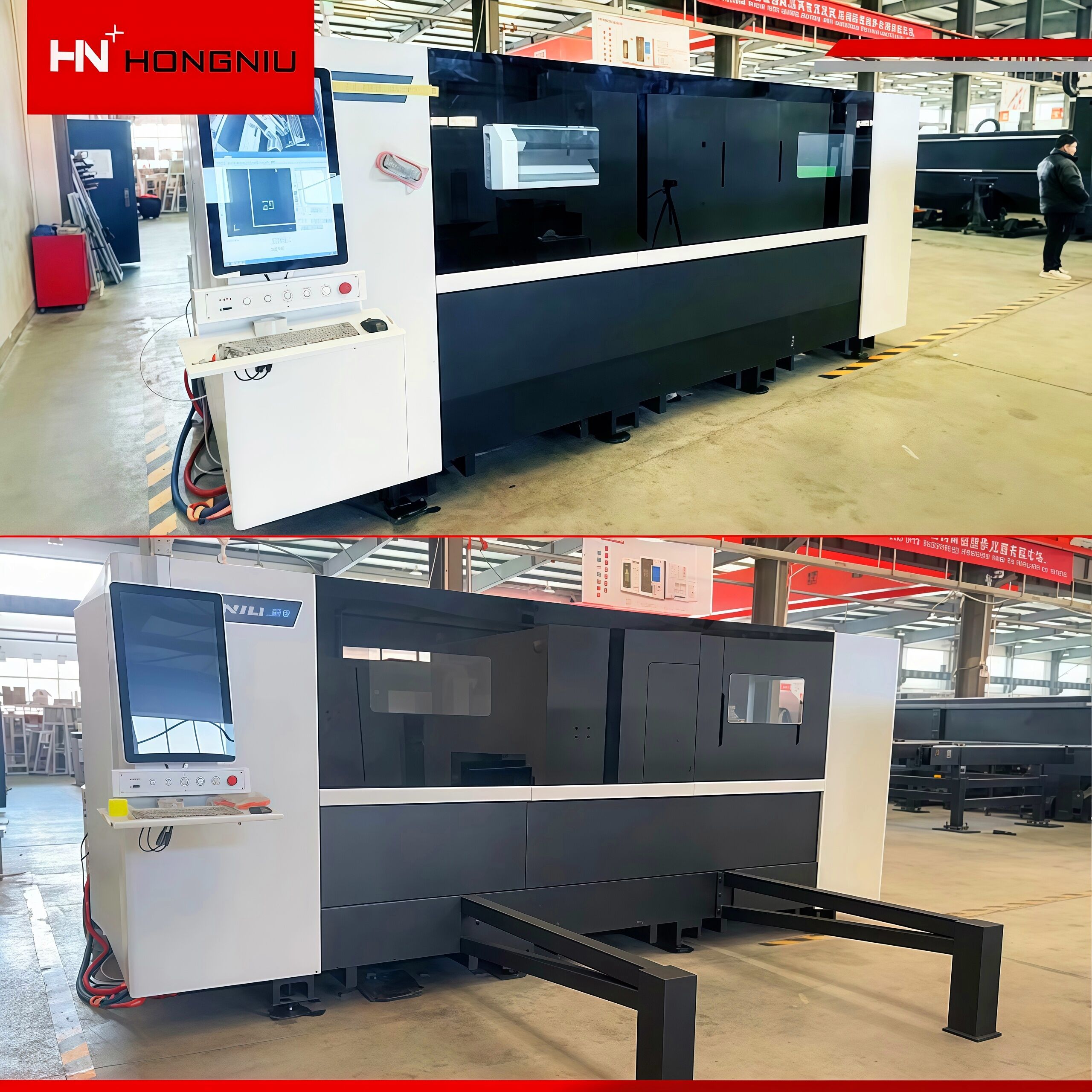
In the modern manufacturing landscape, the transition from manual fabrication to automated systems has redefined the benchmarks for quality. For B2B industrial firms, the ability to deliver ten thousand identical parts is just as important as the ability to deliver a single high-quality prototype. This is where the CNC laser cutting machine becomes an indispensable asset. By integrating Computer Numerical Control (CNC) with high-precision fiber laser technology, manufacturers can eliminate the "human element" of error, ensuring that every cut, hole, and contour remains identical from the first sheet to the last.
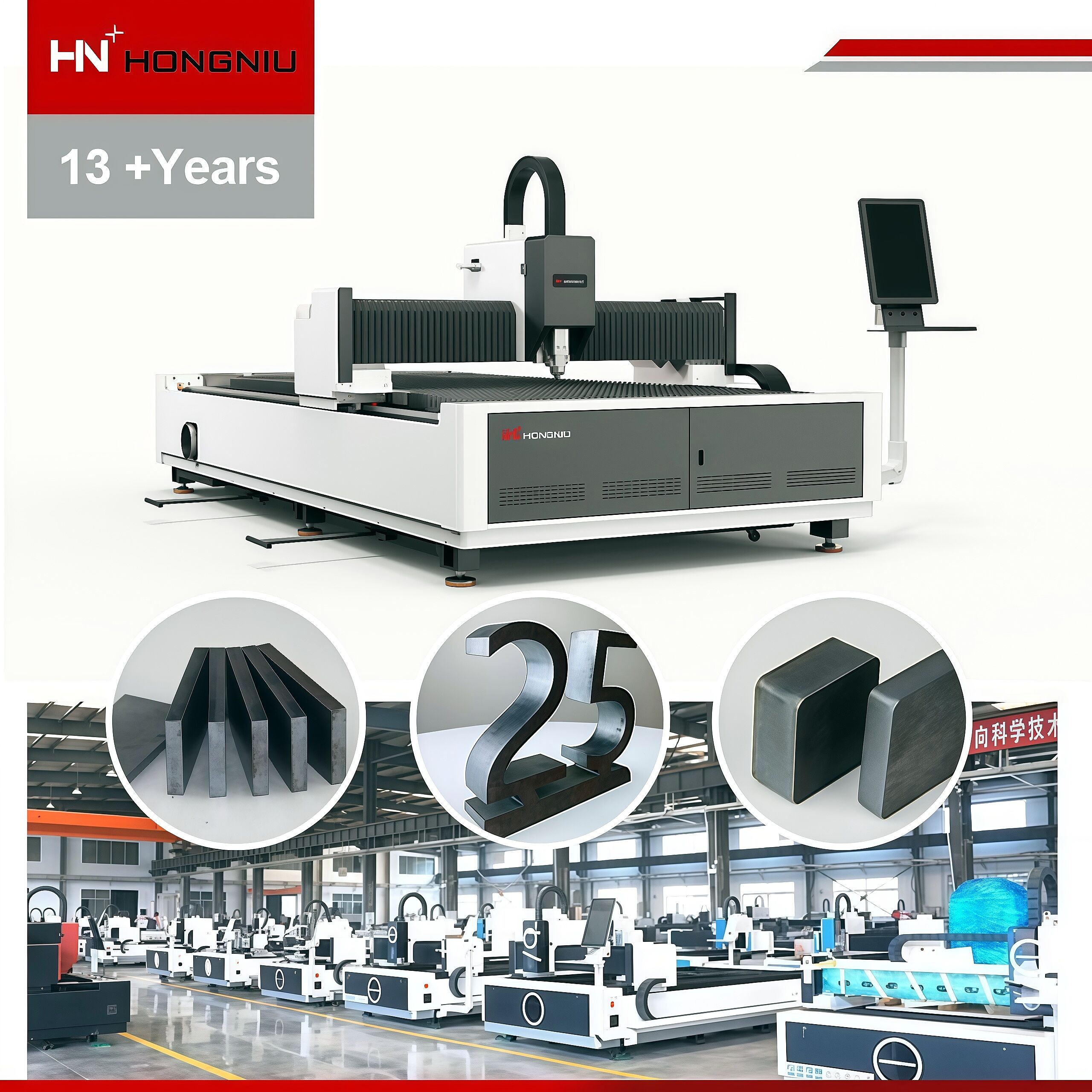
Consistency in production is not merely about aesthetics; it is a mechanical necessity. In industries ranging from automotive assembly to the production of complex industrial metal detectors, components must fit together with sub-millimeter precision. A CNC laser cutting machine provides the structural foundation for this level of reliability, offering a repeatable accuracy that traditional mechanical punching or manual sawing simply cannot match. As we delve into the technical advantages of these systems, it becomes clear why they are the preferred choice for scaling industrial output.
The Role of Automated Precision in Eliminating Human Error
Traditional metal fabrication often relies on the steady hand of an operator or the manual setting of mechanical stops. Even the most skilled technician will experience fatigue or slight variations in measurement over an eight-hour shift. A CNC laser cutting machine removes these variables by following a digital blueprint—typically a CAD/CAM file—with absolute fidelity. Once the parameters for power, speed, and gas pressure are set for a specific material thickness, the machine executes the same path with a repeatability tolerance often as tight as ±0.03mm.
This automation extends beyond the cutting path itself. Modern CNC systems feature advanced height-sensing technology where the cutting head automatically maintains a constant distance from the material surface. Even if a metal sheet has slight ripples or isn't perfectly flat, the sensor adjusts the focal point in real-time. This ensures that the kerf width and edge quality remain uniform across the entire workpiece, preventing the "drift" in quality that often plagues manual or older mechanical processes.
Comparison of Consistency Factors: Manual vs. CNC Laser
The following table highlights the technical differences that contribute to superior production stability when utilizing a professional CNC laser cutting machine.
| Feature | Manual/Mechanical Fabrication | CNC Laser Cutting Machine |
| Repeatability | Varies by operator skill and tool wear | Constant (±0.03mm to ±0.05mm) |
| Tooling Wear | Blades/bits dull, changing cut quality | Non-contact; laser remains consistent |
| Complexity | Difficult to replicate intricate curves | High-speed execution of complex geometries |
| Setup Time | Manual jigs and measurements required | Digital file loading and auto-calibration |
| Material Waste | Higher due to human measurement error | Optimized through nesting software |
Non-Contact Processing and Thermal Management
One of the primary reasons for inconsistency in traditional machining is physical tool wear. Drill bits dull, saw blades lose teeth, and punching dies deform over time. As the tool degrades, the quality of the part changes, leading to a "gradient" of quality within a single production batch. Because a CNC laser cutting machine is a non-contact tool, there is no physical friction between the cutting head and the metal. The "blade" is a beam of light that does not dull, meaning the 5,000th part is indistinguishable from the 1st.
Furthermore, thermal management plays a vital role in maintaining part integrity. High-end CNC lasers utilize sophisticated pulsing technologies and "cool cut" features that minimize the Heat Affected Zone (HAZ). By concentrating energy into a microscopic point, the machine prevents the surrounding metal from warping or deforming due to excess heat. This is particularly crucial for thin-gauge materials used in electronics or precise hardware manufacturing, where thermal distortion would otherwise lead to rejected parts and inconsistent assemblies.
Integration with Nesting Software for Uniform Material Usage
Consistency in production also applies to material efficiency and cost-tracking. B2B manufacturers must ensure that material yield remains predictable to maintain profit margins. A CNC laser cutting machine works in tandem with advanced nesting software that calculates the most efficient way to arrange parts on a metal sheet. This digital oversight ensures that the spacing between parts is minimized and consistent, which stabilizes the thermal load on the sheet during the cutting process.
When parts are nested consistently, the gas flow and heat dissipation patterns become predictable. This allows engineers to fine-tune the cutting parameters to a "sweet spot" that maximizes speed without sacrificing edge smoothness. For industries producing large volumes of standardized components, such as bottle cap molds or sports ball manufacturing equipment, this software-hardware synergy ensures that the production cost per unit remains stable and the quality remains high across different batches of raw material.
Application Stability Across Diverse Industrial Sectors
The versatility of the CNC laser cutting machine allows it to maintain consistency across a wide array of industrial applications. In the fabrication of heavy-duty welding systems or wire bending machines, structural steel plates must be cut with precise holes for bolt alignment. The CNC system ensures that these holes are perfectly circular and positioned with absolute accuracy, allowing for seamless assembly in downstream processes. If the holes were even a fraction of a millimeter off, it would require manual re-drilling, which compromises the structural integrity and increases labor costs.
In the specialized field of plastic injection molding and hardware production, the laser's ability to produce consistent, burr-free edges is paramount. Components like mold inserts or precision brackets require a level of finish that eliminates the need for secondary grinding. By achieving a "production-ready" finish directly on the laser bed, manufacturers can standardize their workflow. This predictability allows companies to commit to stricter delivery timelines for their clients, knowing that the machine will produce the same high-quality results shift after shift, regardless of the complexity of the design.
Maintenance Protocols for Long-Term Performance Consistency
To ensure that a CNC laser cutting machine continues to provide high-level consistency over years of operation, a structured maintenance routine is essential. The stability of the laser beam depends on the cleanliness of the optical path and the integrity of the nozzle. Modern machines often include auto-cleaning and auto-calibration features that allow the system to check its own alignment. This self-diagnostic capability is a key component of Industry 4.0, moving away from reactive repairs to proactive stability management.
Regularly replacing consumables like protective windows and copper nozzles ensures that the beam quality does not degrade. When these parts are maintained, the power density of the laser remains constant, preventing issues like incomplete piercing or excessive dross at the bottom of the cut. For a B2B firm, investing in a machine with a robust CNC controller means investing in a system that can track its own "health," ensuring that the production output remains as consistent in year five as it was on day one.
Frequently Asked Questions (FAQ)
How does CNC technology improve the speed of consistent production?
CNC technology allows for high-speed "fly cutting" and rapid positioning. Because the machine moves between cuts at extreme speeds with computer-controlled acceleration and deceleration, the cycle time for every sheet of parts is identical, allowing for precise production scheduling.
Can a CNC laser cutting machine maintain consistency on reflective metals like brass?
Yes, fiber laser sources are specifically designed to handle reflective materials. The CNC controller manages the power output and frequency to prevent back-reflection while ensuring the beam maintains enough energy to create a clean, consistent cut through copper, brass, or aluminum.
Does the thickness of the metal affect the consistency of the cut?
While thicker materials require slower cutting speeds, the CNC system compensates by adjusting the focal depth and gas pressure. As long as the material stays within the machine's rated production capacity, the consistency of the edge finish and dimensional accuracy remains extremely high.
What is the benefit of "Nesting" in terms of consistency?
Nesting ensures that parts are placed in an orientation that optimizes the cutting path. By standardizing the layout, the machine follows a predictable path that manages heat buildup evenly across the sheet, preventing localized warping and ensuring all parts on the sheet meet the same tolerance.
Is secondary finishing required after using a CNC laser?
In most B2B applications, the edge quality produced by a high-quality fiber laser is so smooth that it is "weld-ready" or "paint-ready" immediately. This eliminates the inconsistency that can be introduced during manual deburring or grinding processes.
Table of Contents
- The Role of Automated Precision in Eliminating Human Error
- Non-Contact Processing and Thermal Management
- Integration with Nesting Software for Uniform Material Usage
- Application Stability Across Diverse Industrial Sectors
- Maintenance Protocols for Long-Term Performance Consistency
- Frequently Asked Questions (FAQ)
