 EN
EN


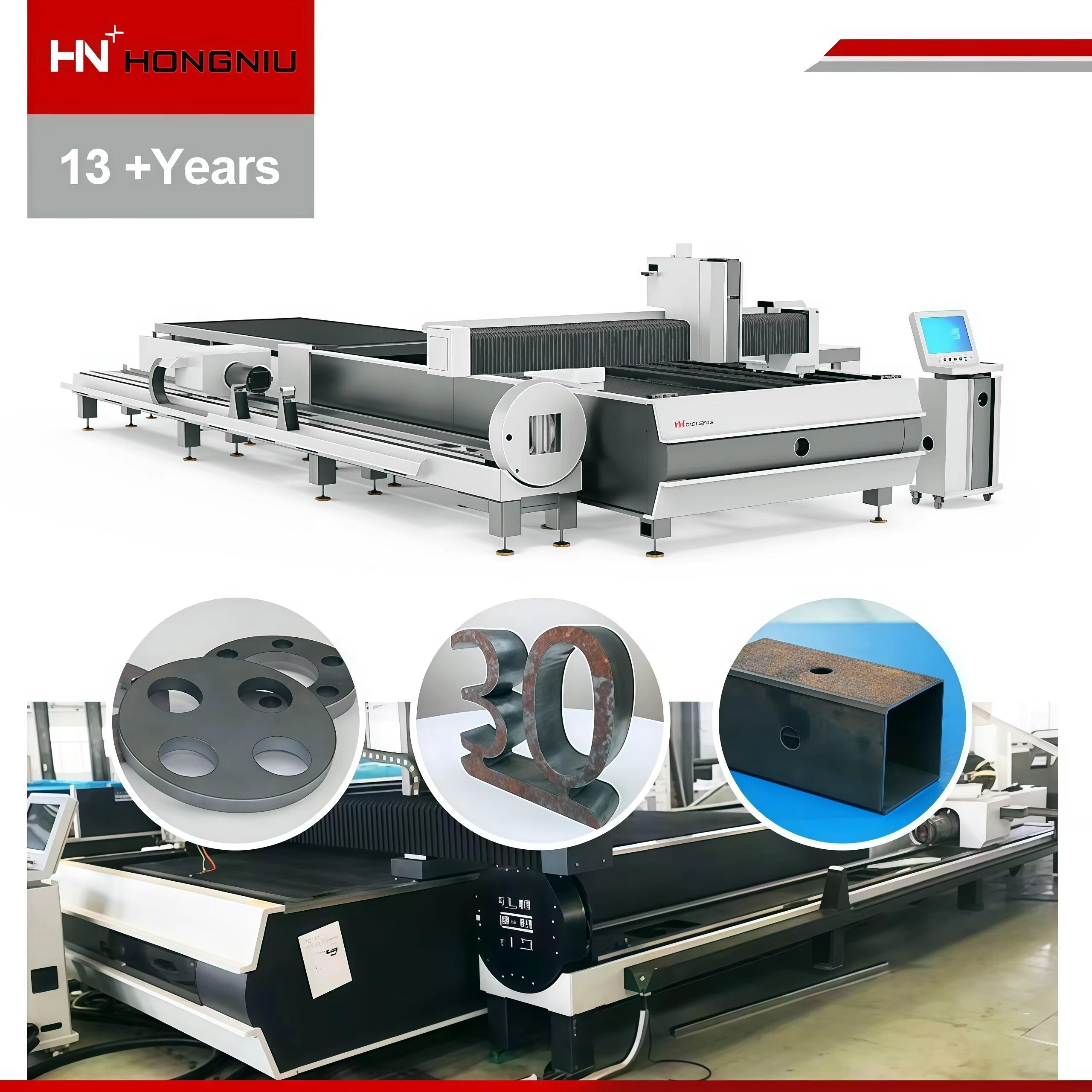
Heavy industry sectors have embraced laser metal cutting machine technology as a transformative solution for precision manufacturing and large-scale metal fabrication operations. These advanced systems deliver unparalleled accuracy, efficiency, and versatility when processing thick metal plates, structural components, and complex geometries required in industrial applications. The integration of laser metal cutting machine capabilities into heavy industry workflows has revolutionized traditional manufacturing approaches, enabling companies to achieve tighter tolerances while reducing production time and material waste.
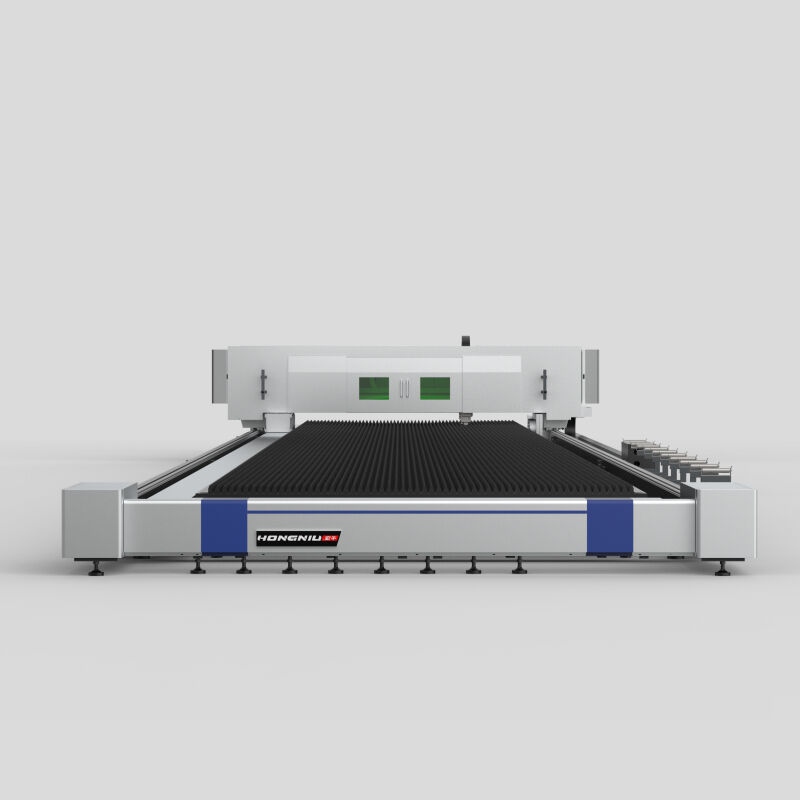
The heavy industry landscape encompasses sectors such as shipbuilding, construction equipment manufacturing, mining machinery production, and industrial infrastructure development, all of which demand robust metal cutting solutions capable of handling substantial material thicknesses and demanding production schedules. A laser metal cutting machine designed for heavy industry applications must deliver consistent performance across various metal types including carbon steel, stainless steel, aluminum alloys, and specialized industrial materials while maintaining exceptional edge quality and dimensional precision throughout extended operating cycles.
Shipbuilding and Marine Industry Applications
Hull Plate Processing and Structural Components
Shipbuilding operations rely heavily on laser metal cutting machine technology for processing large hull plates, bulkheads, and structural frameworks that form the backbone of marine vessels. These applications require cutting thick steel plates ranging from 10mm to 50mm or more, depending on vessel size and design specifications. The precision offered by laser metal cutting machine systems ensures that complex hull geometries are achieved with minimal material waste, critical for controlling costs in large-scale shipbuilding projects.
Modern shipyards utilize gantry-type laser metal cutting machine configurations to accommodate the substantial dimensions of marine components while maintaining cutting accuracy across the entire work envelope. The ability to process curved cuts, intricate penetrations for piping and electrical systems, and precise joint preparations significantly reduces secondary machining operations and accelerates vessel construction timelines.
Marine Equipment Manufacturing
Beyond hull construction, laser metal cutting machine applications extend to marine equipment manufacturing including propeller brackets, rudder assemblies, engine mounts, and deck hardware components. These specialized parts often feature complex three-dimensional profiles and require exceptional surface finish quality to ensure proper fit and performance in harsh marine environments. The thermal processing characteristics of laser cutting minimize heat-affected zones, preserving material properties essential for marine component durability.
The versatility of laser metal cutting machine systems enables shipbuilders to process various marine-grade materials including corrosion-resistant stainless steels, aluminum alloys, and specialized maritime construction materials within a single production setup, improving workflow efficiency and reducing equipment investment requirements.
Construction and Heavy Equipment Manufacturing
Earth Moving Equipment Components
Construction equipment manufacturers leverage laser metal cutting machine capabilities for producing critical components such as excavator buckets, bulldozer blades, loader arms, and structural chassis elements. These applications demand exceptional cutting quality through thick, high-strength steels that must withstand extreme operational stresses and abrasive environments. The precision achievable with laser metal cutting machine technology ensures proper fit and alignment of components during assembly, reducing the need for extensive post-cutting machining operations.
Heavy equipment manufacturing requires processing materials with varying thickness profiles within single components, a capability where laser metal cutting machine systems excel through their precise power control and adaptive cutting parameters. This flexibility enables manufacturers to optimize material utilization while maintaining the structural integrity required for heavy-duty construction applications.
Crane and Lifting Equipment Production
Industrial crane manufacturing represents another significant application area for laser metal cutting machine technology, particularly in producing boom sections, counterweight assemblies, and structural support frameworks. These components require exceptional dimensional accuracy to ensure proper load distribution and operational safety. The clean, precise cuts achieved by laser metal cutting machine systems eliminate the need for extensive edge preparation, reducing manufacturing time and improving final product quality.
The ability to process thick structural steels while maintaining tight tolerances makes laser metal cutting machine technology indispensable for crane manufacturers who must balance component strength requirements with precise engineering specifications throughout the manufacturing process.
Mining and Extractive Industry Applications
Mining Equipment Manufacturing
Mining equipment production requires laser metal cutting machine capabilities for manufacturing crusher components, conveyor system elements, heavy-duty truck bodies, and excavation machinery parts. These applications involve processing extremely thick, wear-resistant materials designed to withstand the harsh conditions encountered in mining operations. The superior edge quality achieved through laser metal cutting machine technology reduces the need for secondary finishing operations, accelerating production schedules and improving cost effectiveness.
Mining equipment manufacturers particularly value the ability of laser metal cutting machine systems to process hardened steels and specialized alloys while maintaining consistent cutting quality across extended production runs. This reliability is crucial for maintaining equipment availability in remote mining locations where component failure can result in significant operational disruptions.
Processing Plant Equipment Components
Mineral processing facilities require specialized equipment components including crusher housings, screen assemblies, separator components, and material handling systems, all of which benefit from laser metal cutting machine precision and quality. These components often feature complex internal geometries and require precise fitment to ensure optimal processing efficiency and minimize maintenance requirements.
The thermal characteristics of laser metal cutting machine processing preserve the metallurgical properties of specialized mining industry alloys, ensuring that components maintain their intended wear resistance and structural integrity throughout demanding processing plant operations.
Industrial Infrastructure and Energy Sector Applications
Power Generation Equipment Manufacturing
Power generation facilities rely on laser metal cutting machine technology for manufacturing turbine housings, generator frames, cooling system components, and structural support elements. These applications require exceptional precision and surface quality to ensure proper fit and performance under extreme operating conditions. The ability of laser metal cutting machine systems to process thick materials while maintaining tight tolerances makes them essential for power generation equipment manufacturing.
Energy sector applications particularly benefit from the minimal heat-affected zone characteristics of laser metal cutting machine processing, which preserves the critical material properties required for components operating under high temperatures and pressures. This capability is especially important for nuclear, thermal, and renewable energy equipment manufacturing where component integrity is paramount for operational safety and efficiency.
Oil and Gas Industry Equipment
Oil and gas industry equipment manufacturing utilizes laser metal cutting machine technology for producing pipeline components, drilling equipment parts, refinery system elements, and offshore platform structures. These applications often involve processing corrosion-resistant materials and specialized alloys designed to withstand harsh petrochemical environments while maintaining structural integrity under extreme pressures.
The precision and quality achievable with laser metal cutting machine systems are critical for oil and gas applications where component failure can result in environmental damage and significant safety risks. The ability to achieve precise joint preparations and complex geometries directly impacts the reliability and longevity of critical energy infrastructure components.
Advantages and Implementation Considerations
Operational Efficiency and Cost Benefits
Heavy industry adoption of laser metal cutting machine technology delivers substantial operational efficiency improvements through reduced setup times, faster cutting speeds, and elimination of tool wear issues associated with conventional cutting methods. These systems enable continuous operation with minimal intervention, critical for meeting the high-volume production requirements common in heavy industry applications.
The precision achievable with laser metal cutting machine systems significantly reduces material waste, an important cost consideration when processing expensive specialty alloys and thick materials common in heavy industry applications. Additionally, the superior edge quality eliminates or reduces secondary machining operations, further improving overall production efficiency and cost effectiveness.
Quality and Precision Requirements
Heavy industry applications demand consistent quality and dimensional accuracy that laser metal cutting machine technology reliably delivers across varying material types and thicknesses. The non-contact nature of laser processing eliminates mechanical stresses that can cause workpiece distortion, ensuring that large, complex components maintain their intended geometry throughout the cutting process.
The advanced process control capabilities integrated into modern laser metal cutting machine systems enable real-time monitoring and adjustment of cutting parameters, ensuring consistent quality even when processing materials with varying composition or thickness profiles within single components.
FAQ
What material thickness ranges can laser metal cutting machines handle in heavy industry applications?
Modern laser metal cutting machine systems designed for heavy industry can process carbon steel up to 40-50mm thickness, stainless steel up to 30-40mm, and aluminum up to 25-30mm, depending on laser power and specific material properties. Higher power systems can achieve even greater thickness capabilities while maintaining acceptable cutting quality and speed.
How do laser metal cutting machines compare to plasma cutting for heavy industry applications?
Laser metal cutting machine technology offers superior precision, better edge quality, and minimal heat-affected zones compared to plasma cutting, making it ideal for applications requiring tight tolerances and minimal post-processing. While plasma cutting may be more cost-effective for very thick materials, laser systems provide better overall quality and efficiency for most heavy industry applications.
What factors should heavy industry manufacturers consider when selecting a laser metal cutting machine?
Key selection criteria include maximum material thickness requirements, work envelope size, laser power specifications, cutting speed requirements, and material type compatibility. Heavy industry applications typically require gantry-type configurations for large workpieces, higher laser power for thick materials, and robust construction for continuous operation in demanding production environments.
Can laser metal cutting machines process hardened or specialized alloys used in heavy industry?
Yes, laser metal cutting machine systems can effectively process many hardened steels and specialized alloys commonly used in heavy industry, including wear-resistant materials, high-strength structural steels, and corrosion-resistant alloys. The key is proper parameter optimization and adequate laser power to maintain cutting quality and reasonable processing speeds through these demanding materials.
Table of Contents
- Shipbuilding and Marine Industry Applications
- Construction and Heavy Equipment Manufacturing
- Mining and Extractive Industry Applications
- Industrial Infrastructure and Energy Sector Applications
- Advantages and Implementation Considerations
-
FAQ
- What material thickness ranges can laser metal cutting machines handle in heavy industry applications?
- How do laser metal cutting machines compare to plasma cutting for heavy industry applications?
- What factors should heavy industry manufacturers consider when selecting a laser metal cutting machine?
- Can laser metal cutting machines process hardened or specialized alloys used in heavy industry?