 EN
EN

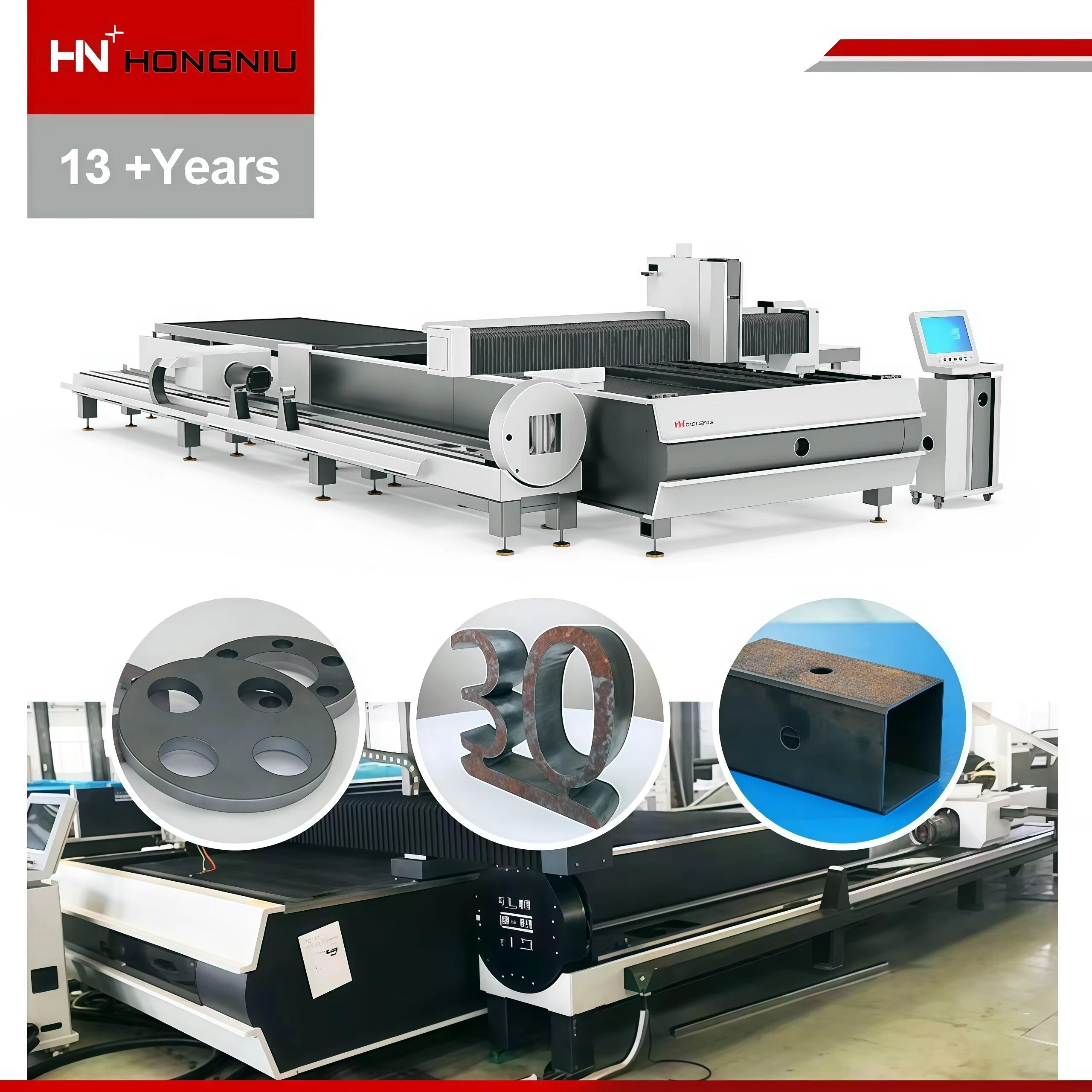
Ефективність виробництва безпосередньо впливає на рентабельність та конкурентні переваги в сучасному швидкоплинному промисловому середовищі. Традиційні методи різання металу часто не відповідають вимогам щодо точності, призводять до втрат матеріалу та обмежені за швидкістю виробництва — чого вимагають сучасні підприємства. Впровадження передових технологій різання кардинально змінило підхід виробників до металообробки, особливо коли критичними факторами є точність і швидкість.
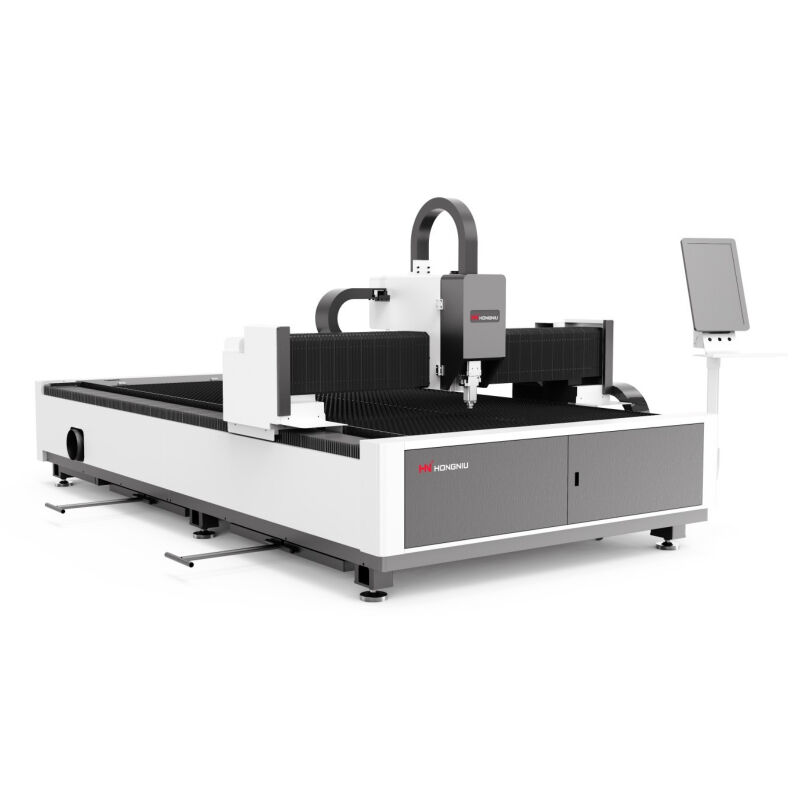
А лазерна машина для розрізу металу фундаментально перетворює ефективність різання завдяки унікальному поєднанню точності, швидкості та можливостей автоматизації. На відміну від традиційних методів різання, які ґрунтуються на фізичному контакті та механічній силі, лазерне різання використовує сфокусовану світлову енергію для отримання чистих і точних розрізів із мінімальними втратами матеріалу. Цей технологічний прорив вирішує ключові проблеми ефективності, з якими стикаються виробники, забезпечуючи при цьому стабільну якість обробки різних типів металів і їх товщин.
Точне інженерне забезпечення ефективності лазерного різання
Концентроване застосування енергії
Фундаментальною причиною, через яку лазерний верстат для різання металу підвищує ефективність, є його система подачі концентрованої енергії. Лазерний промінь фокусує інтенсивну енергію в надзвичайно малу точку, зазвичай діаметром від 0,1 до 0,3 мм. Ця концентрована енергія створює температуру понад 10 000 °C у точці різання, миттєво випаровуючи або розплавляючи металевий матеріал.
Таке точне застосування енергії усуває необхідність у кількох проходах або вторинних операціях остаточної обробки, які часто потрібні при традиційних методах різання. Лазерний верстат для різання металу забезпечує бажану якість різу за одну операцію, значно скорочуючи час обробки та трудові витрати. Крім того, концентрований промінь забезпечує мінімальну зону термічного впливу, що зберігає структурну цілісність навколишнього матеріалу.
Комп’ютеризована точність сучасних лазерних систем забезпечує, що кожне різання зберігає стабільну якість незалежно від рівня кваліфікації оператора. Ця стабільність усуває варіативність, пов’язану з ручними методами різання, зменшуючи необхідність переділки виробів та втрати матеріалу, які зазвичай виникають при менш точних методах.
Автоматична оптимізація траєкторії руху
Сучасні системи лазерних металорізальних верстатів включають складне програмне забезпечення, яке автоматично оптимізує траєкторії різання для досягнення максимальної ефективності. Система аналізує весь обсяг робіт з різання й визначає найефективнішу послідовність різів, мінімізуючи час переміщення між точками різання та скорочуючи загальний цикл обробки.
Ця автоматизована оптимізація враховує такі фактори, як товщина матеріалу, складність різання та тепловий контроль, щоб створити найефективнішу стратегію різання. Програмне забезпечення також може ефективно розміщувати кілька деталей на одному аркуші, максимізуючи використання матеріалу й зменшуючи відходи. Ця інтелектуальна здатність до планування значно підвищує загальну ефективність виробництва порівняно з ручними методами планування.
Автоматизація поширюється також на вибір точок пробивання, стратегії входу та виходу, а також коригування швидкості залежно від геометрії різання. Ці автоматичні рішення приймаються в реальному часі, забезпечуючи оптимальну продуктивність протягом усього процесу різання без необхідності ручного втручання чи коригування.
Переваги швидкості у металообробці
Висока швидкість різання
Лазерний верстат для різання металу забезпечує швидкість різання, яка значно перевищує традиційні методи, особливо під час обробки матеріалів малої та середньої товщини. Сучасні волоконно-оптичні лазерні системи можуть різати тонку сталь зі швидкістю понад 1000 дюймів на хвилину, одночасно зберігаючи високу точність кромок, що усуває необхідність вторинної обробки.
Перевага у швидкості стає ще більш вираженою під час різання складних форм або візерунків, для яких за традиційними методами потрібна була б кілька змін інструментів. Лазерний промінь миттєво змінює напрямок та параметри різання без будь-яких механічних налаштувань, що дозволяє різати складні геометричні форми з постійно високою швидкістю протягом усього процесу.
Ці високі швидкості різання безпосередньо призводять до збільшення продуктивності й зниження витрат на робочу силу на одну деталь. Виробники можуть обробляти значно більше деталей за той самий проміжок часу, що покращує загальне використання потужностей підприємства й дозволяє дотримуватися жорстких термінів поставки, які важко забезпечити повільними методами різання.
Мінімальний час налаштування та перепрофілювання
Традиційні методи різання часто вимагають тривалого часу на підготовку: заміну інструментів, налаштування пристосувань та оптимізацію параметрів під час переходу між різними деталями або матеріалами. Лазерний верстат для різання металу усуває більшість таких вимог щодо підготовки завдяки гнучкій роботі, керованій програмним забезпеченням.
Перехід від одного конструктивного виконання деталі до іншого, як правило, вимагає лише завантаження іншої програми різання — фізична заміна інструментів або механічні налаштування не потрібні. Така гнучкість дозволяє виробникам ефективно виконувати виробництво малих партій та індивідуальні замовлення без втрат ефективності, пов’язаних із частими переналаштуваннями.
Зменшений час наладки дозволяє виробникам швидко реагувати на зміни у виробничих вимогах та потребах клієнтів. Така гнучкість забезпечує значну конкурентну перевагу на ринках, де швидкість поставки та адаптивність є ключовими факторами задоволення клієнтів.
Зменшення відходів матеріалу та оптимізація ресурсів
Переваги надзвичайно вузької ширина різу
Надзвичайно вузька ширина різу, яку забезпечує лазерна машина для розрізу металу є одним із найважливіших покращень ефективності. Ширина різу, створена лазерним променем, зазвичай становить лише 0,1–0,2 мм порівняно з 1–3 мм при плазмовому різанні або ще більшу ширину при механічних методах різання.
Цей вузький різ безпосередньо призводить до економії матеріалу, оскільки під час самого процесу різання витрачається менше матеріалу. Для матеріалів високої вартості або масового виробництва така економія матеріалу з часом може означати суттєве зниження витрат. Вузький різ також дозволяє щільніше розміщувати деталі на листі, максимізуючи кількість компонентів, які можна вирізати з кожного листа матеріалу.
Точність вузького різу усуває необхідність додаткових технологічних припусків, які зазвичай потрібні при менш точних методах різання. Деталі можна вирізати ближче до остаточних розмірів, що зменшує обсяг подальшої обробки та покращує загальну ефективність використання матеріалу.
Якість кромки та відсутність необхідності додаткової обробки
Правильно налаштований лазерний верстат для різання металу створює зрізи, які відповідають або перевищують вимоги щодо якості для більшості застосувань без будь-яких додаткових операцій оздоблення. Процес лазерного різання забезпечує гладкі, перпендикулярні кромки з мінімальним утворенням заусіниць, що усуває необхідність шліфування, напилування або інших операцій оздоблення.
Усунення додаткових операцій значно підвищує загальну ефективність за рахунок скорочення кількості технологічних операцій, необхідних для виготовлення деталі. Економія часу та трудових ресурсів завдяки відсутності операцій оздоблення часто становить значну частину загального покращення ефективності, досягнутого за допомогою технології лазерного різання.
Стабільна якість кромок також зменшує вимоги до контролю якості та частоту браку, оскільки деталі рідше потребують доробки або списання через погану якість кромок. Ця надійність поліпшує загальний потік виробництва й знижує витрати, пов’язані з проблемами якості.
Операційна гнучкість та адаптивність виробництва
Здатність обробляти кілька матеріалів
Сучасні системи лазерного різання металів можуть ефективно обробляти широкий спектр матеріалів без необхідності використовувати різні інструменти для різання або вносити значні зміни в обладнання. Від вуглецевої та нержавіючої сталі до алюмінію, латуні та спеціальних сплавів — одна й та сама лазерна система здатна задовольняти різноманітні вимоги до матеріалів лише за рахунок простих коригувань параметрів.
Ця багатоматеріальна здатність усуває потребу в кількох спеціалізованих системах різання, що зменшує інвестиції в обладнання та вимоги до площі виробничих приміщень. Виробники можуть задовольняти різноманітні вимоги клієнтів та специфікації матеріалів, використовуючи єдину платформу лазерного різання, що підвищує загальну ефективність та гнучкість виробничих потужностей.
Можливість швидко перемикатися між різними матеріалами та їх товщинами без заміни інструментів або тривалих підготовчих процедур дозволяє виробникам оптимізувати графіки виробництва та мінімізувати вимоги до запасів. Ця гнучкість забезпечує суттєві експлуатаційні переваги в динамічних виробничих середовищах.
Складна геометрична обробка
Програмне керування роботою лазерного верстата для різання металу дозволяє ефективно обробляти надзвичайно складні геометричні форми, які були б надзвичайно трудомісткими або навіть неможливими за допомогою традиційних методів різання. Складні візерунки, дрібні елементи та точні отвори можна вирізати за одну операцію без спеціального інструменту чи кількох налаштувань.
Ця геометрична гнучкість усуває необхідність у вторинних операціях, таких як свердлення, пробивання або механічна обробка, які зазвичай потрібні для створення складних елементів. Лазер здатний створювати ці елементи в рамках основної операції різання, що значно скорочує загальний час обробки й підвищує точність деталей.
Висока точність і повторюваність лазерного різання також дозволяють виготовлювати деталі з жорсткими допусками та складними зборками, які ідеально підходять одна до одної без потреби в ретельній ручній підгонці. Ця здатність є особливо цінною в галузях, де вимагаються висока точність і постійна якість деталей.
Інтеграція з сучасними виробничими системами
Автоматизація та сумісність з Промисловістю 4.0
Сучасні системи лазерного різання металів інтегруються безперебійно з автоматизованими системами обробки матеріалів, що зменшує потребу в ручній праці та покращує загальний виробничий процес. Автоматизовані системи завантаження й розвантаження можуть працювати безперервно, максимізуючи ефективність використання обладнання та знижуючи витрати на робочу силу.
Цифровий характер технології лазерного різання робить її висококомпатибельною з ініціативами «Промисловість 4.0» та концепціями розумного виробництва. Функції реального часу моніторингу, передбачувального технічного обслуговування та збору даних дозволяють виробникам постійно оптимізувати ефективність та виявляти можливості для покращення.
Інтеграція з системами планування ресурсів підприємства дозволяє безперебійне планування виробництва та управління запасами, що ще більше підвищує загальну ефективність роботи. Цифрова робоча процедура усуває багато вимог до ручного введення даних і зменшує ймовірність помилок у плануванні виробництва.
Контроль якості та послідовність
Комп'ютерне керування роботою лазерного верстата для різання металу забезпечує стабільну якість виробництва незалежно від рівня кваліфікації або досвіду оператора. Така стабільність зменшує потребу в контролі якості та мінімізує ризик виготовлення бракованих деталей, які потребують доопрацювання або списання.
Сучасні лазерні системи мають можливість моніторингу в реальному часі, що дозволяє виявляти й компенсувати відхилення у властивостях матеріалу чи умовах навколишнього середовища. Таке адаптивне керування підтримує постійну якість різання протягом тривалих виробничих циклів, забезпечуючи надійну роботу й стабільні результати.
Документований і відтворюваний характер параметрів лазерного різання дозволяє виробникам вести детальні записи про якість та встановлювати зв’язок будь-яких проблем із конкретними умовами процесу. Ця здатність до відстеження є цінною для систем управління якістю та ініціатив безперервного покращення.
Часті запитання
Наскільки швидше працює лазерний верстат для різання металу порівняно з традиційними методами різання?
Лазерний верстат для різання металу може бути в 3–10 разів швидшим за традиційні методи залежно від товщини матеріалу та складності різання. Для тонких матеріалів лазерне різання може досягати швидкостей понад 1000 дюймів на хвилину, тоді як плазмове різання зазвичай працює зі швидкістю 100–300 дюймів на хвилину. Перевага у швидкості ще більша, якщо врахувати відсутність вторинних операцій, таких як шліфування або оздоблення, які часто потрібні при традиційних методах.
Які типи металів найбільше виграють від підвищення ефективності лазерного різання?
Найбільш значні покращення ефективності при лазерному різанні металів спостерігаються для нержавіючої сталі, вуглецевої сталі та алюмінію. Ці матеріали ріжуться чисто, з мінімальною зоною термічного впливу та відмінною якістю кромок. Тонкі листи завтовшки до 25 мм, як правило, демонструють найбільші переваги у швидкості та ефективності, хоча й більш товсті матеріали також виграють за рахунок підвищеної точності та зменшення потреби у вторинній обробці.
Як лазерне різання знижує загальні витрати на виробництво, крім просто швидкості різання?
Лазерний верстат для різання металу знижує витрати за рахунок економії матеріалів завдяки вузькій ширині різу, усунення додаткових операцій оздоблення, скорочення часу на підготовку та переналагодження, зниження рівня браку та зменшення потреби в робочій силі. Висока точність різання також забезпечує жорсткіші допуски на деталі, що зменшує необхідність додаткових механічних обробок. Ці спільно діючі чинники часто призводять до зниження загальних витрат на виробництво на 20–40 % порівняно з традиційними методами різання.
Чи можуть малі виробники виправдати інвестиції в технологію лазерного різання задля підвищення ефективності?
Малі виробники часто можуть виправдати інвестиції в лазерні верстати для різання металу за рахунок підвищення ефективності, особливо при обробці різноманітних матеріалів та складних деталей. Гнучкість у виконанні різних завдань без заміни інструменту, скорочення часу підготовки для малих партій та усунення додаткових операцій значно підвищують рентабельність. Багато невеликих підприємств виявляють, що збільшення потужності та стабільності якості дозволяє їм виконувати більш рентабельні замовлення, які раніше було неможливо реалізувати за допомогою традиційних методів різання.
Table of Contents
- Точне інженерне забезпечення ефективності лазерного різання
- Переваги швидкості у металообробці
- Зменшення відходів матеріалу та оптимізація ресурсів
- Операційна гнучкість та адаптивність виробництва
- Інтеграція з сучасними виробничими системами
-
Часті запитання
- Наскільки швидше працює лазерний верстат для різання металу порівняно з традиційними методами різання?
- Які типи металів найбільше виграють від підвищення ефективності лазерного різання?
- Як лазерне різання знижує загальні витрати на виробництво, крім просто швидкості різання?
- Чи можуть малі виробники виправдати інвестиції в технологію лазерного різання задля підвищення ефективності?
