Sheet Metal Laser Cutter for Sale: Precision Cutting, Faster Output, and Lower Production Cost

Get A Quote
Get A Quote

sheet metal laser cutter for sale

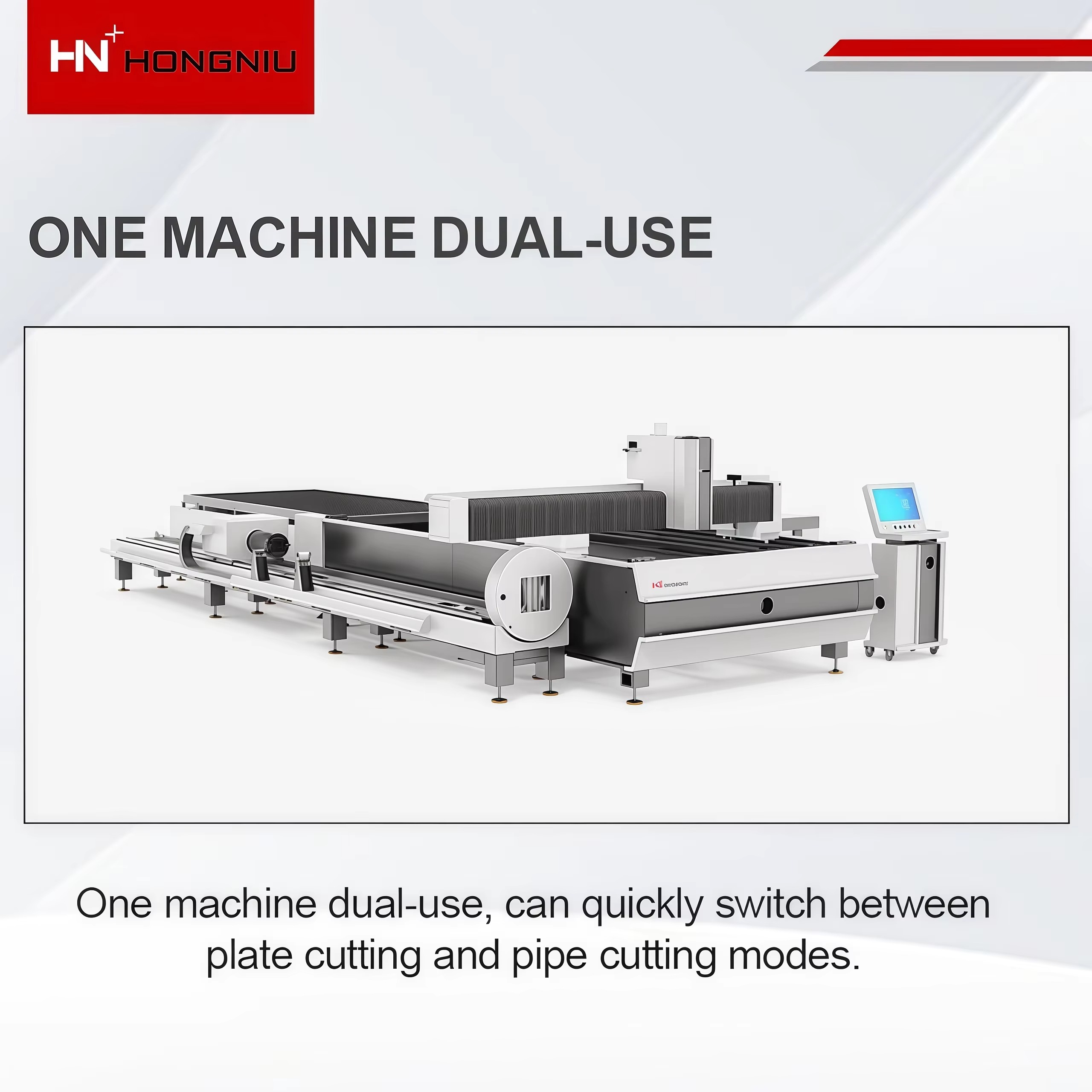
A sheet metal laser cutter for sale is a production tool built to cut steel, stainless steel, aluminum, galvanized sheet, and other metal plates with speed and clean edge quality. It uses a focused laser beam to heat a tiny point on the surface, then removes material along a programmed path to create exact shapes, slots, holes, and complex contours. In daily work, this means you can move from a CAD drawing to finished parts with fewer manual steps and less chance of human error. Most modern systems support automatic nesting, so the software places part layouts in a way that saves material. The machine then follows the plan with stable motion control and real time power adjustment. A typical unit includes a rigid frame, high response servo motors, linear guides, a precision cutting head, and an integrated control interface that is simple to learn. Many models also include autofocus, edge finding, and nozzle cleaning routines that reduce setup time before each job. This equipment fits both custom fabrication shops and larger factories that run repeat batches. A sheet metal laser cutter for sale can produce cabinet panels, machine covers, brackets, elevator parts, electrical enclosures, sign components, kitchen equipment, and decorative metal products with consistent dimensions. Because the process is non contact, there is less tool wear than punch based methods, and because heat input is controlled, you can maintain good part quality on thin and medium thickness materials. For buyers who need dependable output, traceable quality, and predictable operating flow, this type of machine provides a practical path to faster delivery and better control over production planning.
The biggest advantage of a sheet metal laser cutter for sale is practical productivity. It turns drawing files into physical parts quickly, so teams spend less time on hand marking, manual trimming, and secondary corrections. Fast setup and repeatable operation help you schedule work with more confidence, especially when order volume changes week to week. Instead of switching many tools for different part shapes, one laser system handles a wide range of geometries in one platform. That flexibility helps small and mid size shops accept more job types without major process changes. A sheet metal laser cutter for sale also helps reduce scrap costs. Smart nesting software places parts tightly on each sheet, and precise beam control follows cut lines accurately, so material usage improves over time. Better yield from each plate directly supports profit margins. In addition, clean cuts often require less grinding and deburring, which lowers labor hours after cutting. Workers can move parts sooner to bending, welding, coating, or assembly, shortening the full production cycle. Another clear benefit is quality consistency. Once parameters are tuned for a material and thickness, the machine repeats results across shifts with minimal variation. That stability supports better fit up during assembly and fewer rejected parts. It also helps businesses meet customer expectations for dimension tolerance and edge finish. Operation is straightforward in modern systems. The interface uses visual job queues, parameter libraries, and alarm prompts, so technicians can run daily tasks with less confusion. Training time drops, and production does not depend on one highly specialized operator. A sheet metal laser cutter for sale can also improve workplace safety. The cutting area is enclosed, fume extraction systems remove smoke, and automated loading options reduce direct handling of sharp sheets. On the cost side, energy use per part can be competitive because the process is efficient and fast, especially when batching similar jobs. Maintenance planning is clearer too, with sensor based monitoring that tracks consumables and head condition. For companies focused on reliable output, lower rework, and quicker order turnaround, these are direct business gains, not abstract technical claims.

Tips And Tricks

How Fiber Laser Cutting Machines Reduce Production Costs?

12

May

How Fiber Laser Cutting Machines Reduce Production Costs?

In the competitive landscape of industrial manufacturing, cost optimization is the bridge between a struggling workshop and a market-leading enterprise. For B2B firms specializing in metal fabrication, the equipment on the factory floor dictates the...
View More
How to Maintain a Laser Cut Machine for Long-Term Performance?

12

May

How to Maintain a Laser Cut Machine for Long-Term Performance?

Proper maintenance is the cornerstone of maximizing your laser cut machine's operational lifespan and ensuring consistent, high-quality cutting performance across thousands of hours of operation. Industrial manufacturers who implement systematic main...
View More
Why a Laser Metal Cutting Machine Improves Cutting Efficiency?

12

May

Why a Laser Metal Cutting Machine Improves Cutting Efficiency?

Manufacturing efficiency directly impacts profitability and competitive advantage in today's fast-paced industrial environment. Traditional metal cutting methods often struggle with precision requirements, material waste, and production speed limitat...
View More
How a Laser Welder Machine Improves Welding Precision

08

May

How a Laser Welder Machine Improves Welding Precision

Welding precision has become a critical differentiator in modern manufacturing, where tolerances are measured in microns and defect rates must approach zero. Traditional welding methods, while effective for many applications, often struggle to delive...
View More

Get a Free Quote

Our representative will contact you soon.
0/1000
High Precision Motion and Stable Cut Quality for Daily Production

High Precision Motion and Stable Cut Quality for Daily Production

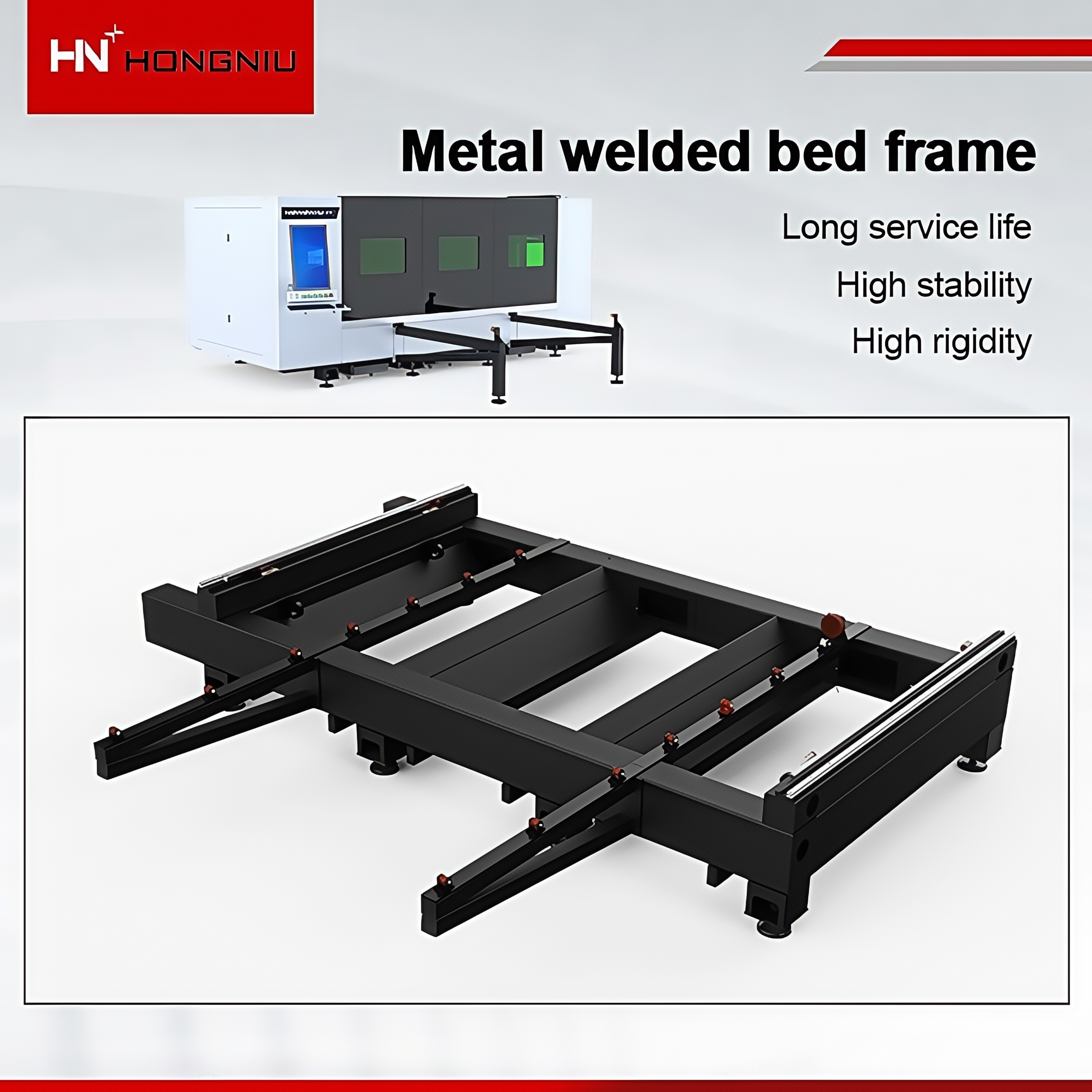
One standout value point of a sheet metal laser cutter for sale is its ability to hold precision in real factory conditions, not just in a demo room. The machine combines a rigid base, accurate guide rails, and servo driven motion that follows programmed paths smoothly at both low and high speed. This matters because many workshops process mixed jobs in one shift: small brackets in the morning, larger panels in the afternoon, and urgent prototype edits before closing time. Stable motion keeps hole size, corner sharpness, and edge straightness under control across all these tasks. The result is simple and valuable: parts fit the first time, and teams spend less time fixing dimensional mismatch. The cutting head plays a major role. Autofocus adjusts to material thickness changes without constant manual intervention. Height sensing keeps the nozzle at a safe and effective distance from the sheet, reducing collision risk and improving edge consistency. Controlled gas flow supports cleaner kerf quality, especially on stainless steel and carbon steel runs where appearance and fit are important. Operators can store proven process settings in a library, then call them quickly for repeat orders. This reduces trial cuts, protects material, and makes output more predictable across different operators. A sheet metal laser cutter for sale with strong precision control also supports business growth. When customers ask for tighter tolerances or more detailed contours, the shop can accept that work with confidence. Consistent quality builds trust, and trust leads to repeat business. Over months, the machine helps lower hidden costs that often drain profit, such as rework labor, missed delivery windows, and customer complaints tied to part accuracy. In short, precision here is not only a technical metric. It is a daily operating advantage that improves throughput, protects brand reputation, and supports stronger margins.
High Throughput Workflow with Practical Automation

High Throughput Workflow with Practical Automation

A second key selling point is workflow speed. A sheet metal laser cutter for sale can dramatically reduce non cutting time, which is often where real production delays happen. The machine controller organizes jobs in a clear sequence, and nesting software prepares sheet layouts that maximize part count while minimizing leftover scrap zones. Once jobs are loaded, rapid positioning and smooth path transitions keep the beam active for more of the cycle. That means more finished parts per shift without extending working hours. For many businesses, this directly improves delivery performance and customer satisfaction. Automation features add more value. Automatic edge detection checks actual sheet position and corrects the cutting path before production starts. This avoids alignment mistakes that can ruin a full sheet. Common line cutting and micro joint options reduce travel distance and support easier part handling after cut completion. Many systems can connect to loading and unloading modules, which lowers manual handling effort and reduces bottlenecks around the table. Even in shops that start with manual loading, the platform can often be upgraded later, protecting the initial investment. A sheet metal laser cutter for sale also strengthens planning control. Managers can estimate completion time more accurately, then coordinate bending, welding, and assembly with fewer gaps. Because the machine repeats known programs reliably, urgent insert orders can be scheduled with less disruption to existing work. This is useful for contract manufacturers that serve multiple clients with changing demand. Another practical benefit is reduced overtime pressure. Faster, more predictable output helps teams finish priority orders within normal shifts, improving labor stability and reducing stress on staff. Over time, this supports better retention and fewer quality issues caused by fatigue. The core message is straightforward: automation in this machine is not about complexity for its own sake. It is about keeping the production line moving, reducing idle minutes, and helping the business deliver on time with confidence.
Lower Operating Cost and Easier Long Term Ownership

Lower Operating Cost and Easier Long Term Ownership

The third highlight is long term economy. A sheet metal laser cutter for sale is not only a cutting device, it is a cost control tool when selected and managed correctly. Material savings come first. Better nesting and accurate path following reduce avoidable waste on every sheet. Over hundreds or thousands of jobs, those small improvements become substantial. Cleaner edges can also reduce or remove secondary finishing steps, lowering labor consumption and shortening lead times. Together, these effects improve total cost per part in a measurable way. Maintenance and reliability also matter for ownership value. Modern machines include status monitoring for optics, nozzles, gas pressure, and drive components. Early alerts help teams perform service before failures stop production. Planned maintenance is cheaper than emergency downtime, and it protects delivery commitments. Spare part replacement is usually straightforward because many systems use modular assemblies that technicians can service quickly. This improves uptime and reduces uncertainty in monthly output targets. A sheet metal laser cutter for sale can support energy efficiency goals as well. Stable beam performance and optimized cutting parameters avoid unnecessary power use, especially in repeat batch production. Shops that track utility spending often see clearer control over electricity cost per order. From a staffing perspective, user friendly software lowers the learning curve, so companies can train new operators faster and build shift coverage without relying on a single expert. This reduces risk when demand rises or staff schedules change. Financially, the combined effect of material savings, labor reduction, better uptime, and higher on time delivery can improve return on investment faster than expected. For buyers comparing options, this feature set offers practical reassurance: the machine is built not only to cut metal today, but to sustain efficient, dependable performance across years of real production pressure.