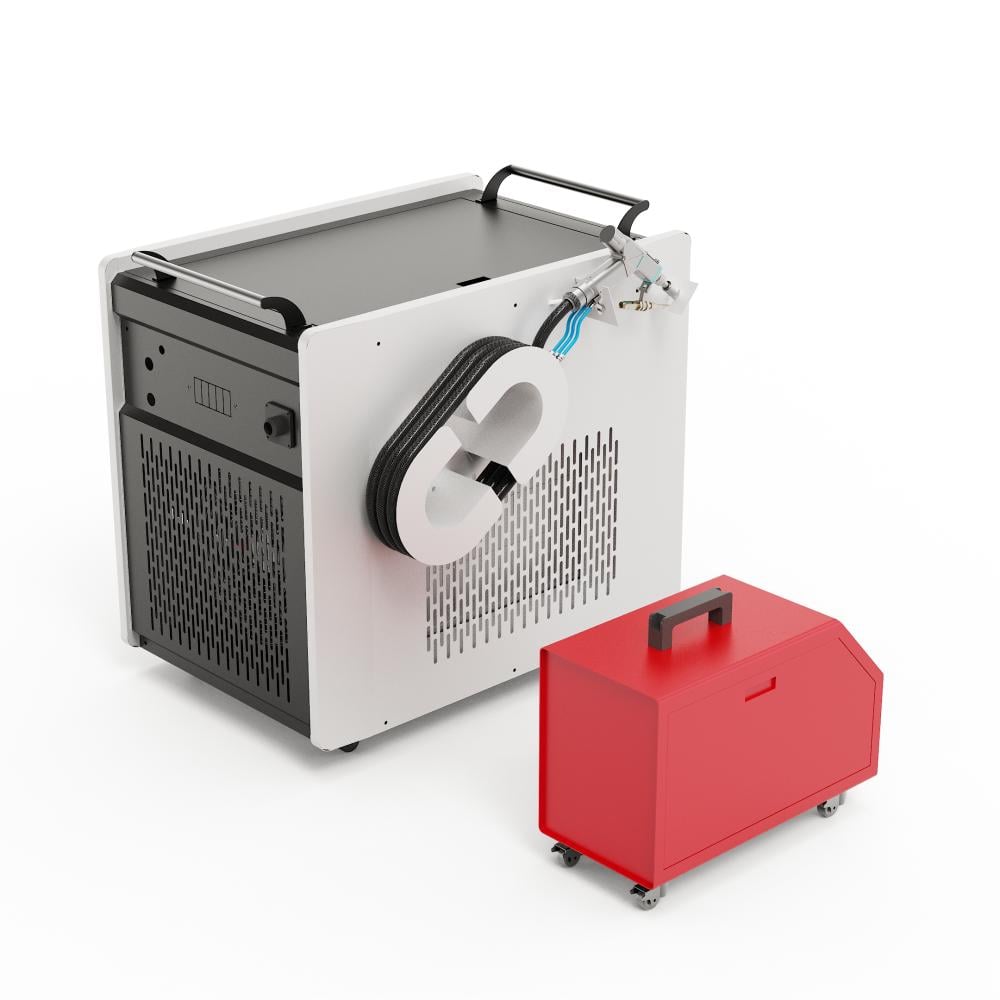
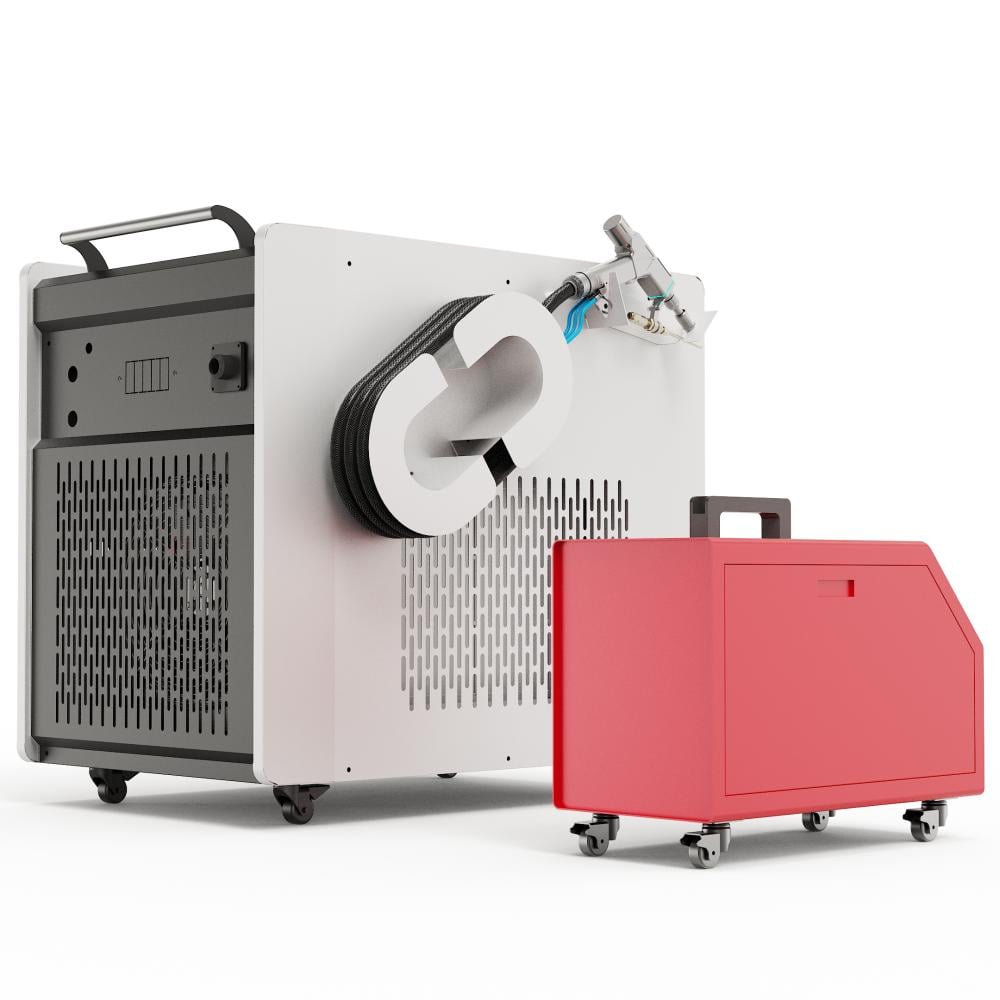
quality laser cutting machine
A quality laser cutting machine represents a sophisticated manufacturing solution that transforms raw materials into precisely cut components through the power of focused laser technology. This advanced equipment utilizes a high-powered laser beam to melt, burn, or vaporize material along predetermined cutting paths, delivering exceptional accuracy and clean edges that traditional cutting methods struggle to achieve. Modern quality laser cutting machines incorporate state-of-the-art optical systems, computer numerical control interfaces, and intelligent automation features that work together to produce consistent results across thousands of production cycles. The core functionality revolves around generating a concentrated laser beam through stimulated emission of photons, which then passes through a series of mirrors and lenses before focusing on the material surface with incredible precision. These machines excel at processing various materials including stainless steel, aluminum, copper, brass, carbon steel, titanium, acrylic, wood, and specialized plastics. The technological architecture includes a laser generation system, beam delivery mechanism, cutting head assembly, motion control platform, and sophisticated software that translates digital designs into physical cuts. Industries ranging from automotive manufacturing and aerospace engineering to architectural fabrication and electronics production rely on these machines for their daily operations. The application spectrum encompasses everything from intricate jewelry designs and delicate medical instruments to heavy-duty industrial components and large-scale construction elements. A quality laser cutting machine offers remarkable versatility through adjustable power settings, variable cutting speeds, and programmable parameters that accommodate different material thicknesses and composition requirements. The non-contact nature of laser cutting eliminates tool wear concerns while minimizing material distortion and heat-affected zones. This technology enables manufacturers to achieve complex geometries, tight tolerances, and intricate patterns that would be impossible or economically unfeasible with conventional cutting methods.