 EN
EN

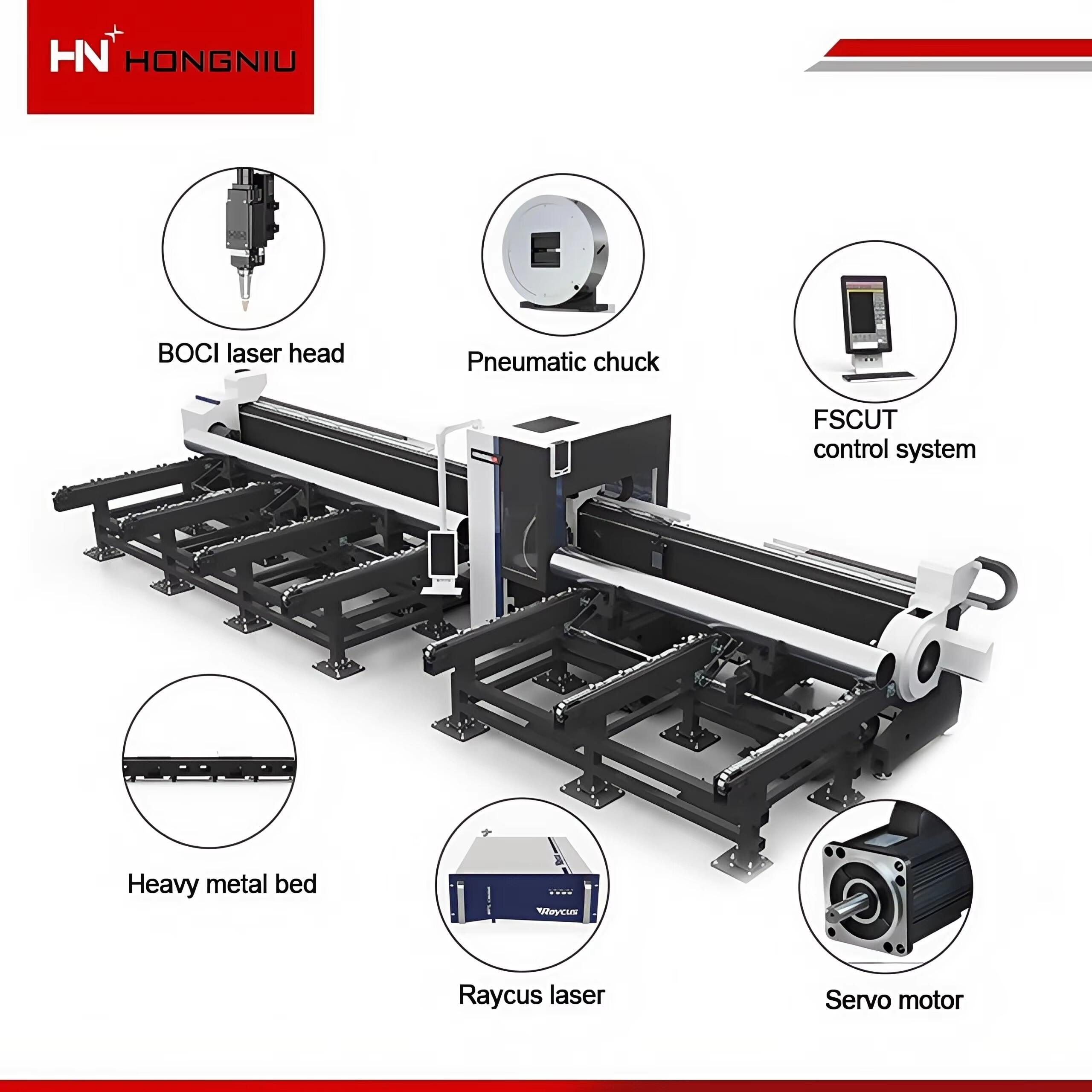
In the highly competitive world of industrial manufacturing, the ability to transform raw metal into high-precision components is the cornerstone of success. As global industries move toward more complex designs and shorter production cycles, Laser Cutting Machines have transitioned from being a luxury technology to an absolute necessity. These systems utilize a high-powered, concentrated light beam to melt or vaporize material with surgical precision, offering a level of versatility that traditional mechanical methods simply cannot replicate.
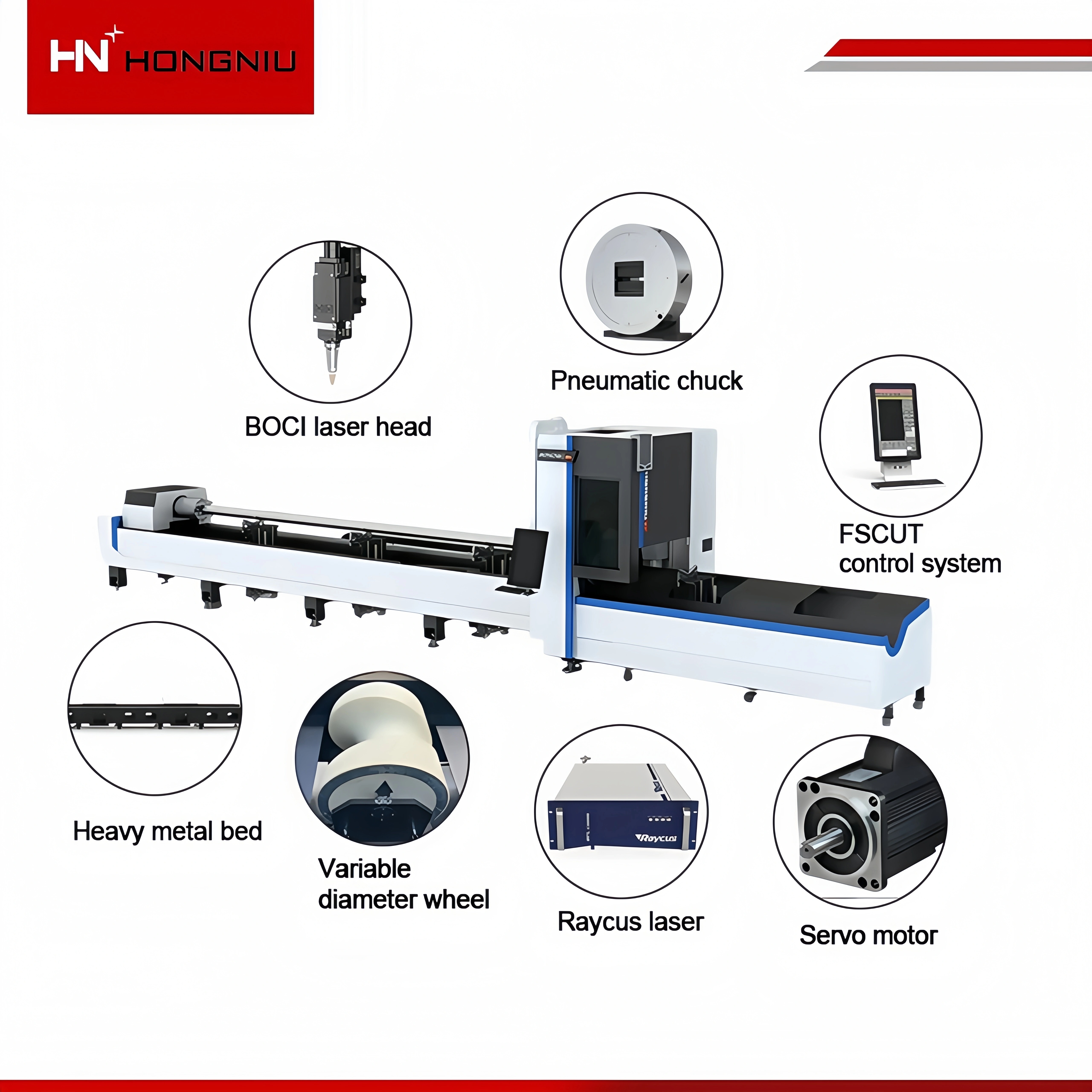
For B2B firms, the adoption of this technology represents a fundamental shift in operational capability. Whether fabricating structural components for heavy machinery or delicate hardware for consumer goods, Laser Cutting Machines provide the speed and accuracy required to meet modern engineering standards. By integrating these systems into the production line, manufacturers can achieve tighter tolerances, reduce material waste, and significantly lower their total cost of ownership, making them an essential asset for any forward-thinking metal fabrication facility.
Unmatched Precision for Complex Industrial Geometries
The primary reason Laser Cutting Machines have become essential is their ability to handle intricate designs that would be impossible for mechanical saws or punches. The laser beam can be focused to a spot size smaller than a millimeter, allowing for the execution of sharp internal corners, microscopic holes, and complex organic curves. This precision is vital for the production of specialized industrial equipment, such as metal detection systems or automated welding frames, where every component must align perfectly to ensure mechanical integrity.
Beyond raw accuracy, the repeatability offered by CNC-controlled laser systems ensures that the 10,000th part is an exact replica of the first. This consistency is a critical requirement for B2B suppliers in the automotive and aerospace sectors, where even a minor dimensional deviation can lead to assembly line stoppages. By removing the "human element" and physical tool wear from the cutting process, manufacturers can guarantee a level of quality that builds long-term trust with their industrial clients.
Enhanced Material Versatility Across Diverse Sectors
The versatility of modern fiber-based systems allows a single machine to process an extraordinary range of materials. From standard carbon steel and stainless steel to highly reflective metals like aluminum, brass, and copper, Laser Cutting Machines adapt to the specific thermal properties of the workpiece. This multi-material capability allows fabrication shops to serve various industries—such as sports equipment manufacturing, HVAC, and electronics—without needing multiple sets of specialized mechanical tools.
Industrial Application and Material Compatibility
The following table demonstrates the broad utility of laser technology across different metal types and their typical industrial applications.
| Material Type | Common Applications | Key Benefit of Laser Cutting |
| Carbon Steel | Machine frames, automotive chassis | Fast piercing and clean structural edges |
| Stainless Steel | Food processing gear, medical tools | Oxide-free, corrosion-resistant finish |
| Aluminum | Aerospace parts, heat sinks | High speed on lightweight, reflective alloys |
| Brass/Copper | Electrical busbars, decorative art | High absorption with fiber laser sources |
| Galvanized Steel | Ductwork, outdoor enclosures | Precise cutting without damaging coatings |
Streamlining Production Workflows and Reducing Lead Times
In traditional metal fabrication, a single part might pass through multiple stages: shearing, drilling, and manual deburring. Laser Cutting Machines streamline this workflow by performing all these actions in a single setup. Because the laser creates a "finished" edge that is smooth and burr-free, the need for secondary grinding or polishing is virtually eliminated. This allows parts to move directly from the cutting bed to the welding or painting station, drastically shortening the overall lead time.
This speed is a major competitive advantage for companies producing high-volume hardware or specialized molds, such as bottle cap injection molds. The ability to go from a digital CAD file to a finished metal part in minutes allows for rapid prototyping and agile production. For B2B firms, this means the ability to respond to market changes or client requests with unprecedented speed, ensuring that production deadlines are consistently met without compromising on the quality of the final output.
Significant Cost Reduction Through Material Optimization
Material costs represent a significant portion of the overhead in any metal fabrication business. Laser Cutting Machines excel at material optimization through advanced nesting software. Because the laser has a microscopic "kerf" (the width of the actual cut), parts can be placed extremely close together on a sheet of metal. This minimizes the amount of scrap generated and ensures that the maximum number of parts is extracted from every raw plate.
Furthermore, the non-contact nature of laser cutting reduces the cost associated with consumables. Unlike mechanical presses that require expensive dies or saws that need frequent blade replacements, the laser beam does not dull. The primary operational costs are electricity and assist gases, both of which are significantly lower than the labor-intensive maintenance required for older mechanical systems. For a facility looking to improve its profit margins, the efficiency of a fiber laser system provides a rapid return on investment.
Driving Innovation in Specialized Manufacturing
The presence of high-precision laser technology often inspires innovation in product design. Engineers who know they have access to a Laser Cutting Machine are free to design more efficient, lightweight, and complex parts. In the production of wire bending machines or automated sports ball equipment, this allows for the creation of interlocking structural designs that are both stronger and easier to assemble than traditional welded frames.
This capability is also essential for the "Smart Factory" or Industry 4.0 transition. Modern laser systems are equipped with sensors that monitor the cutting process in real-time, automatically adjusting parameters to compensate for material variations. This level of intelligent automation ensures that production remains stable even during 24/7 operations. For B2B manufacturers, this means the ability to scale up production without a linear increase in labor costs, paving the way for sustainable long-term growth in the global marketplace.
Frequently Asked Questions (FAQ)
Can laser cutting machines handle very thick metal plates?
Yes, high-power fiber lasers (12kW to 30kW+) can cut through carbon steel and stainless steel plates as thick as 30mm to 50mm. While plasma is sometimes used for even thicker sections, the laser provides a much cleaner edge and higher dimensional accuracy for most industrial thicknesses.
Why is nitrogen used as an assist gas during the cutting process?
Nitrogen is used primarily for stainless steel and aluminum to prevent oxidation. It acts as a shielding gas that blows away the molten metal without allowing it to react with oxygen, resulting in a bright, clean edge that does not require cleaning before welding.
What is the difference between a CO2 and a Fiber Laser Cutting Machine?
Fiber lasers are the modern standard for metal. They are more energy-efficient, have no moving mirrors in the beam source (low maintenance), and can cut reflective metals like copper and brass, which CO2 lasers generally cannot handle safely.
How does nesting software help in reducing production costs?
Nesting software automatically arranges parts on a sheet of metal to use the space as efficiently as possible. Because the laser cut is so thin, parts can be "shared" on one cut line or placed millimeters apart, which can save 10% to 15% in raw material costs annually.
Is it safe to cut galvanized steel with a laser?
Yes, it is safe and highly effective. However, because the zinc coating vaporizes, it is essential to have a high-quality dust extraction and filtration system in place to protect the operator and the machine's optics from the resulting fumes.
Table of Contents
- Unmatched Precision for Complex Industrial Geometries
- Enhanced Material Versatility Across Diverse Sectors
- Streamlining Production Workflows and Reducing Lead Times
- Significant Cost Reduction Through Material Optimization
- Driving Innovation in Specialized Manufacturing
- Frequently Asked Questions (FAQ)
