Superior Processing Versatility and Speed
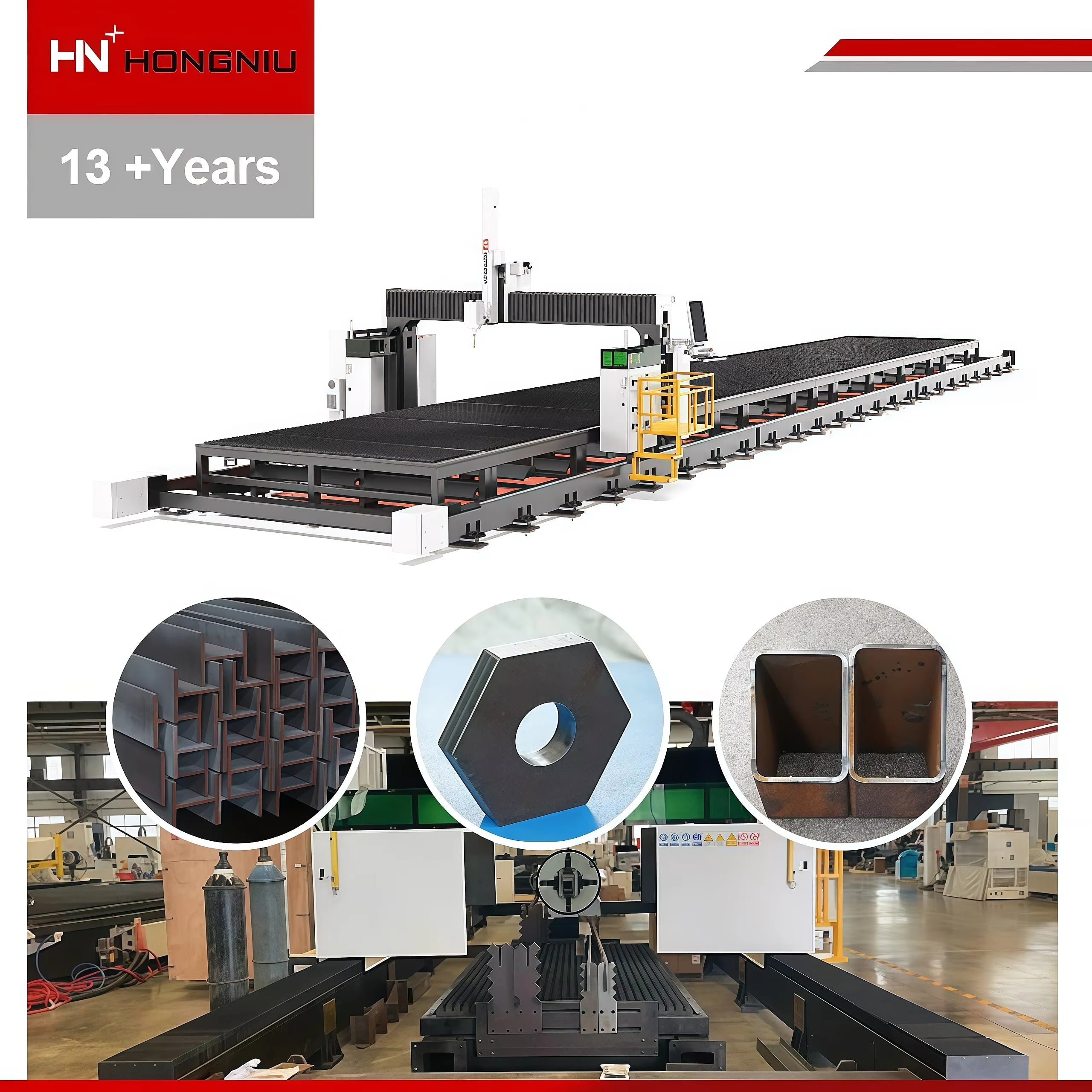
The low price fiber laser excels in processing versatility, handling an extensive range of materials with exceptional speed and precision that transforms manufacturing workflows across multiple industries. This remarkable adaptability stems from the unique properties of fiber laser wavelengths, which achieve optimal absorption rates across diverse material compositions including ferrous and non-ferrous metals, thermoplastics, composites, and specialized alloys. Unlike traditional laser systems that require specific configurations for different materials, the low price fiber laser seamlessly transitions between applications through simple parameter adjustments, eliminating costly equipment changes and reducing setup times dramatically. Processing speeds reach impressive levels, with cutting rates often exceeding 15 meters per minute on thin materials while maintaining edge quality that eliminates secondary finishing operations. Thick plate processing capabilities extend to materials measuring several centimeters in thickness, demonstrating the power and efficiency of modern fiber laser technology. The low price fiber laser processes stainless steel, aluminum, carbon steel, brass, copper, and titanium with equal proficiency, making it ideal for job shops and manufacturers serving diverse market segments. Welding applications benefit from precise heat control and minimal distortion, producing joints that meet stringent quality standards in automotive, aerospace, and structural applications. Marking and engraving functions achieve resolution levels suitable for medical device identification, electronic component labeling, and decorative applications requiring intricate detail reproduction. The versatility extends to part geometry, with the low price fiber laser accommodating flat sheets, tubes, pipes, and three-dimensional components through flexible positioning systems and adaptive beam delivery mechanisms. Automation integration capabilities enable the system to function within robotic cells and conveyor-fed production lines, maximizing throughput while maintaining consistent quality levels. Rapid changeover between different jobs occurs within minutes rather than hours, significantly improving production flexibility and customer responsiveness. This processing versatility eliminates the need for multiple specialized machines, consolidating manufacturing capabilities into a single, efficient platform that reduces equipment costs, floor space requirements, and operator training needs.