Buy Fiber Laser Systems: Advanced Cutting Technology for Superior Performance and Efficiency

Get A Quote
Get A Quote

buy fiber laser

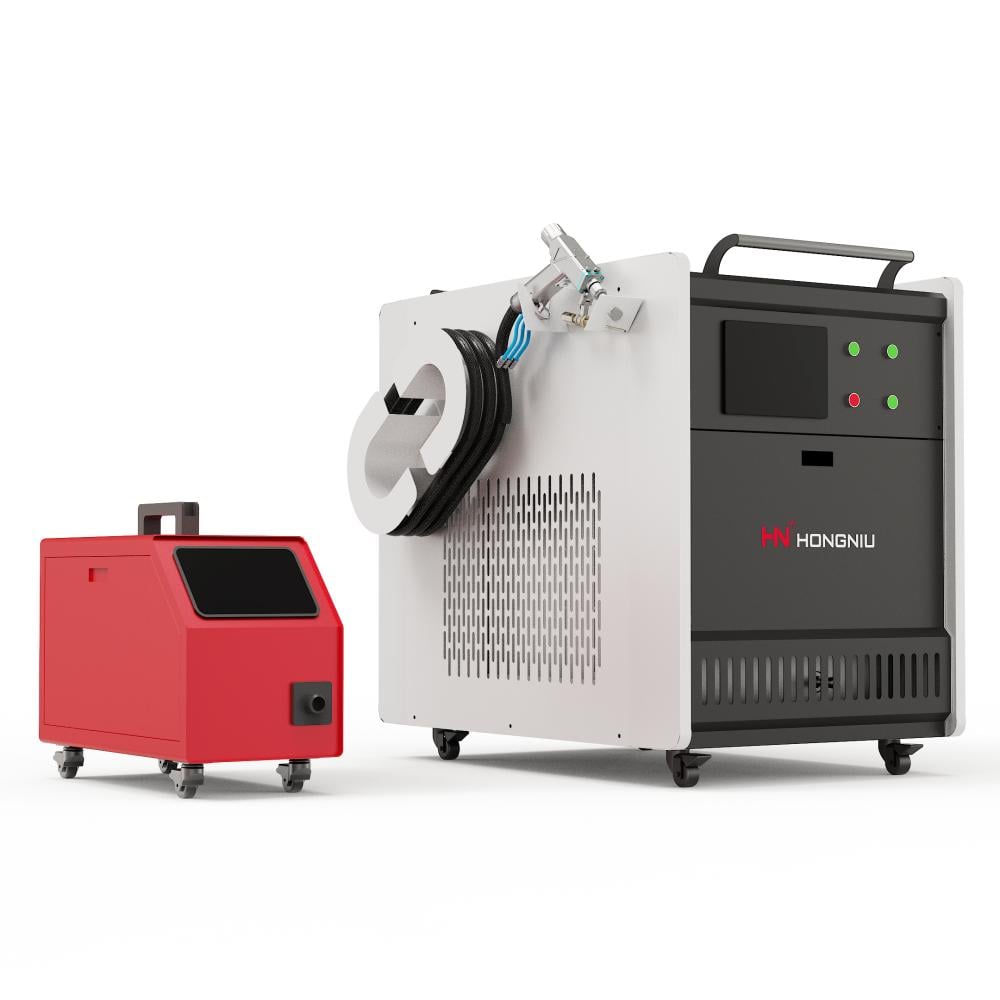
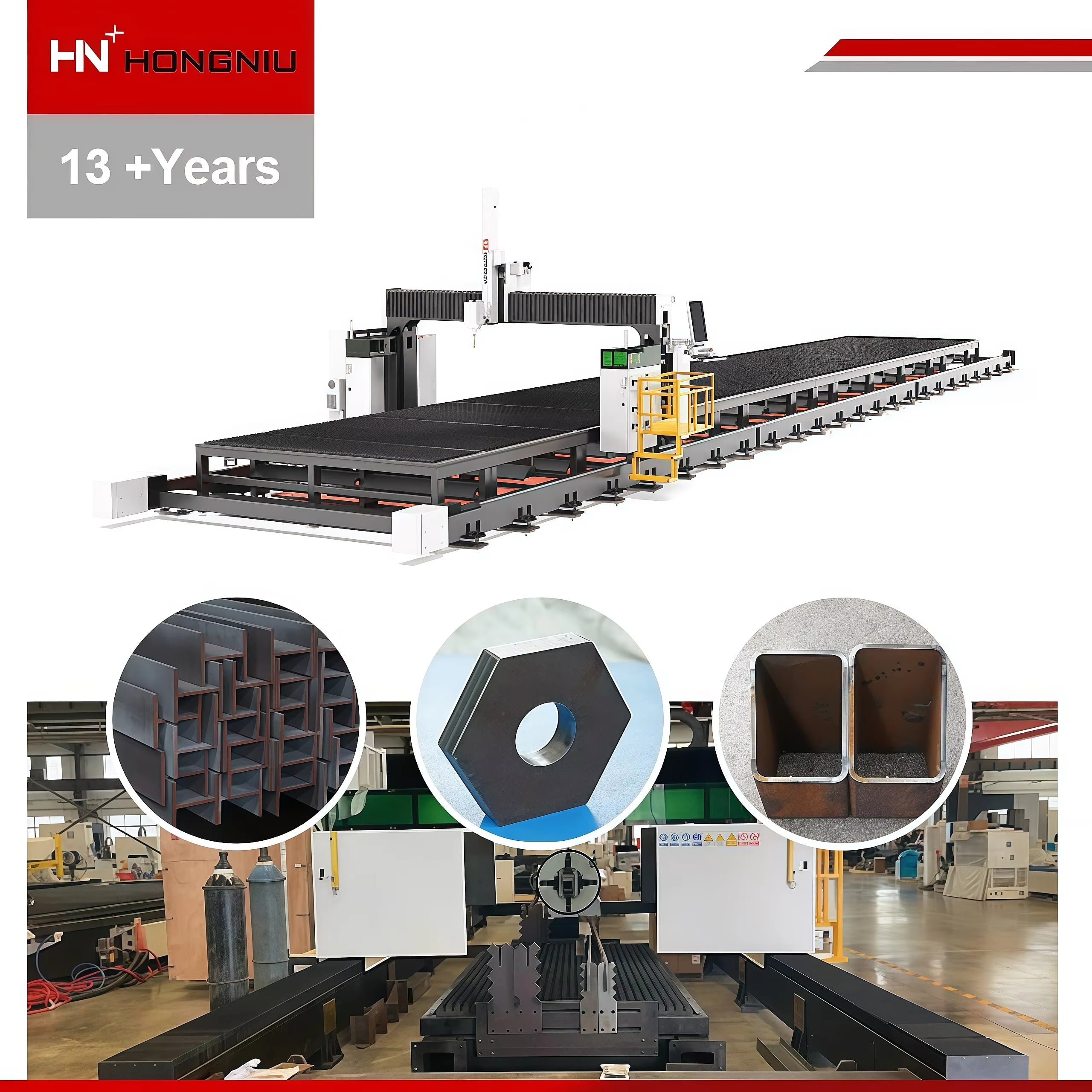
When you decide to buy fiber laser equipment, you are investing in one of the most advanced and efficient cutting technologies available in modern manufacturing. A fiber laser system utilizes optical fiber doped with rare-earth elements to generate a highly concentrated beam of light that can cut through various materials with exceptional precision. Unlike traditional CO2 lasers, fiber laser technology delivers the laser beam through flexible fiber optic cables, eliminating the need for complex mirror systems and reducing maintenance requirements significantly. The main functions of a fiber laser include cutting, engraving, marking, and welding across a wide spectrum of materials such as stainless steel, aluminum, brass, copper, titanium, and various alloys. The technological features that set fiber lasers apart include their solid-state design, which means fewer moving parts and greater reliability over extended operational periods. The wavelength produced by fiber lasers, typically around 1.06 micrometers, is readily absorbed by metallic surfaces, making the cutting process more efficient and faster compared to other laser types. When you buy fiber laser systems, you gain access to cutting speeds that can be up to five times faster than CO2 lasers for thin materials, while consuming approximately 70 percent less energy. Applications for fiber laser technology span numerous industries including automotive manufacturing, aerospace engineering, electronics production, medical device fabrication, jewelry making, signage creation, and general metal fabrication shops. The compact footprint of fiber laser systems makes them suitable for facilities with limited floor space, while their ability to handle materials ranging from 0.5mm to 25mm thickness provides versatility for diverse production needs. The precision achievable with fiber laser cutting typically reaches tolerances of plus or minus 0.1mm, ensuring consistent quality across production runs and reducing material waste significantly.
The advantages you receive when you buy fiber laser technology extend far beyond simple cutting capabilities and translate into tangible business benefits that impact your bottom line positively. First and foremost, operational cost savings represent a major advantage, as fiber lasers consume significantly less electricity compared to traditional laser systems, with some models using up to 70 percent less power for equivalent cutting tasks. This energy efficiency directly reduces your monthly utility expenses and contributes to a smaller carbon footprint for environmentally conscious operations. Maintenance costs decrease dramatically because fiber laser systems feature a solid-state design with no mirrors requiring alignment or replacement, and the laser source itself typically lasts between 50,000 to 100,000 hours before requiring service. This extended lifespan means less downtime, fewer service calls, and more consistent production schedules that keep your operations running smoothly. The superior cutting quality achieved with fiber lasers eliminates or reduces the need for secondary finishing operations, saving both time and labor costs while delivering cleaner edges and smoother finishes straight from the cutting bed. Processing speed improvements allow you to complete jobs faster, increasing throughput and enabling you to take on more projects without expanding your facility or workforce. The versatility to cut reflective metals like brass, copper, and aluminum opens new market opportunities that were previously challenging or impossible with older laser technologies. Material utilization improves because the narrow kerf width and precision of fiber lasers maximize the number of parts you can nest on a single sheet, reducing scrap and stretching your raw material budget further. The compact size and minimal infrastructure requirements mean you can install a fiber laser system without extensive facility modifications, and the plug-and-play nature of modern systems gets you up and running quickly. Training operators becomes easier because intuitive software interfaces and automated features reduce the learning curve, allowing your team to become productive faster. The reliability and consistency of fiber laser cutting improve your reputation with customers by ensuring on-time delivery and consistent part quality across every order. Return on investment typically occurs within 18 to 36 months for most businesses, making the decision to buy fiber laser equipment a financially sound strategic move that positions your company for long-term competitive advantage in your market segment.

Latest News

Laser Cut Machine vs Mechanical Cutting: Key Differences

12

May

Laser Cut Machine vs Mechanical Cutting: Key Differences

In the industrial fabrication landscape, the choice between thermal precision and mechanical force determines the efficiency, cost, and quality of the final product. For decades, mechanical cutting—utilizing physical tools like shears, punches...
View More
Fiber Laser Cutting Machine Applications in Metal Fabrication

12

May

Fiber Laser Cutting Machine Applications in Metal Fabrication

The landscape of modern industrial manufacturing has been fundamentally transformed by the advent of fiber technology. In the realm of metalwork, the fiber laser cutting machine stands as the pinnacle of efficiency, precision, and versatility. Unlik...
View More
How Does a Laser for Cutting Machine Work in Metal Processing?

12

May

How Does a Laser for Cutting Machine Work in Metal Processing?

Understanding the operational mechanics of a laser for cutting machine in metal processing requires examining the sophisticated interplay of light amplification, beam focusing, and thermal energy transfer. These advanced manufacturing systems utilize...
View More
Types of Laser for Cutting Machine and Their Applications

12

May

Types of Laser for Cutting Machine and Their Applications

The selection of an appropriate laser for cutting machine operations represents a critical decision that directly impacts manufacturing productivity, cut quality, and operational costs. Modern industrial laser cutting technology encompasses several d...
View More

Get a Free Quote

Our representative will contact you soon.
0/1000
Exceptional Cutting Speed and Productivity Enhancement

Exceptional Cutting Speed and Productivity Enhancement

When you buy fiber laser cutting systems for your operation, one of the most immediately noticeable advantages is the remarkable cutting speed that transforms your production capabilities and workflow efficiency. Fiber laser technology achieves cutting speeds that surpass traditional CO2 lasers by factors ranging from three to five times for thin materials, with the performance gap becoming even more pronounced when working with highly reflective metals that previously posed challenges. This speed advantage stems from the fundamental physics of how fiber lasers interact with metallic materials, as the shorter wavelength of approximately 1.06 micrometers gets absorbed more readily by metal surfaces compared to the 10.6 micrometer wavelength of CO2 lasers. The practical implication for your business means that jobs that previously required hours can now be completed in a fraction of the time, allowing you to increase throughput without adding shifts or additional equipment. The rapid processing capability becomes particularly valuable when handling high-volume production runs where every second saved per part multiplies across thousands of pieces, resulting in substantial time savings that directly improve your delivery schedules and customer satisfaction rates. The acceleration characteristics of modern fiber laser cutting heads, combined with advanced motion control systems, enable the equipment to maintain high cutting speeds even through complex geometries with numerous directional changes and intricate details. This combination of raw speed and agility means that even complicated parts with fine features and tight tolerances can be produced efficiently without sacrificing quality or precision. The productivity enhancement extends beyond pure cutting speed to include faster piercing times, as fiber lasers can penetrate materials more quickly due to their high power density and efficient energy transfer. Reduced piercing time becomes especially significant when your parts require numerous small holes or cutouts, as the cumulative time savings across all pierce points can substantially reduce overall job completion time. The ability to process multiple material types and thicknesses without extensive equipment changeovers further amplifies productivity gains, as your operators can move seamlessly from one job to another with minimal setup adjustments.
Superior Energy Efficiency and Lower Operating Costs

Superior Energy Efficiency and Lower Operating Costs

The decision to buy fiber laser equipment delivers substantial financial benefits through dramatically improved energy efficiency that translates into lower operating costs and faster return on investment for your manufacturing operation. Fiber laser systems typically consume between 20 to 30 percent of the electrical power required by equivalent CO2 laser systems when performing identical cutting tasks, with some advanced models achieving even greater efficiency ratios depending on material type and thickness. This remarkable energy efficiency results from the fundamental design of fiber laser technology, where the solid-state laser generation process converts electrical energy into laser light with efficiency rates exceeding 30 percent, compared to roughly 10 percent for gas lasers. The practical impact on your utility bills becomes evident immediately after installation, with many businesses reporting monthly electricity cost reductions ranging from several hundred to several thousand dollars depending on operational intensity and local energy rates. Beyond direct energy consumption, fiber lasers generate less waste heat compared to traditional systems, reducing the burden on your facility cooling systems and creating additional energy savings that compound the economic benefits. The cooling requirements for fiber laser systems are minimal, often utilizing standard water chillers or even air cooling for lower power models, eliminating the need for specialized cooling infrastructure that adds both capital and operational expenses. The electrical efficiency also contributes to a smaller carbon footprint for environmentally conscious businesses seeking to reduce their environmental impact while meeting sustainability goals and customer expectations for responsible manufacturing practices. Maintenance cost advantages further enhance the economic proposition, as fiber laser sources typically operate maintenance-free for 50,000 to 100,000 hours, eliminating the frequent service intervals required by gas lasers that need regular gas refills, mirror cleaning, and optical alignment. The absence of consumable components like laser gas mixtures and fragile mirrors that degrade over time means your ongoing operational expenses remain predictable and minimal, allowing for more accurate job costing and profit margin calculations. The reliability and uptime associated with fiber laser technology minimize costly production interruptions that can delay deliveries, disappoint customers, and create expensive rush situations to catch up on missed production schedules.
Versatile Material Processing with Exceptional Quality

Versatile Material Processing with Exceptional Quality

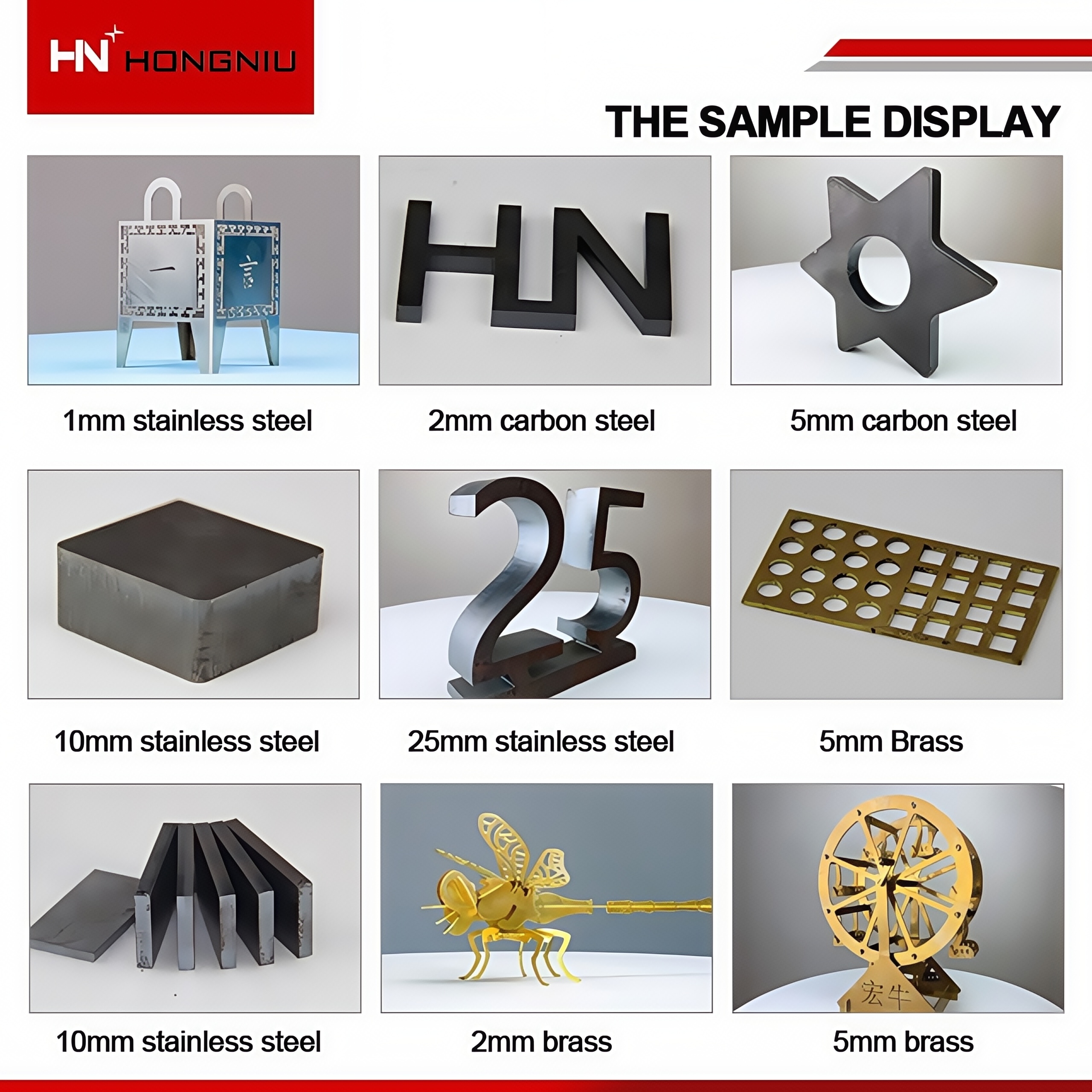
When you buy fiber laser systems for your facility, you gain access to versatile material processing capabilities that expand your service offerings and open new market opportunities while delivering exceptional cut quality that meets or exceeds the most demanding specifications. Fiber laser technology excels at processing a comprehensive range of metallic materials including stainless steel, mild steel, aluminum, brass, copper, titanium, and various specialty alloys that are common in industries ranging from aerospace to medical device manufacturing. The ability to cut reflective metals like aluminum, brass, and copper represents a significant advantage over older CO2 laser systems that struggled with these materials due to beam reflection issues that could damage optics and create inconsistent cutting results. The shorter wavelength of fiber lasers gets absorbed efficiently by reflective surfaces, enabling clean, reliable cuts through these challenging materials without special precautions or reduced processing speeds. The cut quality achieved with fiber laser systems consistently delivers smooth edges with minimal dross formation, reducing or eliminating secondary finishing operations that add time and cost to your production process. The narrow kerf width produced by the focused fiber laser beam maximizes material utilization by allowing tighter part nesting and reducing the material loss between adjacent parts, stretching your raw material investment further and improving job profitability. The precision and repeatability of fiber laser cutting ensures consistent part dimensions across production runs, minimizing variation and reducing scrap rates that eat into profit margins and create quality control headaches. The minimal heat-affected zone characteristic of fiber laser processing reduces material distortion and warping, particularly important when working with thin materials or producing parts with tight flatness requirements. The clean cutting action creates parts that often require no additional finishing, allowing them to proceed directly to assembly or coating processes and accelerating your overall production timeline. The versatility extends to material thickness ranges, with fiber laser systems capable of processing materials from thin foils of 0.5mm up to plates of 25mm or more depending on laser power and material type, providing flexibility to serve diverse customer needs without maintaining multiple cutting technologies. The ability to switch between materials and thicknesses with minimal setup adjustments enhances operational flexibility and reduces changeover time, allowing your facility to respond quickly to changing customer demands and market opportunities.