Advanced Laser Cut Machine Guide: Functions, Features, Applications, and Customer Benefits

Get A Quote
Get A Quote

advanced laser cut machine

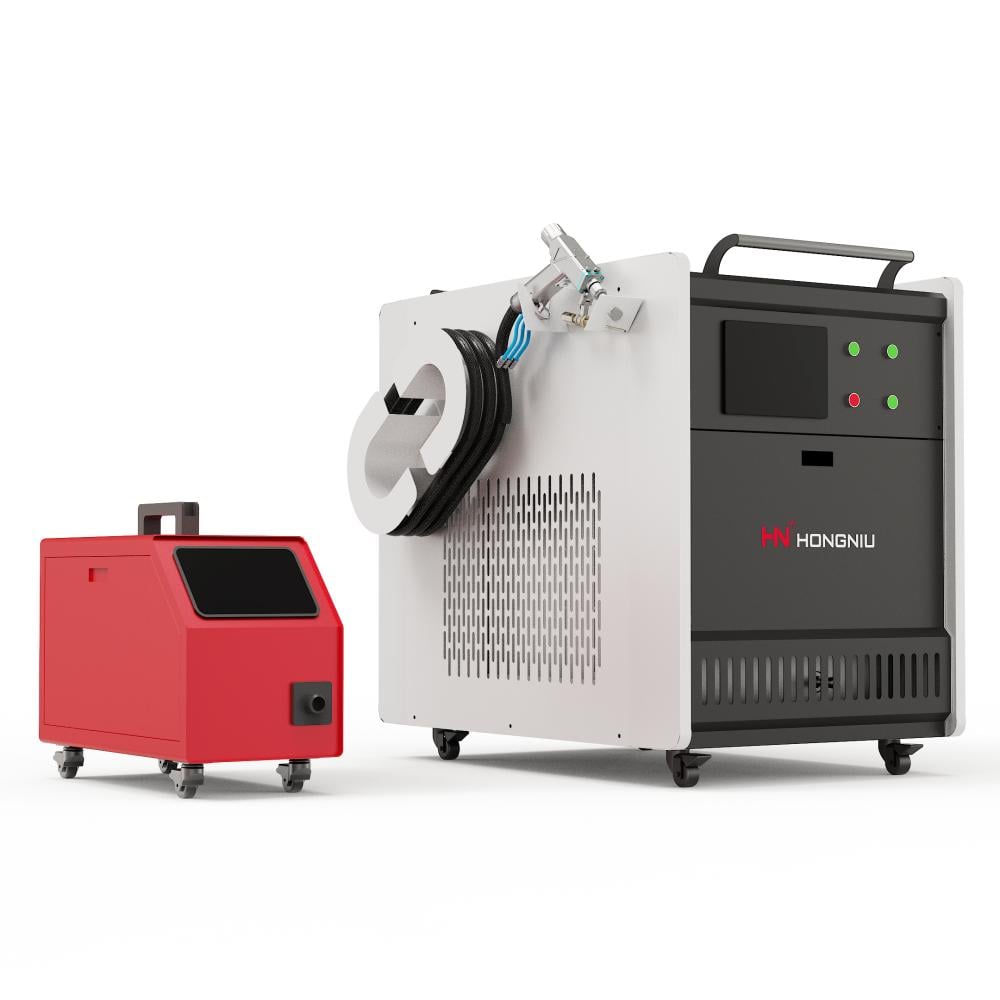
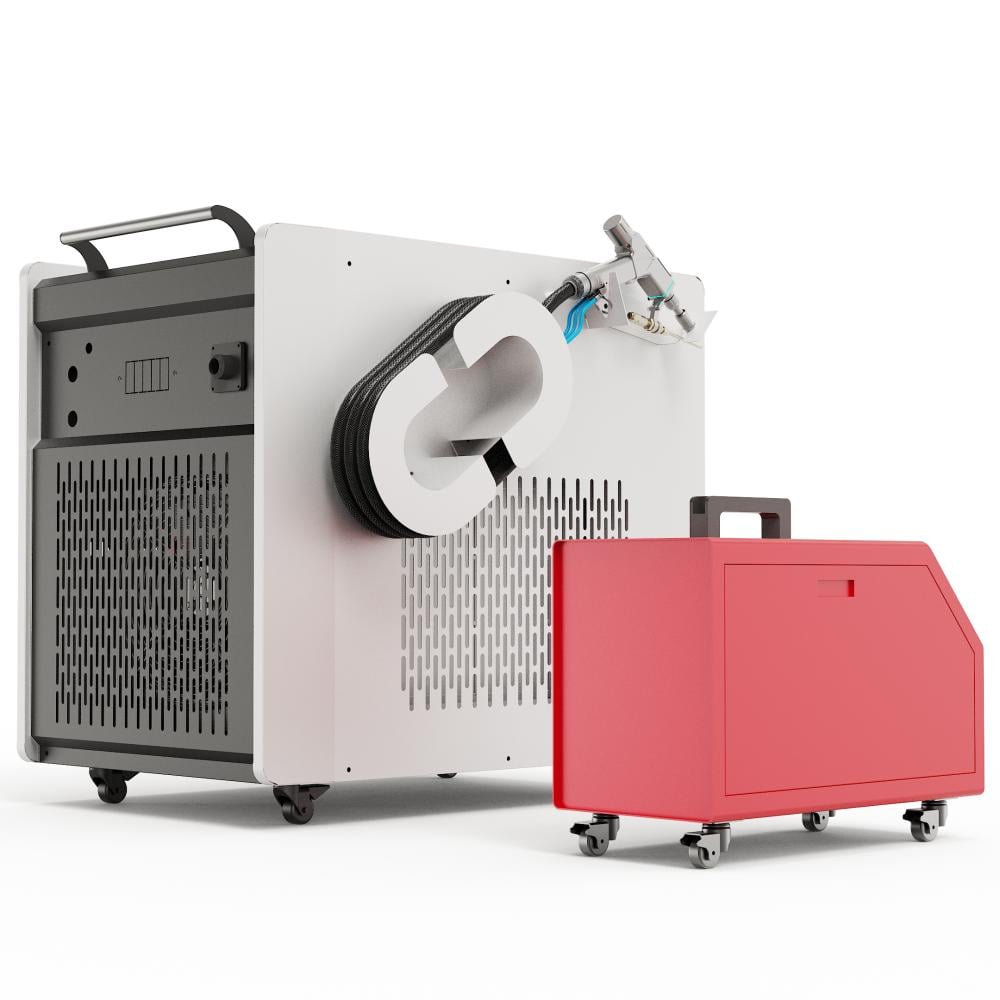
An advanced laser cut machine is a modern cutting system that uses a focused light beam to shape metal, plastic, wood, acrylic, fabric, and many mixed materials with high accuracy. Unlike older cutting tools that rely on physical blades, this system cuts without direct contact, so parts stay cleaner and edges stay smooth. A typical advanced laser cut machine includes a power source, a cutting head, a motion table, safety covers, and control software. The operator uploads a design file, sets material type and thickness, and the machine follows the path with steady speed and precise control. This simple workflow helps both small workshops and large factories complete custom and repeat jobs with less setup time. The main functions include straight cutting, curve cutting, hole making, edge finishing, and light engraving. Many models can also mark serial numbers, batch codes, and logos in the same run. With automatic nozzle height sensing and smart path planning, an advanced laser cut machine reduces errors caused by uneven sheets or manual positioning. New systems also add camera alignment, remote monitoring, and live status feedback, which helps teams track output and reduce downtime. In terms of technology, the machine often uses stable beam delivery, real time motion control, and closed loop cooling to protect key parts and keep performance consistent over long shifts. Application range is broad: sign making, cabinet production, vehicle parts, electrical enclosures, home decor, display stands, medical device components, and light industrial prototyping. Because an advanced laser cut machine can switch between one-off custom work and high volume runs quickly, it supports fast business response, short lead times, and strong product quality in markets where timing and finish matter every day.
The biggest practical benefit of an advanced laser cut machine is dependable precision that saves money over time. When cuts stay accurate, parts fit right the first time, so teams spend less time on rework, filing, and manual correction. That means faster assembly and fewer delays before shipping. An advanced laser cut machine also helps businesses handle more job types without buying many separate tools. One day you can cut thin steel panels, the next day acrylic signs or wood templates, then return to metal brackets in the afternoon. This flexibility lets a shop accept more customer requests and keep production active during slow periods in one market segment. Speed is another direct gain. A well tuned advanced laser cut machine moves quickly on both simple and complex patterns, and it can keep that pace for long shifts with stable output. Faster completion means more orders per week and better use of labor hours. Operators spend less time changing blades, aligning fixtures, or stopping work for basic maintenance tasks. Since there is no hard tool pressing into the part, material damage often drops, especially on delicate surfaces that scratch or deform easily. The advanced laser cut machine can also improve material use. Smart nesting places parts closer together while respecting safe spacing, which cuts scrap and lowers raw material cost. Over months, this can produce a major financial difference, especially when sheet prices rise. For business owners, this is not just a technical detail, it directly affects profit margin. Day to day operation is easier than many people expect. The interface uses clear job settings, visual previews, and saved presets, so operators can repeat successful jobs with confidence. Training new staff is simpler because the advanced laser cut machine follows digital instructions rather than hand-guided cuts that depend on years of craft experience. Safety improves too. Enclosed designs, fume extraction support, and interlock protection reduce exposure to moving parts and debris. Better consistency also strengthens customer trust. When each batch matches the previous batch, buyers feel safe placing larger repeat orders. Delivery planning becomes more reliable because cycle times are predictable. Even after-sales support gets easier because part records stay in digital files that teams can reopen, adjust, and rerun. In short, an advanced laser cut machine gives practical value through lower waste, higher speed, cleaner finish, easier staffing, and stronger output consistency that supports business growth.

Practical Tips

Why Choose a Fiber Laser Cutting Machine for Metal Cutting?

12

May

Why Choose a Fiber Laser Cutting Machine for Metal Cutting?

In the rapidly evolving world of industrial manufacturing, the demand for speed, precision, and cost-efficiency has never been higher. For B2B enterprises engaged in metal fabrication, selecting the right equipment is a foundational business decision...
View More
Why a Laser Metal Cutting Machine Improves Cutting Efficiency?

12

May

Why a Laser Metal Cutting Machine Improves Cutting Efficiency?

In the fast-paced world of industrial manufacturing, efficiency is the metric that defines profitability. For B2B fabrication businesses, the transition from traditional mechanical cutting to advanced Laser Cutting Machines has proven to be the most...
View More
Why CNC Laser Cutting Machines Improve Production Consistency?

12

May

Why CNC Laser Cutting Machines Improve Production Consistency?

In the modern manufacturing landscape, the transition from manual fabrication to automated systems has redefined the benchmarks for quality. For B2B industrial firms, the ability to deliver ten thousand identical parts is just as important as the abi...
View More
How to Select a Laser Metal Cutting Machine for Metal Sheets?

12

May

How to Select a Laser Metal Cutting Machine for Metal Sheets?

Selecting the right laser metal cutting machine for metal sheets requires careful evaluation of multiple technical and operational factors that directly impact cutting performance, production efficiency, and long-term profitability. The decision invo...
View More

Get a Free Quote

Our representative will contact you soon.
0/1000
Precision and Finish Quality That Protects Your Brand

Precision and Finish Quality That Protects Your Brand

A strong product reputation starts with visible quality, and this is where an advanced laser cut machine makes a clear difference. Customers notice edge quality immediately. Rough edges, burn marks, and uneven corners create doubt about the whole product, even when the part still functions. With focused beam control and stable motion, an advanced laser cut machine produces neat outlines, smooth curves, and repeatable hole dimensions across full sheets. That consistency matters for brands that sell finished items such as decorative panels, retail displays, branded signage, and consumer facing metalwork. When each item looks clean and professional, your product photos improve, your samples impress buyers faster, and your team spends less time hiding defects before delivery. The benefit goes beyond looks. Better cut precision supports fit and assembly. Parts that align well reduce force during installation, prevent stress points, and lower failure risk in later use. This is critical in cabinets, electrical boxes, brackets, and housing components where tiny dimension errors can slow final assembly or cause returns. A reliable advanced laser cut machine helps you hold tight tolerances over many batches, so you can promise repeat quality with confidence. This is valuable for contract work, where clients compare one shipment against the next. Precision also reduces hidden labor cost. When edges come out clean, workers do less grinding, sanding, and correction. That means shorter production cycles and more available hours for high value tasks like quality checks, packaging, and process improvement. It also supports predictable planning, because jobs no longer depend on long manual finishing steps that vary by operator. Another important point is confidence during design changes. Many businesses update part geometry often, either for customer customization or product upgrades. An advanced laser cut machine follows digital files closely, so revised dimensions transfer quickly from design to production without rebuilding physical tooling. This shortens changeover time and lowers risk when launching new lines. In practical terms, precision and finish quality are not abstract technical metrics. They influence customer trust, return rates, labor use, and brand image every day. That is why this feature is one of the strongest value drivers for companies that want steady growth and fewer production headaches.
Fast Throughput and Flexible Production for Real World Demand

Fast Throughput and Flexible Production for Real World Demand

Market demand changes quickly, and production systems must respond without chaos. A major strength of an advanced laser cut machine is that it combines speed with flexibility, so teams can move from one order type to another without long downtime. In many workshops, order flow includes urgent prototypes, small custom batches, and larger repeat runs all in the same week. Traditional equipment often struggles with this mix because setup takes too long or tooling is too specific. An advanced laser cut machine handles digital job switching in minutes, which helps you keep delivery promises even when schedules shift. High throughput creates direct business value. Faster cutting cycles increase total output per shift, allowing your team to produce more sellable parts with the same floor space. This improves asset return and lowers pressure to add extra machines too early. With an advanced laser cut machine, speed does not have to mean rushed quality. Stable control keeps cut lines accurate at production pace, so you avoid the common tradeoff between volume and finish. This balance is essential for suppliers serving both price sensitive and quality focused customers. Flexibility also supports revenue protection. When one product category slows down, you can pivot quickly to other materials or part shapes and keep equipment busy. For example, a shop may cut architectural panels in one season and promotional display parts in another. The advanced laser cut machine makes these transitions smoother because job instructions are file based, repeatable, and easy to store. Teams can reopen proven settings, reducing trial and error on repeat orders. Shorter lead times become another competitive edge. Buyers increasingly choose vendors who can deliver quickly without sacrificing consistency. Faster turnaround helps you win first orders, while reliable repeats help you keep long term accounts. This creates a stable sales base and stronger cash flow. On the operations side, flexible scheduling lowers stress. Managers can group similar jobs for efficiency, insert urgent orders when needed, and still maintain a predictable daily target. In practical customer terms, this highlight means your business can say yes to more opportunities. You can process varied order sizes, respond to changes, and ship on time with fewer disruptions. That practical agility is often the deciding factor between growth and stagnation in competitive manufacturing environments.
Lower Operating Cost and Smarter Daily Workflow

Lower Operating Cost and Smarter Daily Workflow

Many buyers focus only on purchase price, but long term operating cost decides true value. An advanced laser cut machine stands out because it can reduce waste, labor hours, and avoidable stoppages throughout normal daily use. Material efficiency is a key example. With smart part placement and accurate path control, the machine helps you fit more parts on each sheet and cut down scrap. Even small improvements per sheet add up quickly across monthly production, especially when material prices rise. This benefit alone can offset a large portion of ownership cost over time. Labor efficiency is another important gain. A modern advanced laser cut machine uses saved presets, visual setup guidance, and clear status feedback that reduce manual guesswork. Operators can prepare jobs faster and repeat them with fewer mistakes. That cuts idle time and reduces dependence on one expert worker for every complex task. For growing businesses, this matters because hiring and training become easier when processes are standardized. Maintenance impact also deserves attention. Consistent thermal management, monitoring alerts, and stable motion systems help prevent sudden breakdowns that stop production at critical moments. While every machine needs upkeep, an advanced laser cut machine often supports planned service instead of emergency repair. Planned service costs less, causes less disruption, and protects delivery commitments. Energy use can improve as well. Efficient cutting cycles and reduced rework mean less wasted runtime per finished part. In practical terms, your electricity cost per good part may drop, and your team spends more hours on productive output instead of corrective work. Workflow visibility adds extra value. Digital job records let you track settings, run times, and completed batches, which supports better quoting for future orders. Accurate quotes protect margin and reduce pricing errors that quietly hurt profit. For customer service, reliable workflow means clearer delivery dates and faster response when clients request repeat parts or minor design edits. The advanced laser cut machine also supports cleaner work areas because non contact cutting reduces chips and mechanical debris compared with some traditional methods. A cleaner area helps quality control and improves team comfort during long shifts. Taken together, these practical factors create a strong business case: lower waste, steadier output, easier staffing, and better control of day to day costs. This is the kind of value that owners can measure in monthly reports, not just in technical brochures.