fiber laser cutter for metal
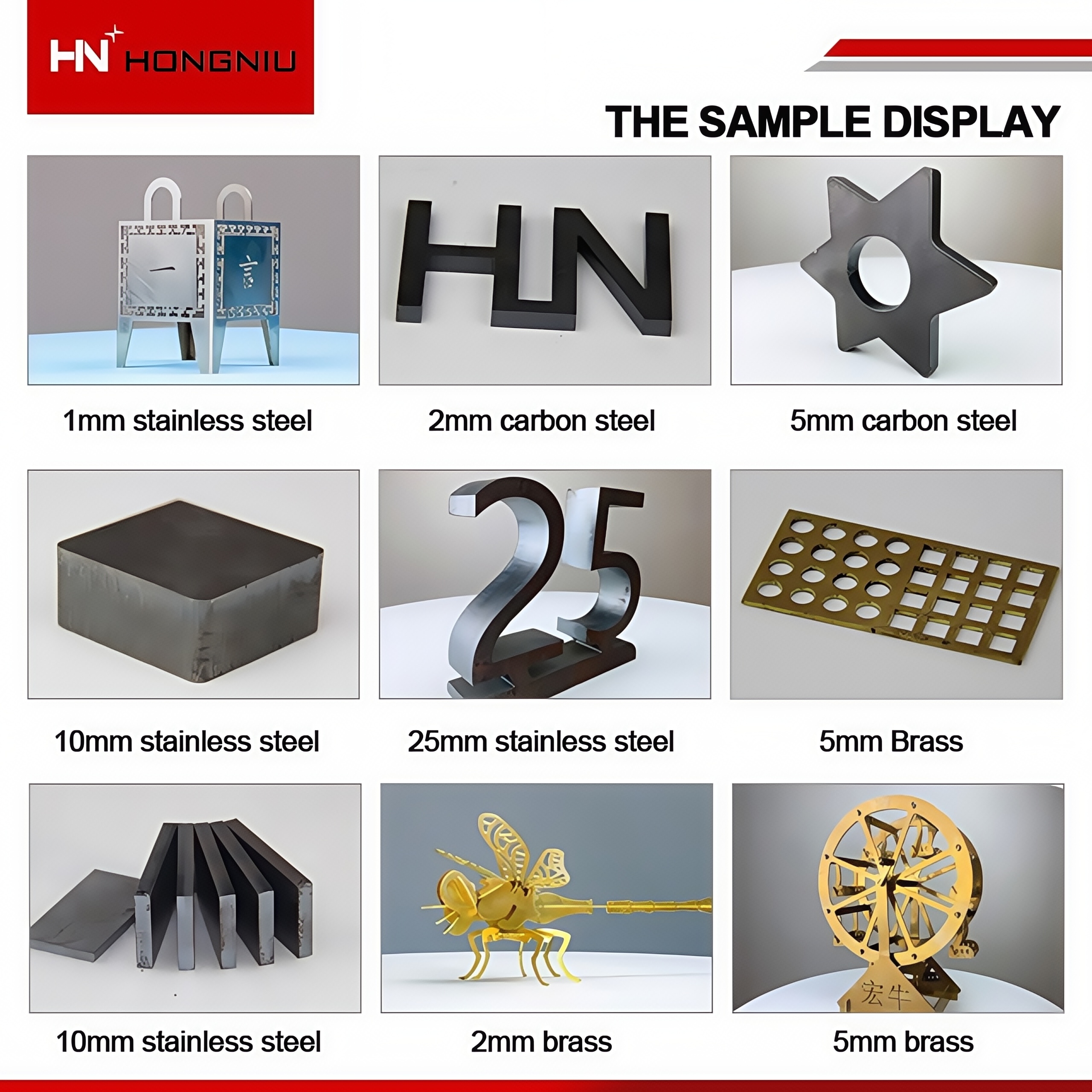
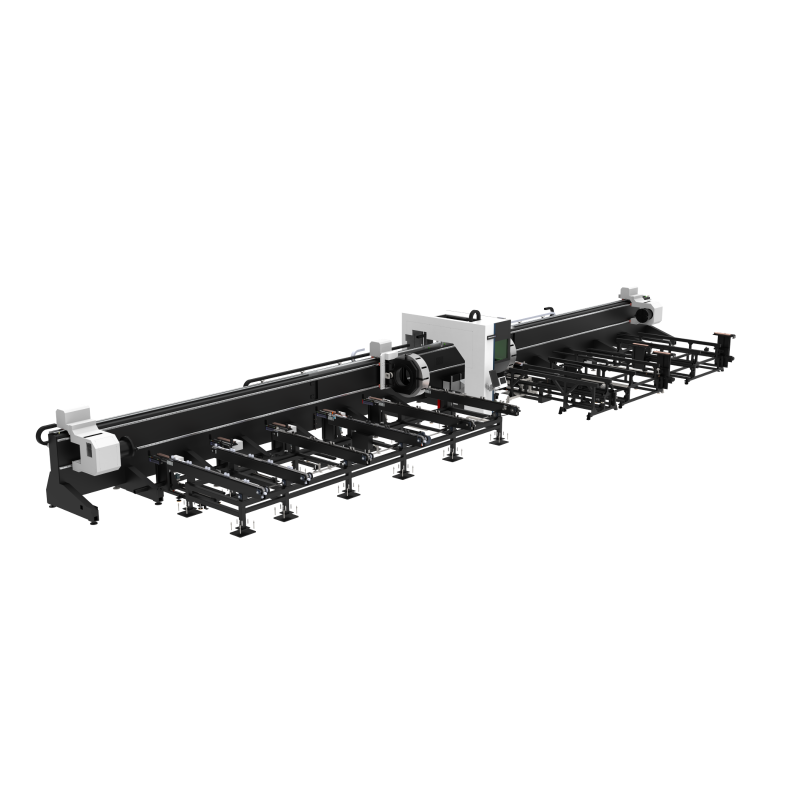
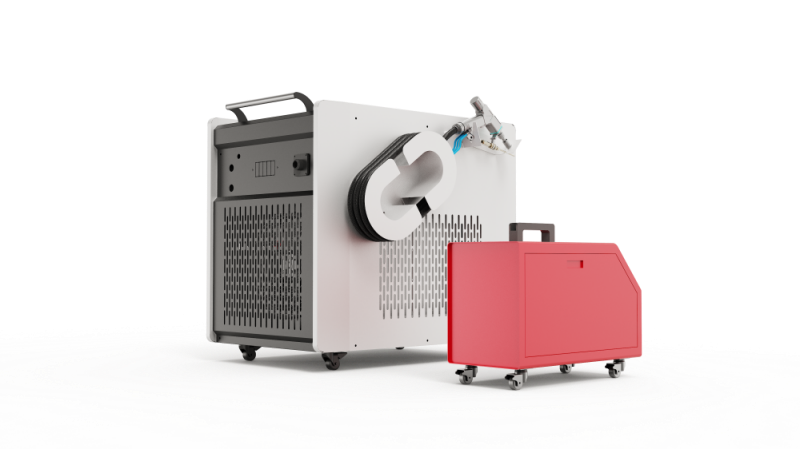
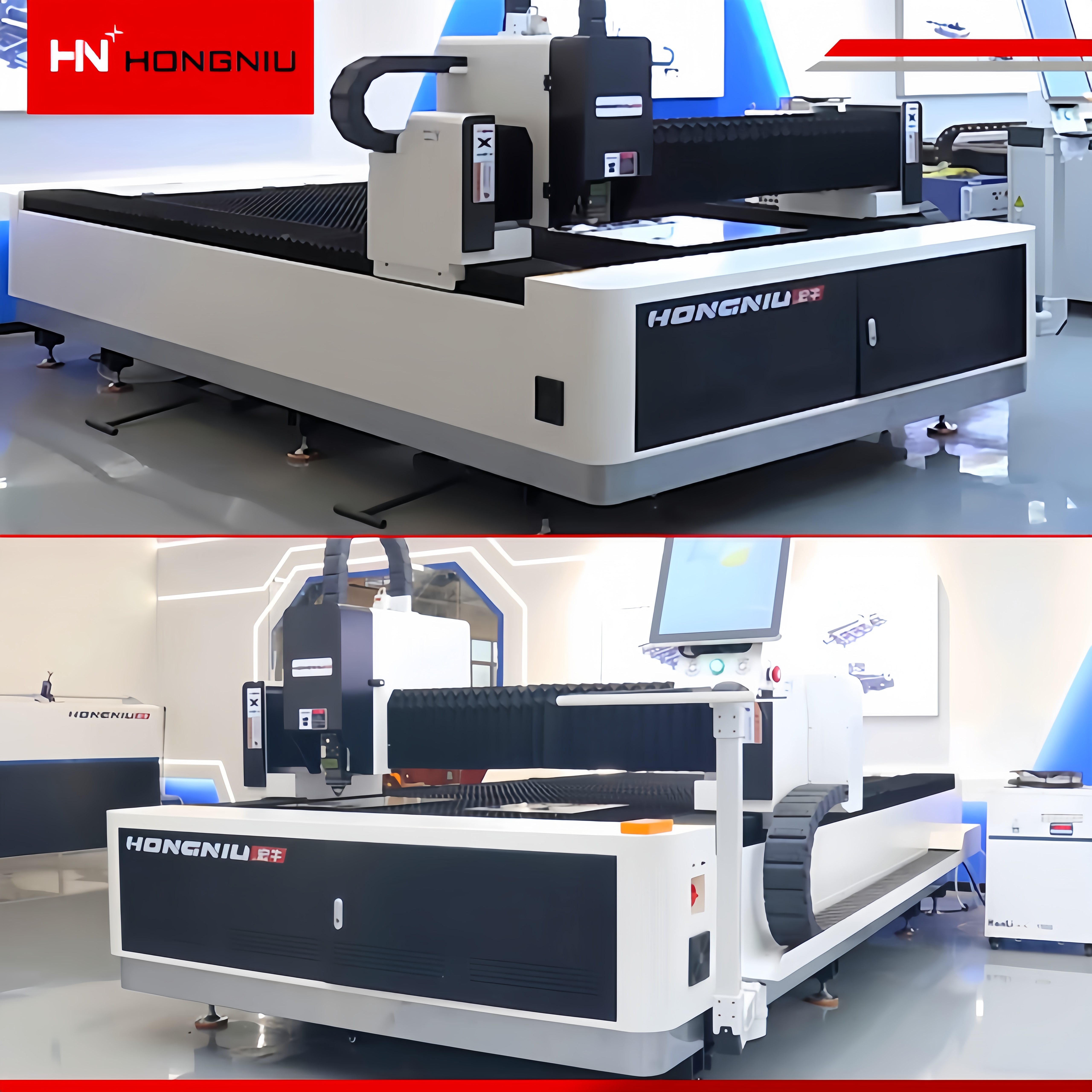
The fiber laser cutter for metal represents a revolutionary advancement in precision manufacturing technology, designed specifically to handle various metallic materials with exceptional accuracy and speed. This sophisticated equipment utilizes concentrated fiber laser beams to melt, vaporize, or burn through metal surfaces, creating clean, precise cuts that meet the most demanding industrial standards. The fiber laser cutter for metal operates through a highly focused laser beam generated by rare-earth-doped optical fibers, delivering concentrated energy that reaches temperatures exceeding 10,000 degrees Celsius at the point of contact. The main functions of this cutting-edge machinery include straight-line cutting, curve cutting, hole drilling, engraving, and complex pattern creation across numerous metal types including stainless steel, carbon steel, aluminum, brass, copper, and titanium. The technological features of the fiber laser cutter for metal encompass advanced CNC control systems, automatic material handling capabilities, real-time monitoring sensors, and intelligent nesting software that optimizes material usage. These systems integrate seamlessly with CAD/CAM software, enabling operators to import designs directly and execute complex cutting patterns with minimal manual intervention. The applications for fiber laser cutter for metal span across multiple industries including automotive manufacturing, aerospace engineering, construction, shipbuilding, electronics, medical device production, and architectural metalwork. In automotive applications, these machines create precise components for engine parts, chassis elements, and decorative trim pieces. Aerospace industries rely on fiber laser cutter for metal technology to produce lightweight yet durable components that meet strict safety regulations. The construction sector utilizes these machines for structural steel fabrication, custom brackets, and ornamental metalwork. The versatility of the fiber laser cutter for metal makes it indispensable for both large-scale production runs and custom prototype development.