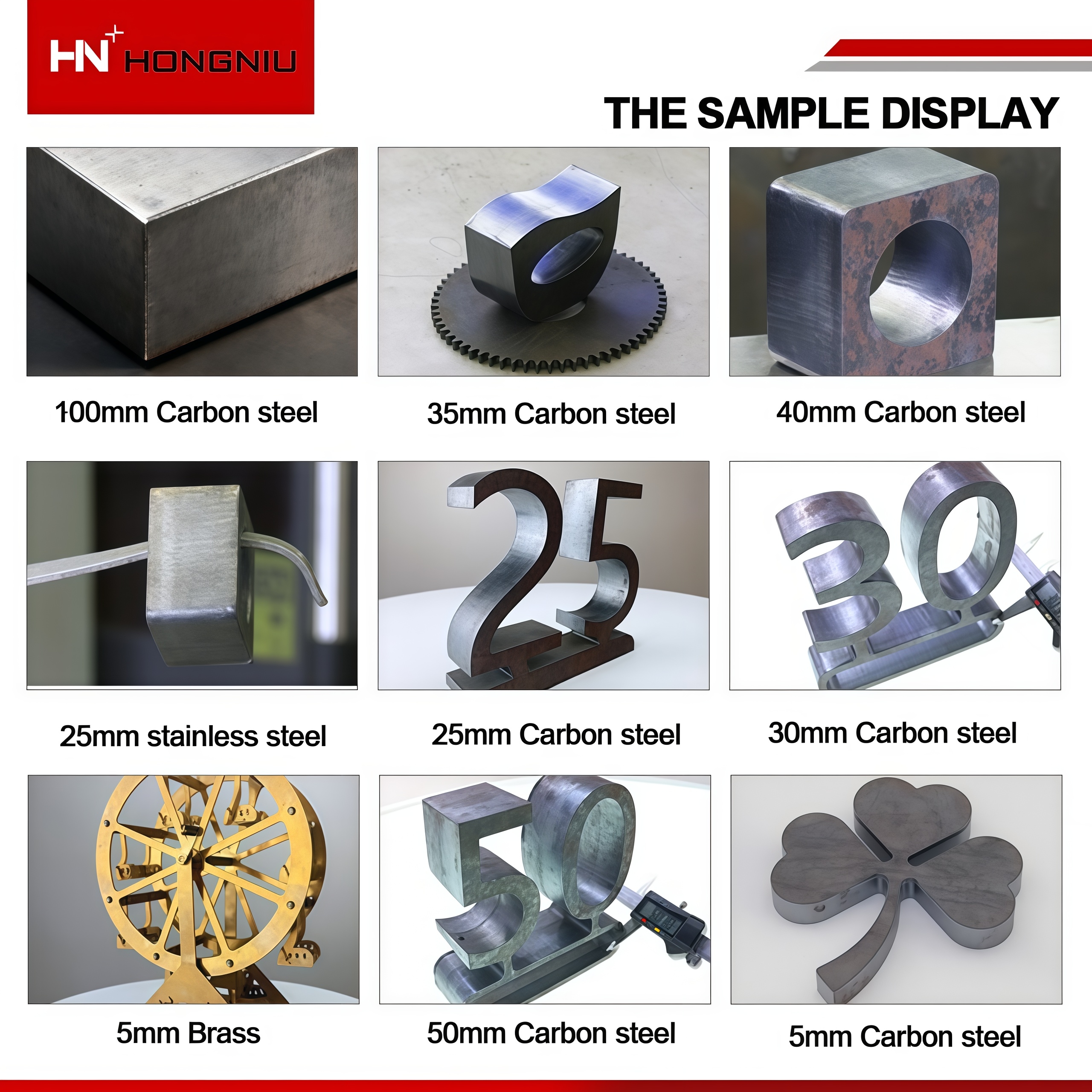
wazalishaji wa kukata metali laser
Wafabrikia wa vibadilishaji vya chuma vya lazeri wanawezesha, kujenga, na kusaidia mashine zinazokata chuma, alumini, shaba, mshamvu, na vichwa vingine kwa kasi na usahihi. Wafabrikia wengi wa vibadilishaji vya chuma vya lazeri hutoa mifumo yote, siyo tu kichwa cha lazeri. Muundo wa kawaida unajumuisha mfame wa mashine, mfumo wa udhibiti wa harakati, programu, funiko la usalama, chaguo za kutoa mavumbi, na huduma baada ya mauzo. Wakati wanunue wanalinganisha wafabrikia wa vibadilishaji vya chuma vya lazeri, wanatafuta ubora wa kuganda, muda wa kufanya kazi, urahisi wa matumizi, na gharama ya kudumisha kwa muda mrefu. Wafabrikia wazuri wa vibadilishaji vya chuma vya lazeri wanazingatia mambo yote manne. Mashine zao hubadilisha michoro ya kidijitali kuwa vipande vya mwisho kwa mapito safi, uvumbuzi mdogo, na kazi ya kurudia chache sana. Hii inawapa wafabrikia njia nyororo zaidi kutoka kubuni hadi uhamisho. Wafabrikia wengi wa vibadilishaji vya chuma vya lazeri pia hutoa moduli za utawala, kama vile kusakinisha karatasi, kutoa, na kubadilisha vipande, ili ujifanikio wa uzalishaji uendelee bila kushughulikiwa sana na binadamu. Hii inoosha muda wa kazi na kupunguza vikwazo wakati wa kazi kwa wingi. Wafabrikia wakuu wa vibadilishaji vya chuma vya lazeri wanajenga programu rahisi ya matumizi inayosaidia wafanyakazi kupanga vipande kwa ufanisi, kupunguza taka, na kufuatilia hali ya kazi wakati wowote. Msaada mzuri wa programu ni muhimu kwa sababu uokoa wa nyenzo mara nyingi unamamua faida. Kipengele kingine muhimu ni ufanisi. Wafabrikia wanaaminika wa vibadilishaji vya chuma vya lazeri huchunguza mashine chini ya mzigo wa kudumu na kutoa ushauri wa mbali kupunguza muda usiofaa. Pia wanahifadhi uwezekano wa kupata vipengele na mpango wazi wa huduma. Kwa maneno mazuri, wateja hupata pato thabiti, muda wa kutoa unapokadiriwa, na vipokeo vya gharama kubwa vichache. Katika maeneo yote ya uchumi, wafabrikia wa vibadilishaji vya chuma vya lazeri hujitolea kwa makampuni ya kazi, watoa wa viungo vya moto, wafabrikia wa vifaa vya ujenzi, mashine za vyombo vya nyumbani, watoa wa vifaa vya umeme, na studio za chuma za kibinafsi. Mashine zao zinaweza kushughulikia karatasi nyembamba kwa vipengele vya undani na karatasi kubwa kwa vipengele vya msingi. Kwa sababu wafabrikia wa vibadilishaji vya chuma vya lazeri wanawezesha ufanisi wa uvamizi wa lazeri, udhibiti wa harakati, na mipangilio ya mchakato, mifumo ya kisasa inakata kwa kasi zaidi wakiongeza ubora wa mpaka. Kwa wamonja, hii inamaanisha wanaweza kukubali maagizo zaidi, kupunguza muda wa uhamisho, na kudumisha ubora wa bidhaa bila kuongeza nafasi ya kiwanda kwa haraka sana.
 EN
EN