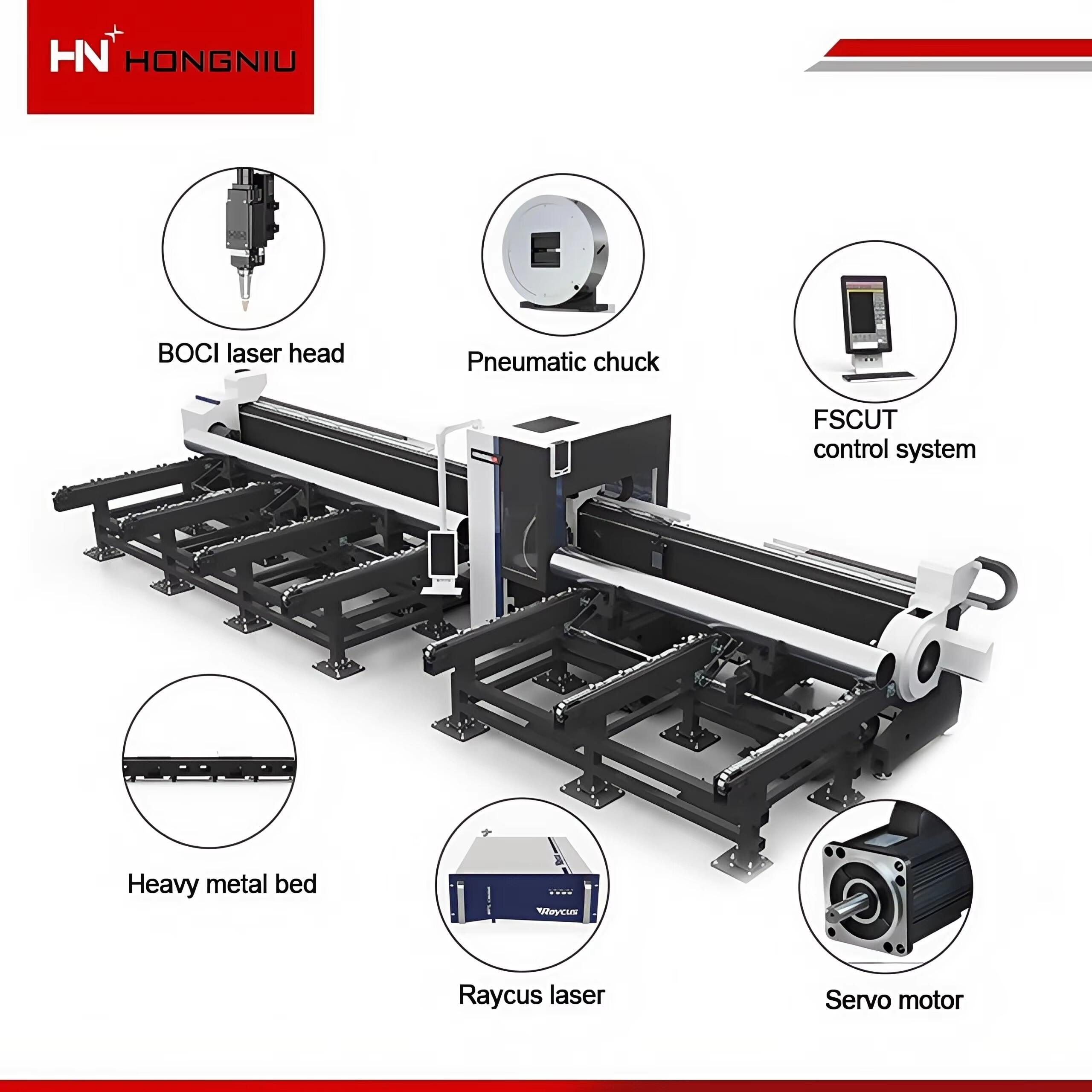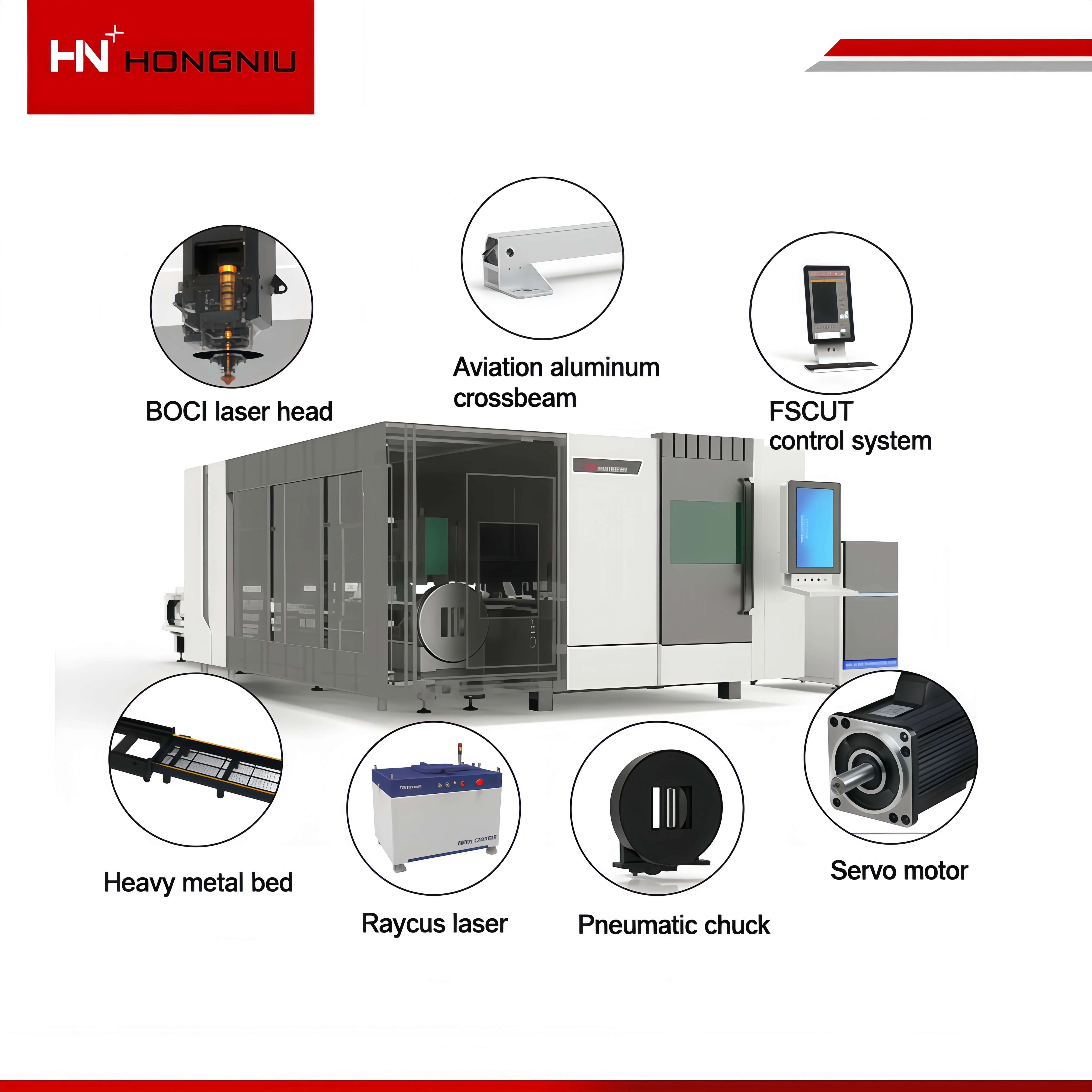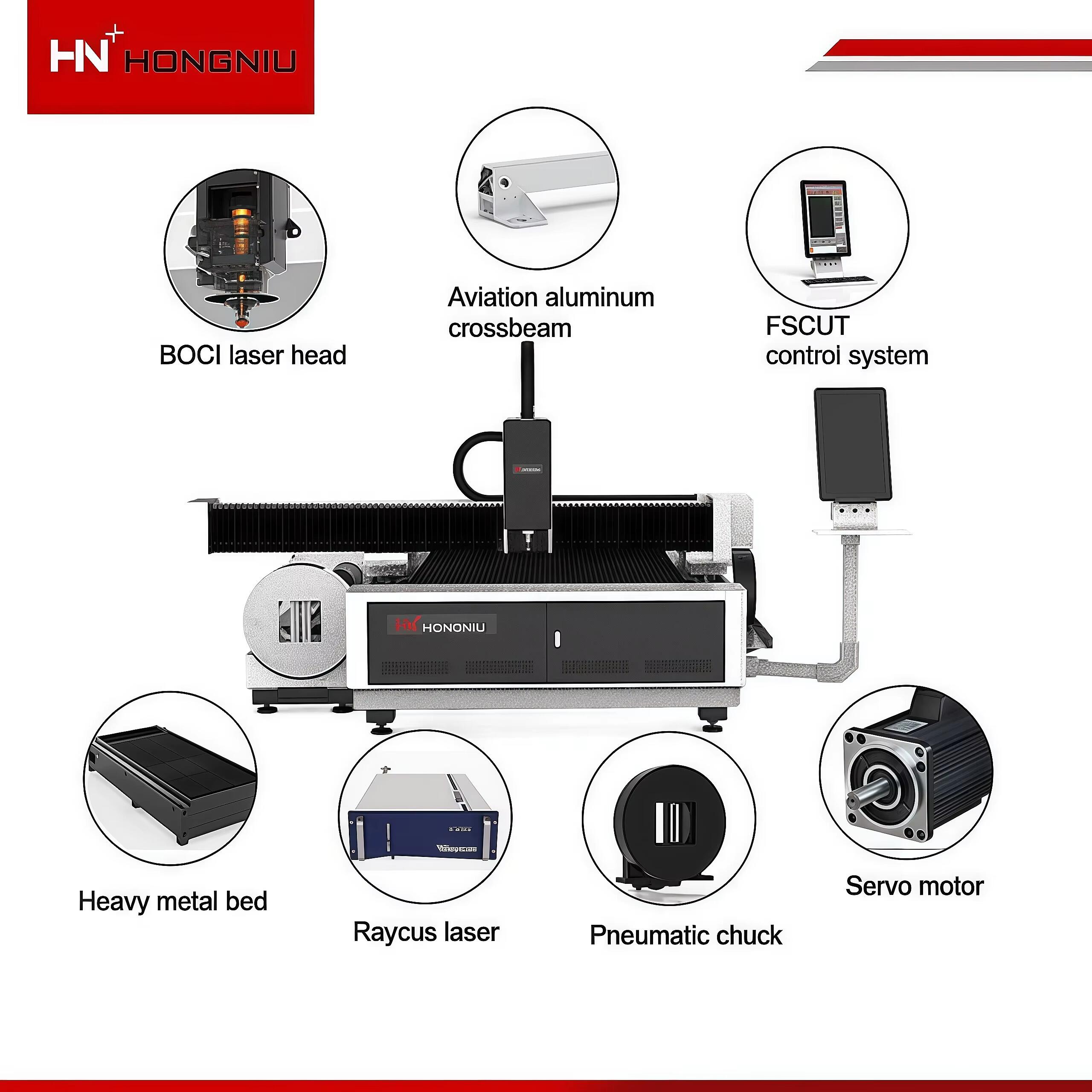
Exceptional Versatility Across Materials and Thicknesses
The remarkable versatility of a high quality laser cutting machine fundamentally transforms your production capabilities by enabling you to process an extensive range of materials and thicknesses using a single piece of equipment, eliminating the need for multiple specialized machines that consume valuable floor space and capital resources. Unlike mechanical cutting methods that require specific tooling for different material types and thicknesses, or plasma cutting systems that struggle with thin materials and non-conductive substances, laser cutting technology adapts seamlessly across metals including stainless steel, carbon steel, aluminum, copper, brass, and titanium, as well as non-metallic materials such as acrylic, wood, fabrics, leather, paper, and various composite materials. This material versatility empowers you to diversify your service offerings and pursue opportunities across multiple market segments without investing in separate processing equipment for each material category, effectively expanding your addressable market and revenue potential with a single strategic equipment acquisition. The ability to handle varying thicknesses without changeover delays proves equally valuable, as you can transition from cutting thin gauge sheet metal for electronics enclosures to processing thick plate for structural components simply by adjusting the laser parameters through the control interface, a process that takes seconds rather than the hours required to change dies or reconfigure mechanical systems. For job shops and contract manufacturers serving diverse customer bases, this versatility translates to improved scheduling flexibility and faster turnaround times, as you can sequence jobs based on delivery requirements rather than grouping similar materials together to minimize setup time, ultimately improving customer satisfaction and competitive positioning. The high quality laser cutting machine also excels at processing reflective materials like copper and brass that pose challenges for conventional laser systems, thanks to advanced laser sources and control algorithms that adapt power delivery to prevent beam reflection issues, opening applications in electrical components, decorative hardware, and artistic metalwork that might otherwise require outsourcing to specialized suppliers. Additionally, the capability to cut composite materials and sandwiched structures without delamination or layer separation expands your opportunities in aerospace, automotive, and architectural applications where these advanced materials deliver superior performance characteristics. The versatility extends to accommodating various sheet sizes and formats, with many systems offering interchangeable bed sizes or automated loading systems that handle both full sheets and remnant pieces efficiently, maximizing material utilization across your entire inventory of raw materials regardless of dimensions.