Introduction: Why Fiber Laser Cutting Dominates Modern Sheet-Metal Fabrication
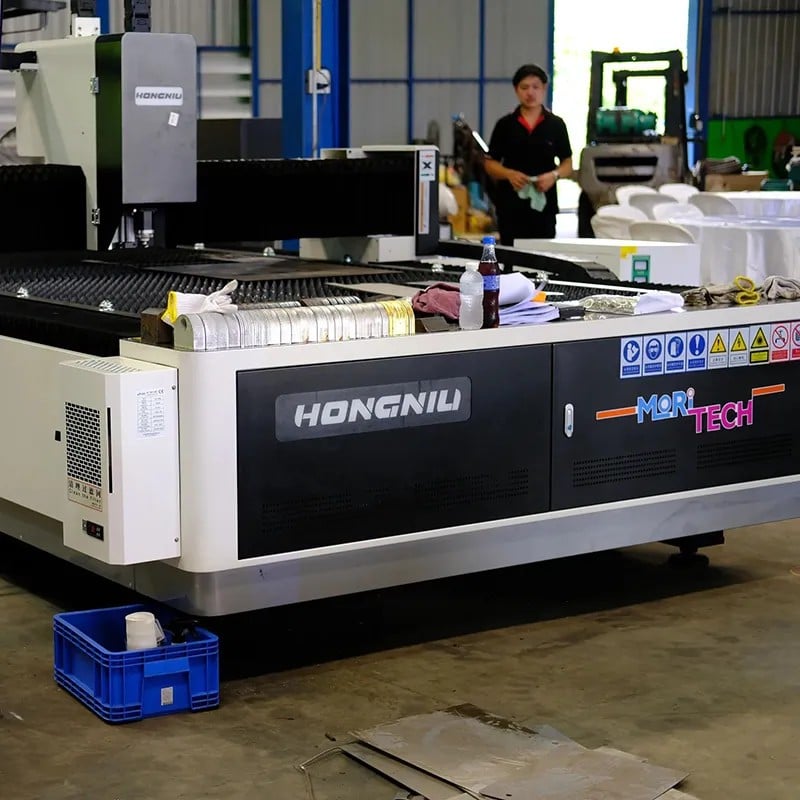
CNC fiber laser cutting machines have rapidly become the cornerstone of modern sheet-metal processing. Their rise is neither accidental nor temporary—the technology offers unmatched speed, precision, and operating efficiency compared to traditional CO₂, plasma, and mechanical cutting systems. For manufacturers handling materials such as stainless steel, carbon steel, aluminum, galvanized sheet, and iron, fiber lasers deliver clean edges, minimal heat distortion, and the flexibility to produce both simple and highly detailed components.
The shift toward fiber-laser technology reflects broader industry trends: increasing demand for customization, shorter production cycles, and higher accuracy requirements. Whether a workshop is producing furniture panels, machinery parts, kitchen equipment, or automotive components, the reliability and consistency of CNC fiber laser systems allow businesses to maintain competitive production standards while lowering costs.
How CNC Fiber Laser Cutting Technology Works
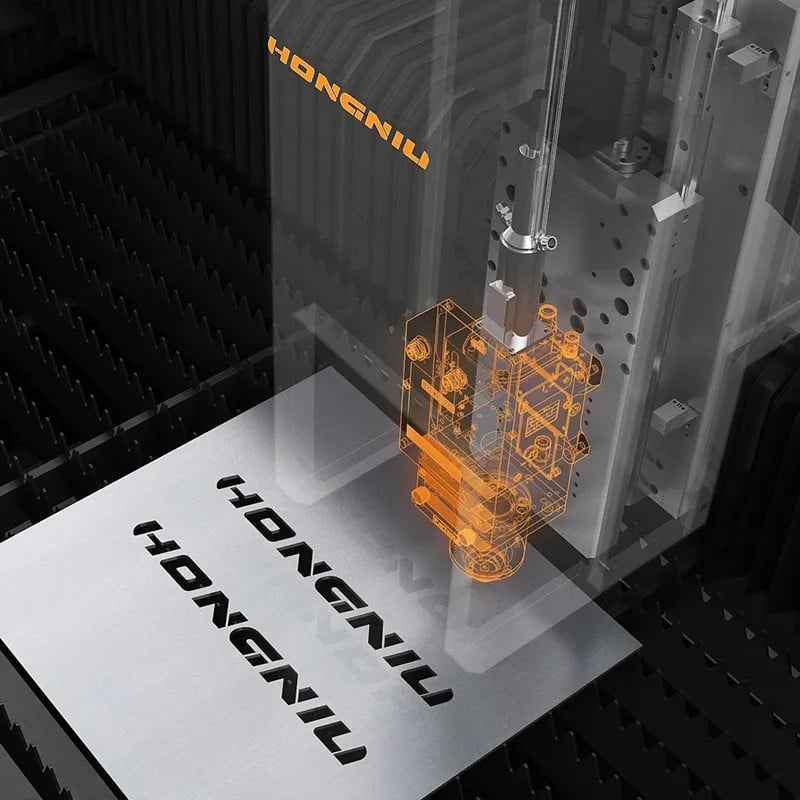
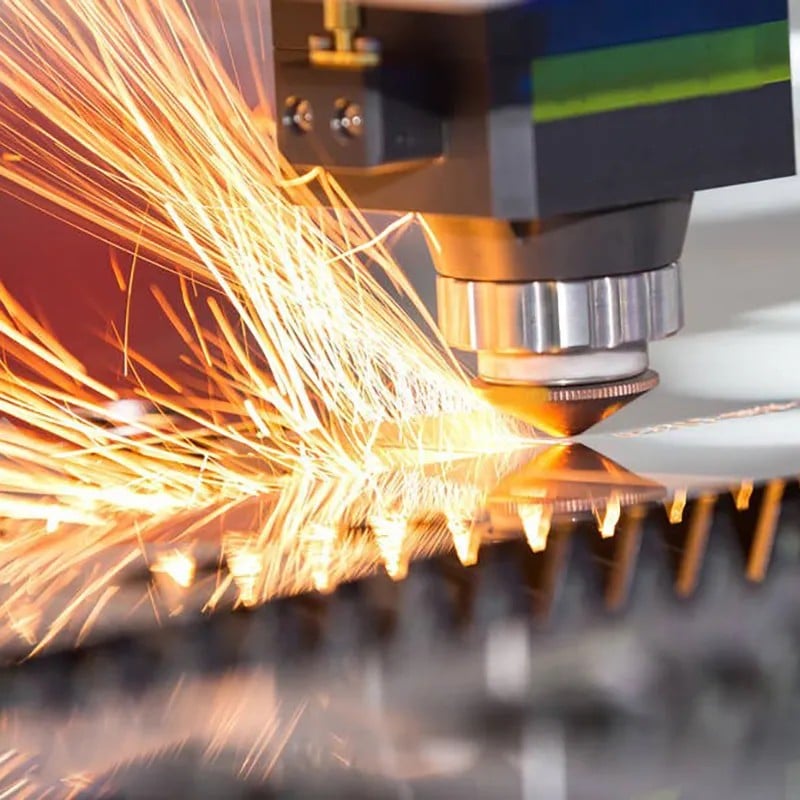
At the core of the machine is a fiber-generated laser beam transmitted through flexible fiber-optic cables. This beam is directed through the cutting head, where it is focused into an extremely fine point capable of melting or vaporizing metal instantly. The CNC control system manages every aspect of machine movement, from the X/Y gantry to feed rate and acceleration, ensuring highly accurate cuts even at high speeds.
Unlike CO₂ lasers, fiber lasers do not rely on mirrors or long optical paths. This reduces maintenance requirements and energy loss, making fiber systems far more efficient and stable during long production runs. Their robust mechanical design helps maintain accuracy across years of operation, making them a favored choice for workshops seeking long-term reliability.
Advantages That Make Fiber Lasers the Sheet-Metal Industry Standard
The dominance of fiber laser cutting machines is the result of several practical advantages that improve productivity and minimize production bottlenecks.
(1) High Cutting Precision and Repeatability
Fiber laser cutting machines are capable of extremely fine detail due to the small laser spot and stable beam quality. Features such as sharp interior corners, small holes, intricate logos, and decorative patterns are cut with exceptional consistency. Positioning accuracies often reach ±0.02 mm, ensuring that repeated batches maintain identical quality.
Precision is especially critical for industries like electrical enclosures, structural brackets, appliance components, and custom metal parts. Fiber lasers deliver not only dimensional accuracy but also clean edges that eliminate or greatly reduce the need for secondary finishing.
(2) Fast Cutting Speeds for Thin and Medium Sheets
Fiber lasers outperform most other cutting technologies when processing sheet metal between 1 mm and 20 mm. Their high energy efficiency allows them to maintain fast travel speeds and acceleration, resulting in short production cycles.
For example, a mid-power fiber laser can cut 3 mm carbon steel at extremely high speeds with smooth, burr-free edges. Even when cutting stainless steel or aluminum, fiber lasers maintain stable performance without overheating or warping the material.
(3) Low Operating Costs and Energy Consumption
One of the major reasons companies switch to fiber lasers is their lower operating cost. The electrical-to-light conversion rate of fiber lasers is far better than that of CO₂ systems, resulting in significant energy savings.
Additionally, fiber lasers have:
No moving mirrors
No laser gas consumption
Minimal routine maintenance
Long service life for key components
For workshops running machines multiple shifts or high-volume production, these savings accumulate quickly and improve overall profit margins.
(4) Excellent Material Flexibility
Fiber laser cutting machines work exceptionally well across a variety of metals:
Carbon steel — absorbs laser energy efficiently for fast cutting.
Stainless steel — produces clean, oxide-free edges with nitrogen assist gas.
Aluminum & alloys — reflective but cut effectively with advanced anti-reflection tech.
Galvanized steel — proper parameters prevent coating burn-off.
Iron sheet — similar behavior to carbon steel, highly reliable for precision parts.
This flexibility allows businesses to diversify their product offerings without investing in other cutting equipment.
Automation and Intelligent Features in Modern Fiber Laser Systems
Automated Loading and Unloading Systems
High-volume factories benefit greatly from automation platforms that load and unload sheet metal without operator intervention. This minimizes downtime, increases throughput, and enables extended-hours or unmanned operation for maximum machine utilization.
Adaptive Cutting and Real-Time Monitoring
Modern fiber lasers use intelligent tools to optimize process stability:
Auto-focus lens systems
Collision detection
Edge-seeking functions
Real-time power calibration
These smart features improve cutting reliability, reduce material waste, and extend consumable lifespan.
Applications Across Industries: How Fiber Lasers Shape Modern Manufacturing
Automotive and Transportation
Used for chassis components, reinforcement plates, brackets, and custom body parts that need high accuracy and repeatability.
Metal Furniture & Interior Decoration
Creates fine patterns, perforations, or artistic forms for modern furniture and architectural elements.
Construction and Architectural Solutions
Laser-cut steel panels, decorative screens, building façades, structural connectors, and railings.
Machinery & Industrial Equipment
Produces machine housings, protective covers, flanges, and equipment frames with robust precision.
Small Workshops & Customized Fabrication
Ideal for signage, prototypes, replacement parts, small-batch production, and creative custom work.
Conclusion: Why Fiber Laser Cutting Is the Future of Sheet-Metal Processing
Fiber laser cutting machines represent a major leap forward in manufacturing efficiency. Their precision, speed, low operating cost, and versatility make them the most logical long-term investment for workshops of all sizes. As industries continue to shift toward automation, custom production, and faster delivery cycles, fiber laser cutting systems will remain at the center of sheet-metal manufacturing.
 EN
EN