CNC Fiber Laser Cutting Machine Price Guide - Compare Costs, Features & ROI Benefits

Get A Quote
Get A Quote

cnc fiber laser cutting machine price

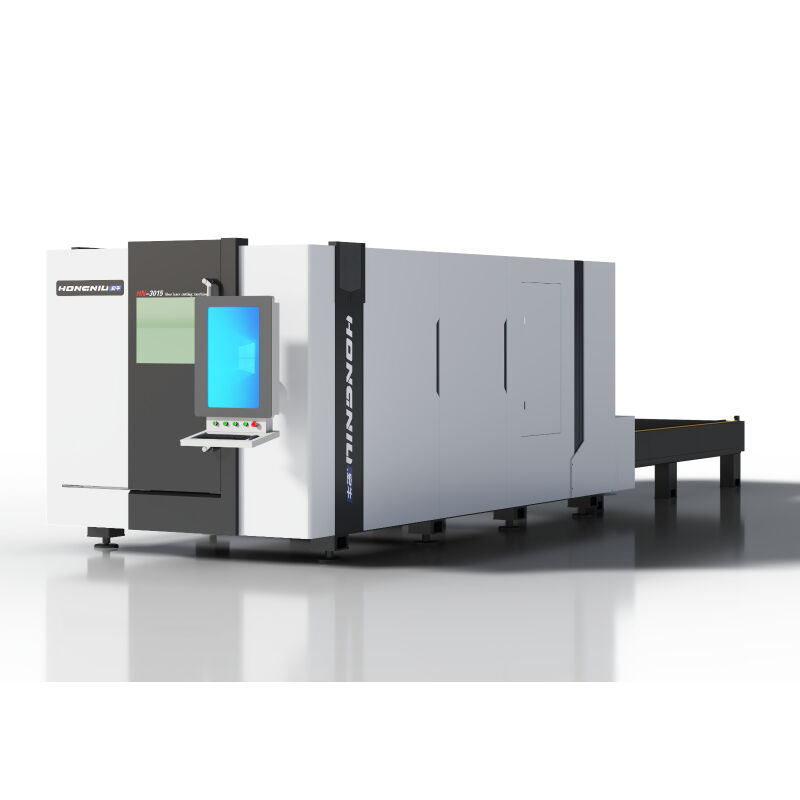
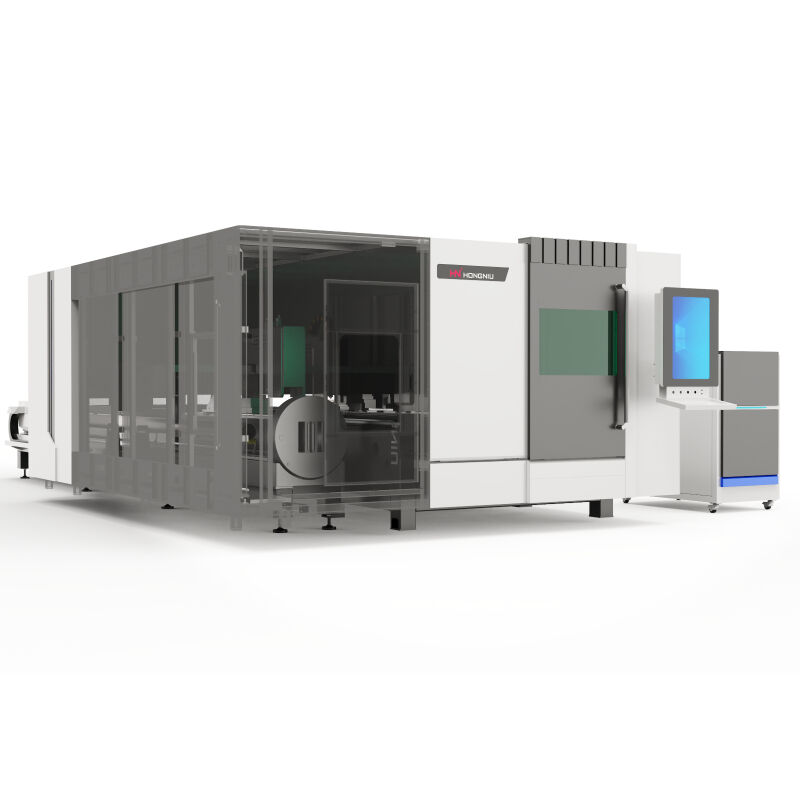
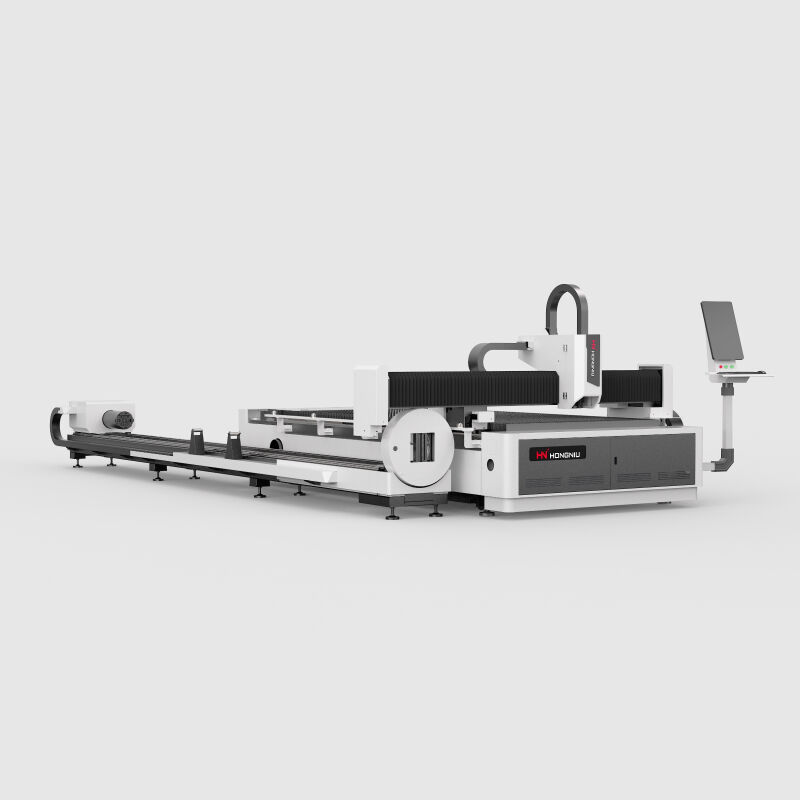
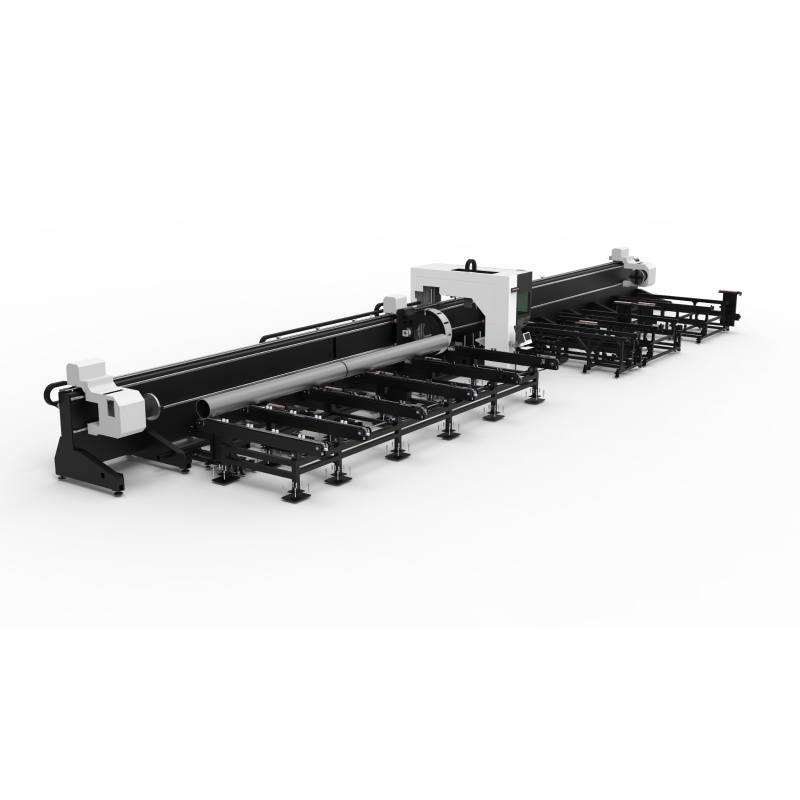
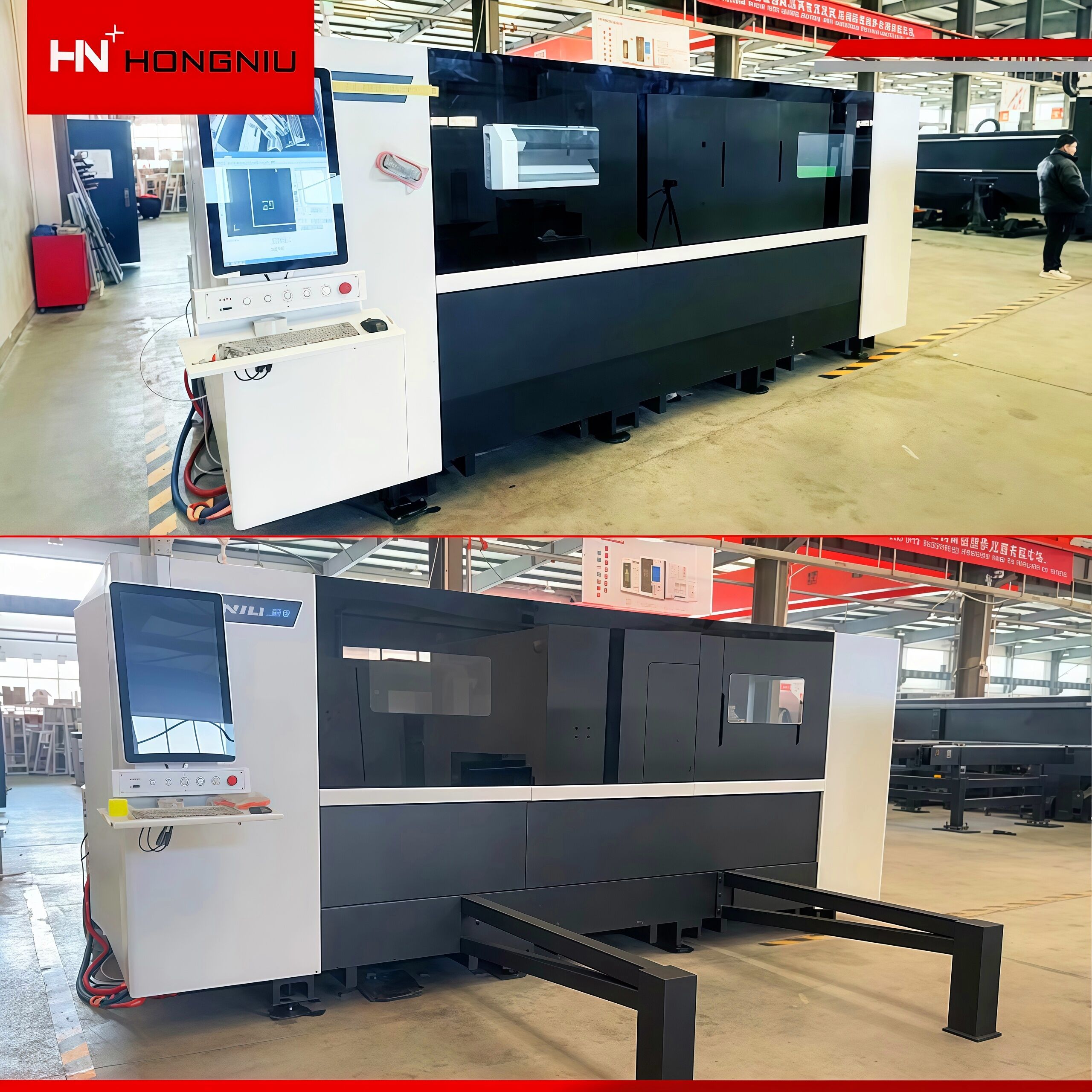
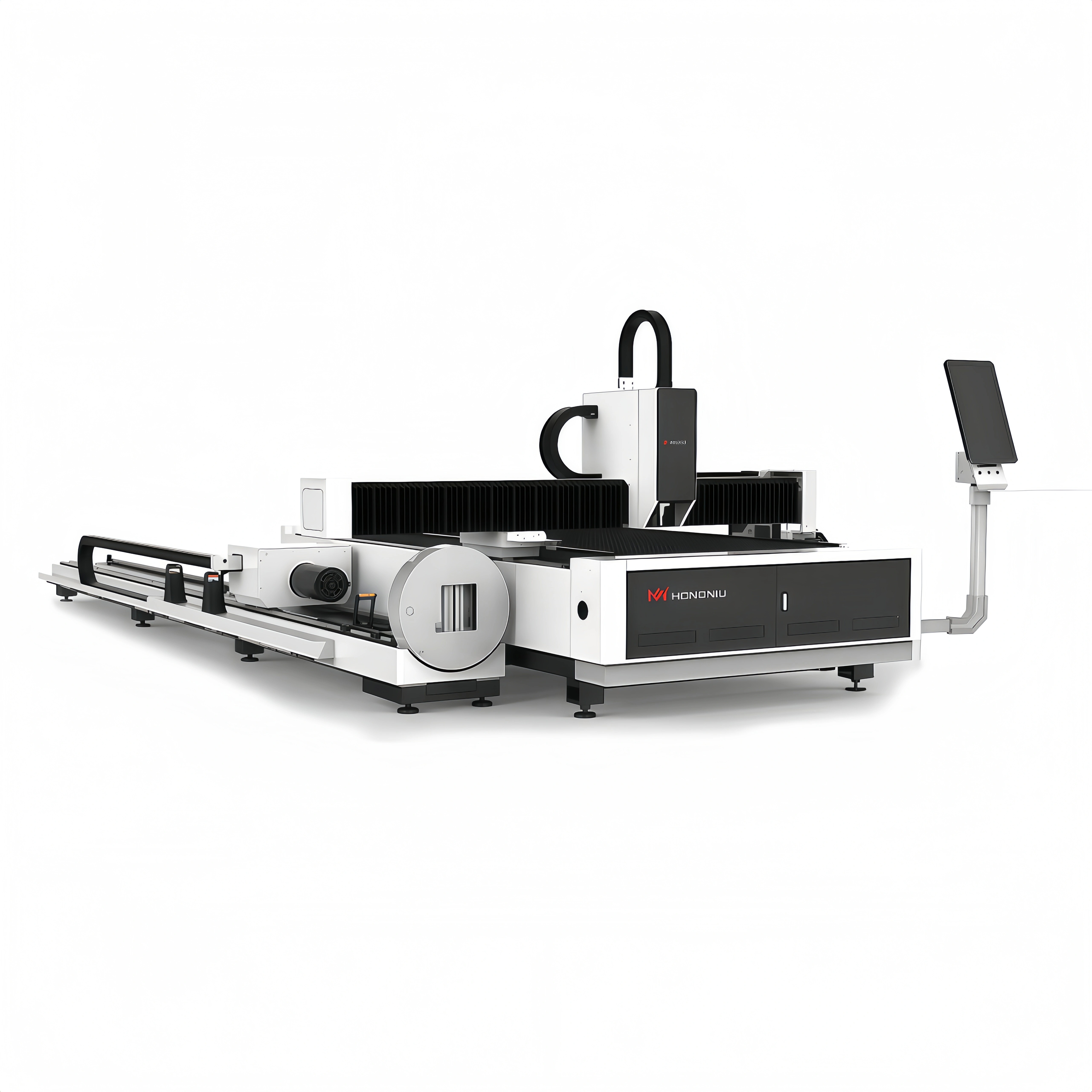
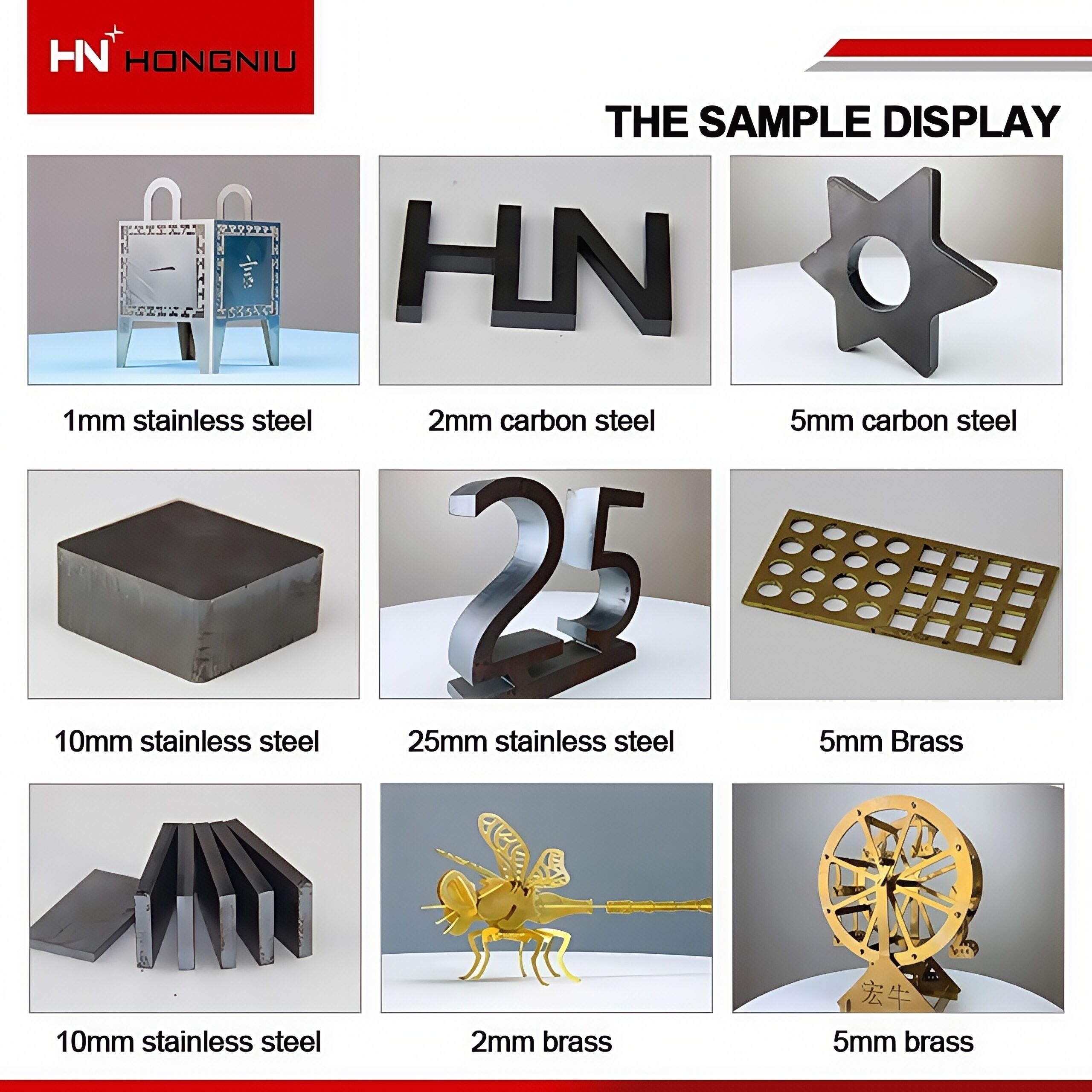
Understanding CNC fiber laser cutting machine price requires examining the sophisticated technology and capabilities these industrial tools deliver to modern manufacturing operations. CNC fiber laser cutting machines represent a significant investment that combines precision engineering with advanced laser technology to provide exceptional cutting performance across various materials. The price range for these machines typically spans from $30,000 for entry-level models to over $500,000 for industrial-grade systems with advanced features. When evaluating CNC fiber laser cutting machine price, buyers must consider the core functions that justify the investment, including the ability to cut through metals like stainless steel, aluminum, brass, copper, and carbon steel with remarkable accuracy. These machines utilize fiber optic technology to generate a concentrated laser beam that melts, burns, or vaporizes material along programmed cutting paths. The technological features embedded within these systems include automatic focusing mechanisms, real-time height sensing, advanced motion control systems, and sophisticated software that translates CAD designs into precise cutting instructions. Modern CNC fiber laser cutting machines offer cutting speeds up to 100 meters per minute depending on material thickness and type, positioning accuracy within 0.03mm, and the capability to handle sheet materials ranging from 0.5mm to 25mm thickness. Applications span numerous industries including automotive manufacturing, aerospace component production, architectural metalwork, signage fabrication, electronics enclosures, medical device manufacturing, and custom metal fabrication shops. The CNC fiber laser cutting machine price reflects not only the hardware components but also the integrated software systems, servo motor quality, laser source power output measured in watts, working table size, and automation features like automatic loading and unloading systems that enhance productivity and reduce labor costs over the machine's operational lifetime.
Investing in a CNC fiber laser cutting machine delivers tangible benefits that directly impact your production efficiency and bottom line profitability. The primary advantage centers on exceptional cutting precision that eliminates costly material waste and reduces the need for secondary finishing operations. You can achieve clean edges and intricate patterns that would be impossible or extremely time-consuming with traditional cutting methods. The operational costs associated with CNC fiber laser cutting machines remain significantly lower compared to CO2 laser systems because fiber lasers convert electrical energy to laser light more efficiently, resulting in reduced electricity consumption and lower utility bills each month. Maintenance requirements prove minimal since fiber laser technology contains fewer optical components that require alignment or replacement, meaning your machine spends more time cutting and less time sitting idle for repairs. The CNC fiber laser cutting machine price includes technology that operates at higher speeds than plasma or waterjet cutting systems, allowing you to complete more jobs in less time and accept larger order volumes without expanding your workforce. You gain flexibility to work with multiple material types and thicknesses without changing tools or making complex adjustments, enabling quick transitions between different projects throughout your workday. The automated nature of CNC operation means one trained operator can manage the cutting process while attending to other tasks, optimizing labor utilization and reducing per-part production costs. Your business benefits from improved workplace safety since the cutting process occurs within an enclosed environment, protecting operators from sparks, fumes, and direct laser exposure. The precision cutting capability reduces material consumption by maximizing nesting efficiency and minimizing scrap, directly improving material yield rates and lowering raw material expenses. When you evaluate CNC fiber laser cutting machine price against these operational advantages, the return on investment becomes clear through reduced waste, lower energy costs, minimal maintenance expenses, faster production cycles, and the ability to take on more complex and profitable projects. The technology also positions your business competitively by enabling you to deliver higher quality finished products with shorter lead times than competitors using older cutting technologies. The initial investment in CNC fiber laser cutting machine price pays dividends through enhanced production capacity, improved product quality, reduced operational expenses, and expanded market opportunities that drive long-term business growth and sustainability.

Latest News

How Fiber Laser Cutting Machines Reduce Production Costs?

12

May

How Fiber Laser Cutting Machines Reduce Production Costs?

In the competitive landscape of industrial manufacturing, cost optimization is the bridge between a struggling workshop and a market-leading enterprise. For B2B firms specializing in metal fabrication, the equipment on the factory floor dictates the...
View More
Why CNC Laser Cutting Machines Improve Production Consistency?

12

May

Why CNC Laser Cutting Machines Improve Production Consistency?

In the modern manufacturing landscape, the transition from manual fabrication to automated systems has redefined the benchmarks for quality. For B2B industrial firms, the ability to deliver ten thousand identical parts is just as important as the abi...
View More
How Does a Laser for Cutting Machine Work in Metal Processing?

12

May

How Does a Laser for Cutting Machine Work in Metal Processing?

Understanding the operational mechanics of a laser for cutting machine in metal processing requires examining the sophisticated interplay of light amplification, beam focusing, and thermal energy transfer. These advanced manufacturing systems utilize...
View More
How a Laser Welder Machine Improves Welding Precision

08

May

How a Laser Welder Machine Improves Welding Precision

Welding precision has become a critical differentiator in modern manufacturing, where tolerances are measured in microns and defect rates must approach zero. Traditional welding methods, while effective for many applications, often struggle to delive...
View More

Get a Free Quote

Our representative will contact you soon.
0/1000
Advanced Laser Power Options That Match Your Production Needs

Advanced Laser Power Options That Match Your Production Needs

The CNC fiber laser cutting machine price varies significantly based on laser power output, which directly determines the material thickness and cutting speed your machine can achieve. Entry-level machines typically offer 1000-watt to 1500-watt laser sources suitable for thin materials up to 6mm, while mid-range systems provide 3000-watt to 4000-watt sources capable of cutting materials up to 12mm thickness efficiently. High-power industrial models feature 6000-watt to 12000-watt or even 20000-watt laser sources that slice through thick plates up to 25mm or more with impressive speed and quality. Understanding your specific production requirements helps you select the appropriate power level and avoid overpaying for capabilities you will not utilize or underinvesting in insufficient power that limits your operational flexibility. The laser source itself represents a substantial component of the overall CNC fiber laser cutting machine price, with higher wattage systems commanding premium prices due to the advanced technology and components required to generate and maintain powerful laser beams. Premium fiber laser sources from manufacturers like IPG, Raycus, or MAX deliver superior beam quality, longer operational lifespans exceeding 100,000 hours, and consistent performance that minimizes downtime and maximizes productivity. The beam quality factor, measured as M2 value, affects cutting precision and edge quality, with lower M2 values producing finer beams that create cleaner cuts with minimal heat-affected zones. When comparing CNC fiber laser cutting machine price across different suppliers, examine the laser source brand, warranty coverage, power stability specifications, and expected service intervals to understand the true value proposition. Higher-quality laser sources maintain consistent power output over extended periods, ensuring your parts meet quality standards throughout production runs without constant recalibration or adjustment. The ability to scale laser power based on material and thickness optimizes cutting efficiency, as the machine automatically adjusts power levels to deliver optimal results while minimizing energy consumption and extending consumable component lifespan. This intelligent power management contributes to lower operational costs that offset the initial CNC fiber laser cutting machine price over the equipment's productive years of service.
Precision Motion Control Systems Ensuring Consistent Quality

Precision Motion Control Systems Ensuring Consistent Quality

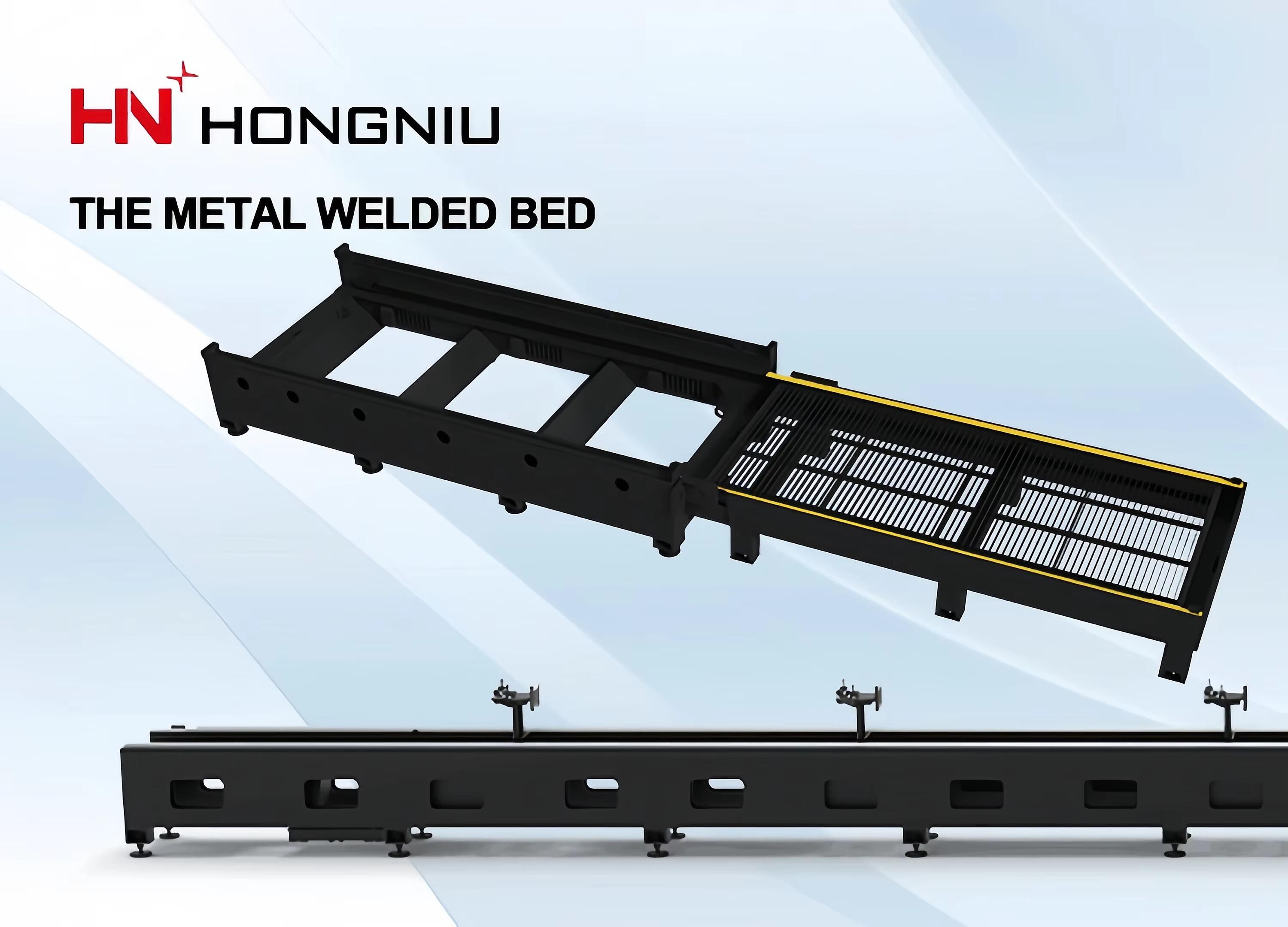
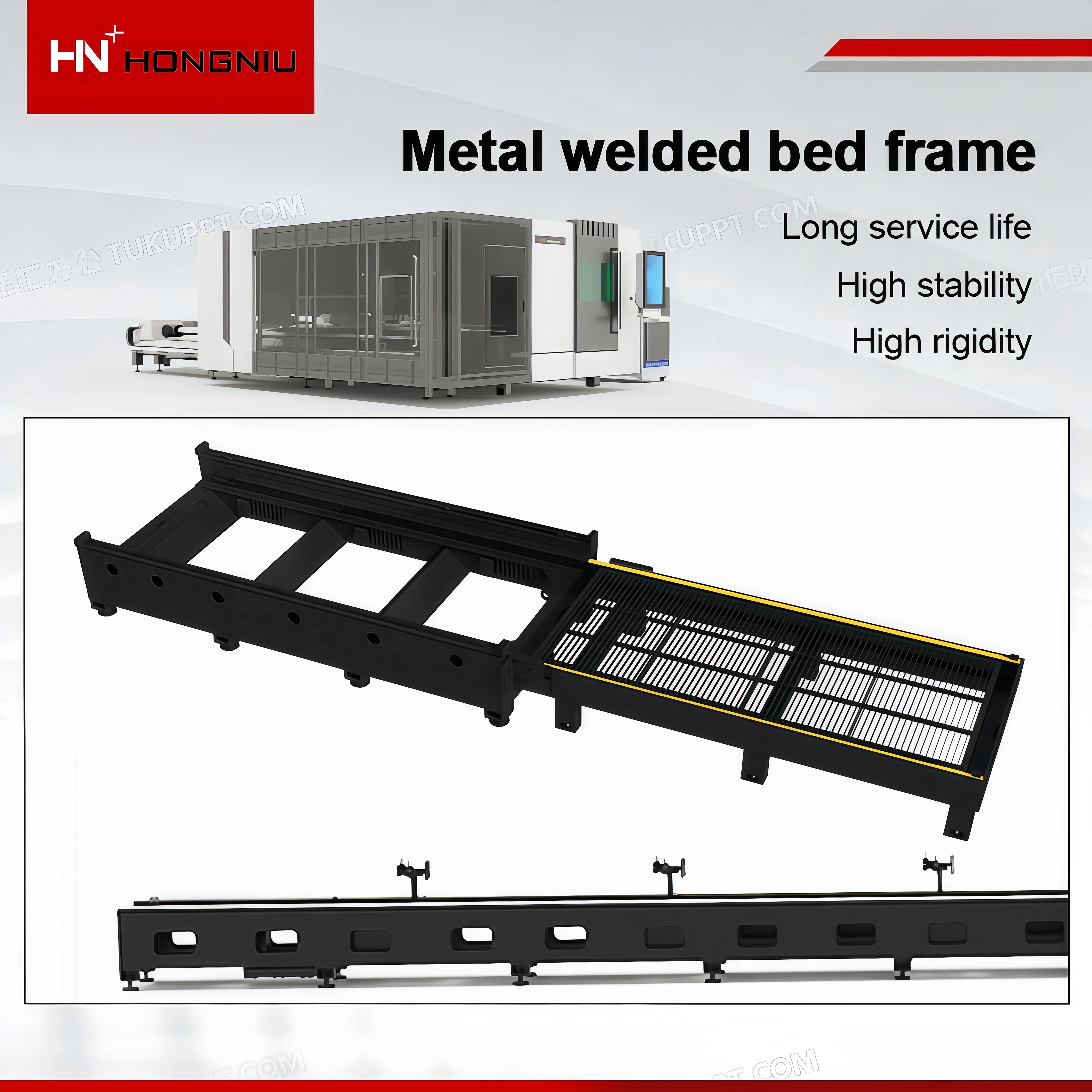
The motion control system forms the mechanical foundation that translates digital designs into physical cuts, making it a critical factor in CNC fiber laser cutting machine price evaluation. High-quality machines incorporate precision linear guides, rack-and-pinion or servo-driven ball screw drive systems, and robust gantry structures manufactured from welded steel that undergoes stress-relief treatment to eliminate internal tensions that could cause dimensional instability over time. The positioning accuracy and repeatability specifications directly impact the quality of finished parts, with professional-grade systems achieving positioning accuracy within plus or minus 0.03mm and repeatability within 0.02mm across the entire working envelope. These tight tolerances ensure that complex parts with multiple features align perfectly and that identical parts cut at different times or locations on the cutting bed remain consistent within acceptable quality parameters. The acceleration and deceleration capabilities of the motion system determine how quickly the cutting head can change direction during intricate cutting patterns, with higher-performance systems reaching acceleration rates of 1.5G or more, enabling faster cutting of complex geometries without sacrificing edge quality. The CNC fiber laser cutting machine price reflects the quality of servo motors, drive amplifiers, and motion controllers that orchestrate the synchronized movement of multiple axes while maintaining the precise focal point relationship between the laser beam and material surface. Advanced systems incorporate automatic height sensing using capacitive sensors that continuously monitor and adjust the distance between the cutting nozzle and material surface, maintaining optimal focal position even when cutting warped or uneven materials. This adaptive capability prevents collisions that could damage the cutting head and ensures consistent cut quality regardless of material flatness variations. The control system software represents sophisticated engineering that manages acceleration profiles, corner speed optimization, and laser power modulation synchronized with cutting speed to prevent overheating at sharp corners while maintaining adequate cutting energy along straight sections. When evaluating CNC fiber laser cutting machine price, investigate the motion control brand, whether it uses domestic or imported components, the rated travel speeds, and acceleration specifications, as these factors directly influence productivity, cut quality consistency, and long-term mechanical reliability that affects total cost of ownership beyond the initial purchase price.
Comprehensive Automation Features Maximizing Operational Efficiency

Comprehensive Automation Features Maximizing Operational Efficiency

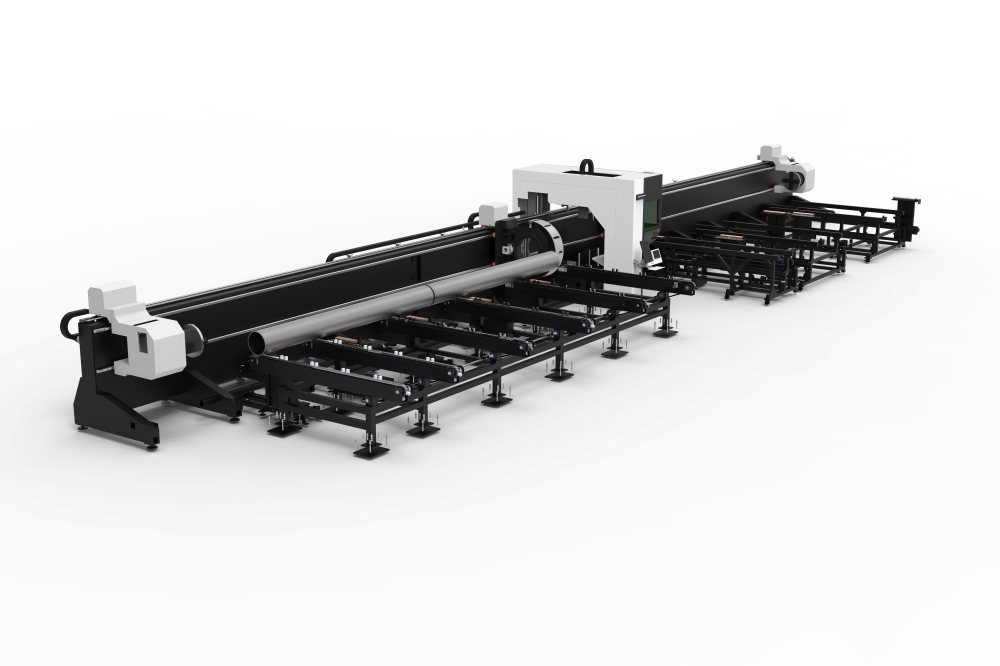
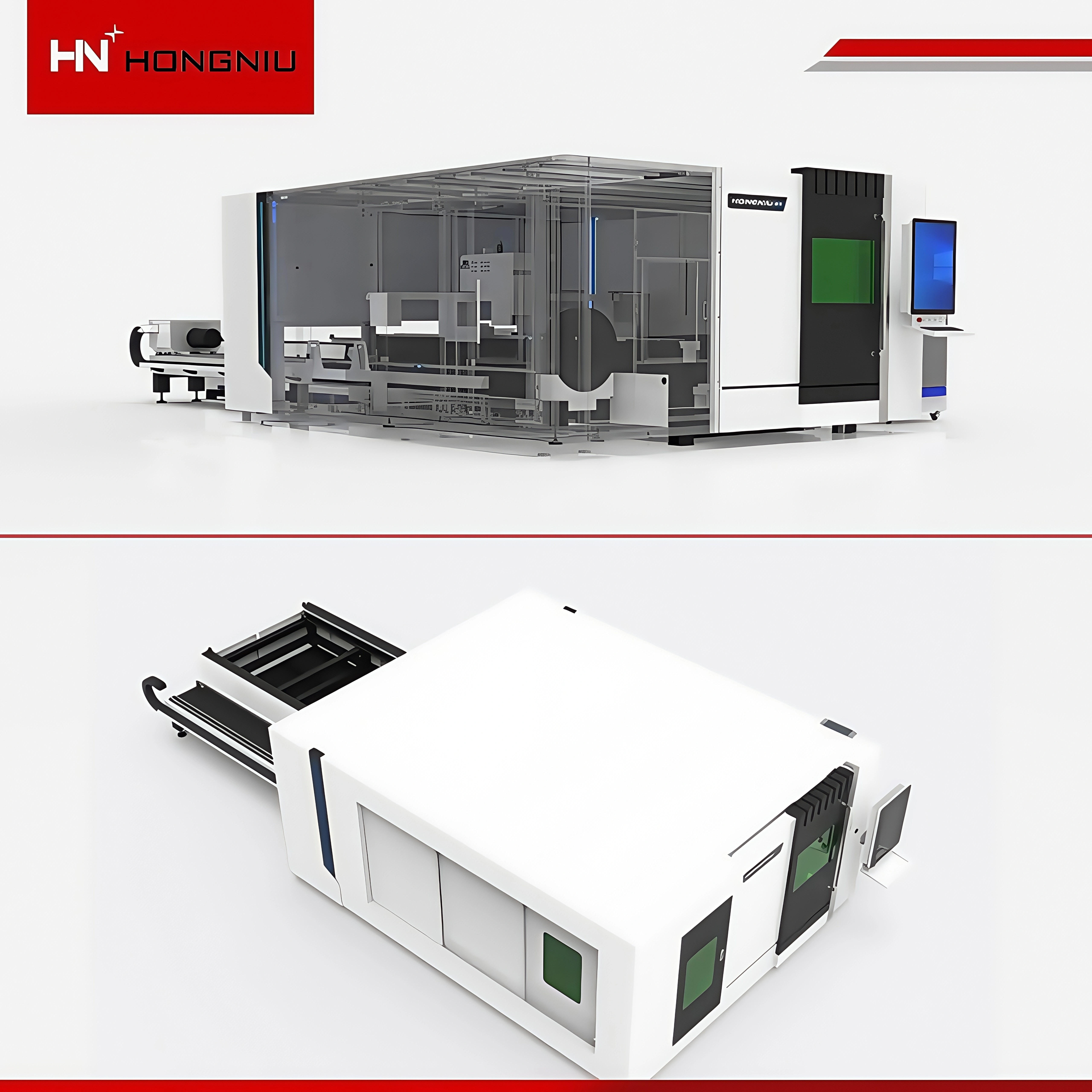
Modern CNC fiber laser cutting machines incorporate automation features that significantly impact productivity and labor costs, justifying variations in CNC fiber laser cutting machine price across different models and manufacturers. Entry-level systems provide manual loading and unloading, requiring operators to physically place material sheets on the cutting table and remove finished parts after cutting completes, limiting throughput to the physical handling capacity of your workforce. Mid-range machines often include exchange tables or shuttle table designs where one table position moves into the cutting area while the operator loads material on the secondary table position, reducing non-productive time and nearly doubling effective machine utilization compared to manual systems. High-end industrial systems feature fully automated material handling with robotic loading systems, automatic sheet separators that peel individual sheets from stacked material bundles, and conveyor systems that transport finished parts to sorting stations without operator intervention. These automation features dramatically reduce labor requirements per part, allowing one operator to supervise multiple machines simultaneously while maintaining consistent production output. The CNC fiber laser cutting machine price for automated systems reflects the sophisticated mechanical and control integration required to coordinate material handling equipment with cutting operations, including safety interlocks, sensor systems, and programmable logic controllers that manage the complete production workflow. Automated nozzle changing systems represent another valuable feature where the machine automatically selects and installs the appropriate cutting nozzle based on material type and thickness parameters programmed in the job file, eliminating manual nozzle changes that consume time and introduce opportunities for operator error or improper nozzle selection. Integrated dust collection and fume extraction systems maintain clean working environments and protect sensitive optical components from contamination, extending service intervals and reducing maintenance costs over the machine's operational lifetime. Advanced software features including automatic nesting algorithms optimize material utilization by intelligently arranging parts on raw material sheets to minimize scrap, automatic remnant management that tracks usable leftover material pieces for future jobs, and production scheduling modules that sequence jobs to maximize machine uptime and minimize setup changes. The return on investment for higher CNC fiber laser cutting machine price models with comprehensive automation becomes evident when calculating labor cost savings, increased production capacity, improved material yield rates, and reduced quality defects attributable to human error, particularly for businesses processing high volumes or operating multiple shifts where labor costs represent substantial ongoing expenses that compound over years of operation.