 EN
EN

Wybór odpowiedniego laser do maszyny tnącej wybór maszyny do cięcia laserowego stanowi decyzję krytyczną, która bezpośrednio wpływa na produktywność produkcji, jakość cięcia oraz koszty operacyjne. Nowoczesna przemysłowa technologia cięcia laserowego obejmuje kilka różnych typów laserów, z których każdy został zaprojektowany z uwzględnieniem konkretnych cech pozwalających na efektywne cięcie określonych materiałów, przy danej grubości oraz z wymaganą precyzją. Zrozumienie tych technologii laserowych umożliwia producentom zoptymalizowanie procesów cięcia i osiągnięcie doskonałych rezultatów w różnorodnych zastosowaniach.
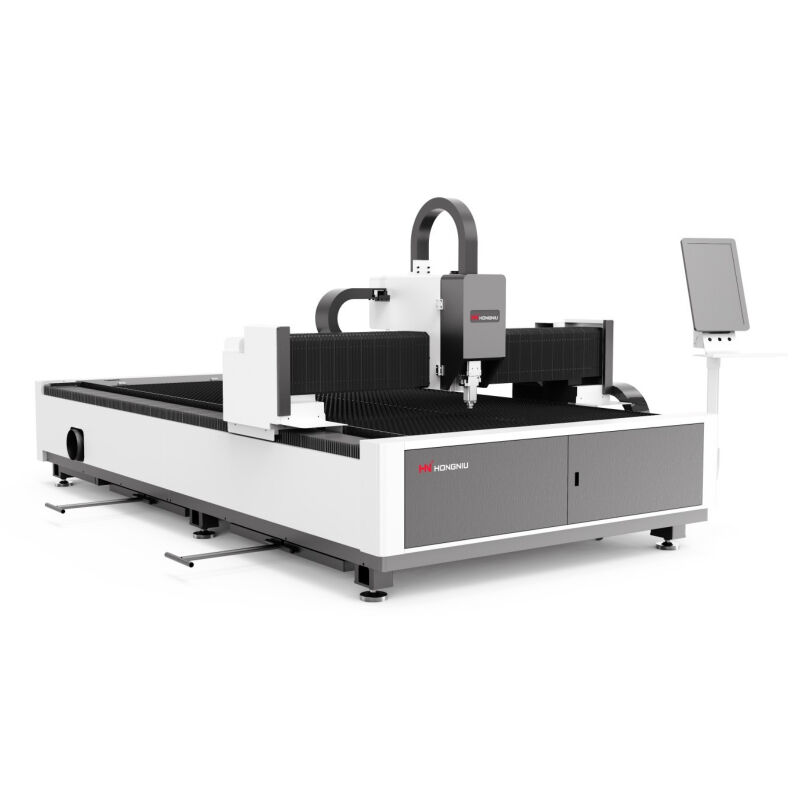
Krajobraz technologii cięcia laserowego znacząco się zmienił, przy czym każdy typ lasera oferuje unikalne zalety w konkretnych zastosowaniach przemysłowych. Od laserów włóknikowych, które świetnie sprawdzają się w obróbce metali, po systemy CO₂ zoptymalizowane do cięcia materiałów niemetalicznych — wybór odpowiedniego lasera do maszyn tnących zależy od wielu czynników, takich jak skład materiału, zakres jego grubości, wymagane prędkości cięcia oraz specyfikacje dotyczące dokładności. Niniejsza kompleksowa analiza omawia główne obecnie dostępne technologie laserowe oraz ich optymalne scenariusze zastosowania.
Technologia laserów CO₂ do zastosowań tnących
Zasady działania i cechy charakterystyczne
Lasery CO2 generują spójne światło poprzez wzbudzanie mieszaniny gazów zawierającej dwutlenek węgla, zwykle produkując długości fal około 10,6 mikrometra w zakresie podczerwieni. Ta technologia laserowa do maszyn tnących wykorzystuje zamkniętą rurkę zawierającą gazy: CO2, azot i hel, w której wyładowanie elektryczne generuje wiązkę laserową. Dłuższa długość fali laserów CO2 czyni je szczególnie skutecznymi przy obróbce materiałów niemetalicznych, ponieważ materiały te łatwo pochłaniają promieniowanie podczerwone o tej częstotliwości.
Jakość wiązki systemów laserowych CO2 mieści się zwykle w zakresie od bardzo dobrej do dobrej, umożliwiając precyzyjne cięcie przy minimalnej strefie wpływu ciepła, o ile system został odpowiednio skonfigurowany. Moc wyjściowa zwykle zawiera się w przedziale od 40 watów dla zastosowań małoskalowych do kilku kilowatów w środowiskach przemysłowej produkcji. Sprawność systemów laserowych CO2 do maszyn tnących mieści się ogólnie w zakresie 10–15%, co wymaga zastosowania wydajnych systemów chłodzenia do odprowadzania ciepła odpadowego podczas długotrwałej pracy.
Zgodność z materiałami i możliwości przetwarzania
Technologia cięcia laserem CO2 wykazuje wyjątkową skuteczność w obróbce szerokiej gamy materiałów niemetalicznych, stając się preferowanym rozwiązaniem w wielu zastosowaniach specjalistycznych. Materiały organiczne, takie jak drewno, akryl, skóra i tekstylia, szczególnie dobrze reagują na obróbkę laserem CO2, umożliwiając uzyskanie czystych cięć z zapieczonymi krawędziami, które często nie wymagają dodatkowej obróbki wykańczającej. Lasery do maszyn tnących przeznaczone do tych materiałów korzystają z doskonałych właściwości pochłaniania promieniowania w zakresie długości fali CO2.
Możliwości cięcia pod względem grubości w systemach CO2 różnią się znacznie w zależności od rodzaju materiału oraz mocy lasera. W przypadku systemów CO2 o wysokiej mocy można przetwarzać płyty akrylowe o grubości do 25 mm, natomiast w zastosowaniach związanych z cięciem drewna możliwe jest przetwarzanie materiałów o grubości zbliżonej do 20 mm – w zależności od gęstości i gatunku drewna. Papier i tektura mogą być przetwarzane z dużą prędkością przy minimalnym zużyciu mocy, co czyni technologię laserów CO2 do maszyn tnących idealnym rozwiązaniem w zastosowaniach opakowaniowych oraz w grafice.
Scenariusze zastosowań przemysłowych
Przemysł reklamowy i znakowy szeroko wykorzystuje cięcie laserem CO₂ do tworzenia precyzyjnych napisów, logo oraz elementów dekoracyjnych z akrylu, drewna i materiałów kompozytowych. Zastosowania te korzystają z gładkiego wykończenia krawędzi oraz minimalnych wymagań dotyczących obróbki końcowej, charakterystycznych dla operacji cięcia za pomocą maszyn laserowych CO₂. Możliwość jednoczesnego cięcia i grawerowania materiałów w jednej konfiguracji stanowi istotną wartość dodaną w produkcji niestandardowych tablic reklamowych.
Przemysł tekstylny i mody wykorzystuje systemy laserowe CO₂ do precyzyjnego cięcia wzorów, przygotowywania aplikacji oraz przetwarzania materiałów włókienniczych tam, gdzie tradycyjne metody mechanicznego cięcia okazują się niewystarczające. Efekt zapieczonych krawędzi uzyskany dzięki cięciu laserowemu zapobiega podszywaniu się wielu rodzajów tkanin, eliminując konieczność stosowania dodatkowych procesów wykańczania krawędzi. To zastosowanie maszyn laserowych do cięcia umożliwia realizację skomplikowanych wzorów geometrycznych oraz szczegółów o takiej subtelności, jakiej nie da się osiągnąć metodami cięcia konwencjonalnego.
Systemy cięcia laserem włóknowym
Podstawa technologiczna i cechy wiązki laserowej
Technologia laserów włóknowych stanowi najnowszy postęp w dziedzinie laserów stosowanych w maszynach do cięcia, wykorzystując domieszkowane rzadkimi ziemiami światłowody jako ośrodek wzmacniający do generowania spójnego światła o długości fali około 1,064 mikrometra. To rozwiązanie oparte na ciele stałym eliminuje konieczność obsługi gazów charakterystyczną dla systemów CO₂, zapewniając przy tym wyższą sprawność elektryczną – typowo osiągając sprawność całkowitą (wall-plug efficiency) na poziomie 25–30%. Kompaktowa konstrukcja oraz mniejsze wymagania serwisowe czynią lasery włóknowe coraz bardziej atrakcyjnym wyborem w środowiskach produkcyjnych o wysokim wolumenie.
Jakość wiązki systemów laserów włókienkowych osiąga zawsze wartości bliskie idealnym, umożliwiając uzyskanie bardzo małych rozmiarów plamki oraz skoncentrowanie mocy o wysokiej gęstości. Ta cecha pozwala zastosować lasery włókienkowe w maszynach tnących do osiągania szybszych prędkości cięcia i lepszej jakości krawędzi w porównaniu z alternatywnymi technologiami podczas obróbki materiałów metalowych. Konstrukcja stanowiska stałofazowego zapewnia doskonałą stabilność wiązki oraz stałą moc wyjściową przez długie okresy pracy.
Zalety przetwarzania metali
Materiały metaliczne wykazują wyjątkowe właściwości pochłaniania w zakresie długości fali lasera włóknianego, co czyni te systemy szczególnie skutecznymi przy obróbce stali, aluminium, miedzi oraz egzotycznych stopów. Krótsza długość fali w porównaniu do systemów CO₂ umożliwia efektywną obróbkę metali odbijających światło, które tradycyjnie stanowiły wyzwanie dla operacji cięcia laserowego. Cięcie stali nierdzewnej za pomocą lasera włóknianego w systemach maszyn tnących zapewnia doskonałą jakość krawędzi przy minimalnym powstawaniu gruzu w zakresie grubości od cienkich blach aż do 25 mm lub więcej, w zależności od poziomu mocy.
Przetwarzanie stali węglowej korzysta z wysokiej gęstości mocy osiąganej za pomocą systemów laserowych włókienkowych, co umożliwia prędkości cięcia znacznie wyższe niż w przypadku alternatywnych systemów CO₂ przy jednoczesnym zachowaniu doskonałej jakości cięcia. Precyzyjna kontrola ilości ciepła wprowadzanego przez technologię laserową włókienkową do maszyn tnących minimalizuje strefy wpływane cieplnie i ogranicza ryzyko odkształceń termicznych w precyzyjnych elementach. Przetwarzanie aluminium, które historycznie stanowiło wyzwanie ze względu na problemy związane z jego odbijalnością, staje się bardzo wydajne przy użyciu systemów laserowych włókienkowych.
Korzyści z integracji produkcji
Wymagania serwisowe systemów tnących laserem włókienkowym są znacznie mniejsze niż w przypadku alternatywnych systemów CO₂, co eliminuje konieczność uzupełniania gazów, regulacji zwierciadeł oraz częstej wymiany komponentów. Ta niezawodność przekłada się na wyższy odsetek czasu gotowości do pracy oraz niższe koszty operacyjne w całym cyklu życia systemu. Kompaktowa konstrukcja źródła lasera umożliwia bardziej elastyczne konfiguracje maszyn oraz zmniejsza wymagania dotyczące powierzchni zajmowanej w obiekcie. laser do maszyny tnącej instalacji.
Zalety efektywności energetycznej systemów laserów włókienkowych przyczyniają się do obniżenia kosztów eksploatacji oraz wpływu na środowisko w porównaniu z alternatywnymi technologiami. Natychmiastowa gotowość do pracy eliminuje okresy rozgrzewania, umożliwiając natychmiastowe rozpoczęcie produkcji oraz poprawę wykorzystania energii podczas cykli pracy przerywanej. Te cechy czynią technologię laserów włókienkowych do cięcia szczególnie odpowiednią dla środowisk produkcyjnych opartych na metodzie lean manufacturing, skupionych na efektywności operacyjnej.
Technologie laserów Nd:YAG i dyskowych
Charakterystyka laserów domieszkowanych neodymem
Systemy laserowe Nd:YAG (neodymowo-domieszkowany granat itrowo-glinowy) działają przy długościach fal podobnych do laserów włókienkowych, ale wykorzystują krystaliczne pręty jako ośrodek wzmacniający zamiast konstrukcji opartej na światłowodzie. Te lasery stosowane w maszynach do cięcia generują zwykle fale o długości ok. 1,064 mikrometra poprzez optyczne pompowanie jonów neodymu w matrycy kryształu YAG. Konstrukcja stanowiska stałego zapewnia doskonałą jakość wiązki oraz stabilność mocy, choć wymaga innych rozwiązań w zakresie zarządzania ciepłem niż alternatywne lasery włókienkowe.
Skalowanie mocy w systemach Nd:YAG napotyka ograniczenia praktyczne spowodowane efektami cieplnymi w pręcie krystalicznym, co zwykle ogranicza pracę w trybie jednomodowym do średnich poziomów mocy. Technologia ta zapewnia jednak doskonałą jakość wiązki oraz precyzyjną kontrolę mocy, dzięki czemu nadaje się do zastosowań specjalistycznych wymagających najwyższej dokładności. Lasery stosowane w maszynach do cięcia oparte na technologii Nd:YAG skupiają się często na cięciu wysokiej precyzji materiałów egzotycznych lub przetwarzaniu cienkich blach, gdzie jakość wiązki ma pierwszorzędne znaczenie w porównaniu z surową mocą.
Innowacja w zakresie laserów dyskowych
Technologia laserów dyskowych rozwiązuje problemy związane z ograniczeniami termicznymi tradycyjnych konstrukcji prętowych Nd:YAG dzięki innowacyjnej geometrii, która umożliwia skuteczną odprowadzanie ciepła przy jednoczesnym zachowaniu doskonałej jakości wiązki. Cienki ośrodek wzmacniający w postaci dysku zapewnia doskonałą kontrolę temperatury, umożliwiając pracę przy wyższych mocach bez utraty cech wiązki niezbędnych w zastosowaniach cięcia precyzyjnego. Ta technologia laserów do maszyn tnących łączy zalety długości fali systemów domieszkowanych neodymem z poprawionymi możliwościami skalowania mocy.
Modularna konstrukcja systemów laserów dyskowych umożliwia elastyczną konfigurację mocy oraz opcje redundancji, których nie oferują inne technologie laserowe. Wielokrotne moduły dyskowe mogą być łączone w celu osiągnięcia wysokich mocy wyjściowych przy jednoczesnym zachowaniu jakości wiązki, zapewniając zarówno korzyści związane z skalowalnością wydajności, jak i niezawodnością eksploatacyjną. Przemysłowe lasery przeznaczone do instalacji w maszynach tnących wykorzystujące technologię dyskową korzystają z tej modularności poprzez zwiększoną dostępność urządzenia oraz większą elastyczność w zakresie konserwacji.
Specjalistyczne dziedziny zastosowań
Przemysł lotniczo-kosmiczny i produkcja urządzeń medycznych często wykorzystują systemy cięcia laserowego Nd:YAG oraz laserowego z dyskiem do obróbki tytanu, stopów Inconel i innych egzotycznych stopów, w przypadku których właściwości materiału wymagają precyzyjnej kontroli cieplnej podczas operacji cięcia. Doskonała jakość wiązki osiągana za pomocą tych systemów cięcia laserowego umożliwia minimalne strefy wpływu ciepła, co jest kluczowe dla zachowania właściwości materiału w zastosowaniach krytycznych. Możliwość skutecznego przetwarzania metali odbijających czyni te systemy szczególnie wartościowymi w specjalizowanych zastosowaniach metalurgicznych.
Produkcja precyzyjnej elektroniki wykorzystuje te technologie laserowe do cięcia materiałów cienkoarkuszowych, przetwarzania półprzewodników oraz wytwarzania komponentów, gdzie wymagania dotyczące dokładności wymiarowej i jakości krawędzi przekraczają możliwości alternatywnych metod cięcia. Precyzyjna kontrola mocy oraz charakterystyka wiązki tych laserów w systemach do cięcia umożliwia przetwarzanie materiałów i geometrii, których nie da się osiągnąć za pomocą metod cięcia mechanicznego.
Kryteria doboru lasera w oparciu o zastosowanie
Uwagi dotyczące konkretnych materiałów
Wybór odpowiedniego lasera do technologii maszyn tnących rozpoczyna się od kompleksowej analizy materiału, uwzględniającej nie tylko skład podstawowego materiału, ale także zakresy jego grubości, wymaganą jakość krawędzi oraz wymagania dotyczące objętości produkcji. Materiały metaliczne zazwyczaj korzystają z systemów laserowych włókienkowych lub dyskowych ze względu na lepsze właściwości pochłaniania w zakresie bliskiej podczerwieni, podczas gdy materiały niemetaliczne często dają lepsze rezultaty przy obróbce laserem CO₂ dzięki lepszemu pochłanianiu w dłuższych długościach fal.
Metaliczne materiały odbijające światło, takie jak aluminium, miedź i mosiądz, stwarzają specyficzne wyzwania wpływające na wybór odpowiedniego lasera. Historyczne trudności związane z obróbką tych materiałów za pomocą laserów CO₂ zostały w dużej mierze rozwiązane dzięki technologii laserów włóknikowych stosowanych w maszynach do cięcia, która zapewnia niezawodną obróbkę dzięki poprawionym właściwościom pochłaniania promieniowania. Uwzględnienie odbijalności materiału wykracza poza podstawową zdolność cięcia i obejmuje również wymagania bezpieczeństwa oraz zgodność z systemem dostarczania wiązki.
Objętość produkcji i czynniki ekonomiczne
Środowiska produkcji o wysokim wolumenie zwykle preferują technologie laserowe o minimalnych wymaganiach serwisowych i maksymalnym potencjale czasu pracy. Systemy maszyn do cięcia z wykorzystaniem laserów włókienkowych wyróżniają się w tych scenariuszach dzięki obniżonym kosztom materiałów eksploatacyjnych, wydłużonym interwałom konserwacji oraz spójnym charakterystykom wydajnościowym przez długie okresy eksploatacji. Obliczenia całkowitych kosztów posiadania muszą obejmować początkowe koszty zakupu sprzętu, koszty eksploatacji, wymagania serwisowe oraz czynniki produkcyjności.
Operacje o niskim lub średnim wolumenie mogą stawiać na wszechstranność i elastyczność zamiast maksymalnej wydajności, co może sprawiać, że systemy laserowe CO₂ będą bardziej pożądane – są one zdolne do przetwarzania różnorodnych typów materiałów w ramach jednej instalacji. Możliwość przełączania się między różnymi materiałami i zastosowaniami bez konieczności zmiany sprzętu zapewnia cenną elastyczność dla zakładów produkcyjnych działających na zlecenie. Te instalacje maszyn do cięcia z wykorzystaniem laserów korzystają z szerokiej kompatybilności materiałów charakterystycznej dla technologii CO₂.
Wymagania dotyczące jakości i precyzji
Zastosowania wymagające wyjątkowej jakości krawędzi i minimalnej obróbki wtórnej zazwyczaj korzystają z technologii laserowych oferujących doskonałą jakość wiązki oraz precyzyjną kontrolę mocy. Lasery dyskowe i Nd:YAG do systemów maszyn tnących często wyróżniają się w tych wymagających zastosowaniach dzięki doskonałym charakterystykom wiązki oraz stabilnej mocy wyjściowej. Inwestycja w wysokiej klasy technologię laserową uzasadnia się dzięki zmniejszeniu potrzeby obróbki wtórnej oraz poprawie jakości wykonywanych elementów.
Wymagania dotyczące tolerancji wpływają na wybór lasera poprzez osiągalną dokładność pozycjonowania oraz efekty cieplne związane z różnymi technologiami laserowymi. Zastosowania wymagające wysokiej precyzji mogą wymagać laserów do systemów maszyn tnących wyposażonych w zaawansowaną optykę dostarczania wiązki, precyzyjną integrację sterowania ruchem oraz funkcje zarządzania ciepłem zapewniające stabilność wymiarową w trakcie całego procesu cięcia. Aspekty integracji systemu stają się równie istotne jak sama technologia laserowa przy spełnianiu wymagań dotyczących precyzji.
Często zadawane pytania
Jaka jest najbardziej wydajna technologia laserowa do maszyn tnących dostępna obecnie?
Obecnie technologia laserów włókienkowych zapewnia najwyższą sprawność elektryczną wśród dostępnych rozwiązań laserowych do maszyn tnących, osiągając typowo sprawność zasilania sieciowego na poziomie 25–30%, w porównaniu do 10–15% dla systemów CO₂. Ta przewaga wydajnościowa przekłada się na niższe koszty eksploatacji oraz mniejszy wpływ na środowisko. Jednak wydajność należy równoważyć z kompatybilnością materiałową, ponieważ lasery CO₂ pozostają nadal lepsze w wielu zastosowaniach niemetalicznych mimo niższej sprawności elektrycznej.
Czy pojedynczy laser do maszyny tnącej może skutecznie przetwarzać zarówno materiały metalowe, jak i niemetaliczne?
Chociaż niektóre systemy laserowe do cięcia mogą przetwarzać zarówno materiały metaliczne, jak i niemetaliczne, optymalna wydajność wymaga zazwyczaj dopasowania technologii laserowej do głównych typów materiałów. Lasery włóknikowe świetnie sprawdzają się przy przetwarzaniu metali, ale mają ograniczone możliwości w przypadku materiałów organicznych, podczas gdy lasery CO₂ doskonale przetwarzają niemetale, lecz napotykają trudności przy metalach odbijających promieniowanie. W przypadku operacji wymagających wszechstronności przy pracy z różnorodnymi typami materiałów mogą być konieczne instalacje z dwoma laserami lub systemy hybrydowe.
W jaki sposób różnią się wymagania serwisowe pomiędzy różnymi technologiami laserów do cięcia?
Laserowe źródła światła włóknowego do systemów maszyn tnących wymagają minimalnej konserwacji poza standardowymi elementami mechanicznymi, przy czym czas życia źródła laserowego przekracza w wielu przypadkach 100 000 godzin. Systemy CO₂ wymagają okresowego uzupełniania gazu, czyszczenia zwierciadeł oraz wymiany komponentów, ale charakteryzują się łatwiejszą serwisowalnością w terenie. Systemy laserowe Nd:YAG i laserowe dyskowe znajdują się pomiędzy tymi skrajnościami – zapewniają niezawodność technologii stanu stałego przy umiarkowanych wymaganiach serwisowych dotyczących elementów optycznych i systemów chłodzenia.
Jakie czynniki decydują o maksymalnej grubości cięcia dla różnych typów laserów do maszyn tnących?
Maksymalna grubość cięcia zależy od mocy lasera, rodzaju materiału, jakości wiązki oraz akceptowalnej prędkości cięcia. Lasery włóknikowe stosowane w systemach maszyn do cięcia zazwyczaj pozwalają na cięcie stali o grubości do 25–30 mm przy mocy klasy kilowatowej, podczas gdy systemy CO₂ są w stanie przetwarzać stal o podobnej grubości oraz większe grubości niemetali. Właściwości cieplne materiału, jego charakterystyka pochłaniania promieniowania oraz wymagana jakość krawędzi znacząco wpływają na osiągalne granice grubości cięcia dla każdej z istniejących technologii laserowych.
Table of Contents
- Technologia laserów CO₂ do zastosowań tnących
- Systemy cięcia laserem włóknowym
- Technologie laserów Nd:YAG i dyskowych
- Kryteria doboru lasera w oparciu o zastosowanie
-
Często zadawane pytania
- Jaka jest najbardziej wydajna technologia laserowa do maszyn tnących dostępna obecnie?
- Czy pojedynczy laser do maszyny tnącej może skutecznie przetwarzać zarówno materiały metalowe, jak i niemetaliczne?
- W jaki sposób różnią się wymagania serwisowe pomiędzy różnymi technologiami laserów do cięcia?
- Jakie czynniki decydują o maksymalnej grubości cięcia dla różnych typów laserów do maszyn tnących?
