 EN
EN

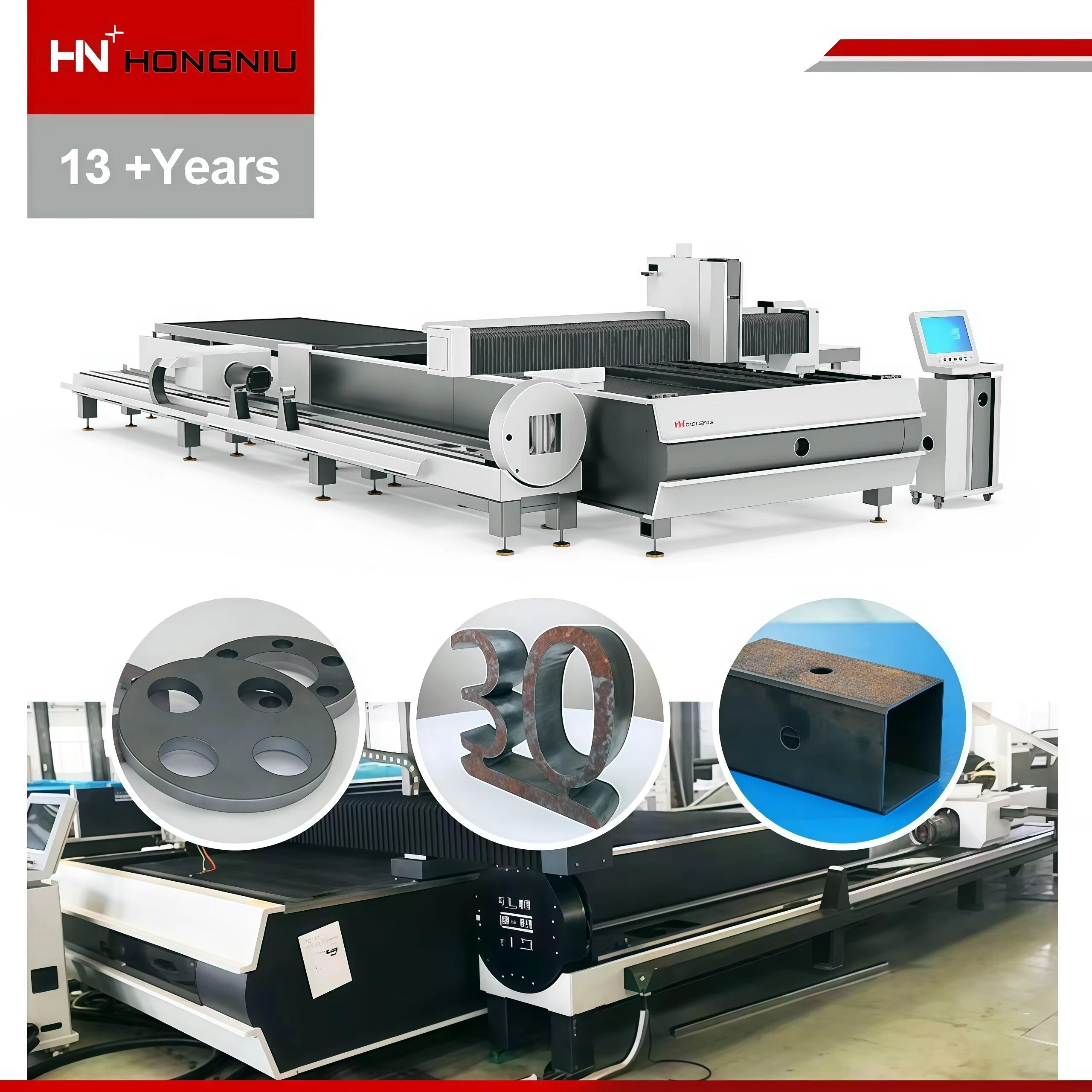
בחירת הנכון מכונה לחתיכת מתכת בלזר לגיזום דפי מתכת יש צורך בהערכה זהירה של מספר גורמים טכניים ותפעוליים שמשפיעים באופן ישיר על ביצועי הגיזום, יעילות הייצור והרווחיות האורכית. ההחלטה מצריכה ניתוח של דרישות החומר הספציפיות שלכם, תחזיות נפח הייצור והתקנים לאיכות כדי לזהות תצורה של מכונה שמתאימה למטרות הייצור שלכם.
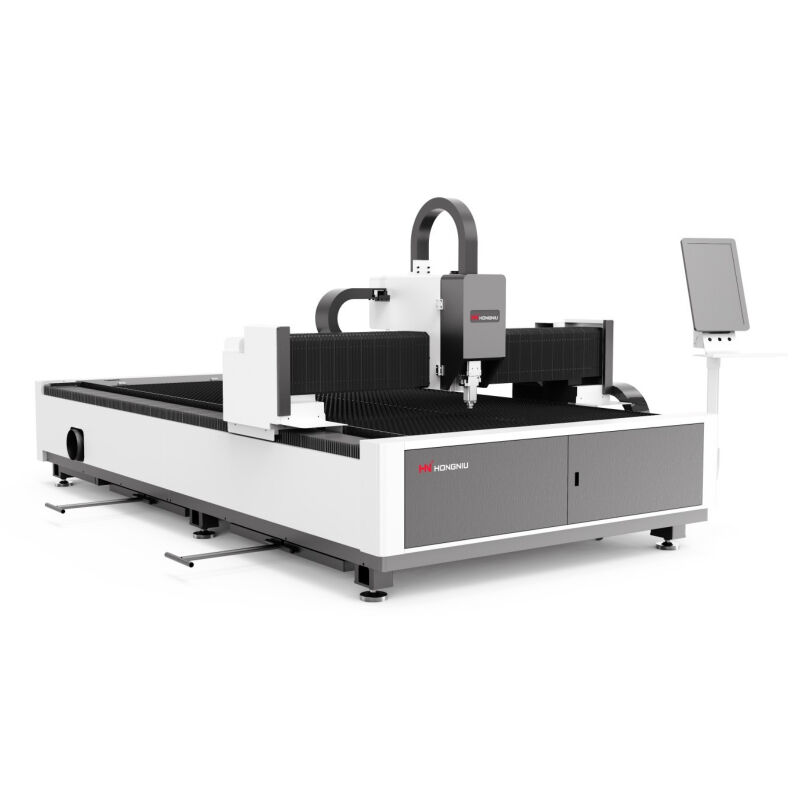
תהליך הבחירה כולל הערכת مواصفות עוצמת الليיזר, ממדי שטח החיתוך, תאימות לחומרים, תכונות אוטומציה ויכולות האינטגרציה בתהליך הייצור הקיים שלכם. הבנת קריטריונים אלו של בחירה מאפשרת לייצרנים לקבל החלטות מושכלות שממגינות על פעולות החיתוך תוך שמירה על יעילות כלכלית וגמישות תפעולית ליישומים מגוונים של עיבוד לוחות מתכת.
הבנת דרישות עוצמת الليיזר לחיתוך לוחות מתכת
הערכה של דירוג העוצמה עבור עוביים שונים של חומרים
דרגת עוצמת الليיזר מייצגת את המפרט הבסיסי ביותר בבחירת מכונת חיתוך מתכת באמצעות לייזר לגלמי מתכת. דרישות העוצמה משתנות באופן משמעותי בהתאם לסוג החומר ועובי הגולמים, כאשר גלמי פלדה דורשים בדרך כלל 1 קילוואט של עוצמה לכל 10 מ"מ של עובי לשם חיתוך יעיל. פלדת אל חלד דורשת רמות עוצמה גבוהות ב-20–30% בערך בשל תכונות ההחזרה והמאפיינים התרמיים שלה.
גלמי אלומיניום מציגים אתגרים ייחודיים הדורשים שיקול מיוחד של צפיפות העוצמה ואופטימיזציה של מהירות החיתוך. ההחזרה הגבוהה של החומר מחייבת רמות עוצמה גבוהות יותר, לעתים קרובות ב-40–50% מעל דרישות הפלדה עבור טווחי עובי שווים. פלדת פחמן מציעה את הגדילה התחזיתית ביותר של העוצמה, מה שמאפשר לייצרנים לחשב את דרישות העוצמה באמצעות יחסי עובי-לעוצמה שהוקמו כבר.
מפרטי המכונה צריכים להתחשב בדרישות הייצור בעתיד ובתוכניות diversifikatsiya של החומרים. מכונה לחתיכת מתכת בלזר עם תקורה של 20-30% של הספק, מבטיח גמישות תפעולית ושומר על יעילות מהירות חיתוך ככל שדרישות הייצור מתפתחות.
איכות קרן الليיזר ודقة קצה החיתוך
איכות הקרן משפיעה ישירות על דיוק קצה החיתוך, על עקביות רוחב החתך (kerf) ועל דיוק הממדים הכולל של החלקים. מקורות לייזר באיכות גבוהה מייצרים פרופילי קרן ממוקדים שמזערים את אזורים הנפגעים בחום ומגשים סיום קצה מעולה על מגוון חומרים של לוחות מתכת. מדד מכפלת פרמטרי הקרן (BPP) מספק הערכה כמותנית של יכולות המיקוד של הקרן והפוטנציאל לדقة חיתוך.
טכנולוגיית לייזר סיבי מציעה איכות קרן מובילה לעומת אלטרנטיבות לייזר CO₂, ומייצרת גודל נקודה ממוקדת קטן עד 0.1 מ"מ ליישומים מורכבים של חיתוך. יכולת המיקוד המשופרת הזו מאפשרת רוחב חתך (kerf) דק יותר, הפחתת בזבוז חומר ושיפור יעילות השירשור (nesting) עבור גאומטריות מורכבות של חלקים.
איכות קרן עקבית לאורך תחום החיתוך מבטיחה ביצועים אחידים בכל שטח העבודה. מערכות חיתוך מתקדמות של מתכת באמצעות לייזר כוללות מערכות העברת קרן שמשמרות את איכות המיקוד ואת אחידות צפיפות הכוח, ללא תלות במיקום ראש החיתוך בתוך אזור העבודה.
הערכה של ממדים שולחן החיתוך ותפעול החומר
גודל שטח העבודה והתאמתו ללוחות
ממדים שולחן החיתוך קובעים את גודל הלוחות המקסימלי שניתן לעבדם באופן יעיל, ומשפיעים על שיעורי ניצול החומר באמצעות אסטרטגיות אופטימליות של השמה (nesting). תצורות תעשייתיות סטנדרטיות כוללות תחומים לחיתוך של 4×8 רגל, 5×10 רגל ו-6×12 רגל, וקיימות גם תצורות גדולות יותר ליישומים מיוחדים הדורשים יכולת עיבוד לוחות מורחבת.
יכולת עובי הגלם קשורה ישירות לעיצוב מיטת החיתוך וליכולות מבנה התמיכה. תצורות של מכונות חיתוך מתכת בקרני לייזר למשימות כבדות מסוגלות להכיל לוחות עבים יותר תוך שמירה על יציבות ממדית במהלך פעולות החיתוך. עיצוב רשת התמיכה משפיע על שימור חלקים קטנים ואיכות החיתוך עבור גאומטריות מורכבות.
היבטים הקשורים לעומס וחילוץ החומר משפיעים על תפוקת הייצור והיעילות הפעולה. מערכות אוטומטיות לעיבוד גלמי מתכת מאפשרות זרמים ייצור רציפים, בעוד שמערכות עומס ידניות מציעות גמישות לגודלי גלמי מתכת משתנים ונפחי ייצור שונים.
מערכות בקרה מדויקות של תנועה ומיקום
דיוק מערכת בקרת התנועה משפיע באופן ישיר על דיוק הממדים של החלקים ועל חוזק החזרה של תהליכי החיתוך לאורך סדרות ייצור. מדריכי תנועה ליניאריים בעלי דיוק גבוה ומערכות מנועי סרווו מבטיחים דיוק במיקום בתוך טווח סובלנות של ±0.05 מ"מ ליישומים דרמטיים הדורשים שליטה צמודה על הממדים.
פרופילי האצה והאטה משפיעים על אופטימיזציה של מהירות החיתוך וקיצור זמן המחזור. בקרות תנועה מתקדמות כוללות אלגוריתמים חיזויים המאופטמים מסלולי חיתוך תוך שמירה על סטנדרטי דיוק לאורך גאומטריות חלקים מורכבות.
יציבות דינמית במהלך פעולות חיתוך במהירויות גבוהות דורשת עיצוב מכני עמיד ומערכות לבלימת רעידות. קשיחות המכונה ויציבות תרמית תורמות לביצועי חיתוך עקביים ולאריכת תקופת הפעולה של התקנות מכונות חיתוך מתכת בלייזר.
התאמות חומר וביצועי חיתוך
יכולות עיבוד של חומרים מרובים
הערכת התאמה לחומר כוללת בדיקת ביצועי החיתוך על מגוון סוגי גליונות מתכת, כולל פלדת פחמן, פלדת אל חלד, אלומיניום, נחושת, אבץ-נחושת (ברס) וсплавים מיוחדים. כל חומר מציג מאפייני חיתוך ייחודיים הדורשים אופטימיזציה ספציפית של פרמטרים כדי להשיג תוצאות באיכות גבוהה ומהירויות עיבוד יעילות.
חומרים רגשיים כמו אלומיניום ונחושת דורשים טכניקות חיתוך מיוחדות והגדרות פרמטרים כדי למנוע בעיות של החזרת קרן ולשפר את איכות החיתוך באופן עקבי. מערכות מודרניות של מכונות חיתוך מתכת בקרני לייזר כוללות פיקוח אדפטיבי על הספק והגדרת גז עזר אופטימלית כדי לשפר את הביצועים עם מגוון חומרים.
טווח העוביים שניתן לעבד משתנה משמעותית בין חומרים שונים: חיתוך פלדה יכול להגיע לעובי של 25–30 מ"מ, בעוד שעיבוד אלומיניום עשוי להיות מוגבל לעובי של 15–20 מ"מ, תלוי בספק הלייזר באיכות הקרן.
מהירות חיתוך ויעילות ייצור
אופטימיזציה של מהירות החיתוך מאוזנת בין תפוקת הייצור לדרישות איכות השפה עבור סוגי חומרים ועוביים שונים. חומרים דקים מאפשרים מהירויות חיתוך מהירות מאוד – מעל 20 מטר לדקה, בעוד שחלקים עבים יותר דורשים מהירויות מבוקרות כדי לשמור על איכות החיתוך ולמנוע עיוות תרמי.
חישובי יעילות הייצור חייבים לקחת בחשבון את זמן ההכנה, משך הנקב, ואופטימיזציה של מסלול הגזירה בנוסף למהירויות הגזירה הראשוניות. תוכנת ניסתון מתקדמת מקסימה את יעילות החומר תוך מינימיזציה של זמני המחזור הכוללים באמצעות תכנון אינטליגנטי של המסלולים ואסטרטגיות גזירה על קווים משותפים.
השימור על עקביות באיכות לאורך רצף ייצור דורש פרמטרי גזירה יציבים וביצועי מכונות גזירת מתכת בלייזר צפויים. מסדי נתונים אוטומטיים של פרמטרים ומערכות ניהול מתכונים לגזירה מבטיחים תוצאות חוזרות על עצמן תוך מינימיזציה של דרישות ההכנה על ידי האופרטור.
תכונות אוטומציה ונושאי אינטגרציה
ממשקים לבקרת התוכנה ולתכנות
רמת המורכבות של תוכנת הבקרה קובעת את הנוחות בתפעול ואת הגמישות בתכנות ליישומים מגוונים של גזירה. מערכות מודרניות של מכונות גזירת מתכת בלייזר מצוידות בממשקים גרפיים אינטואיטיביים עם פונקציונליות מובנית של CAD/CAM, יכולות ניסתון אוטומטיות, ואופטימיזציה בזמן אמת של פרמטרי הגזירה.
התאמה לייבוא עם תבניות קבצים סטנדרטיות, כולל DXF, DWG ו-STEP, מבטיחה אינטגרציה חלקה לתהליכי העיצוב הקיימים. מערכות מתקדמות תומכות בייבוא ישיר מפלטפורמות CAD פופולריות תוך שימור דיוק ממדי והכרת מאפיינים לאורך תהליך ההמרה.
יכולות ניטור ו אבחון מרחוק מאפשרות תכנון תחזוקה חיזויית ואופטימיזציה של הייצור באמצעות ניתוח נתונים. אפשרויות החיבור לענן מקלות את האבחון המרוחק ואת ניטור הביצועים לפעולות ייצור במיקומים מרובים.
מערכות בטיחות והגנה תפעולית
מערכות בטיחות מקיפות מגינות על הפעילים ועל הציוד, תוך שמירה על סטנדרטים של פעילות פרודוקטיבית. נעלי בטיחות משולבות מונעות הפעלת الليיזר בתנאים לא בטוחים, בעוד תאי גזירה סגורים מכילים עישן וקרינה לייזרית בסביבות מבוקרות.
מערכות 억제 אש אוטומטיות מגיבות במהירות לאירועי הצתה, ומשמרות את ההשקעה בציוד ומאפשרות המשך פעילות תפעולית.
היבטים של תכנון ארוגונומי משפיעים על עייפות הפעיל ועל הפקודה לטווח הארוך. התקנות מתקדמות של מכונות חיתוך מתכת בלייזר כוללות תאורה מתאימה, שרותי אוורור ונגישות מתאימים שמאפשרים פעולה יעילה תוך שמירה על סטנדרטי הבטיחות לאורך משימות ייצור ממושכות.
שאלה נפוצה
אילו כוח בלייזר נדרש לחיתוך דפי מתכת בעלי עובי שונה?
דרישות ההספק תלויות בסוג החומר ובעובייו, כאשר דפי פלדה דורשים בדרך כלל 1 קילוואט לכל עובי של 10 מ"מ. לפלדת אל חלד יש צורך בהספק גבוה ב-20–30%, בעוד שאלומיניום דורש רמת הספק גבוהה ב-40–50% בשל תכונות ההחזרה שלו. ברוב היישומים מומלץ להוסיף סיבולת הספק של 20–30% כדי לאפשר גמישות תפעולית.
איך אני מחליט על גודל המיטה לחתך המתאים לצרכים הייצוריים שלי?
גודל מיטת החיתוך חייב להתאים לממדים הגדולים ביותר של הדפים שאתם מעבדים, תוך התחשבות בכفاءת ניצול החומר באמצעות אופטימיזציה של השמה (nesting). הגודלים הסטנדרטיים כוללים תצורות של 4×8, 5×10 ו-6×12 רגל. יש לקחת בחשבון את תוכניות ההתפתחות העתידיות שלכם ואת מגוון גדלי הדפים שאתם מעבדים, כדי להימנע מכך שיגרמו למגבלות בקיבולת הייצור.
אילו חומרים ניתן לעבד באופן יעיל באמצעות מכונת חיתוך מתכת בלייזר?
מכונות חיתוך מתכת בעלות לייזר מודרניות מטפלות בפלדה פחמנית, פלדת אל חלד, אלומיניום, נחושת, אבץ וניקל, וכן במגוון סגסוגות. לכל חומר יש גבולות עובי ספציפיים ופרמטרי חיתוך ייחודיים. לדוגמה, פלדה נחתכת בדרך כלל עד לעובי של 25–30 מ"מ, בעוד שעיבוד האלומיניום עלול להיות מוגבל לעובי של 15–20 מ"מ, תלוי במאפייני הלייזר ובאיכות קרן הלייזר.
אילו תכונות אוטומציה עליי לשים דגש עליהן כדי להבטיח פעילות יעילה?
תכונות אוטומציה impresיות כוללות תוכנת בקרה אינטואיטיבית עם שילוב CAD/CAM, יכולת ניסור אוטומטי (nesting), מערכות טיפול בחומרים לאופרציה רציפה, ומערכת ניטור מרחוק לתחזוקה חיזויית. מערכות בטיחות מתקדמות ואופטימיזציה בזמן אמת של פרמטרי החיתוך תורמות באופן משמעותי לייעול הפעולה ולשימור איכות חיתוך עקבי.
