 EN
EN

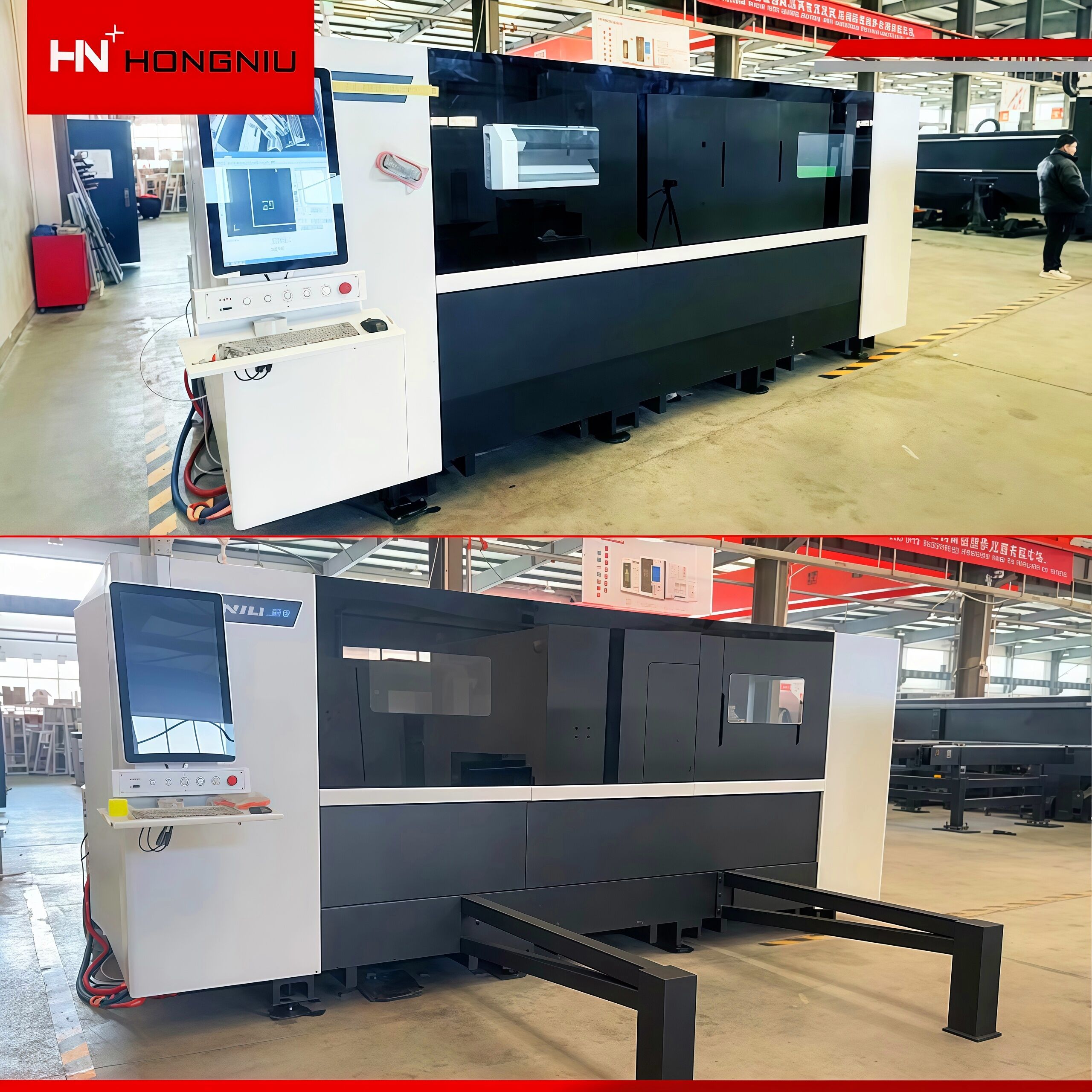
The global manufacturing landscape is currently undergoing a radical transformation, driven by the need for higher precision, faster lead times, and reduced operational costs. At the forefront of this evolution is the CNC Laser Cutting Machine. By integrating advanced Computer Numerical Control (CNC) with high-intensity fiber laser sources, these machines have moved beyond simple cutting tools to become the intelligence centers of the modern factory floor. Understanding the mechanics behind their efficiency is essential for B2B enterprises looking to scale their production of everything from automotive hardware to heavy industrial machinery.
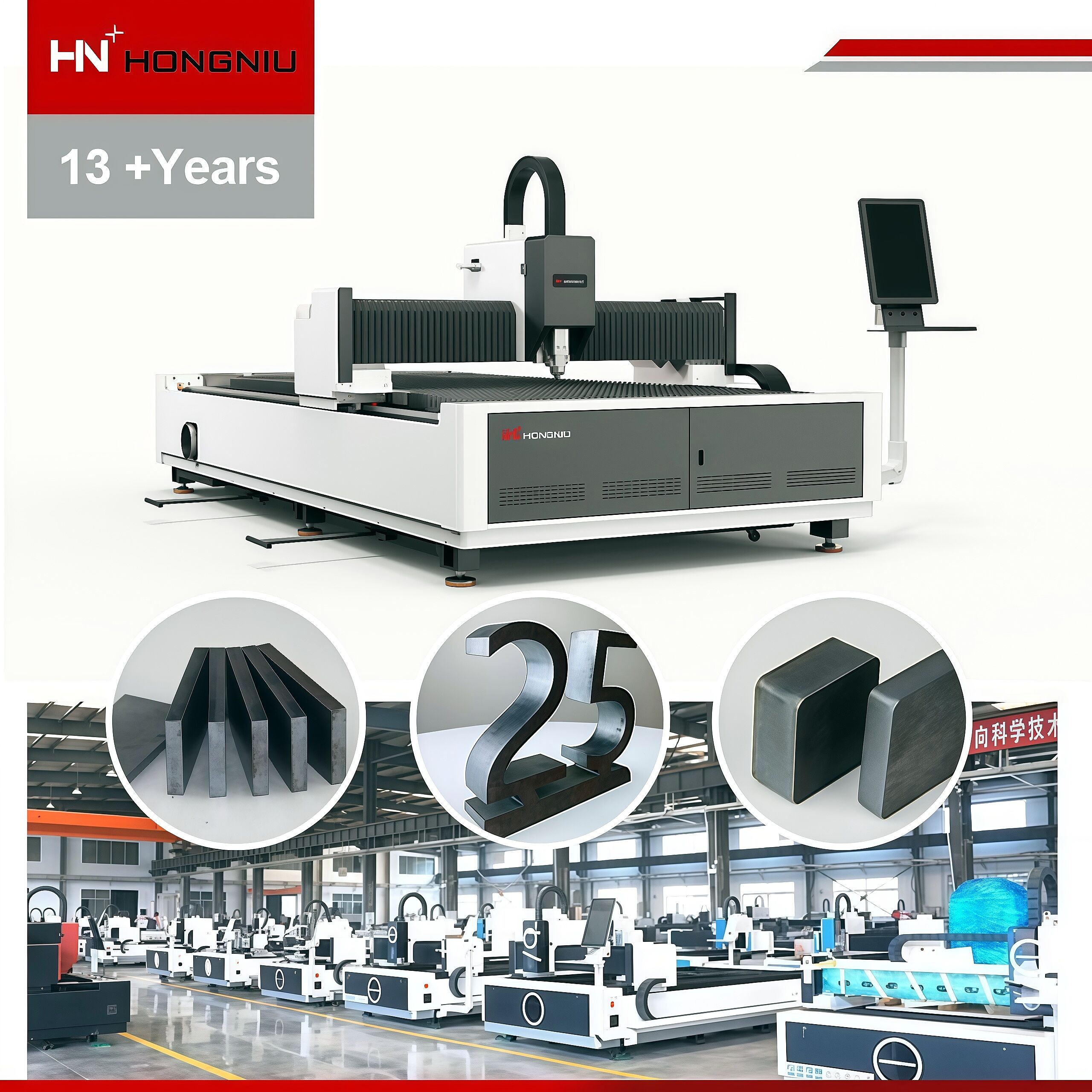
Efficiency in metal fabrication is no longer just about the speed of the "blade." It is a multi-dimensional metric that includes material yield, energy consumption, and the elimination of secondary labor. The CNC Laser Cutting Machine addresses these factors through a synergy of optical physics and automated software, ensuring that every minute of machine uptime translates directly into high-quality, production-ready output.
High-Velocity Processing and Intelligent Path Optimization
The most visible driver of efficiency in a CNC Laser Cutting Machine is its raw processing speed. Modern fiber laser sources can move across a metal sheet at speeds exceeding 100 meters per minute, depending on the material thickness. However, speed without control leads to waste. The CNC "brain" uses sophisticated algorithms to optimize the cutting path in real-time, ensuring the laser head takes the shortest possible route between parts. This reduces "non-cutting" time, which is the interval when the laser is moving but not actually melting metal.
Furthermore, advanced CNC systems feature "Fly Cutting" technology. For parts with arrays of small holes or repetitive patterns, the machine does not stop and start the laser at each point. Instead, it maintains a constant high speed and pulses the laser beam exactly as it passes over the coordinate. This removes the mechanical lag associated with acceleration and deceleration, significantly boosting the throughput of components used in electronics housing, perforated panels, and industrial metal detectors.
Automated Piercing and Thermal Management
In traditional fabrication, the "piercing" phase—where the laser breaches a thick plate—is often the slowest part of the cycle. A standard machine might take several seconds to burn through a 20mm steel plate, accumulating excess heat that can warp the metal. An efficient CNC Laser Cutting Machine utilizes "Smart Piercing" or "Frequency Modulation" technology. This allows the laser to penetrate the metal in milliseconds by rapidly pulsing the beam at varying intensities, preventing heat buildup and allowing the machine to transition immediately into the cutting motion.
Effective thermal management ensures that the machine can maintain high-speed operations without risking the structural integrity of the workpiece. By concentrating the energy into a microscopic focal point, the laser creates a very narrow Heat-Affected Zone (HAZ). This is critical for the production of structural frames for welding systems or wire bending machines, where the metallurgical properties of the cut edge must remain unchanged to ensure the strength of future welds and mechanical joints.
Seamless Workflow with Pallet Exchange Systems
Operational efficiency is often lost during the "loading and unloading" phase. A standalone machine that sits idle while an operator clears parts is a bottleneck. To solve this, industrial-grade systems are equipped with automated shuttle tables, or pallet exchangers. While the laser is active on the primary table, the operator or a robotic arm can clear the finished parts and load a fresh sheet of raw material on the second table. The exchange typically takes less than 20 seconds, allowing for a nearly continuous 24/7 production cycle.
This level of automation is a prerequisite for B2B manufacturers serving high-demand industries like automotive or sports equipment. By minimizing human intervention, the factory can achieve a much higher "Duty Cycle"—the percentage of time the laser is actually cutting. When combined with automated nozzle cleaning and calibration, the machine maintains a consistent output quality shift after shift, regardless of the complexity of the job.
Efficiency Comparison: Traditional vs. CNC Laser Cutting
The following table benchmarks the performance factors that distinguish a modern CNC Laser Cutting Machine from legacy cutting methods.
| Efficiency Metric | Manual / Mechanical Cutting | Plasma Cutting | CNC Laser Cutting Machine |
| Setup Time | High (Physical Tooling) | Moderate | Instant (Digital Load) |
| Repeatability | Low (±0.5mm) | Moderate (±1.0mm) | Ultra-High (±0.03mm) |
| Energy Efficiency | Low | Moderate | High (Fiber Technology) |
| Edge Quality | Rough (Needs Grinding) | Dross / Slag Present | Clean / Weld-Ready |
| Complex Geometries | Very Limited | Limited | Unlimited |
| Maintenance | High (Tool Wear) | Moderate (Consumables) | Low (Solid State) |
Material Yield and Advanced Nesting Software
True efficiency includes the responsible use of raw material. Metal is a significant cost in fabrication, and the CNC Laser Cutting Machine excels at material optimization. Because the laser beam has an extremely narrow "kerf" (the width of the actual cut), parts can be placed within 1–2mm of each other. Sophisticated nesting software calculates the best arrangement for parts on a sheet, often interlocking complex shapes like a puzzle to minimize scrap metal.
Some advanced systems even utilize "Common Line Cutting," where a single laser pass serves as the boundary for two separate parts. This effectively halves the cutting time for that specific edge and reduces the amount of assist gas consumed. For companies producing thousands of standardized hardware pieces or bottle cap molds, saving even 5% of material per sheet can result in massive annual savings, directly impacting the profitability of the operation.
Low Maintenance and Long-Term Reliability
Finally, the efficiency of a fiber-based CNC system is sustained by its low maintenance requirements. Unlike CO2 lasers that require complex mirror alignments and gas-mixing resonators, a fiber laser generates light in a static cable. There are no moving parts in the laser source, which translates to a service life of 100,000 hours or more. This reliability ensures that the machine remains a productive asset with minimal unplanned downtime.
For B2B firms, this predictability is the key to accurate production scheduling. Knowing that the machine will perform with the same precision in year five as it did on day one allows manufacturers to commit to strict delivery timelines for their clients. In the world of industrial manufacturing, a machine that stays "green" (active) for 95% of its life is the ultimate definition of efficiency.
Frequently Asked Questions (FAQ)
Does a higher wattage always mean more efficiency?
Not necessarily. While higher wattage allows for faster cutting on thick plates, a machine's efficiency also depends on the "acceleration" speed of its gantry. For thin sheet metal (under 3mm), a 3kW machine with high acceleration is often more efficient and cost-effective than a 12kW machine with slower mechanical movements.
How does CNC software improve the consistency of the cut?
The CNC controller monitors the laser's focal point and gas pressure in real-time. If it detects a slight variation in the material's thickness or quality, it automatically adjusts the parameters. This prevents "failed cuts" or parts that require manual rework, which is a major boost to overall production efficiency.
What is the role of assist gas in machine efficiency?
Assist gas (Oxygen, Nitrogen, or Air) blows the molten metal out of the cut. Using the correct gas pressure and type is vital. For example, using high-pressure Nitrogen for stainless steel results in a bright, oxide-free edge that doesn't need secondary cleaning, saving significant labor time in the assembly stage.
Can a CNC laser cutting machine be integrated into a "Lights Out" factory?
Yes. When paired with automated loading/unloading systems and smart sensors that detect part separation, these machines can operate safely overnight without human supervision. This allows factories to triple their output without a linear increase in labor costs.
Why is nesting software considered an efficiency tool?
Nesting software reduces the amount of scrap metal and the total distance the laser head travels. By optimizing the layout of the digital parts on a physical sheet, the software reduces material costs and ensures the machine spends more time cutting and less time moving between parts.
