 EN
EN

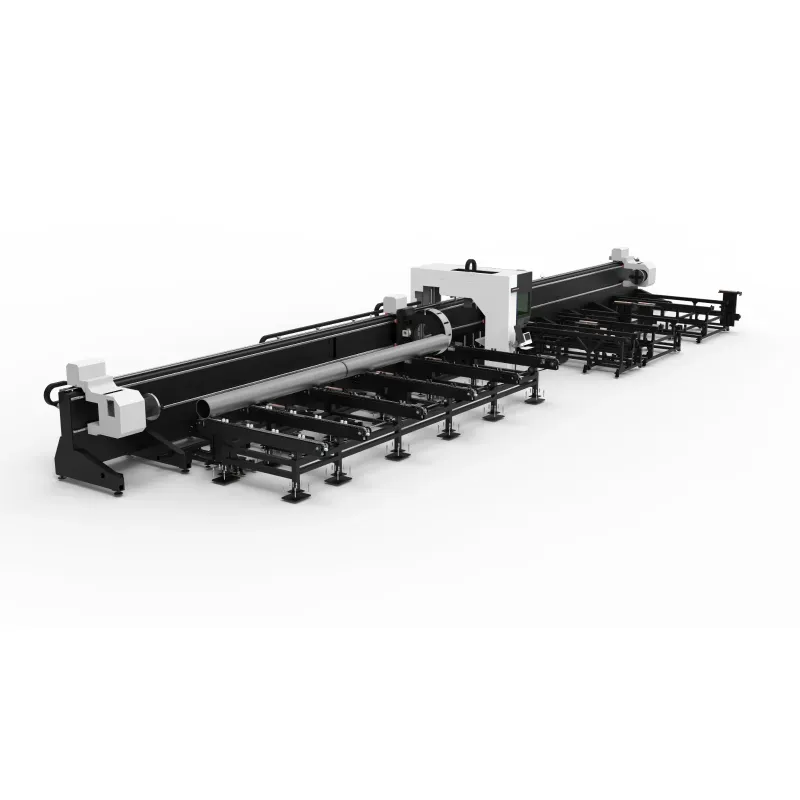
The transition toward Industry 4.0 has placed immense pressure on manufacturing facilities to deliver higher precision at faster speeds while maintaining lower operational costs. As the backbone of this industrial evolution, the CNC Laser Cutting Machine has become the primary tool for metal fabrication. By utilizing fiber-optic technology to deliver high-density thermal energy, these systems have largely replaced legacy CO2 and mechanical methods. For B2B manufacturers, understanding the strategic advantages of fiber systems is essential for maintaining a competitive edge in a globalized market.
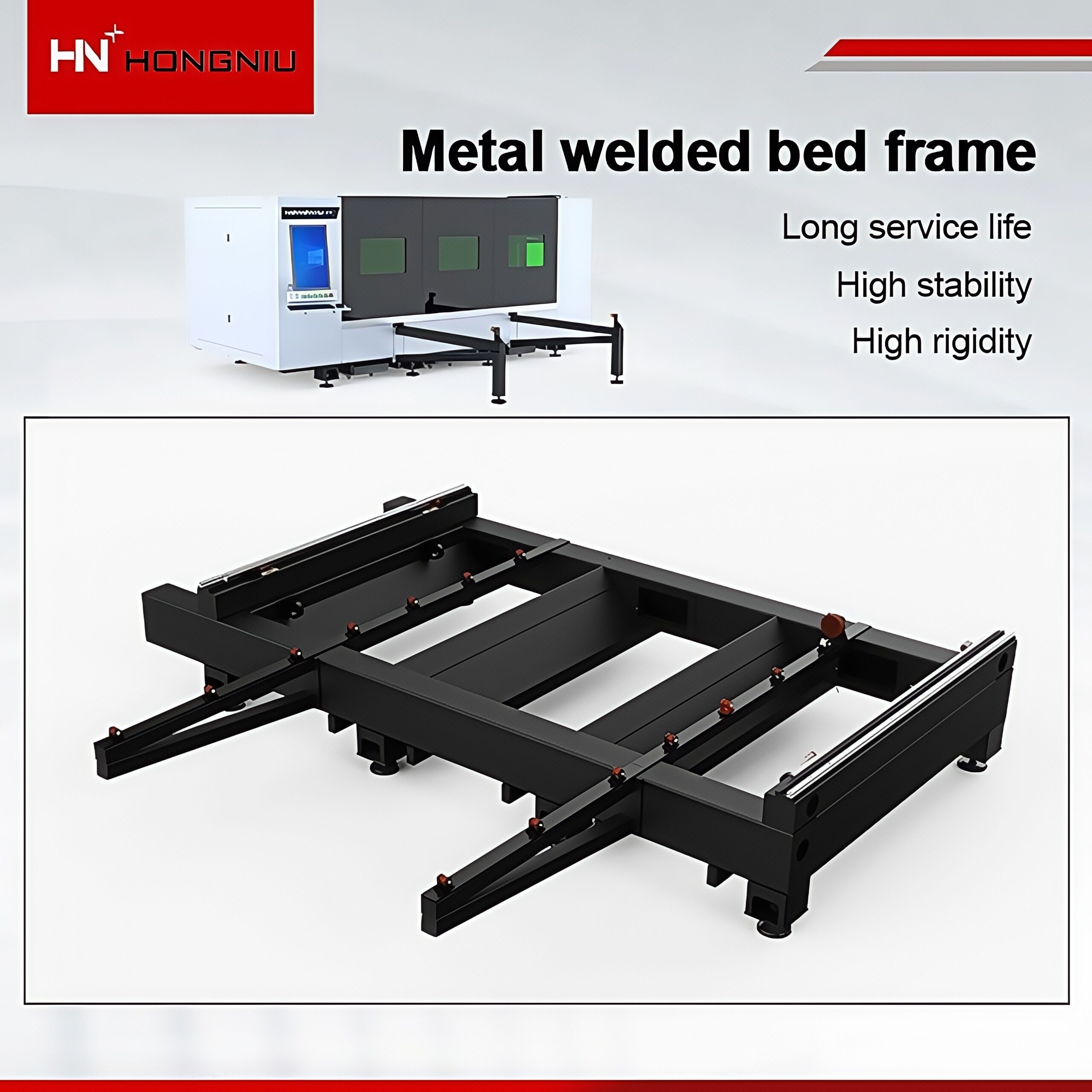
Integrating a modern CNC Laser Cutting Machine into a production line is not just a hardware upgrade; it is a fundamental shift in how materials are processed. From the fabrication of automotive hardware to the creation of complex structural frames for welding systems, fiber technology offers a level of versatility and reliability that traditional tools cannot match. This article examines the core benefits that make fiber laser systems the definitive choice for the modern factory floor.
Superior Precision and Edge Quality
One of the most significant advantages of fiber laser technology is the microscopic size of the laser’s focal point. Because the beam is delivered through a fiber-optic cable rather than a series of mirrors, it maintains a highly concentrated power density. This allows a CNC Laser Cutting Machine to achieve an accuracy of $\pm$0.03mm, enabling the production of intricate geometries and narrow slits that would be impossible to execute with mechanical saws or plasma cutters.
The quality of the cut edge produced by a fiber laser is typically "production-ready," meaning it requires zero secondary finishing. In traditional fabrication, parts often leave the machine with burrs or dross that must be manually ground down. Fiber lasers produce a smooth, perpendicular edge that is immediately ready for welding or powder coating. This is particularly critical for manufacturers of high-precision equipment, such as industrial metal detectors or bottle cap molds, where even a slight imperfection can compromise the functionality of the final product.
Enhanced Processing Speeds and Throughput
Efficiency in a factory setting is measured by the volume of quality parts produced per shift. Fiber laser systems excel in high-speed processing, particularly when dealing with thin-to-medium gauge metals. In these ranges, a fiber laser can cut up to three times faster than a CO2 laser of equivalent power. This speed is facilitated by the laser's high absorption rate in metals, allowing the beam to melt through the material with minimal resistance.
Modern CNC controllers further enhance this speed through intelligent path planning. The machine’s software calculates the most efficient route for the cutting head, minimizing "dry run" time when the laser is not active. This high-velocity output is essential for facilities producing components for sports ball production lines or gym equipment, where high-volume consistency is the key to meeting tight delivery schedules. By maximizing the parts produced per hour, factories can significantly lower their overhead costs per unit.
Low Maintenance and Operational Reliability
A common challenge with traditional industrial machinery is the frequency and cost of maintenance. Legacy laser systems require constant alignment of mirrors and the replacement of internal gas resonators. A fiber-based CNC Laser Cutting Machine is a "solid-state" system, meaning it has no moving parts within the laser source itself. The beam remains entirely contained within a protected cable, shielding it from factory dust and vibrations that would otherwise cause misalignment.
This design leads to a massive increase in operational reliability. Most fiber laser sources are rated for a lifespan of over 100,000 hours, which equates to decades of use in a standard factory environment. For B2B suppliers, this predictability is invaluable. It ensures that production schedules are not interrupted by unplanned downtime, allowing firms to commit to strict timelines for their clients in the automotive, aerospace, and heavy machinery sectors.
Comparative Analysis: Fiber Laser vs. Legacy Technologies
The following table benchmarks the key operational metrics that define the performance of fiber systems compared to traditional fabrication methods.
| Performance Metric | Fiber Laser System | CO2 Laser | Plasma Cutting |
| Wavelength Absorption | Very High (1.06 $\mu$m) | Low (10.6 $\mu$m) | N/A |
| Precision Tolerance | $\pm$0.03mm | $\pm$0.1mm | $\pm$1.0mm |
| Power Efficiency | ~35% - 50% | ~8% - 10% | ~15% |
| Reflective Metal Cutting | Excellent (Copper/Brass) | Poor / Dangerous | Fair |
| Maintenance Frequency | Very Low | High | Moderate |
| Heat-Affected Zone | Microscopic | Small | Large |
| Initial Investment | Higher | Moderate | Low |
Advanced Material Versatility
Historically, reflective metals such as copper and brass were the "Achilles' heel" of laser cutting. The longer wavelength of older lasers would often reflect off the metal surface and back into the machine, causing expensive damage. Fiber laser technology uses a shorter wavelength that is naturally absorbed by these reflective materials. This allows modern factories to process a much wider range of materials—including titanium, aluminum, and brass—using a single workstation.
This versatility allows a factory to diversify its product offerings without investing in multiple specialized machines. A single fiber system can transition from cutting heavy carbon steel plates for welding systems to fine-tuning delicate brass components for electrical hardware. This flexibility is a cornerstone of modern lean manufacturing, where the ability to switch between different production tasks with minimal setup time is a major competitive advantage.
Energy Efficiency and Sustainable Manufacturing
As energy costs rise and environmental regulations become more stringent, the power consumption of industrial equipment has become a primary concern. Fiber lasers are significantly more energy-efficient than their predecessors. A fiber laser converts a much higher percentage of its electrical input into light, requiring less cooling and drawing less power from the grid. On average, a fiber laser uses about 70% less electricity than a CO2 laser during operation.
This efficiency not only lowers utility bills but also aligns with "Green Manufacturing" standards. Reduced energy consumption leads to a smaller carbon footprint for the facility, which is increasingly important for B2B manufacturers seeking to qualify for contracts with large, sustainability-focused corporations. By investing in fiber technology, factories can achieve their production goals while demonstrating a commitment to environmentally responsible operations.
Frequently Asked Questions (FAQ)
Why is a CNC laser cutting machine better for high-volume production?
The combination of high cutting speeds and automated features like shuttle tables allows these machines to run nearly continuously. Because there is no tool wear (unlike mechanical bits or blades), the first part and the 10,000th part are identical in quality, which is essential for high-volume industrial assembly.
Can these machines handle thick plates for heavy industry?
Yes. While fiber lasers are famous for their speed on thin materials, high-power systems (12kW and above) can easily cut through carbon steel and stainless steel plates up to 50mm thick. They offer a much cleaner edge and tighter tolerance than plasma or flame cutting for these heavy-duty applications.
How does the CNC controller improve factory safety?
Modern CNC systems are fully enclosed and equipped with light curtains and automated sensors. If a door is opened or an obstruction is detected, the laser shuts down instantly. This significantly reduces the risk of workplace injuries compared to open saws or manual cutting tools.
What are the primary consumables for a fiber laser system?
Because it is a solid-state system, the only regular consumables are the copper nozzles, protective windows, and assist gases (Oxygen or Nitrogen). This is far less expensive than the regular mirror replacements and resonator gases required by older CO2 technology.
Is it difficult to integrate these machines into an existing factory?
Most modern systems use standard CAD/CAM software interfaces, making them compatible with existing design workflows. Training for operators is typically straightforward, focusing on digital file management and material loading, rather than the manual craftsmanship required for traditional mechanical tools.
